
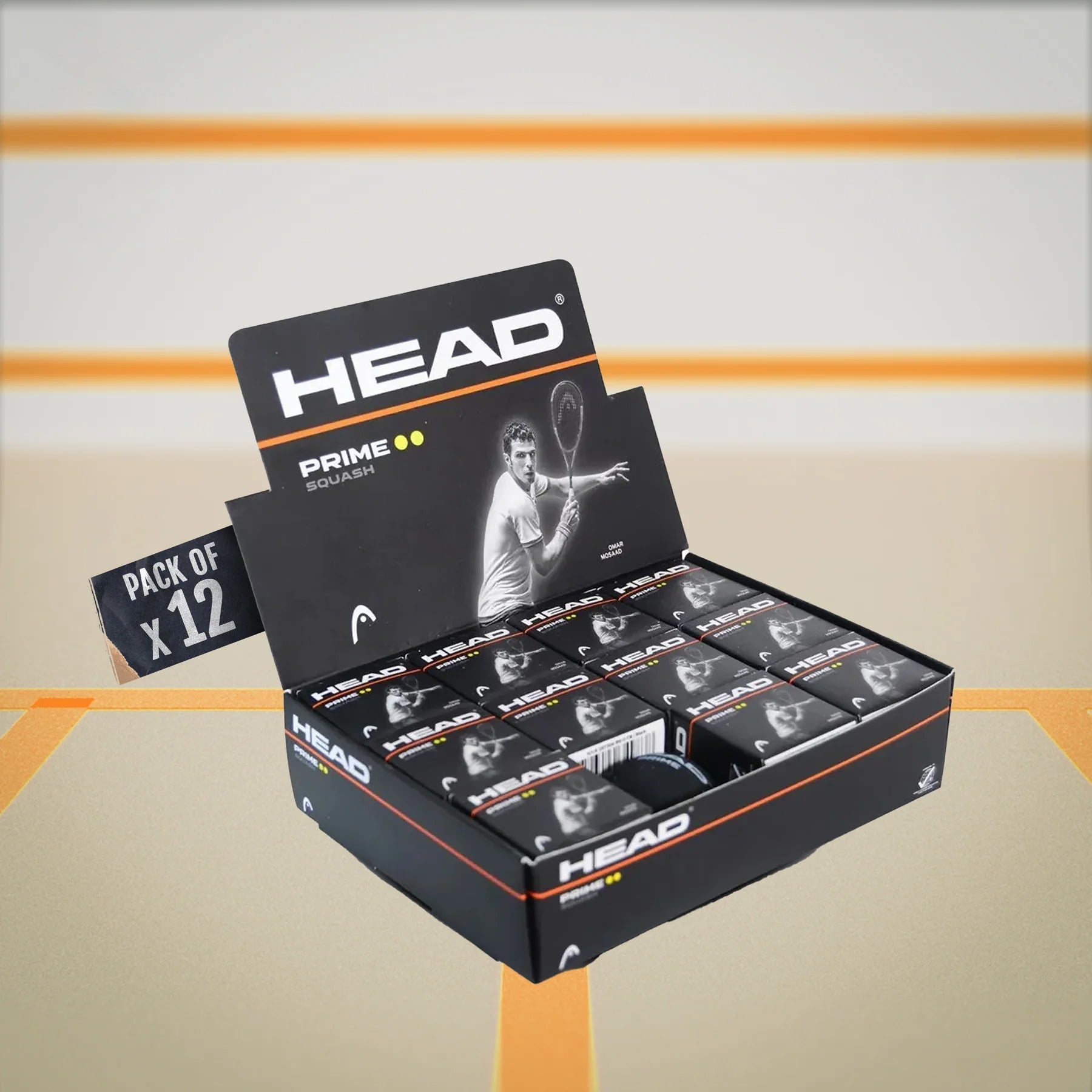
Introduction to Squash
Squash is a fast-paced racquet sport that requires a blend of agility, strategy, and precision. Despite its high-intensity nature, it’s a game that even beginners can quickly learn to enjoy. This guide will take you through the foundational skills and knowledge necessary to get started and grow your abilities in this dynamic sport.
The Fundamentals of Squash
As a beginner, understanding the fundamental skills is crucial to developing a strong base in squash. Let's delve into the basic rules, techniques, and equipment that you should be aware of before stepping onto the court.
Understanding the Court
The squash court is enclosed, typically measuring 9.75 meters in length and 6.4 meters in width. Key markings include the front wall, service box, and tin, each playing a critical role in gameplay. Familiarize yourself with these elements to enhance your court awareness.
Essential Equipment
Your journey in squash starts with the right equipment:
| Equipment Type | Description | Beginner Tips |
|---|---|---|
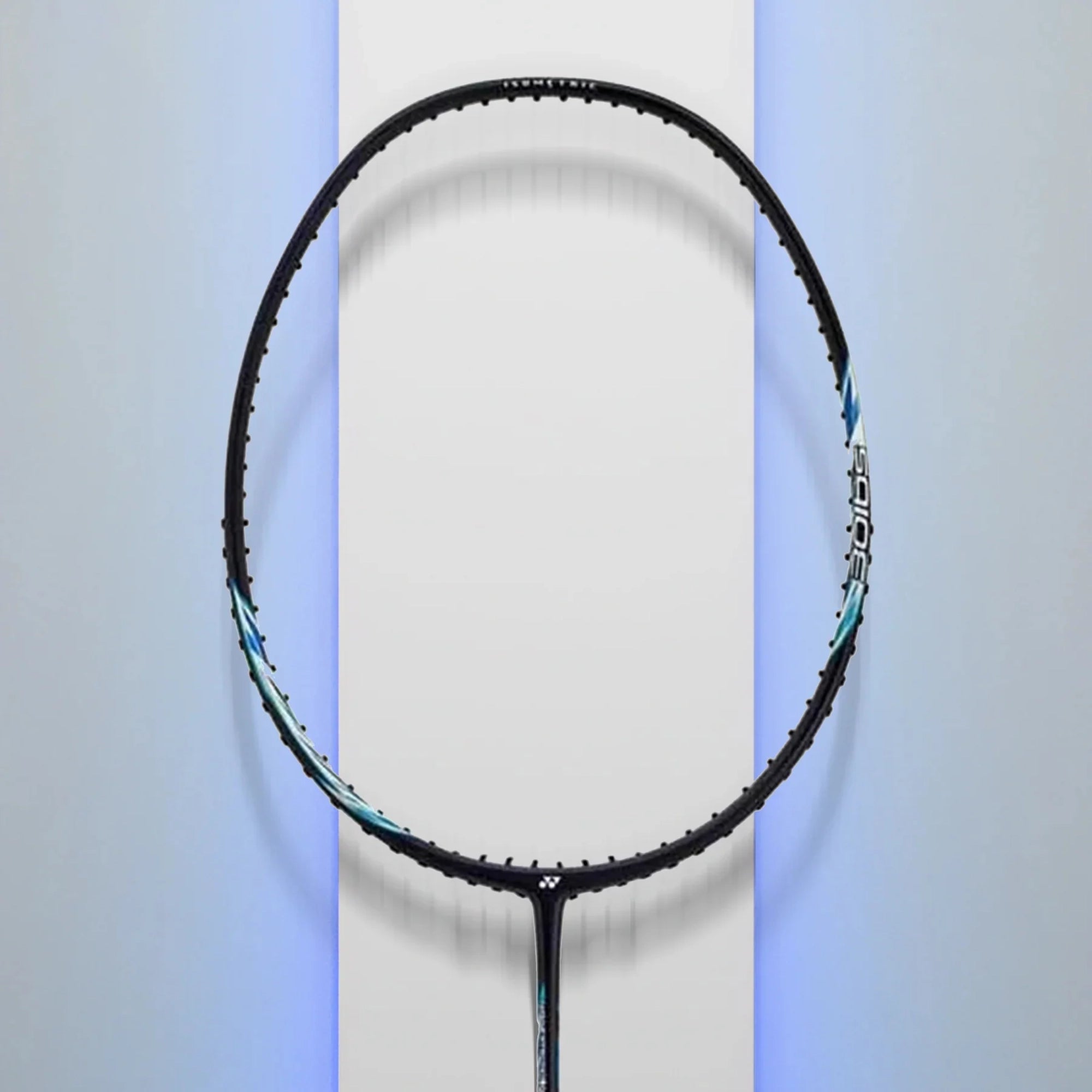
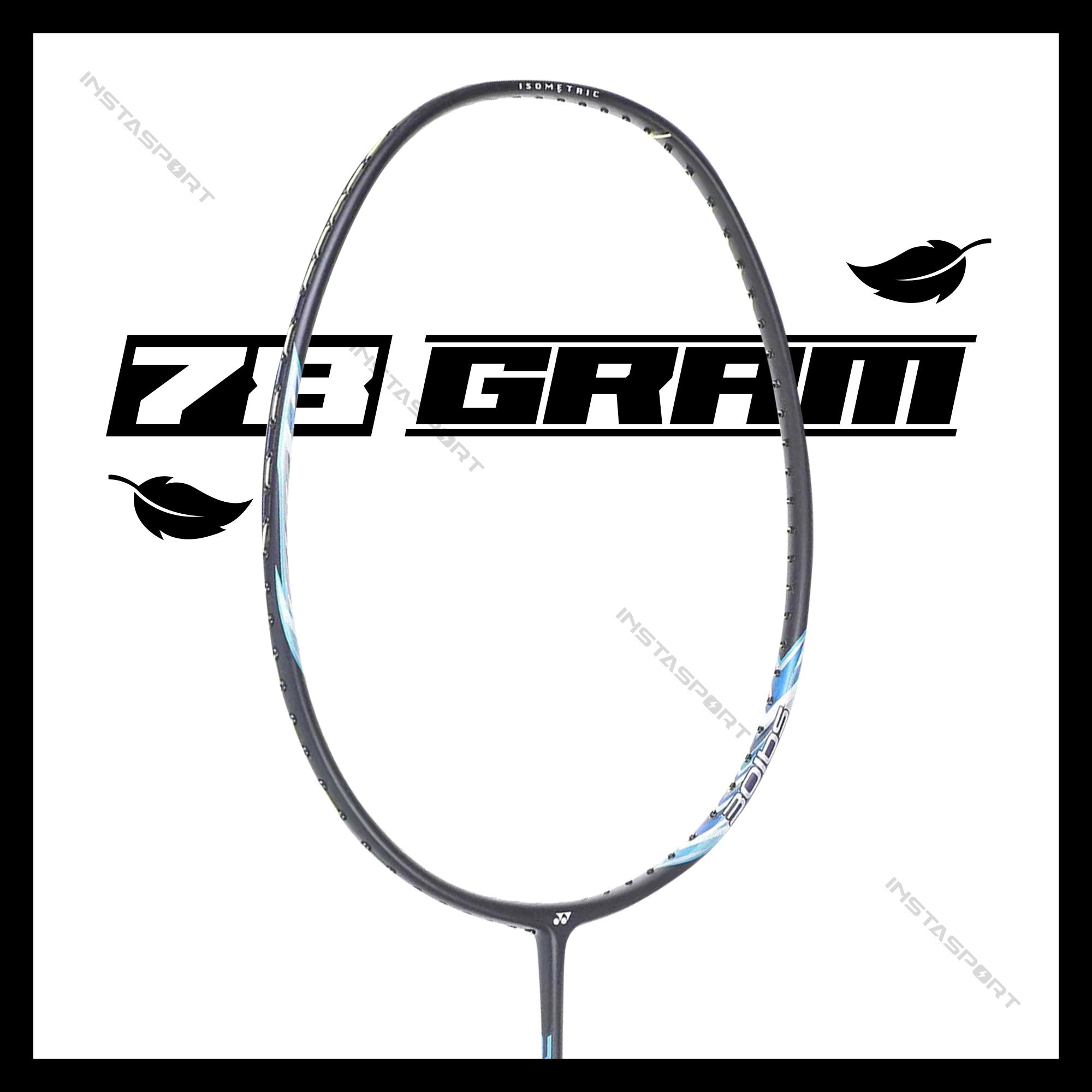
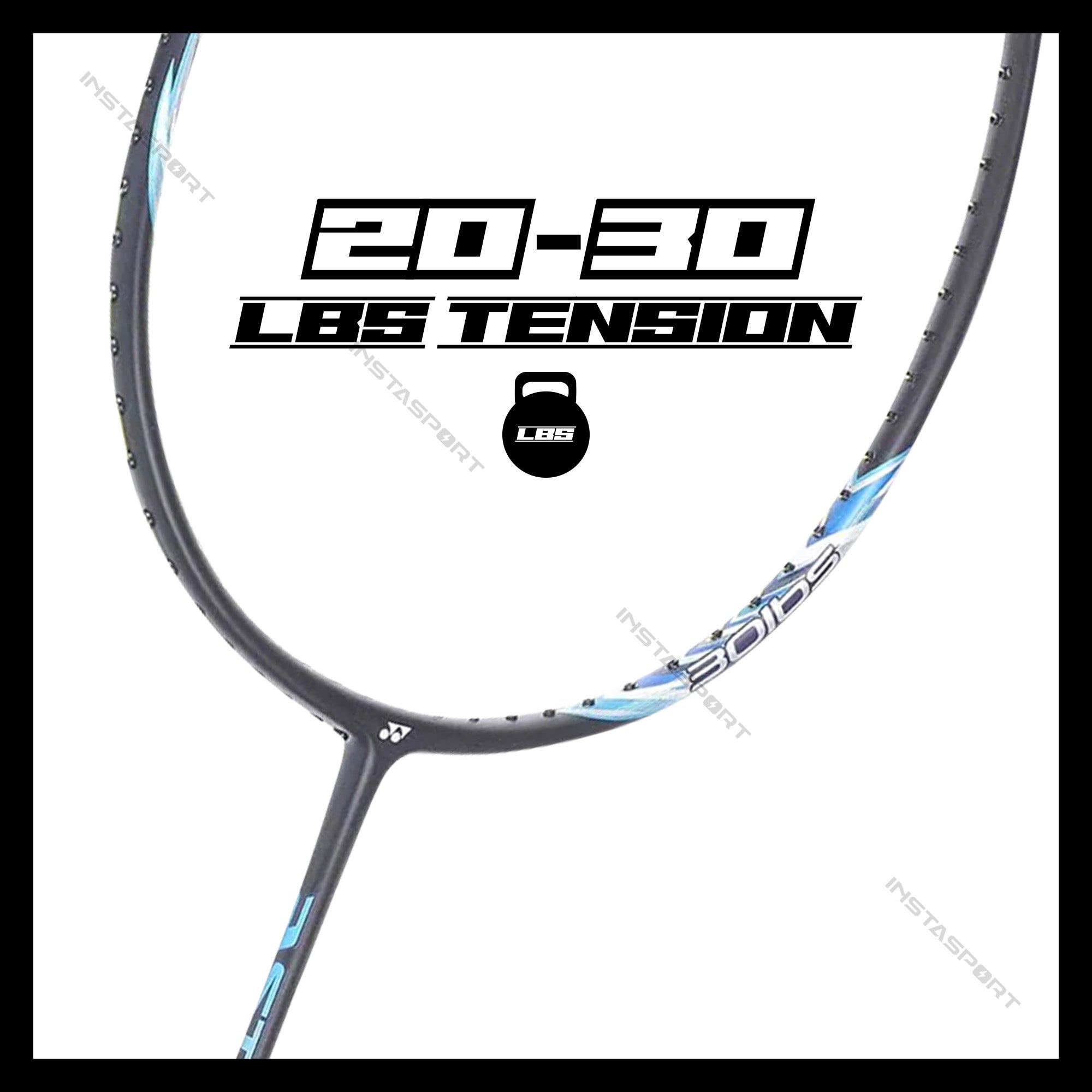
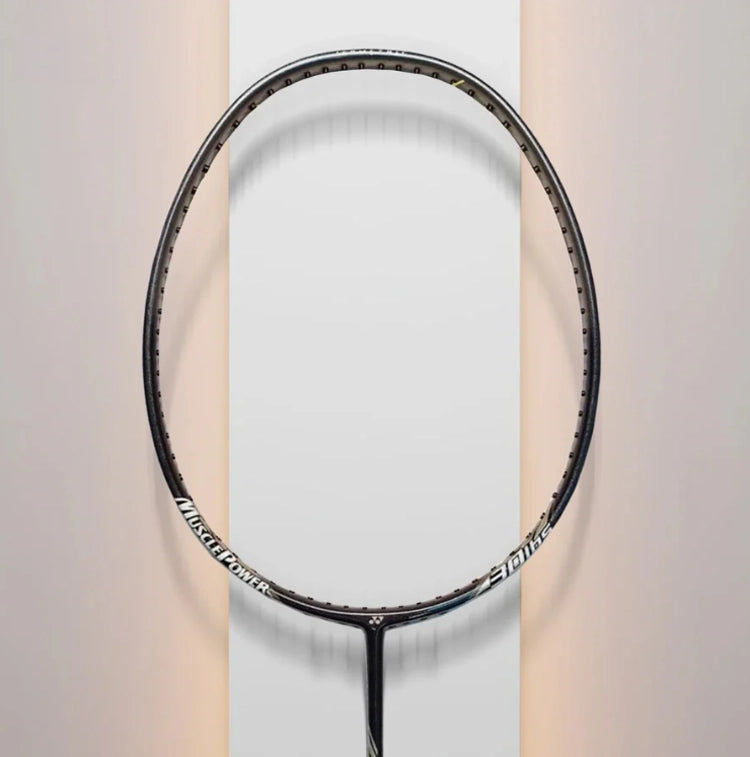
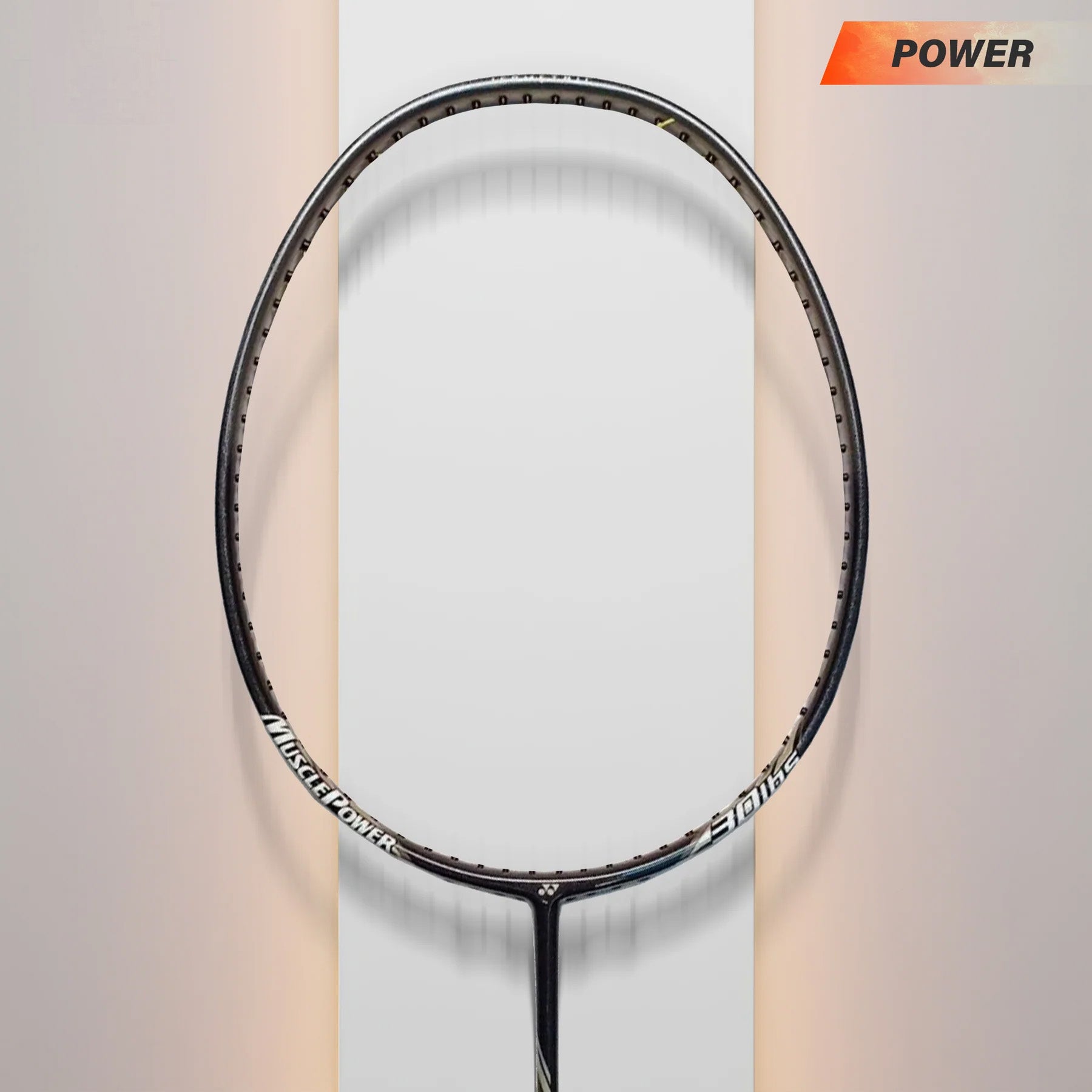
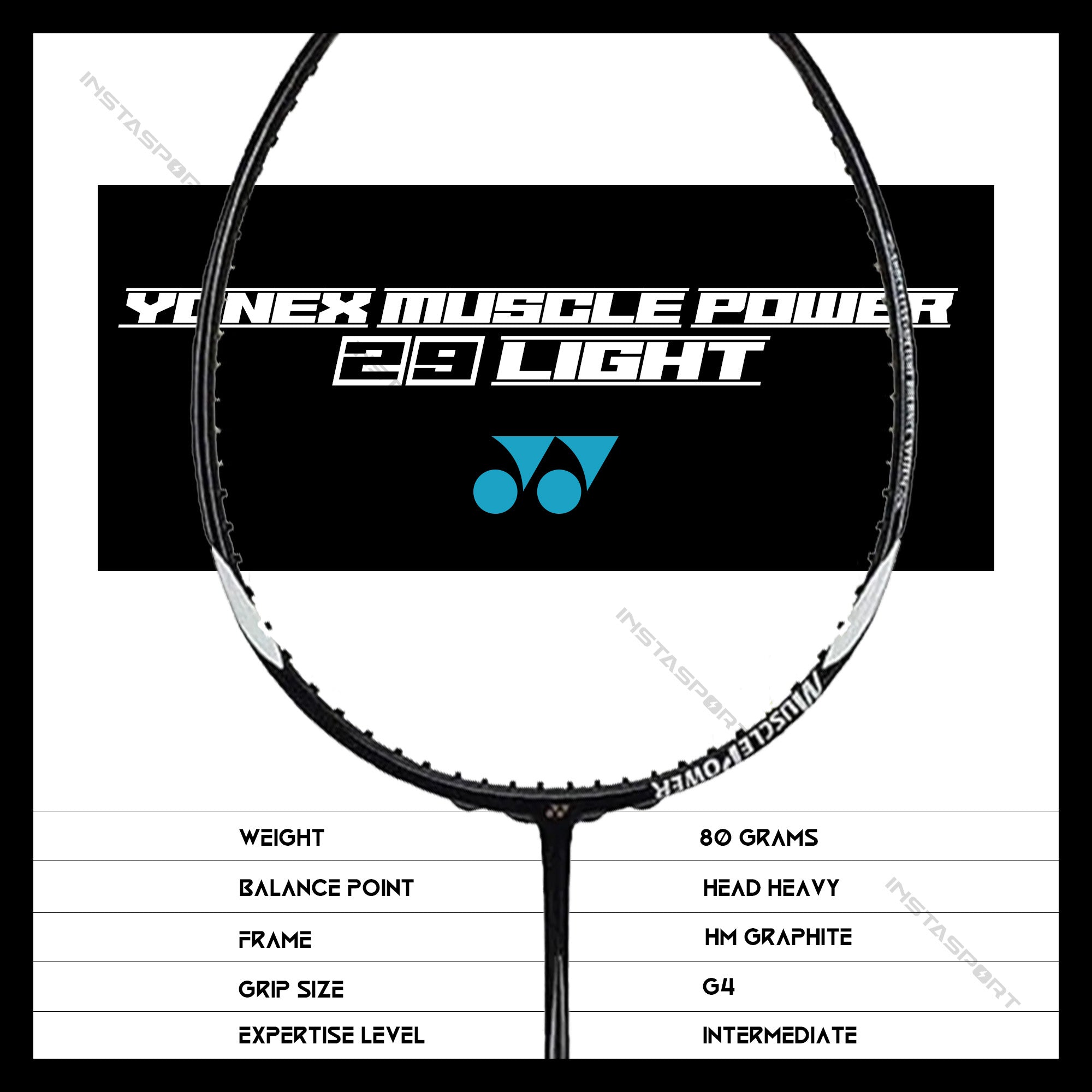
| Racquet | Lightweight and made of composite materials like graphite or titanium. It weighs between 110-170 grams. | Opt for a lighter racquet for better maneuverability. |
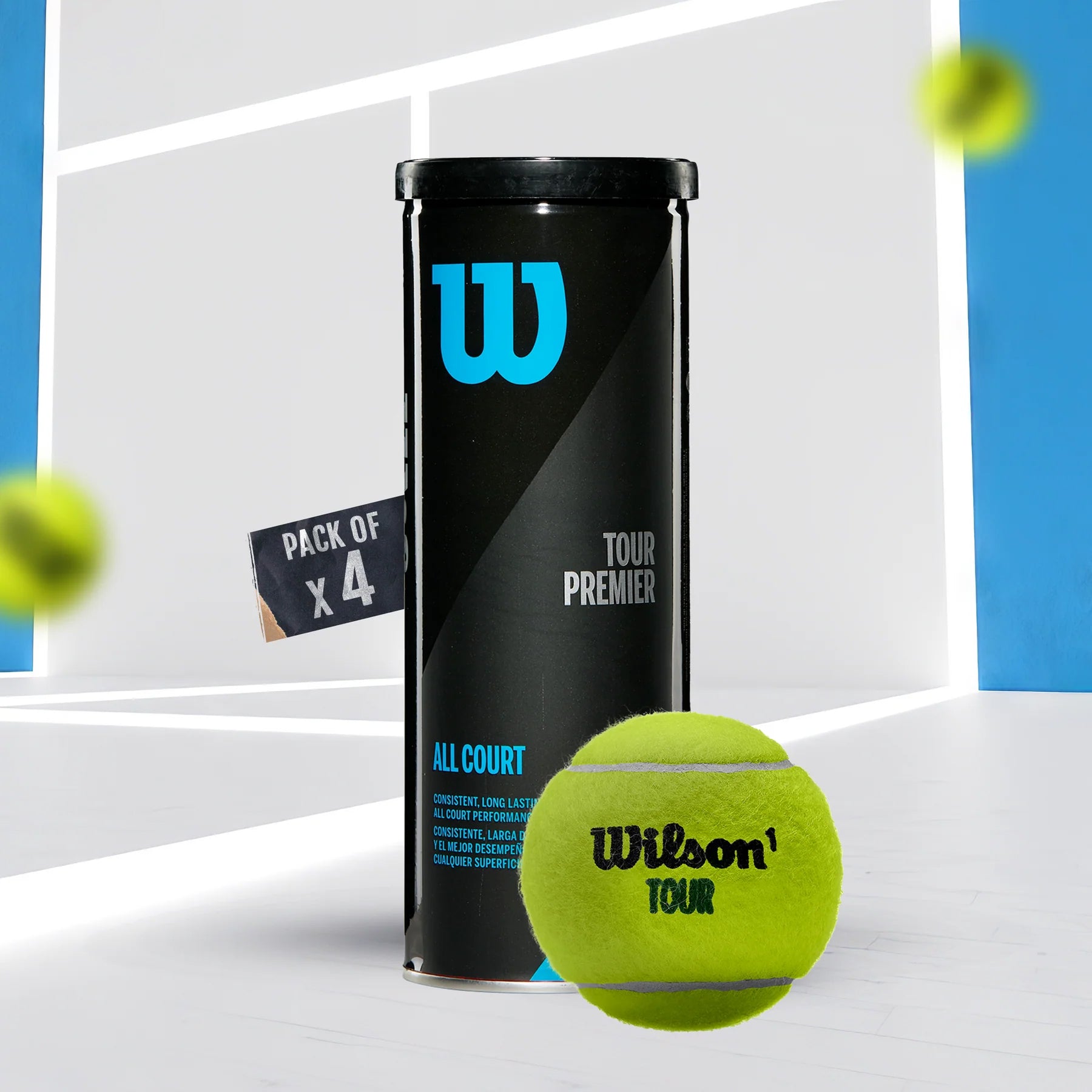
| Ball | Squash balls are made of rubber and come in various colors to indicate speed and bounce levels. | Start with a red dot ball which bounces higher and is easier for beginners to play with. |
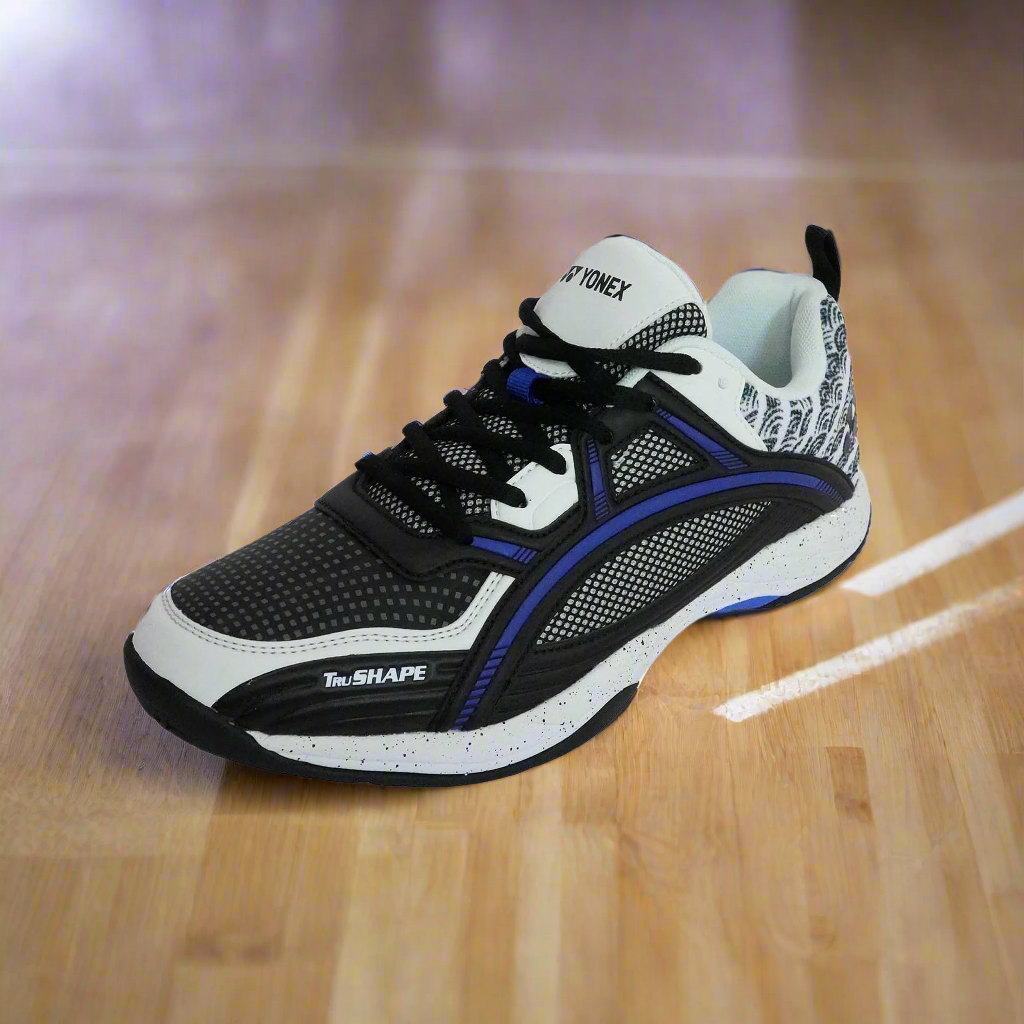
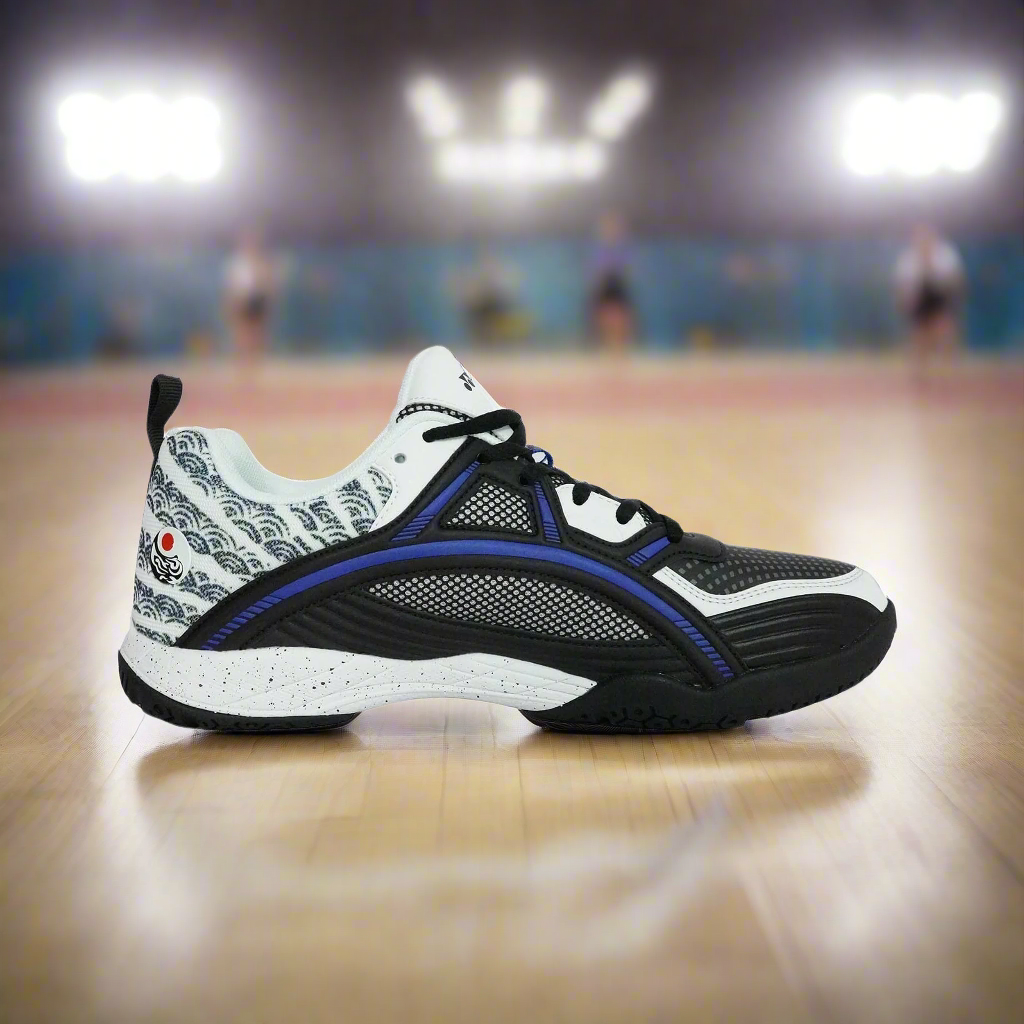
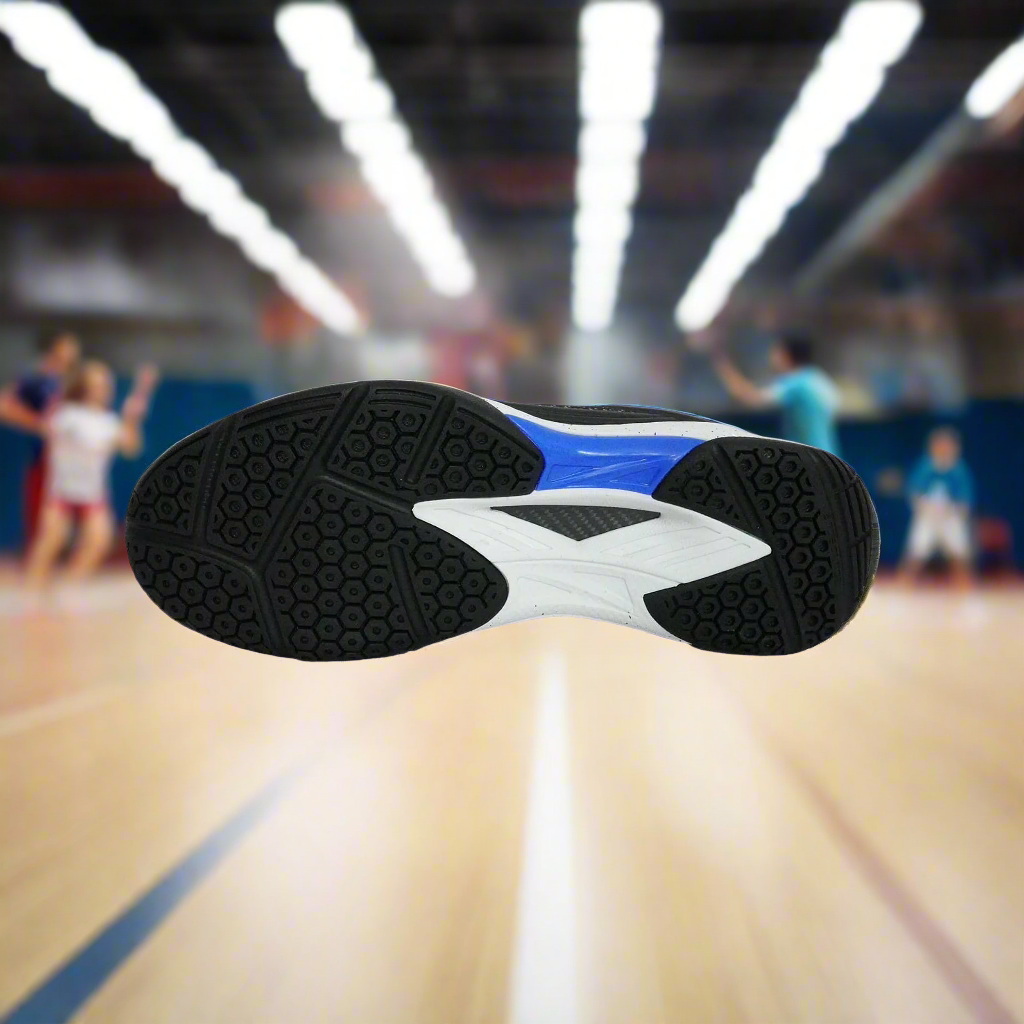
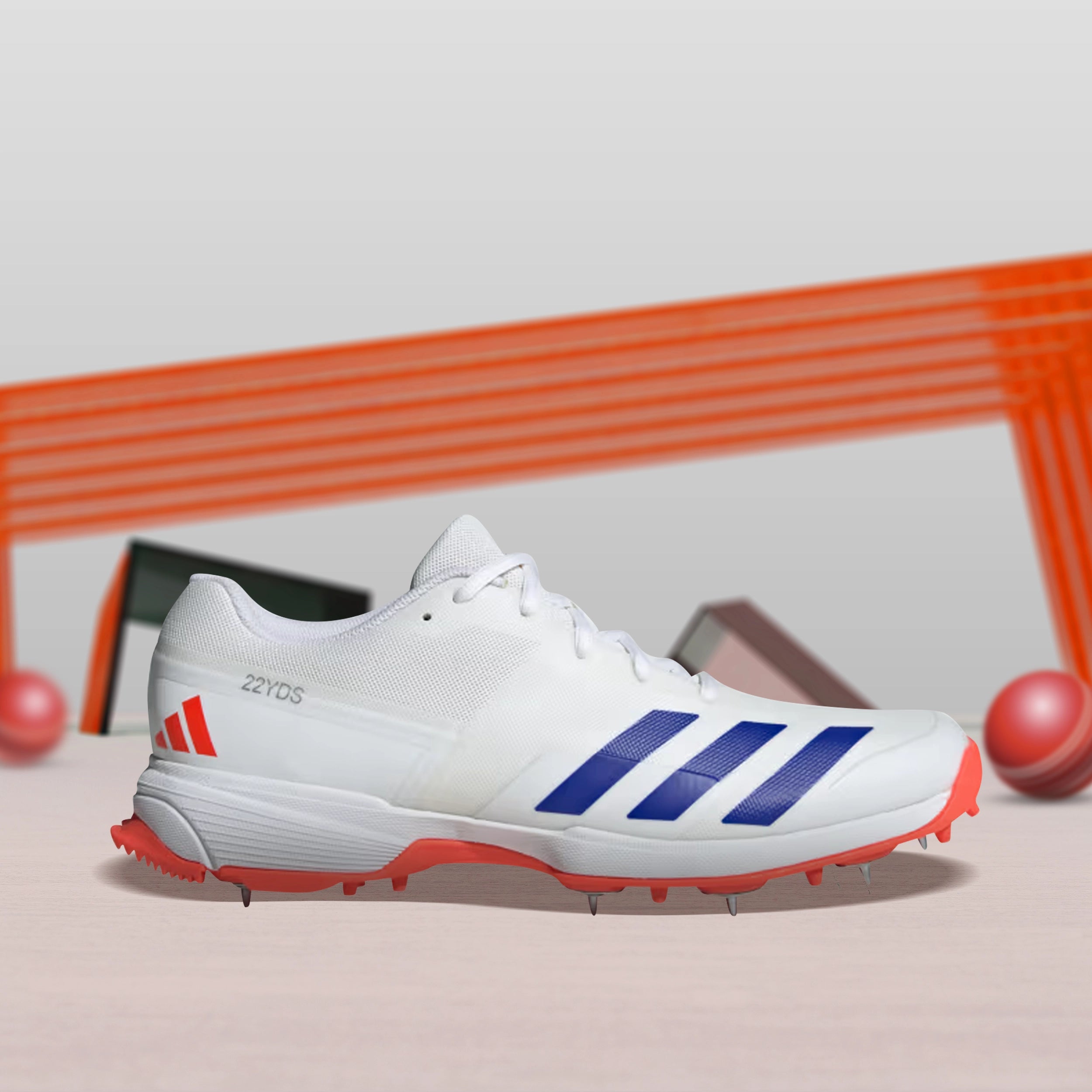
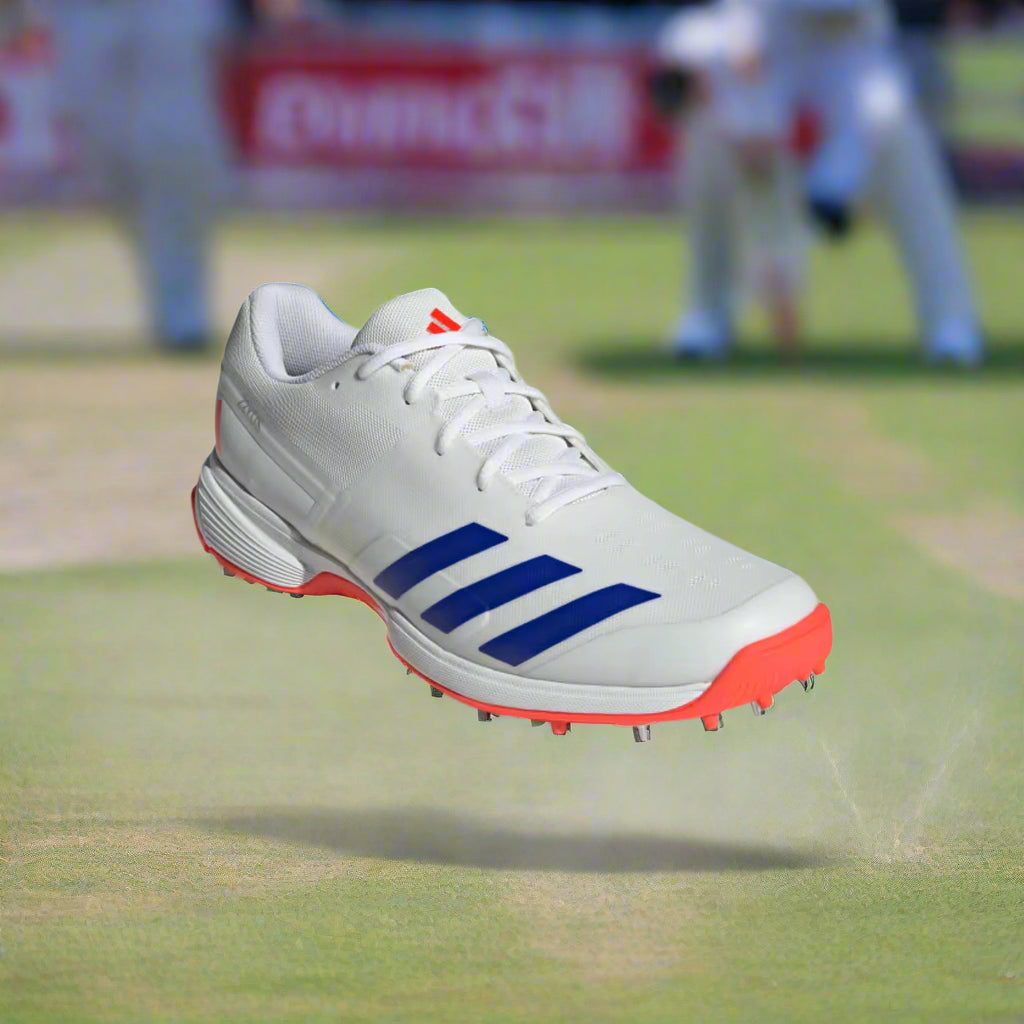
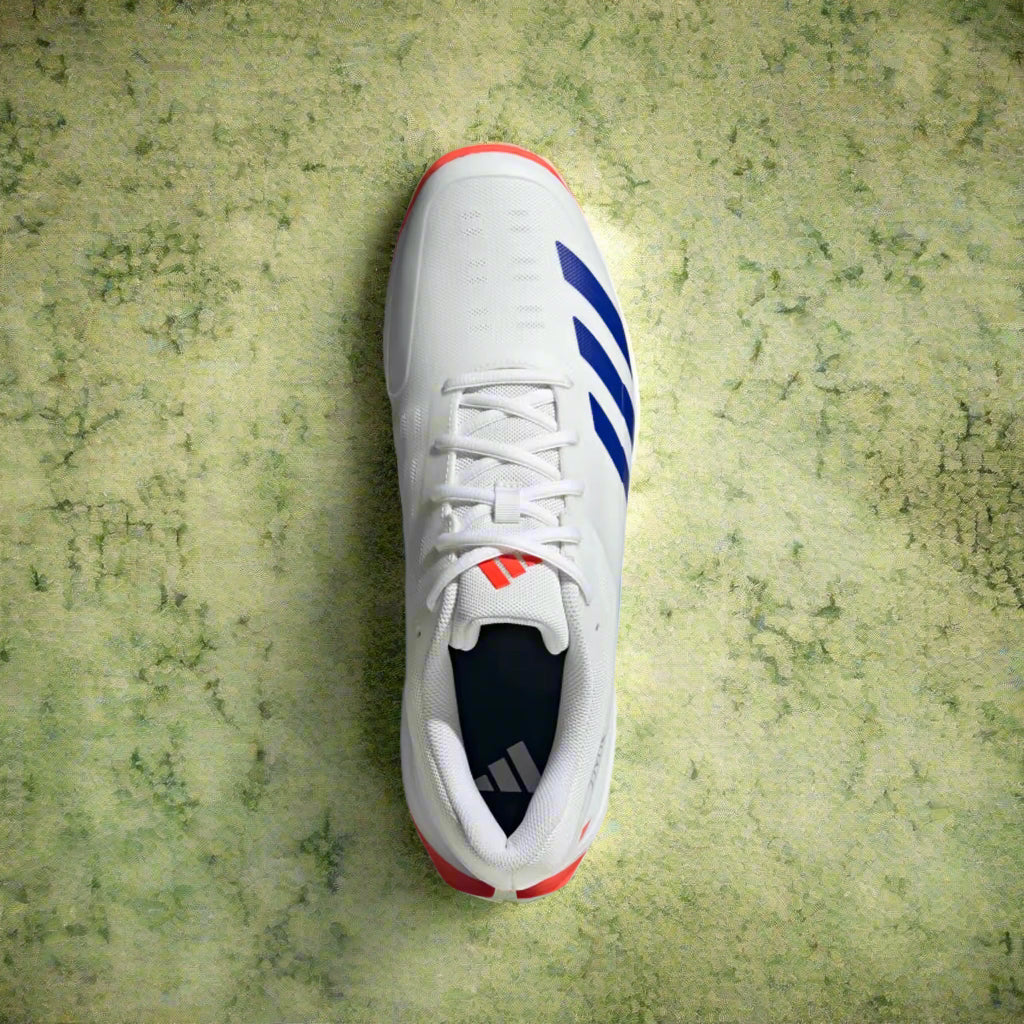
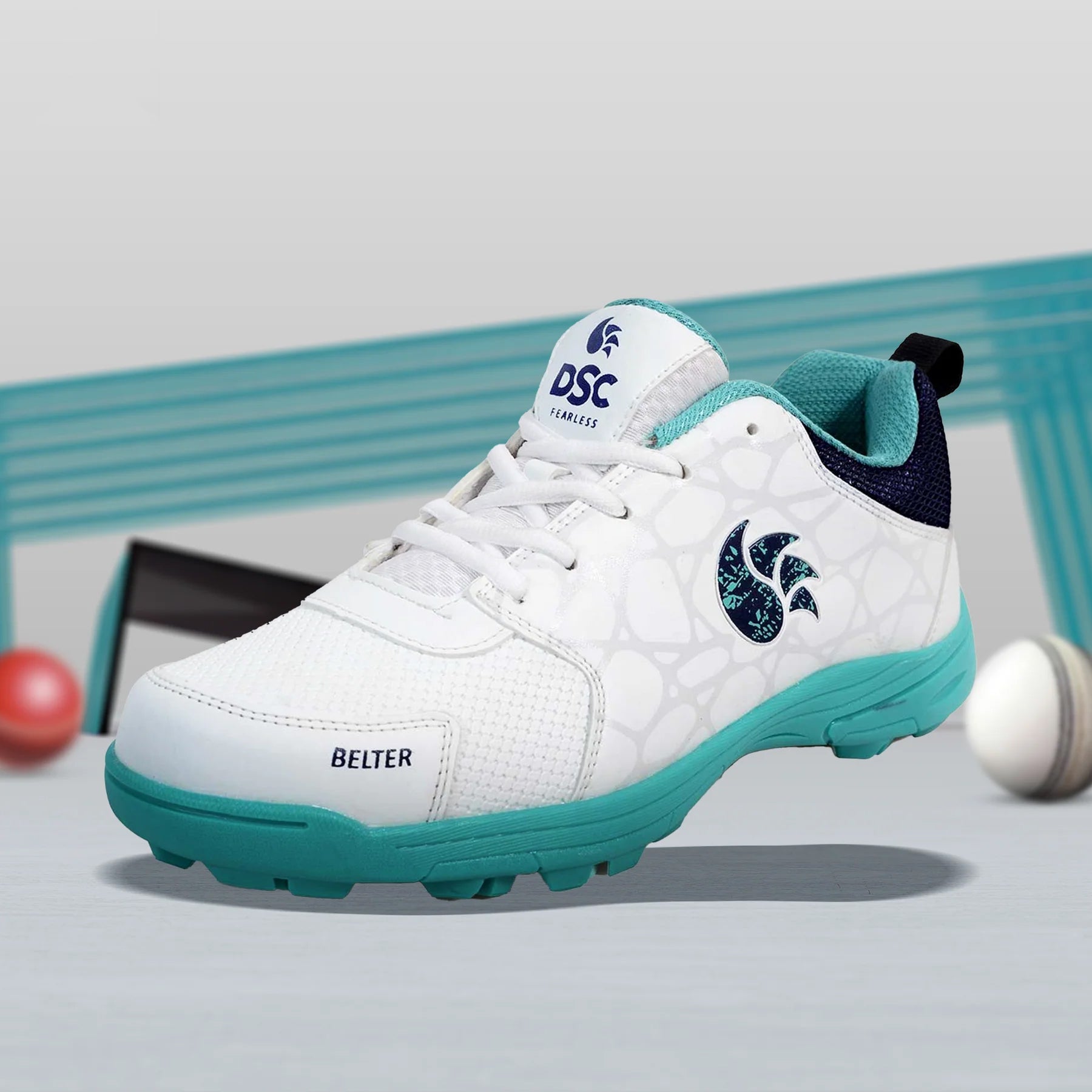
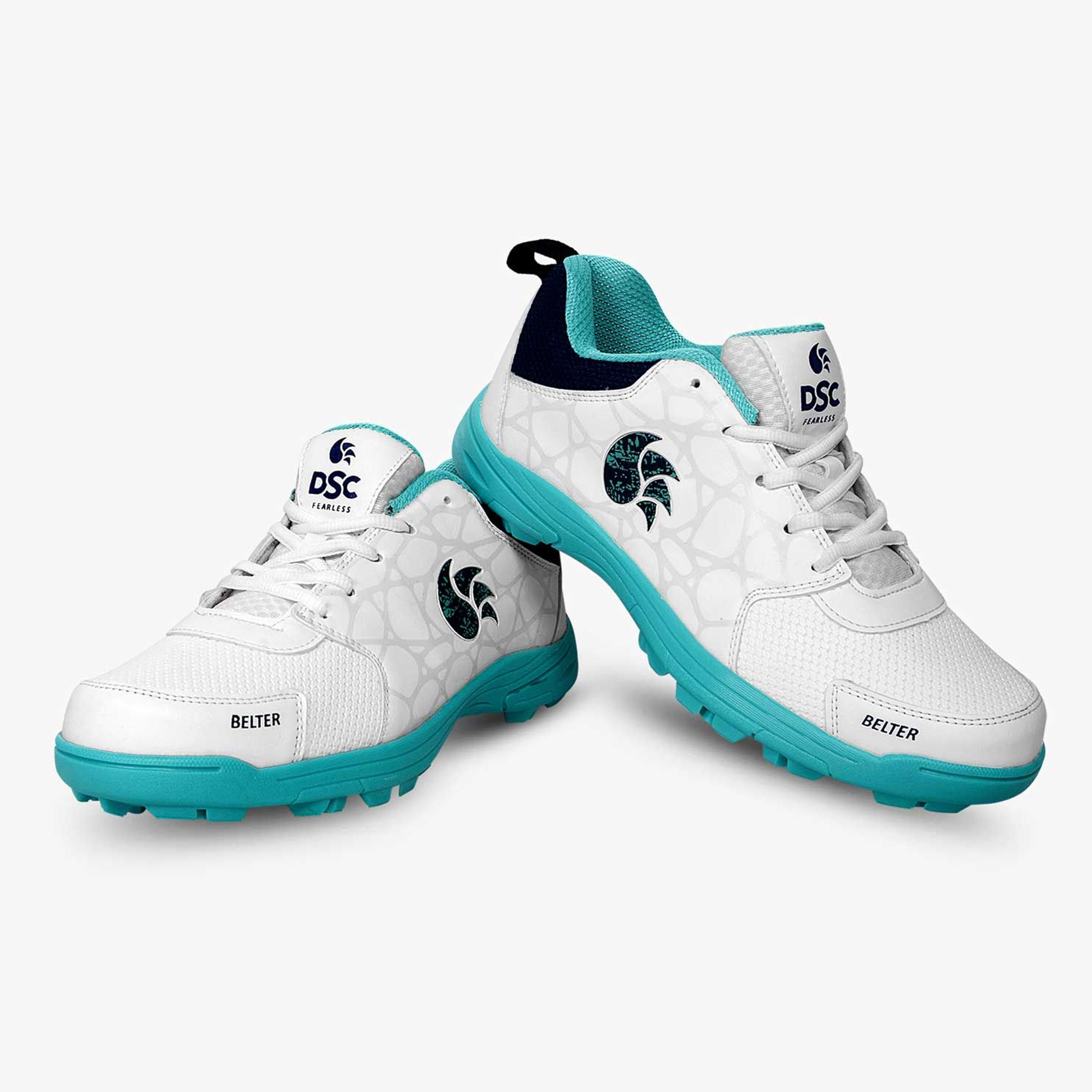
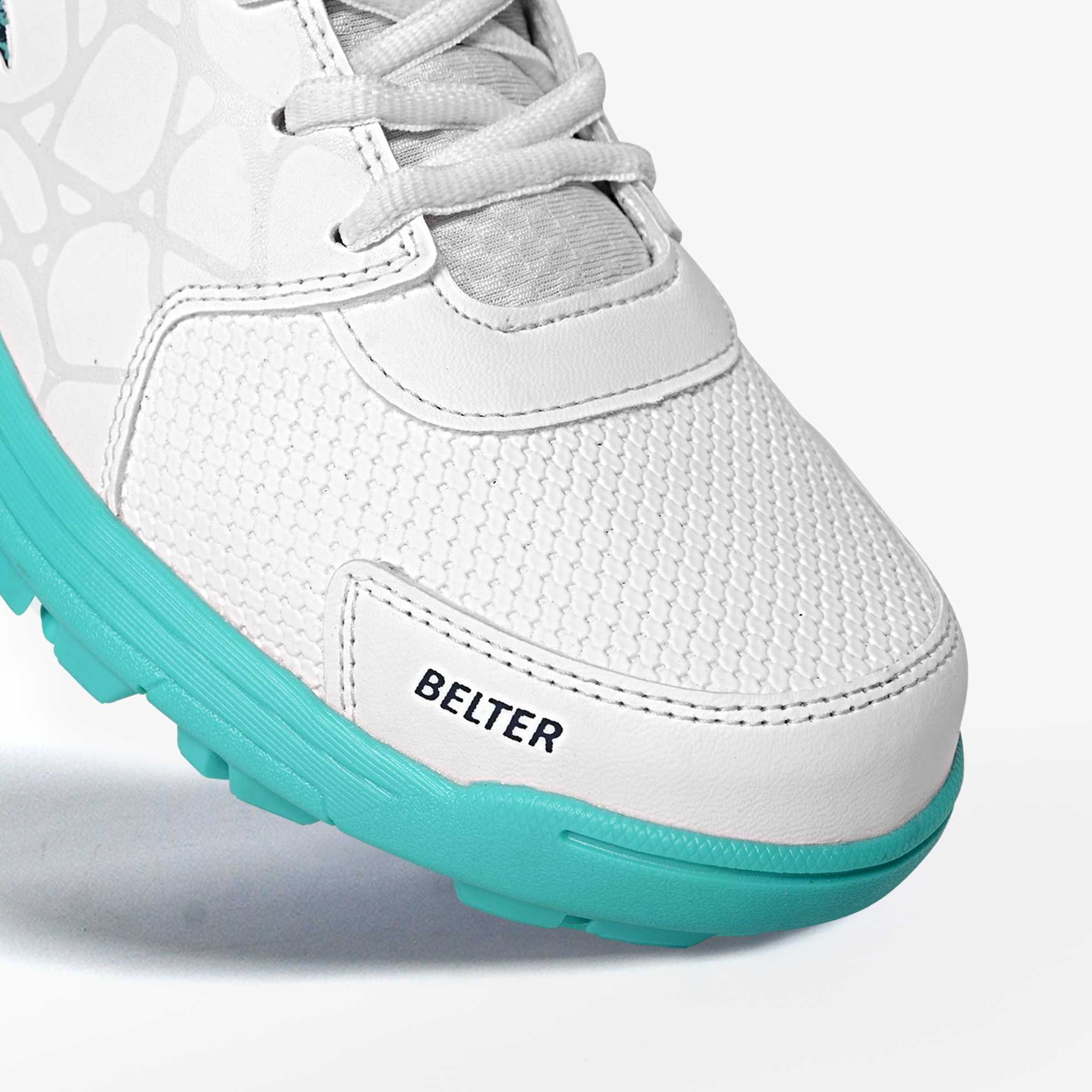
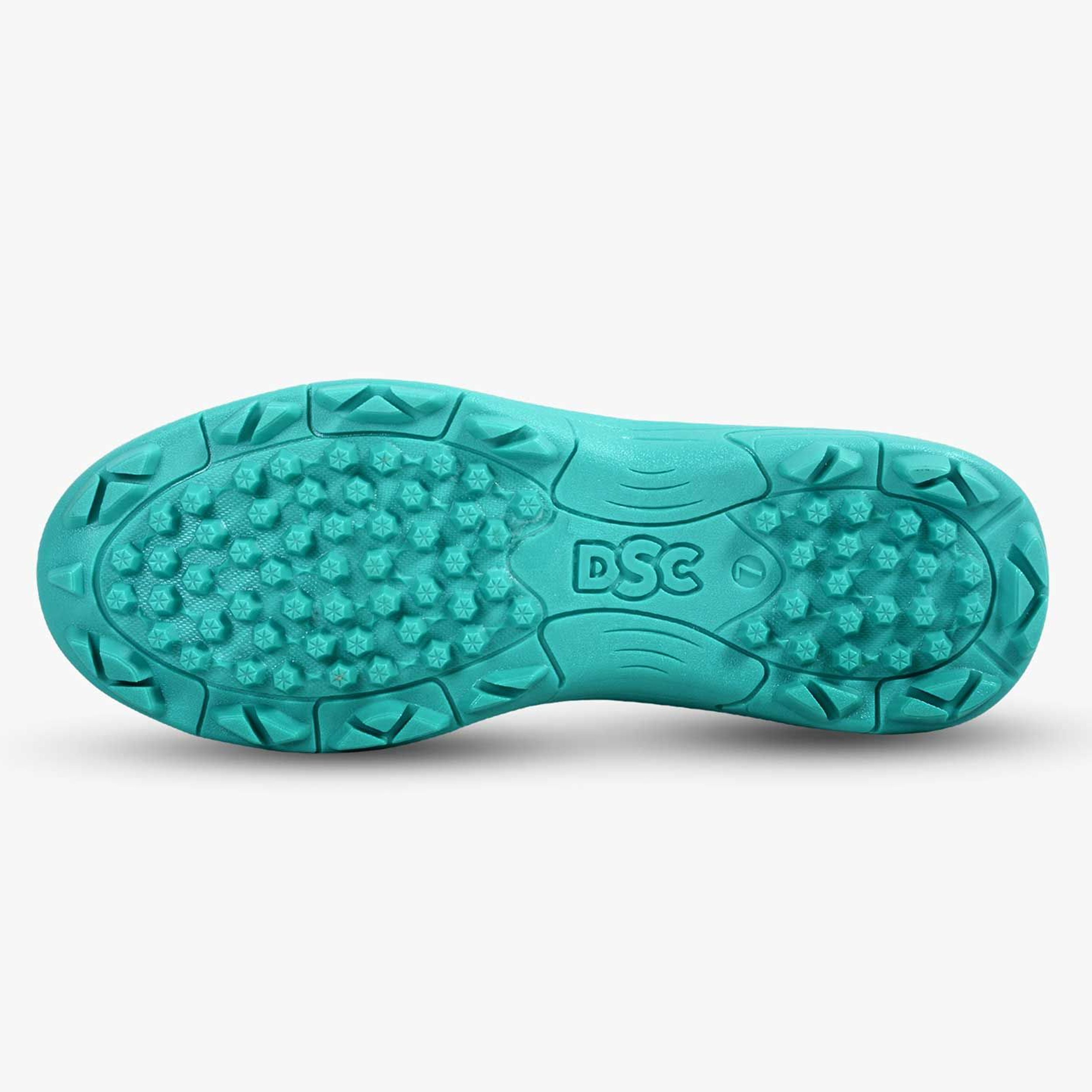
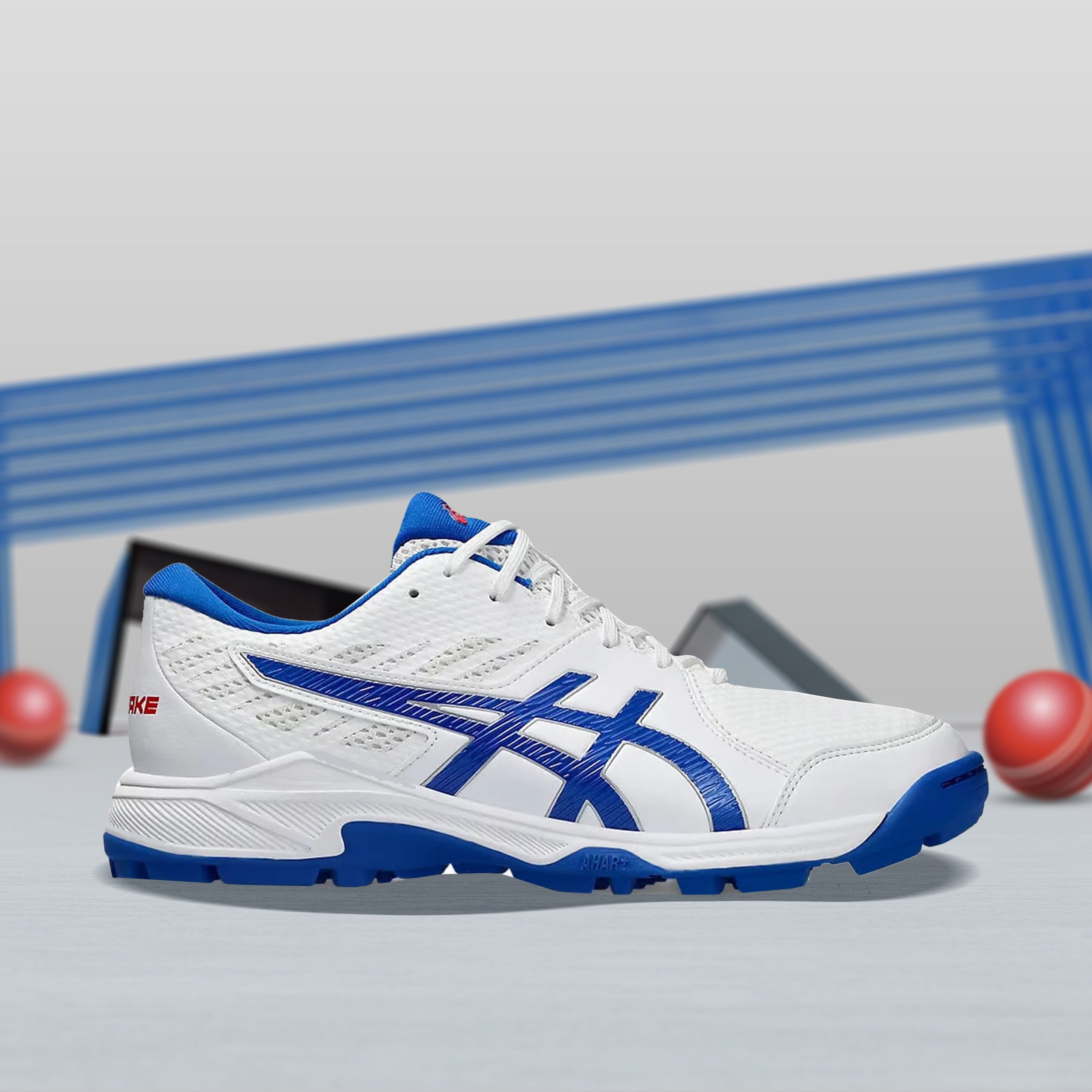
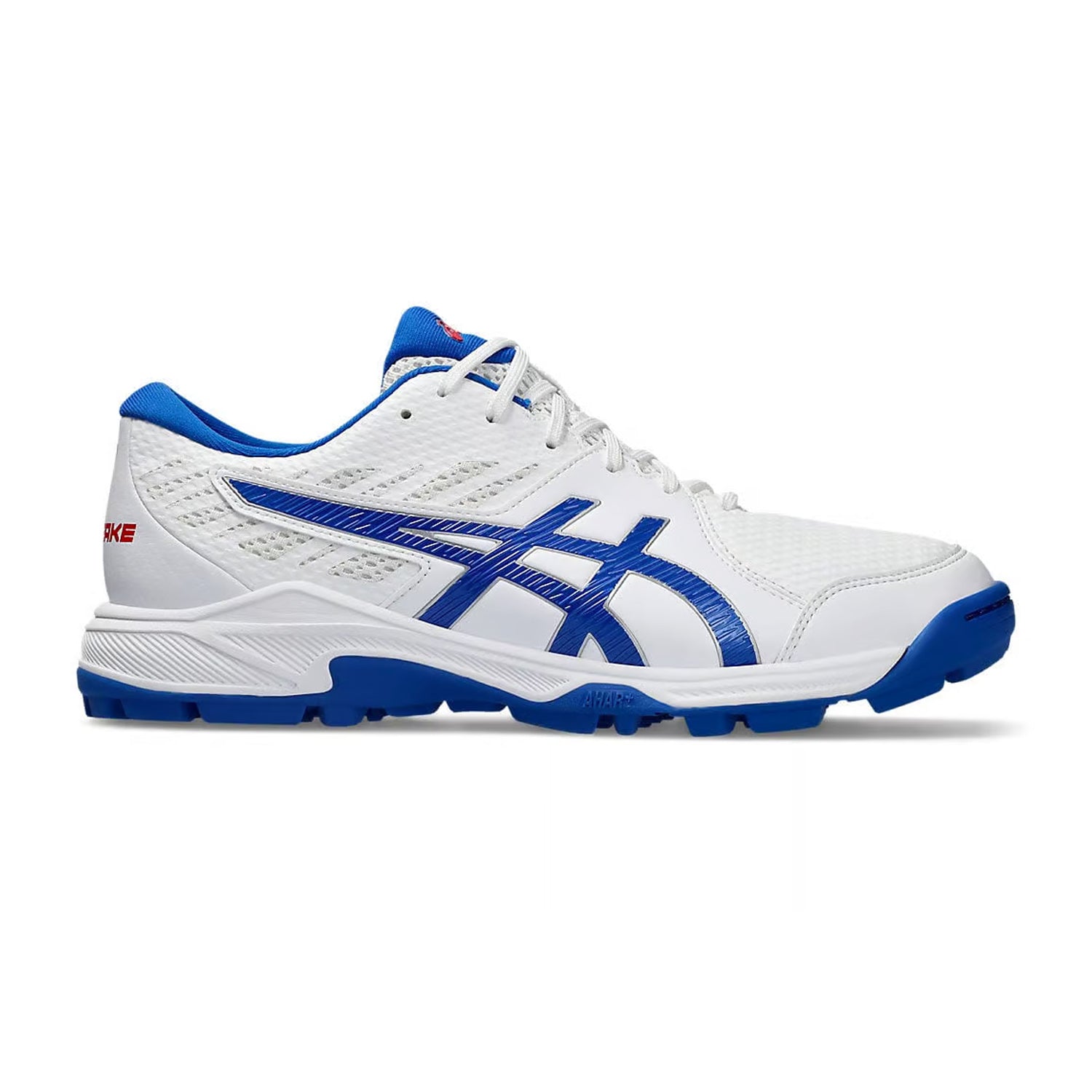
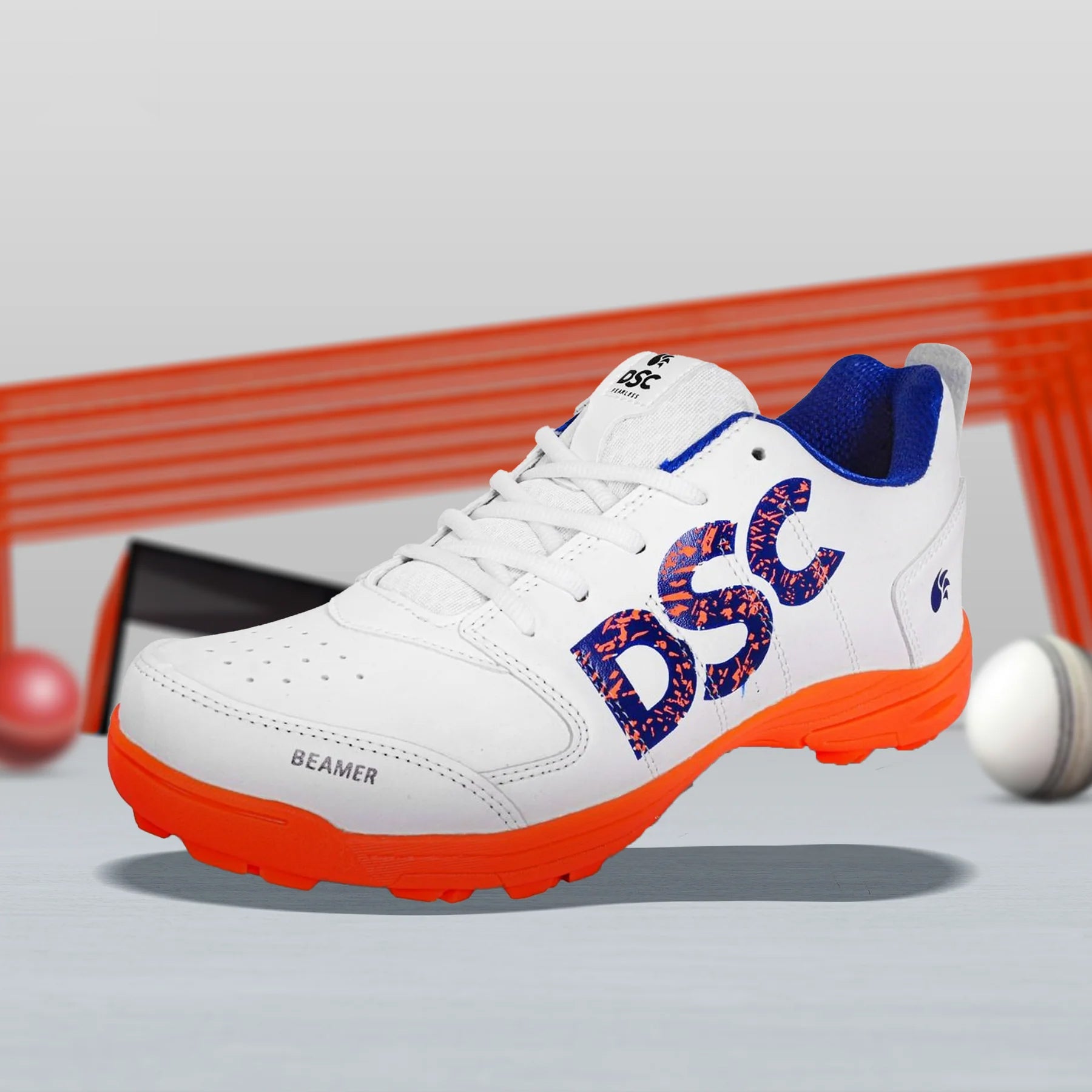
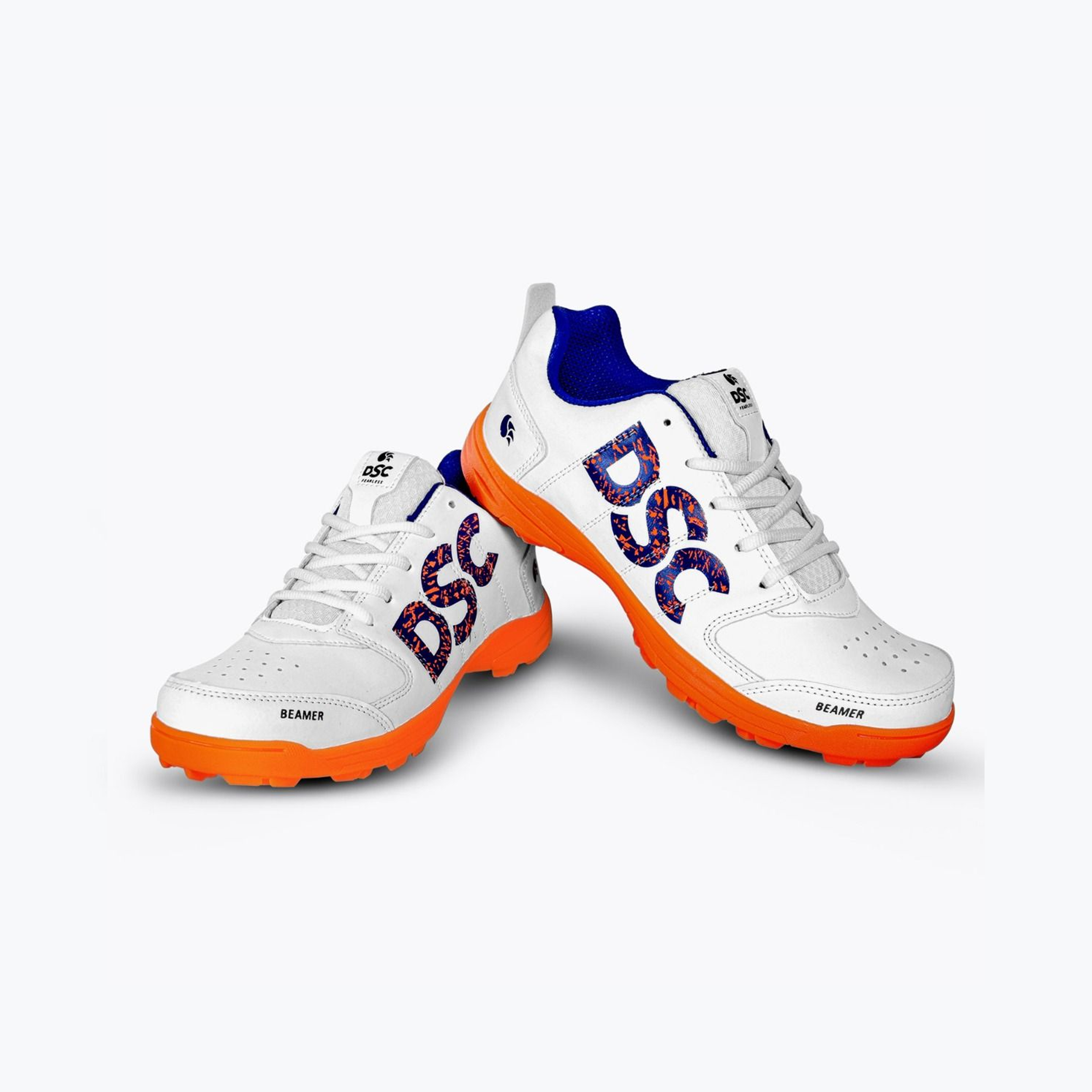
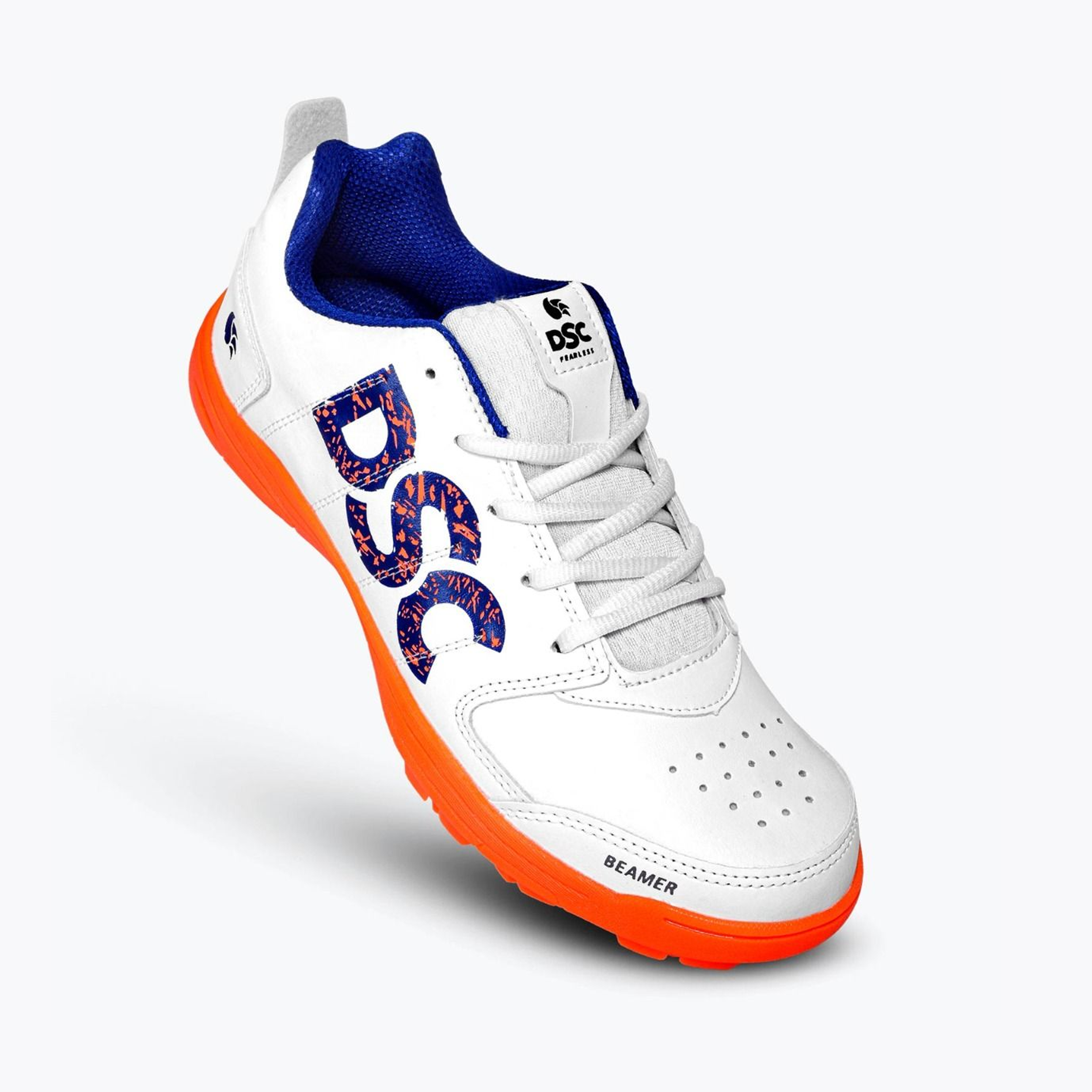
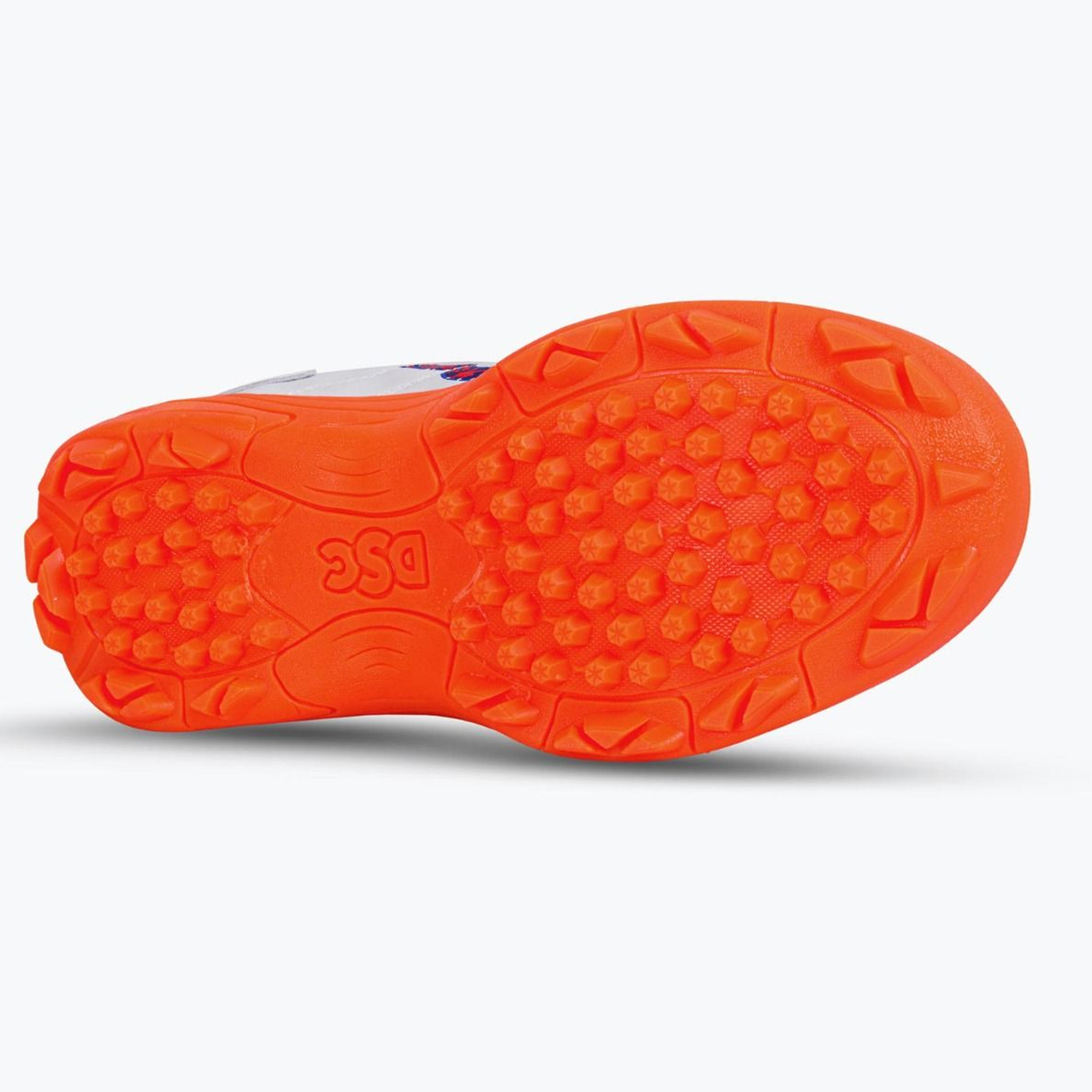
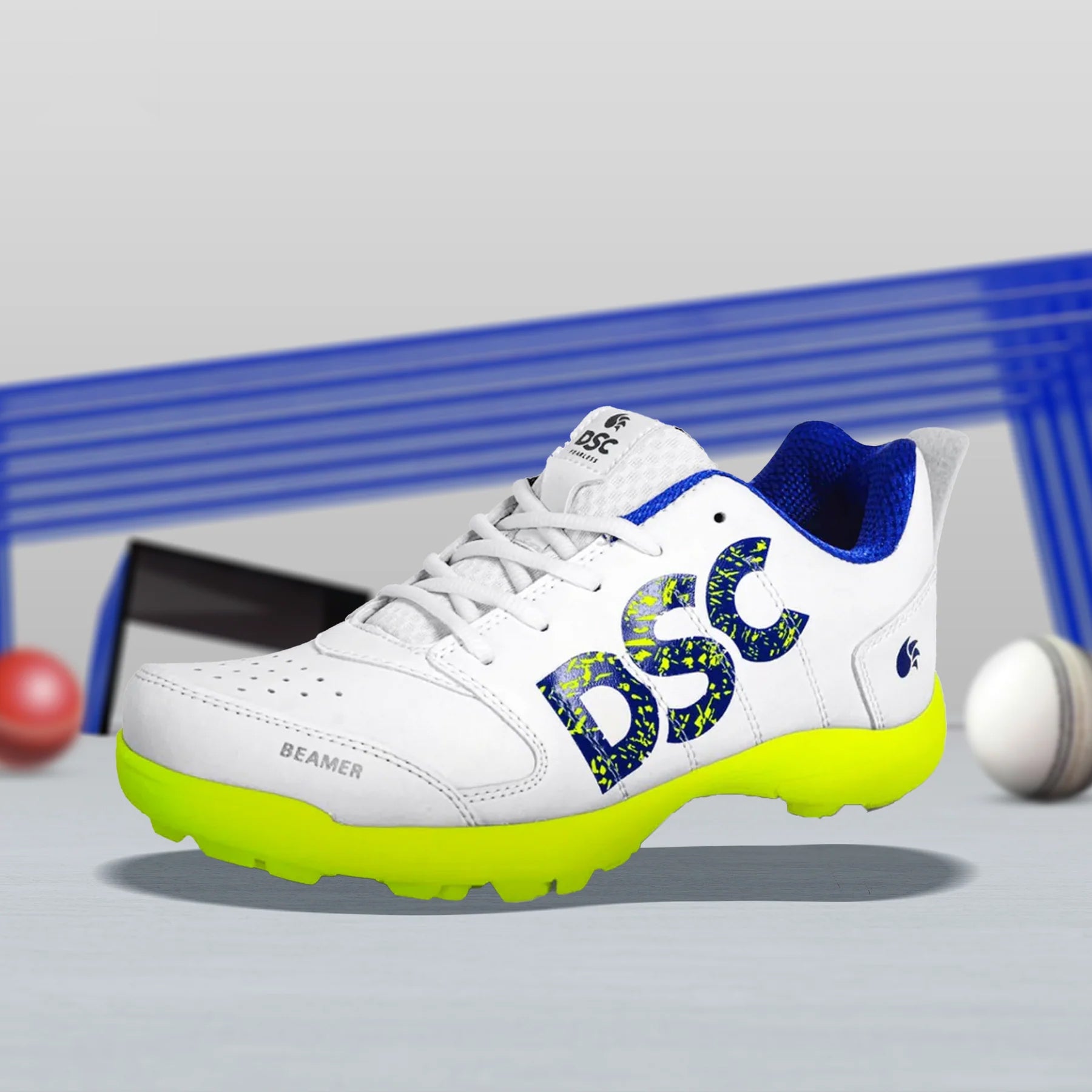
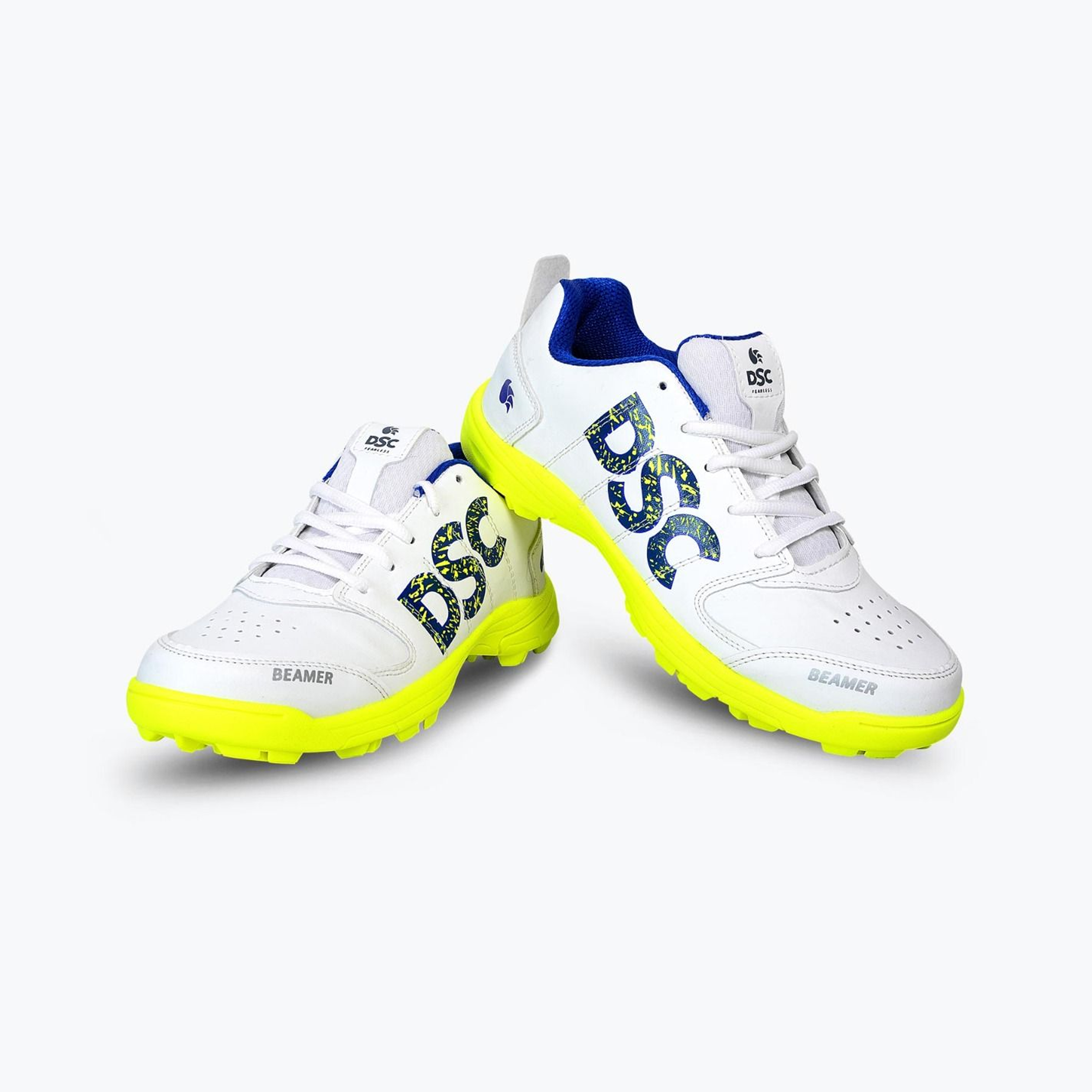
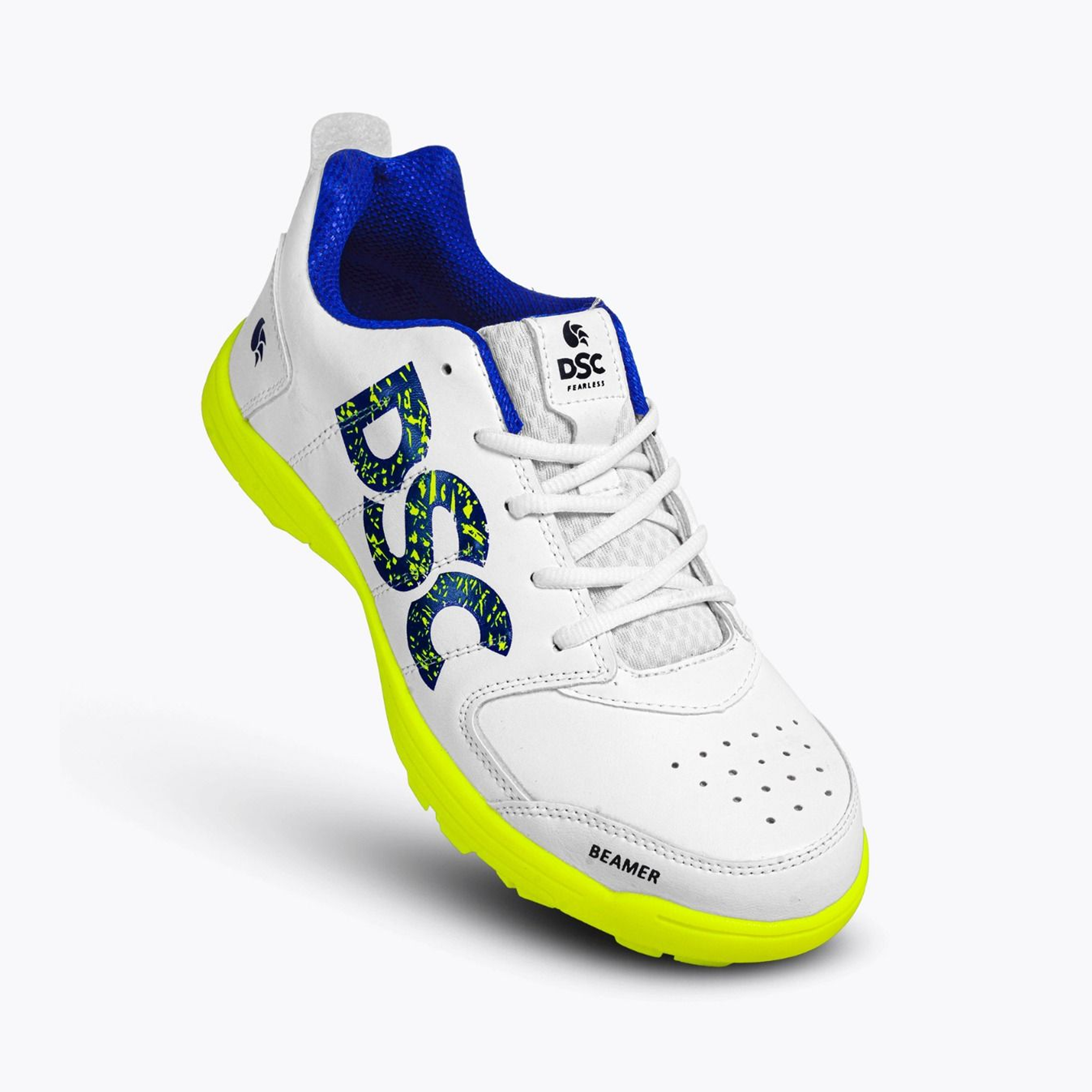
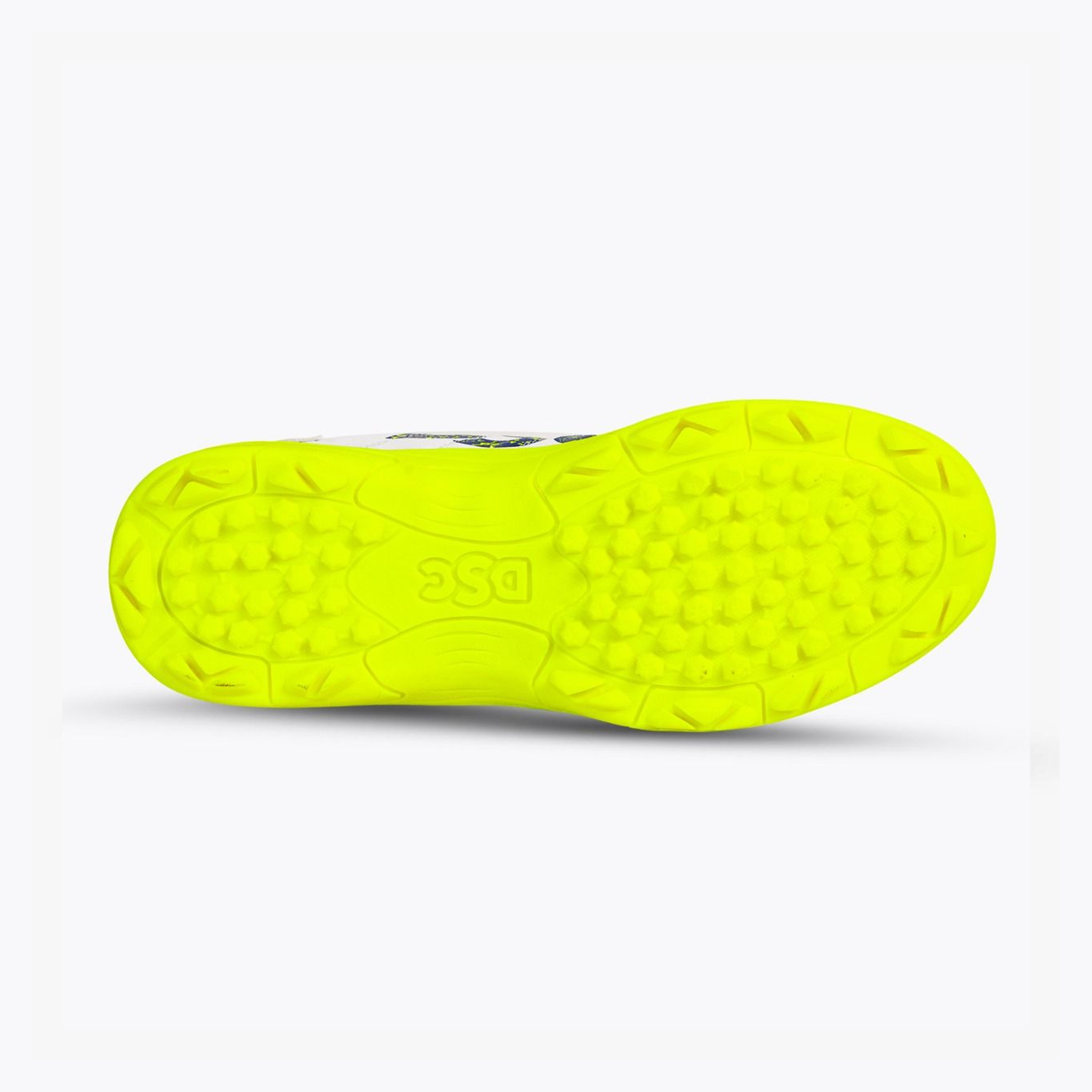
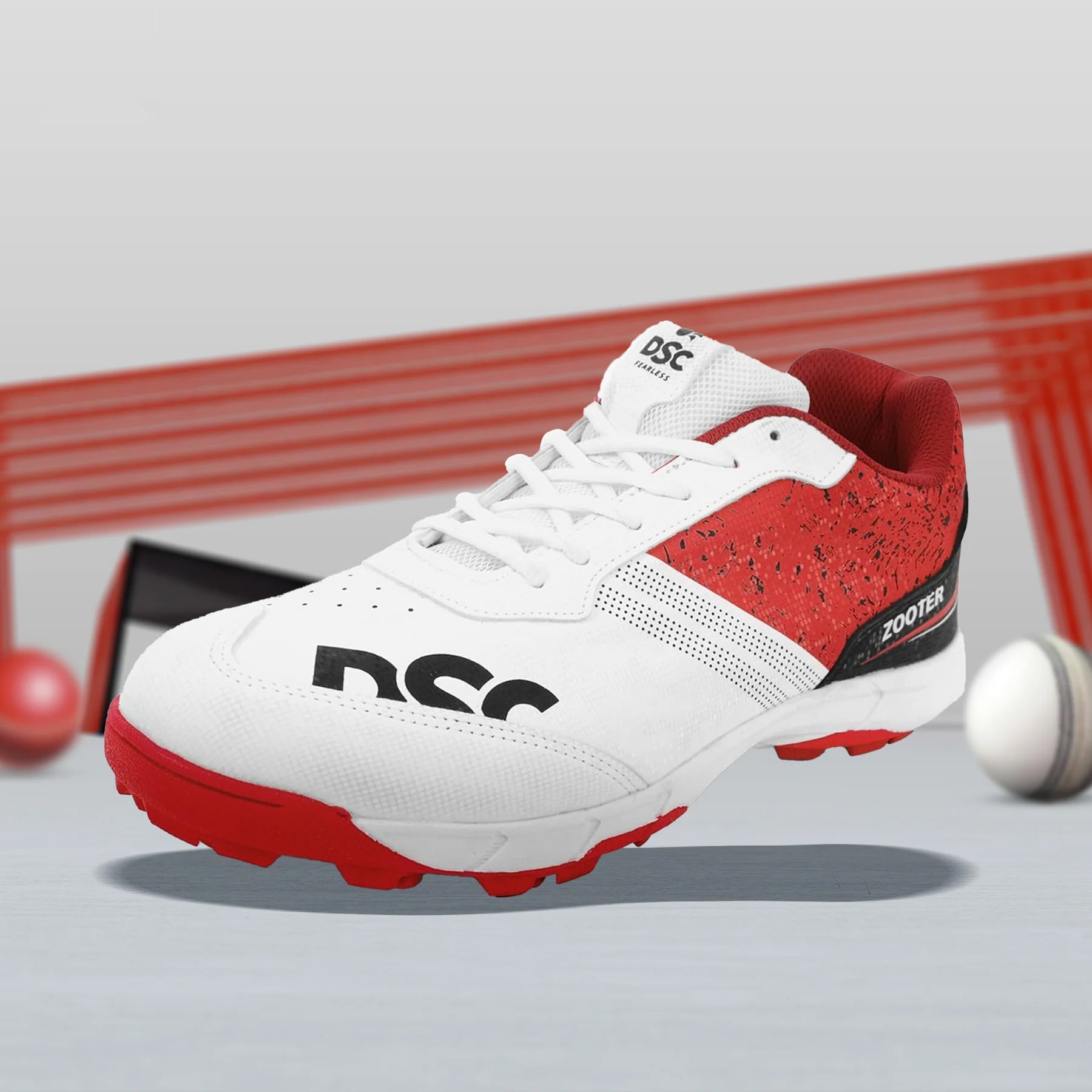
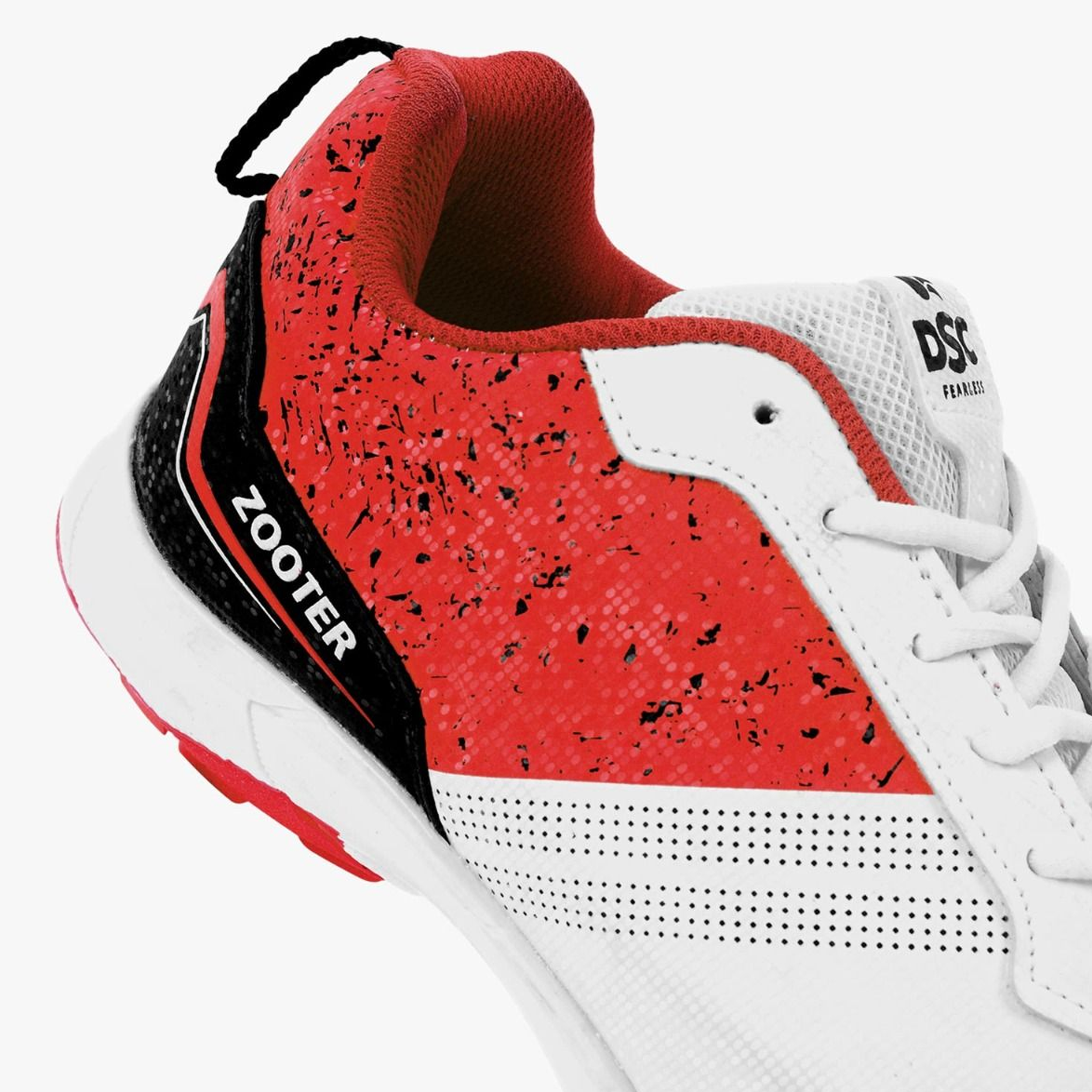
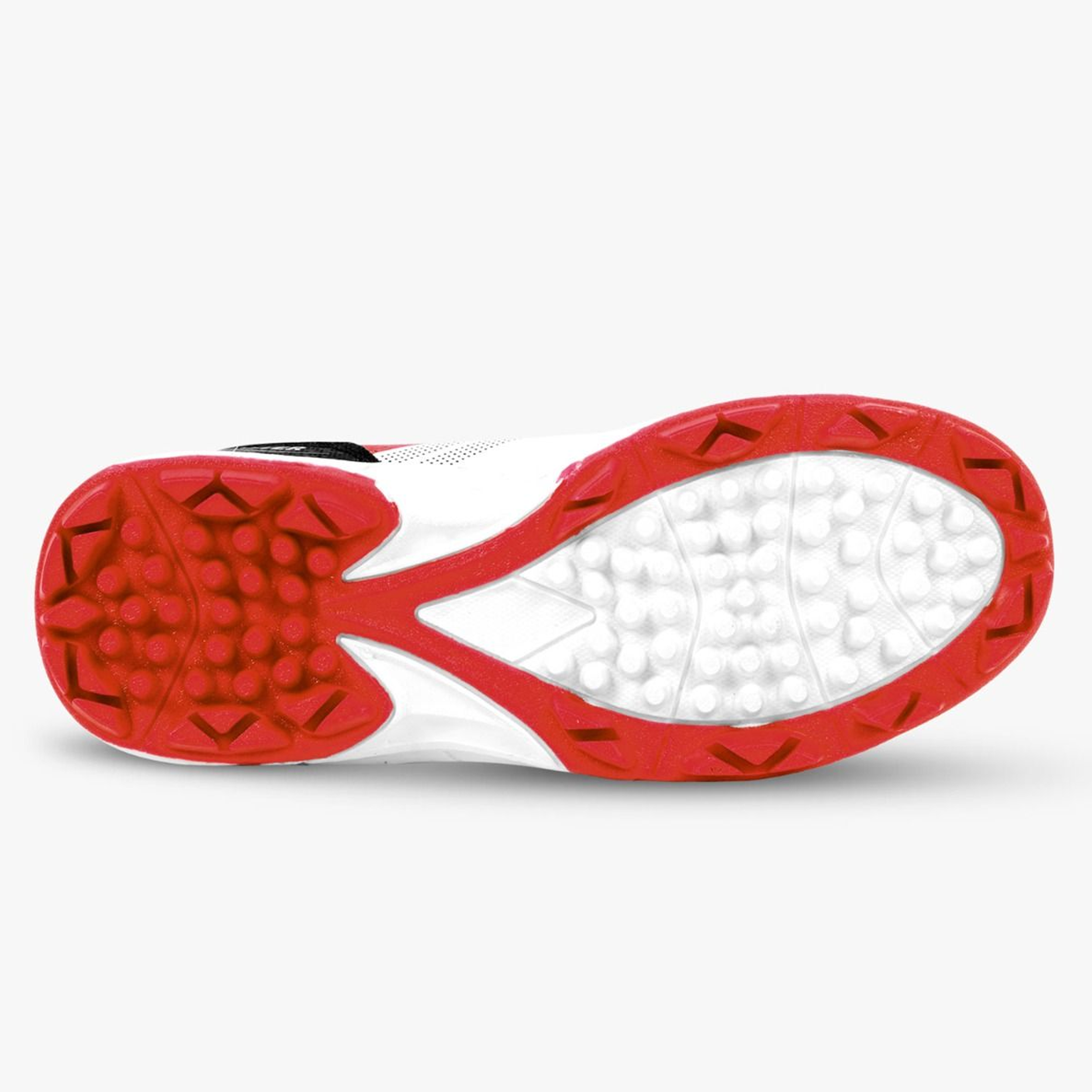
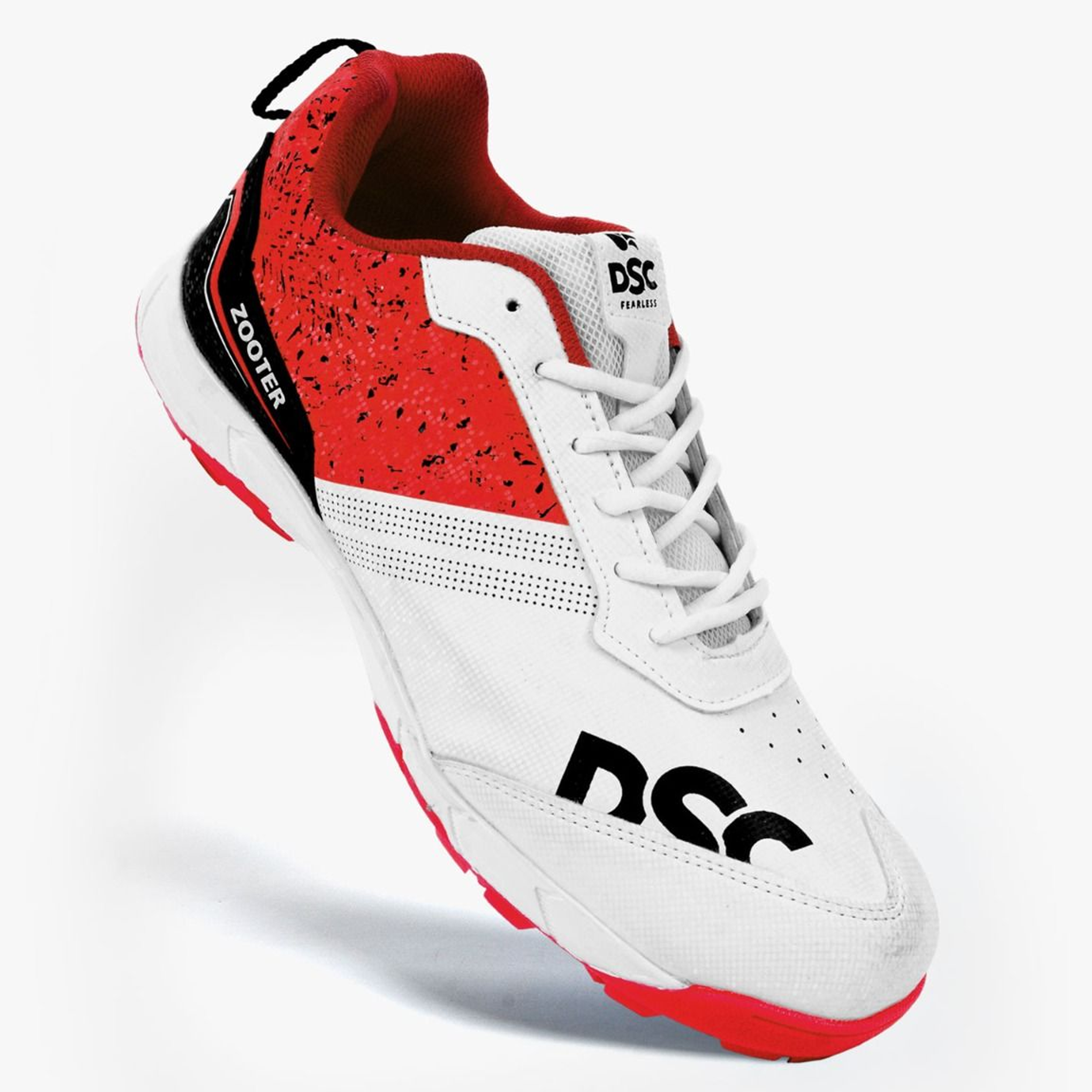
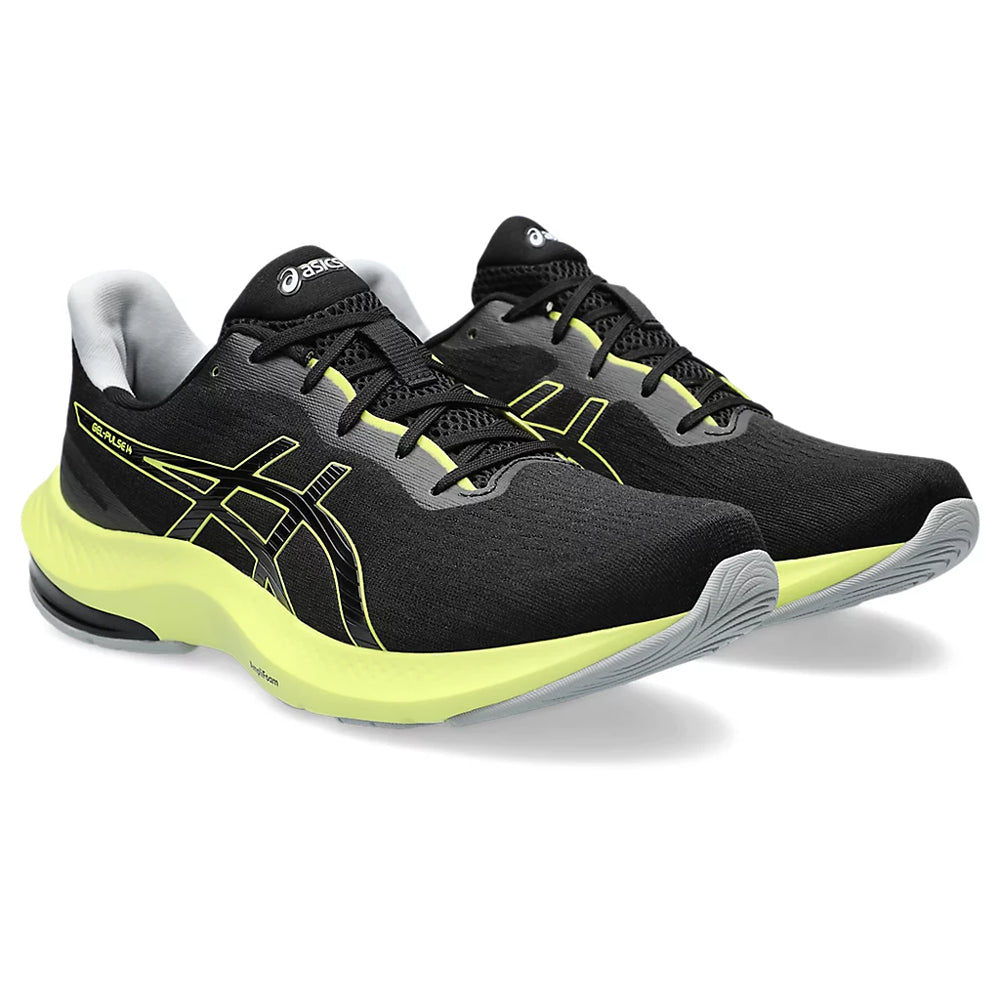
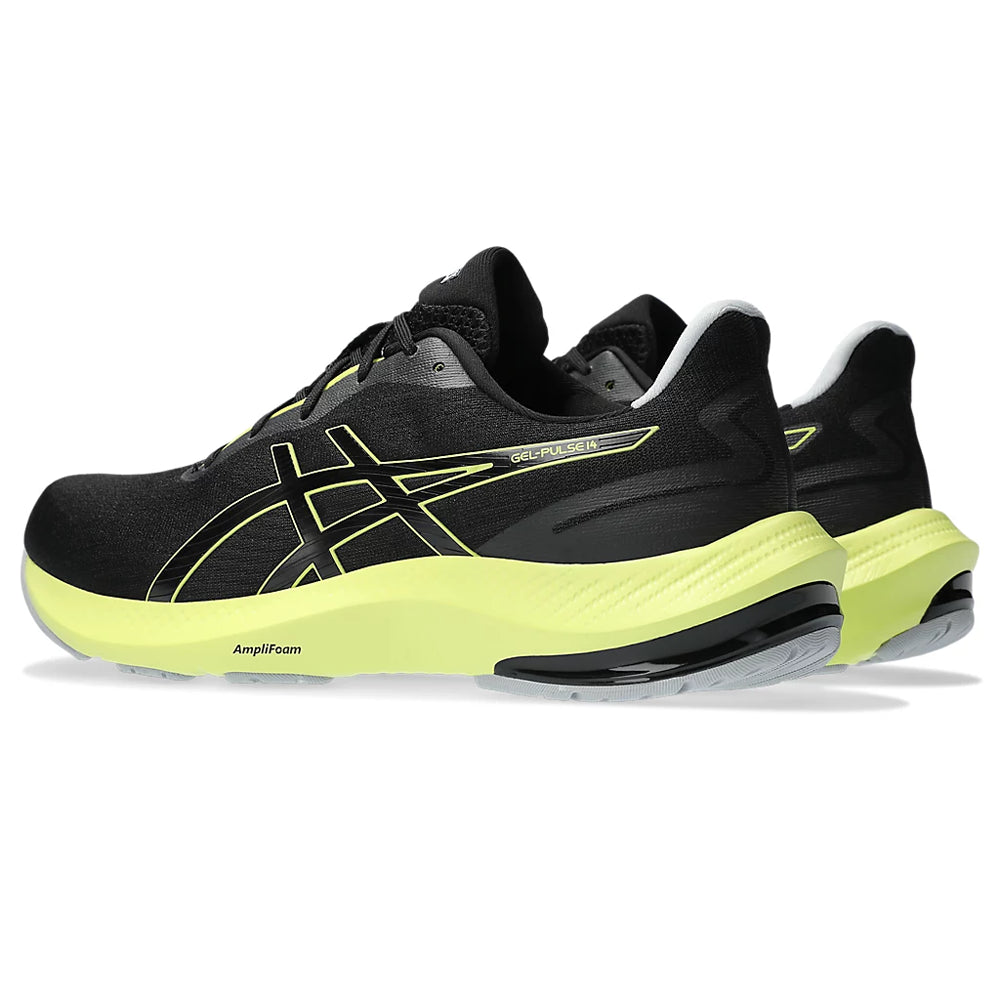
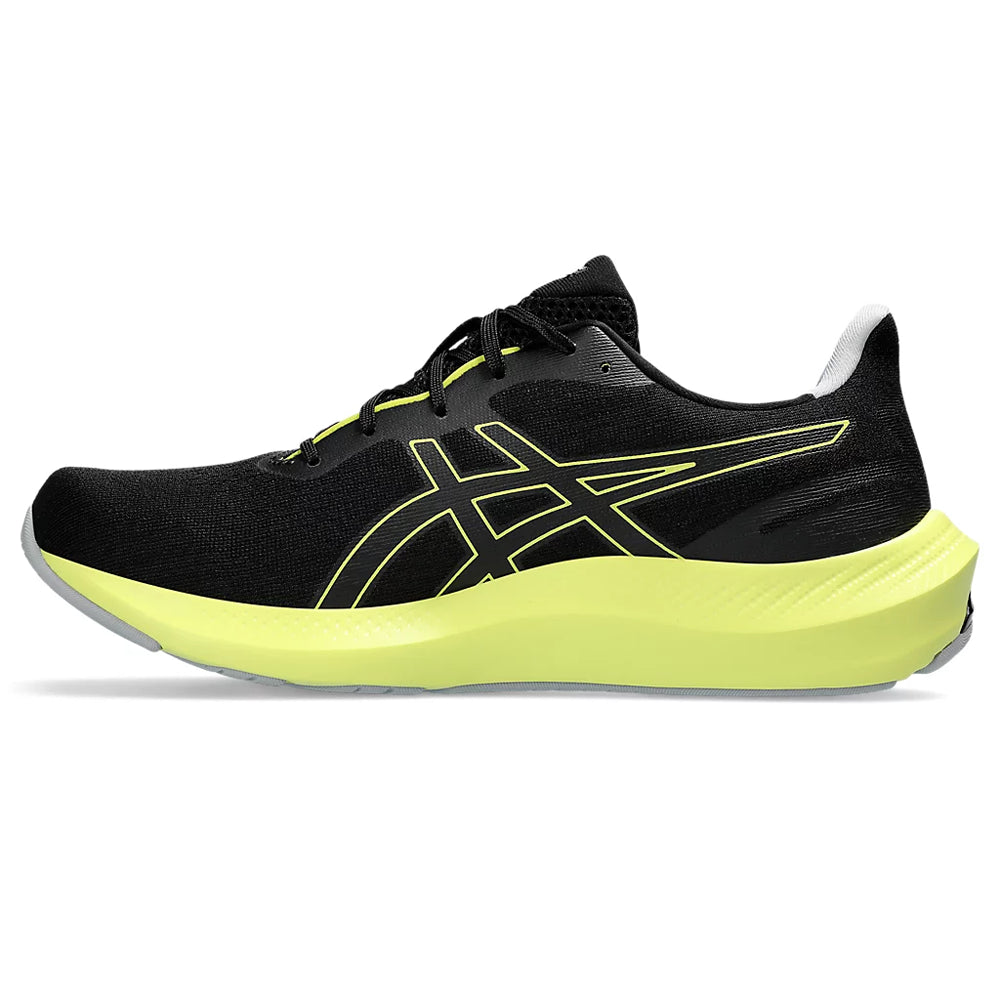
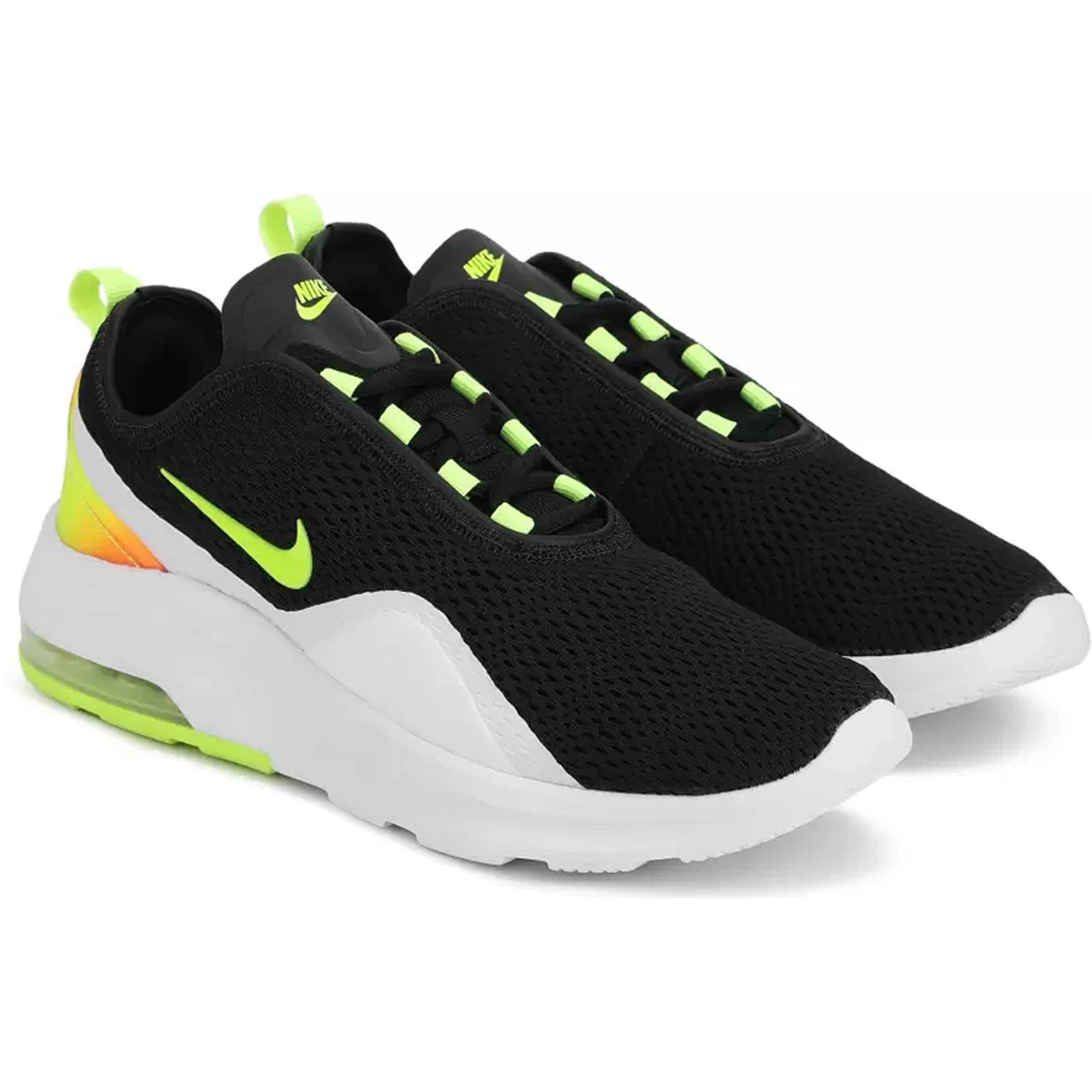
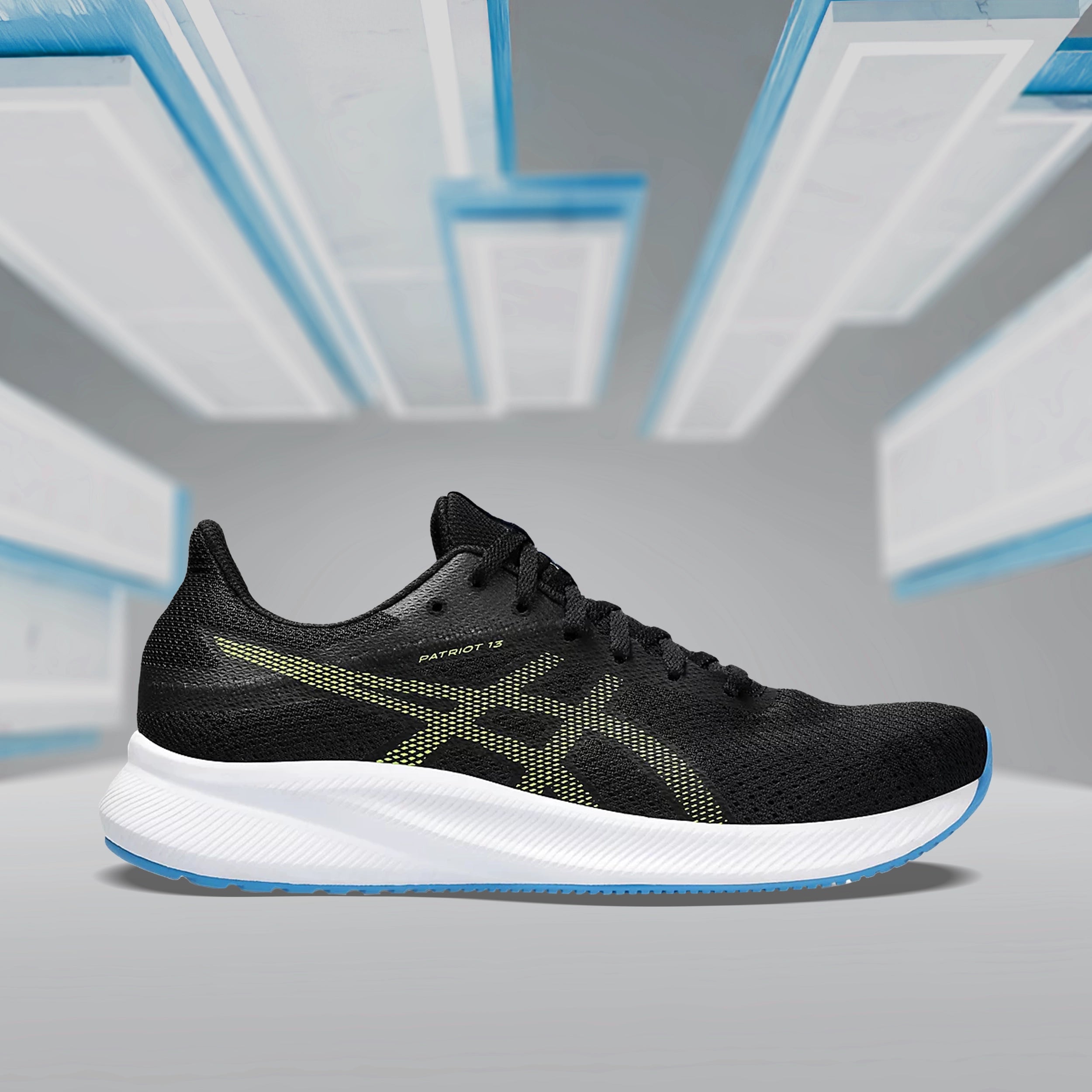
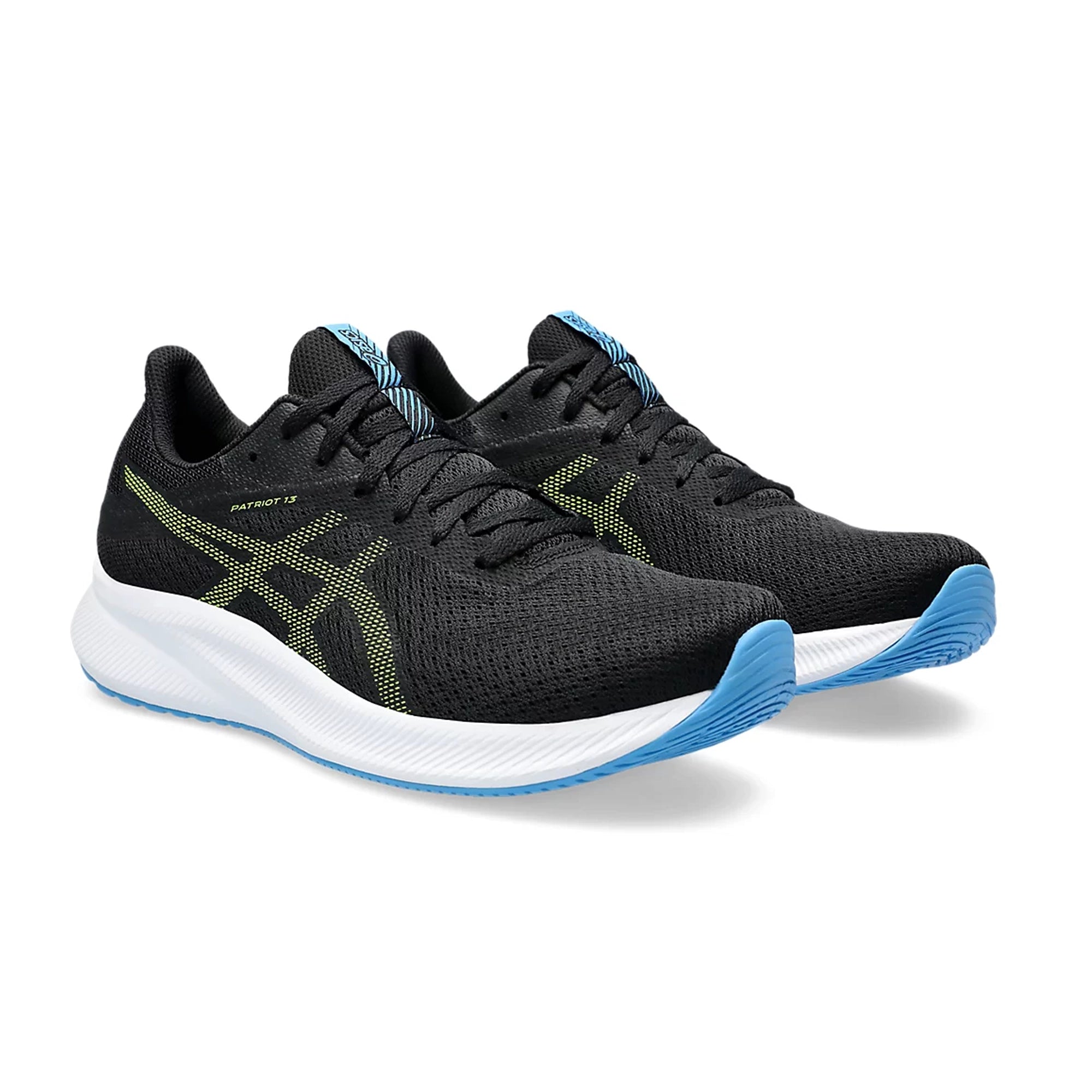
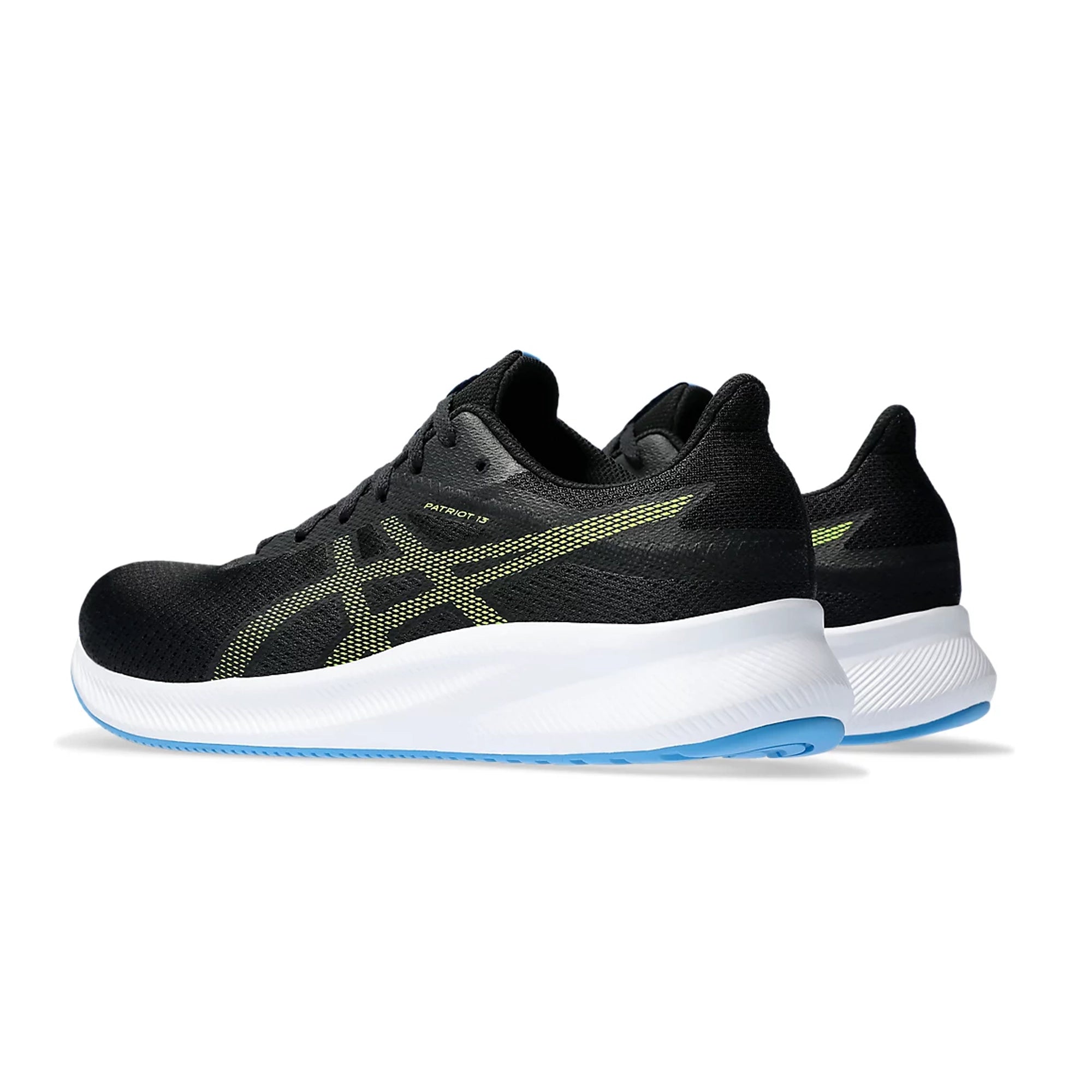
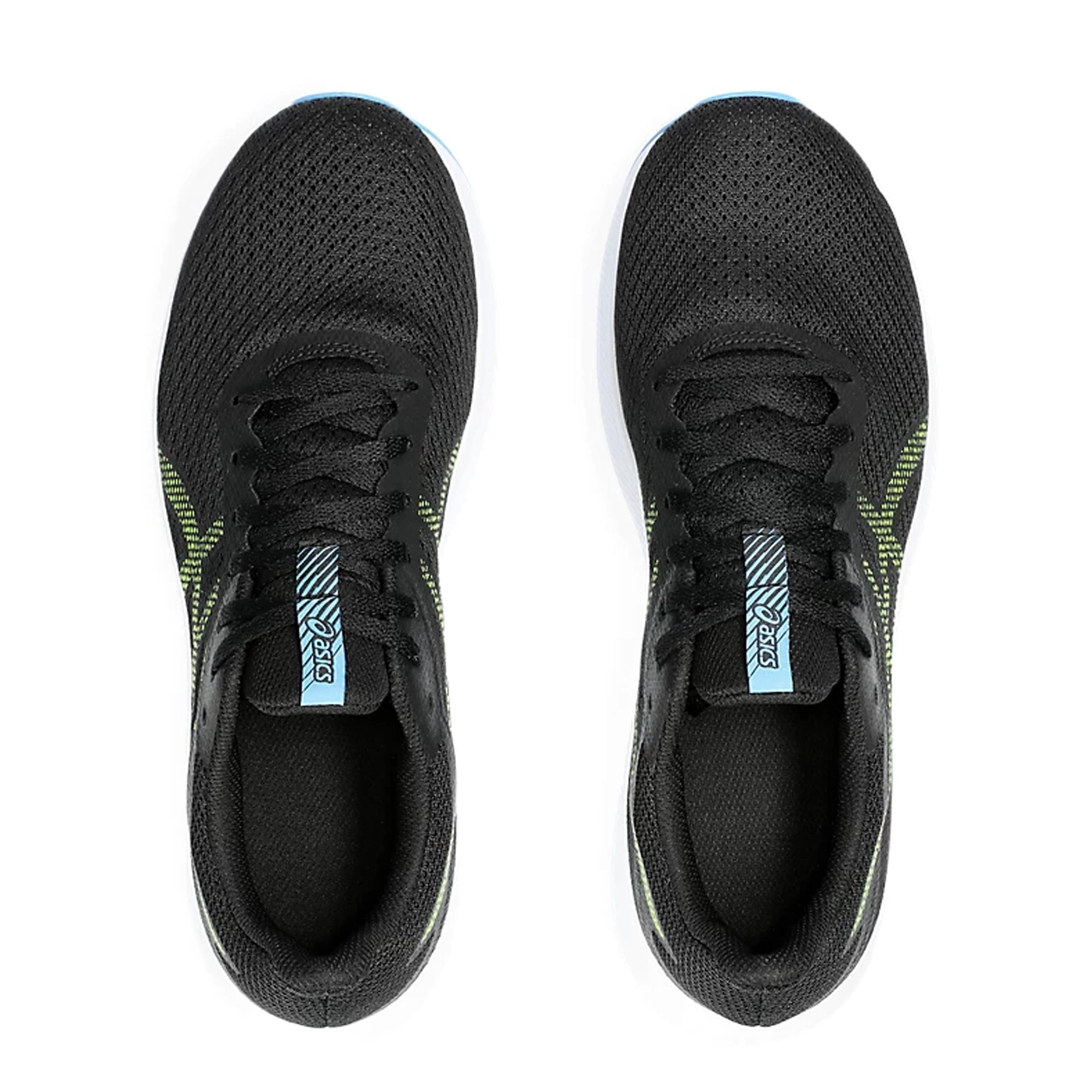
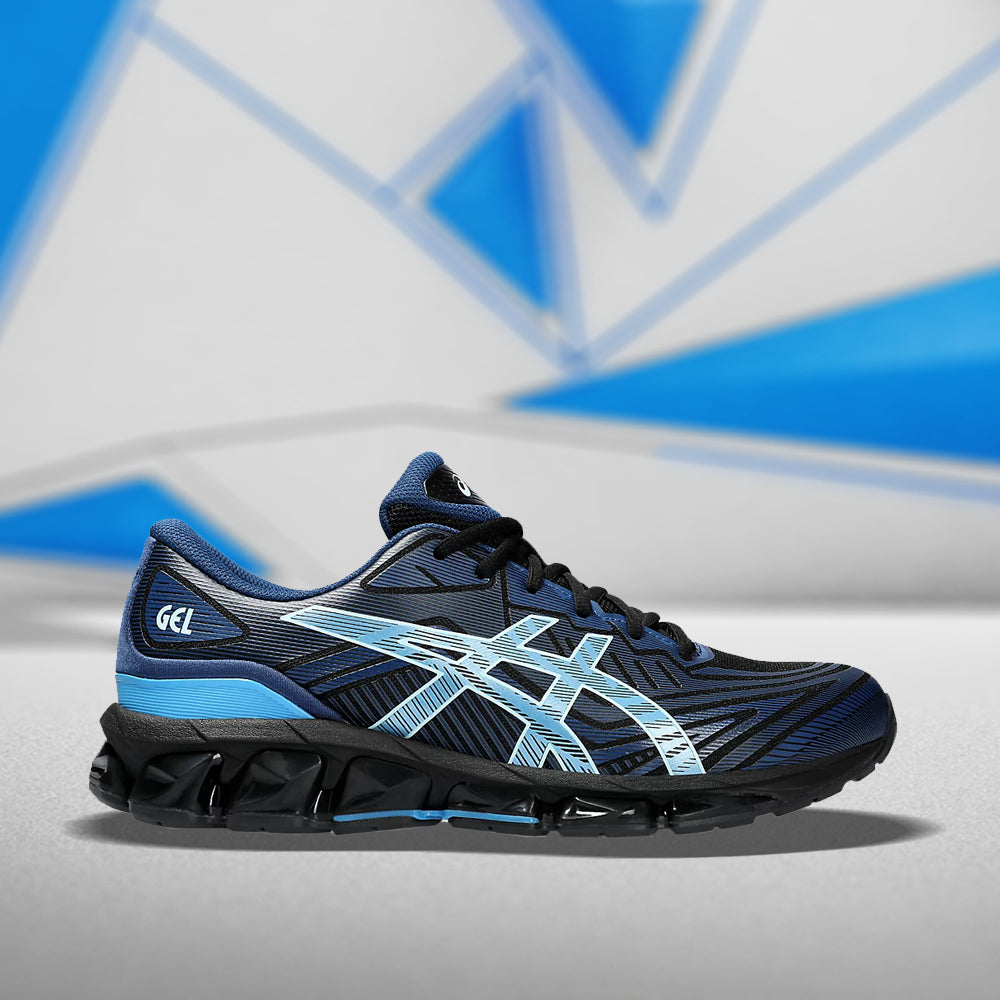
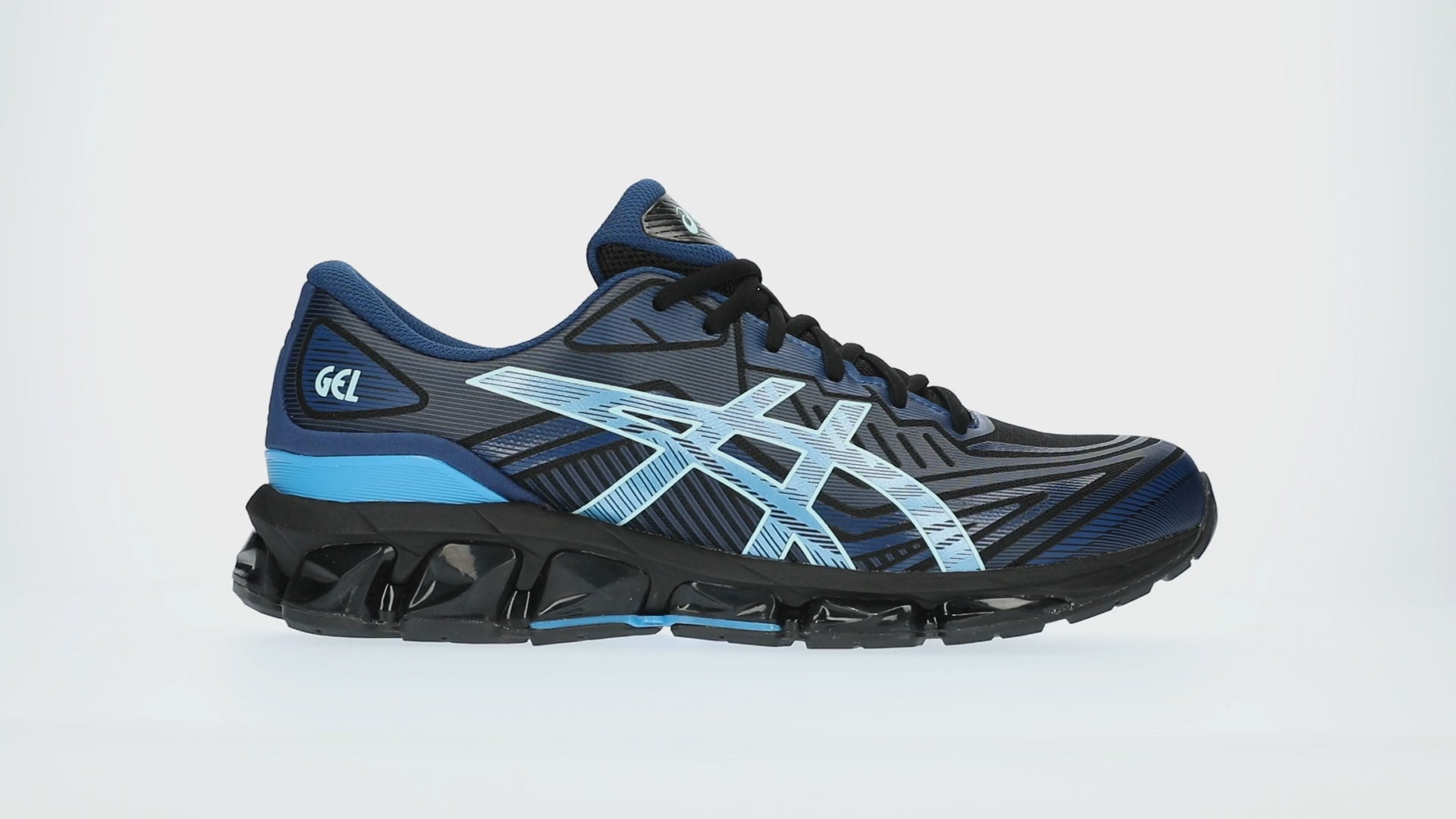
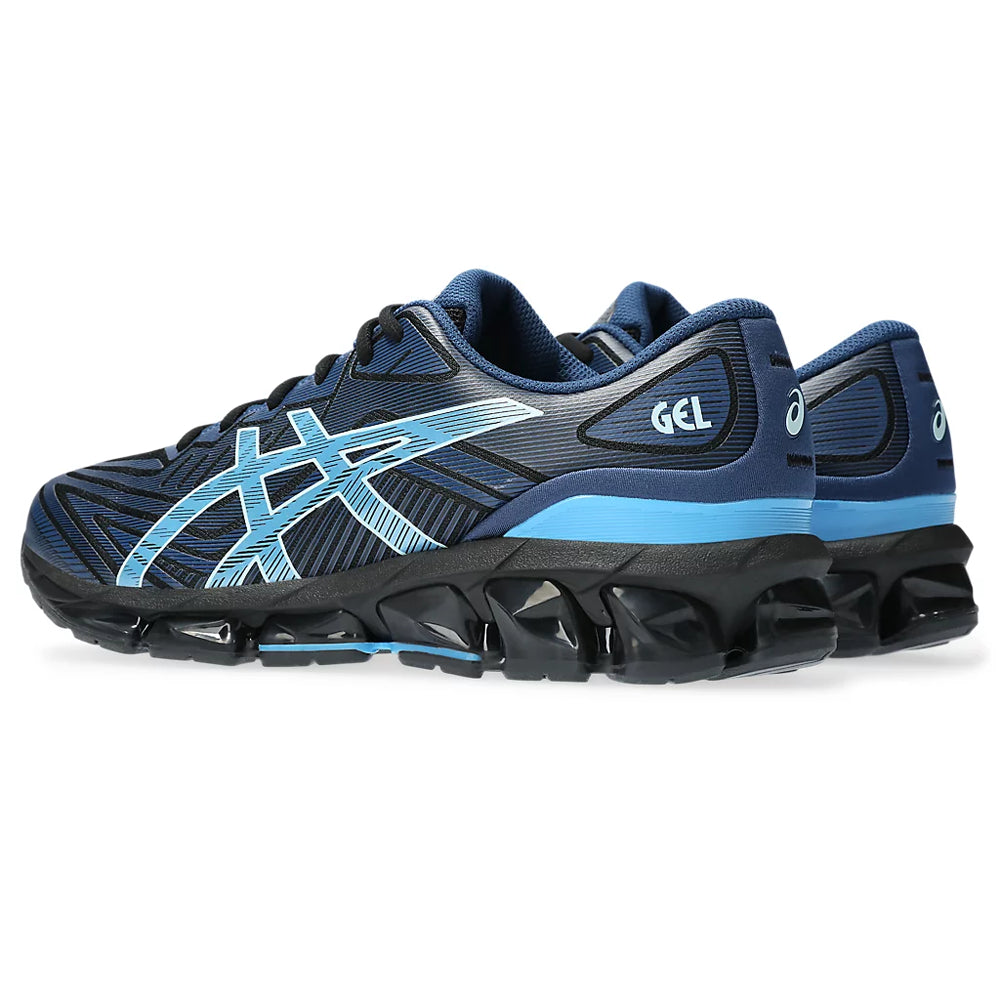
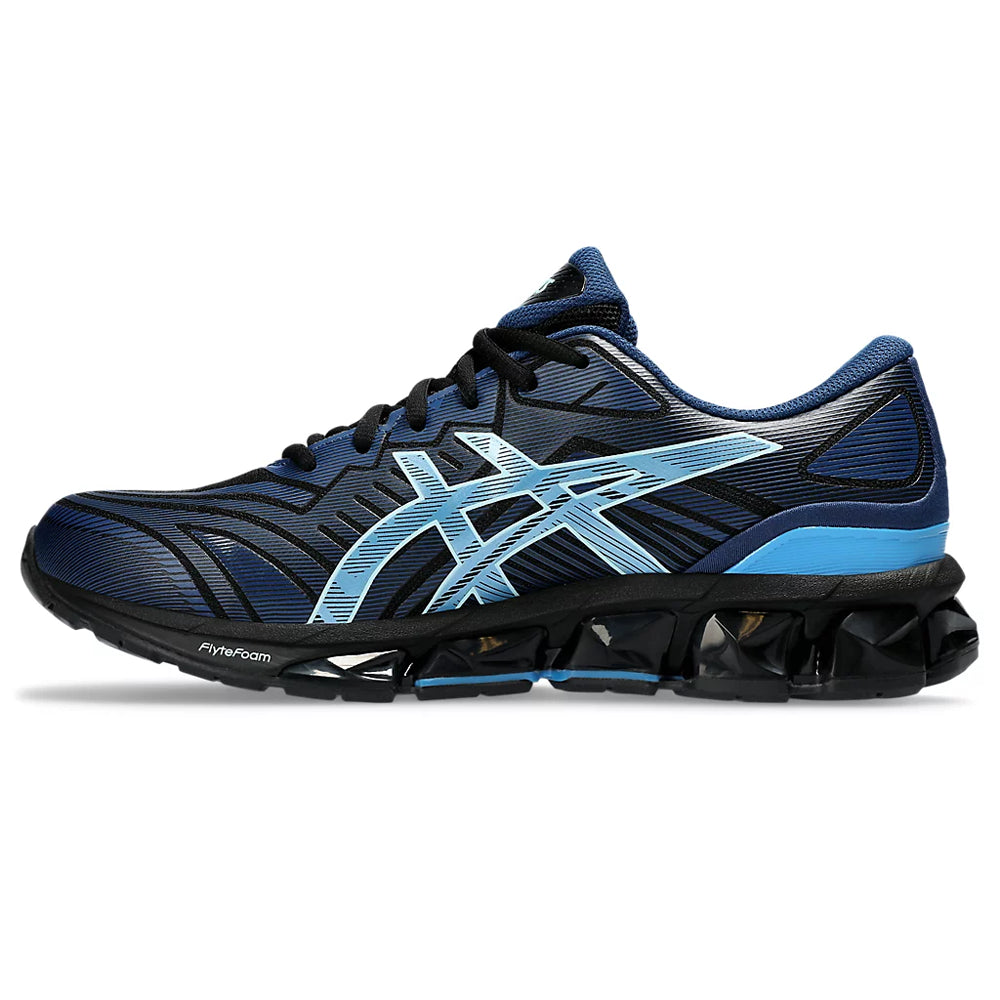
| Shoes | Non-marking, indoor court shoes that offer good grip and lateral support. | Invest in quality shoes to prevent injuries and improve performance. |
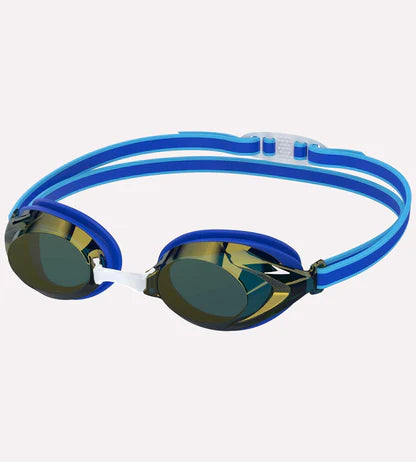
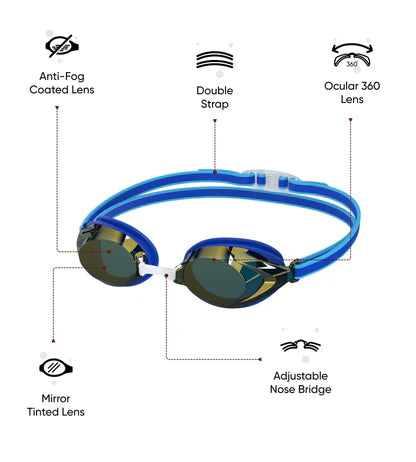
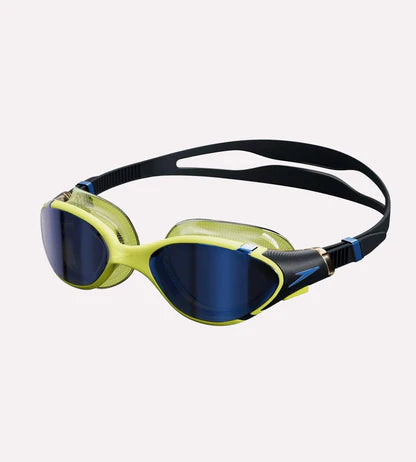
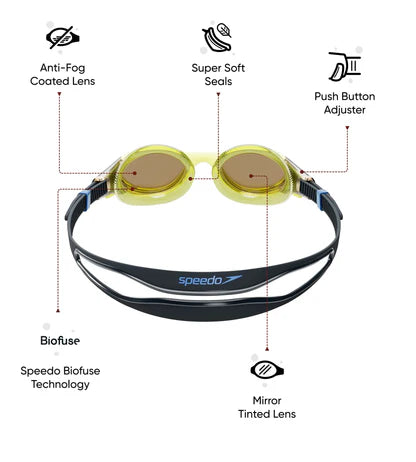
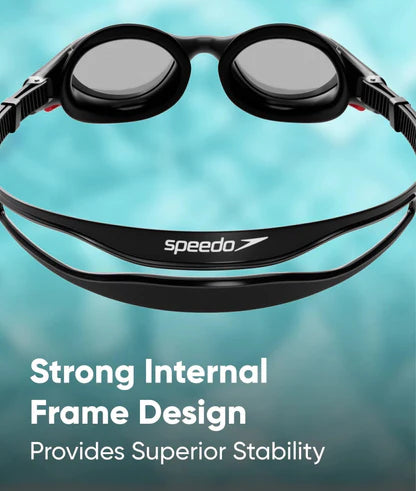
| Protective Gear | Goggles or protective eyewear. | Always wear protection to safeguard against eye injuries from fast-moving balls. |
Basic Techniques in Squash
Gaining proficiency in squash requires mastering both forehand and backhand strokes along the court. Footwork, grip, stance, and swing all influence your ability to play effectively and should be practiced regularly.
The Grip
The grip is the foundation of any racquet sport. Squash employs a specific method known as the 'V' grip, where the thumb and index finger form a 'V' on the racquet handle. This position offers optimal control and flexibility for various strokes.
Footwork
Good footwork enables quick positioning and balance around the court. Develop a habit of returning to the T-position - the center of the court - after each shot, to prepare for the next.
Mastering the Swing
Your swing can make or break your play. Practice the swing by focusing on a relaxed wrist, flexible elbow, and powerful shoulder movement. A full-body swing contributes to more forceful and precise shots.
Strategies for Beginners
Developing a strategic mindset is as important as physical readiness in squash. Here are some starting points:
Play a Simple Game
Initially, concentrate on returning the ball consistently and staying in play. Focus more on accuracy rather than attempting risky, powerful shots.
Control the T-Position
The T-position is pivotal in squash, providing you with the best vantage point to cover the court. Dominating this position enables better control over the game flow.
Observe and Adapt
Each game brings unique challenges; thus, observational skills are crucial. Pay attention to your opponent’s weaknesses and adapt your strategy accordingly.
Common Mistakes to Avoid
Learning from common pitfalls can expedite your development. Here are some frequent mistakes beginners should avoid:
- Poor Court Movement: Avoid planting your feet too soon, limiting your movement options.
- Incorrect Grip: An improper grip can hinder your shot range and power. Regularly check and adjust your grip.
- Neglecting to Warm Up: A proper warm-up reduces the risk of injury and improves performance.
Conclusion
Whether you're looking to start squash as a recreational activity, for fitness, or competitively, mastering these basics is your first step toward an engaging and rewarding experience. As you gain experience, continue to refine your skills, explore advanced strategies, and enjoy the constant learning curve squash provides. A beginner's journey in squash is not just about learning the game but also appreciating the sportsmanship, discipline, and joy it brings.























Share:
Behind the Glitz: A Pro-Athlete Skater's Routine
The Ultimate Beginner Masterclass Guide to LifeStyle Sports Gear