
The Origins and Evolution of Swimming
The annals of human history are awash with tales of our intrinsic connection to water. Swimming, as an inherent human activity, finds its origins in prehistoric times. Cave paintings from the Stone Age, dating back approximately 7,000 years, depict individuals engaged in swimming-like motions. This long-standing relationship garnered mythical proportions with the Greeks and Romans, who prized swimming as both a strategic military skill and a recreational activity.
The modern incarnation of swimming, however, began to take shape in the 19th century. Swim clubs were established across Europe, with the first being the National Swimming Society in London. As these local groups grew in popularity, so did the formalization of swimming as a competitive sport.
The Competitive Spirit
Swimming's legacy in competitive sports gained formal recognition in 1896 when it featured in the first modern Olympic Games in Athens. Since then, it has been a fixture in the Olympic lineup, evolving continuously with new events and technological advancements in training techniques and gear.
Historical Milestones
The journey of swimming from a survival skill to an Olympic sport has seen several historical milestones:
- Rome, 36 BC: The Romans constructed baths and pools, giving birth to organized swimming activities.
- 19th Century England: The development of the breaststroke and the founding of the National Swimming Society.
- 1896 Athens Olympics: Introduction of swimming as an Olympic sport with four events: 100m and 1500m freestyle, 100m for sailors, and 1200m.
- 1924 Paris Olympics: Women's swimming was included, marking a significant expansion of the sport.
- 1972 Munich Olympics: The achievements of Mark Spitz brought global attention to swimming, as he won seven gold medals.
- 21st Century: Technological advancements such as full-body swimsuits and high-tech training facilities revolutionized the sport.
Techniques and Styles
Swimming has evolved from simple dog paddling to an intricate array of strokes each with its own set of techniques and rules.
| Technique | Description |
|---|---|
| Freestyle | Characterized by the front crawl stroke. It is the fastest and most popular stroke for competitive swimming. |
| Backstroke | Performed on the back, it is one of the four main swimming strokes used in competition. |
| Breaststroke | A slower stroke characterized by arms moving in a half-circle under the water while the legs perform a frog kick. |
| Butterfly | Known for its undulating body movement, it is one of the most challenging strokes, incorporating a simultaneous arm movement and dolphin kick. |
Technological Advances in Swimming Gear
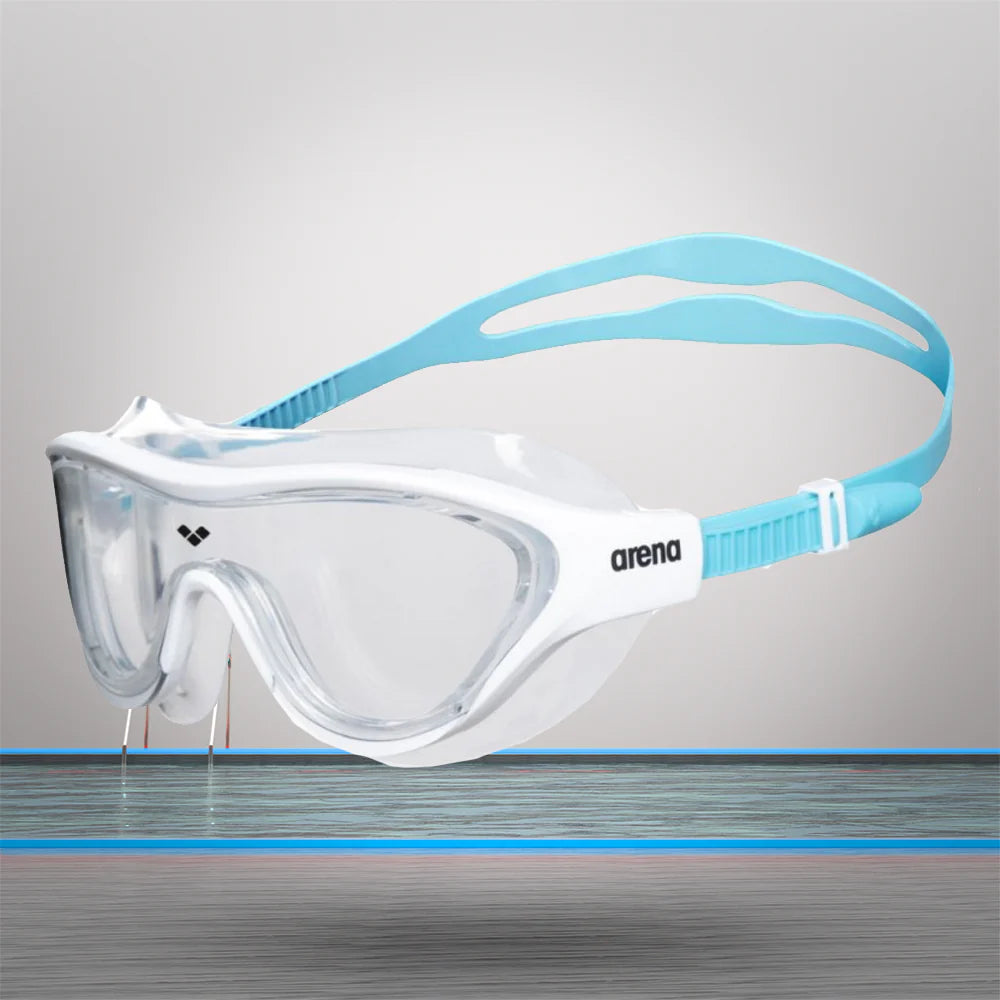
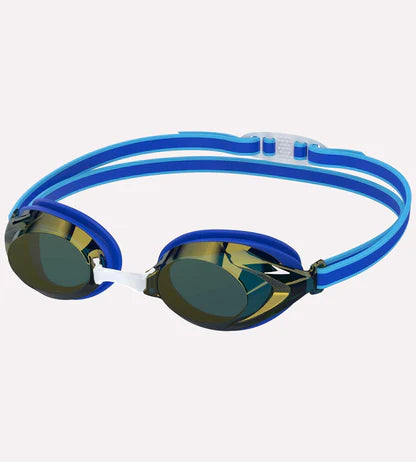
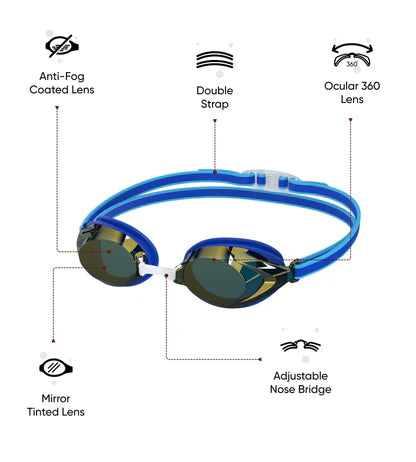
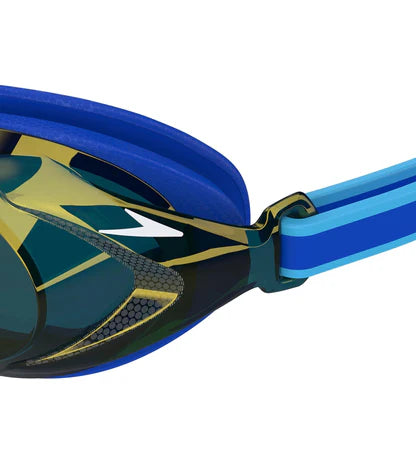
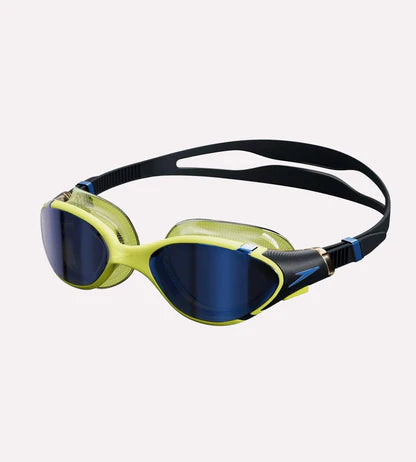
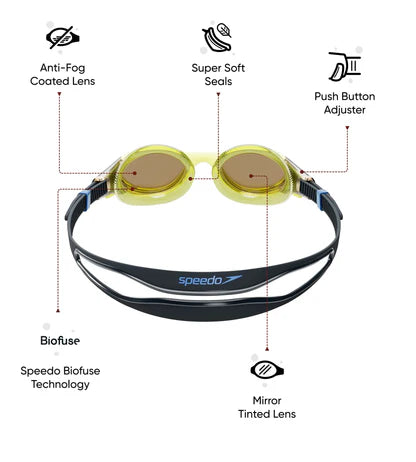
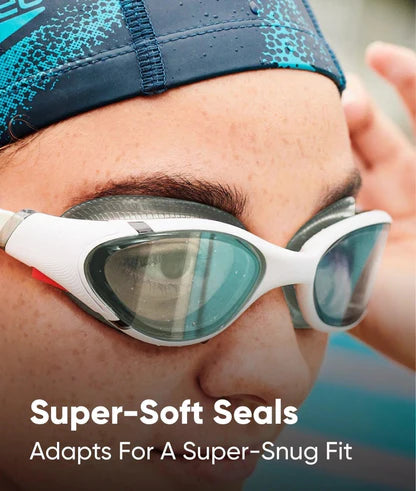
The evolution of swimming gear has played a crucial role in transforming swimming from a mere recreational activity to a disciplined sport. During the 20th century, the introduction of goggles, waterproof swimsuits, and ear protection, among other innovations, paved the way for enhanced performances.
Swimsuits
Initially, swimsuits were tasked solely with modesty. However, the introduction of streamlined designs in the 20th century shifted the focus towards enhancing speed. A landmark moment came with the development of body-hugging polyurethane suits in 2008, leading to numerous broken records. While later banned, these suits demonstrated the potential impact of technology in sports.
Global Impact and Today's Landscape
Global participation in swimming saw exponential growth by the late 20th century, becoming a universally popular sport. Swim clubs and competitions burgeoned worldwide, with millions now swimming both recreationally and competitively.
Today's landscape is adorned with world-class athletes who have become global icons, such as Michael Phelps, the most decorated Olympian, whose feats in the pool have galvanized generations of swimmers. Whether it's Katie Ledecky's dominance in distance events or Adam Peaty's unparalleled breaststroke speed, swimming continues to inspire and shape the sporting world.
Swimming's Continuing Legacy
Swimming is not just a sport—it's an expression of human potential. As it evolves, its ability to unify, challenge, and inspire millions worldwide remains unchanged. Through the adoption of new technologies, the sport's narrative of growth and achievement shows no sign of slowing down. Far beyond the races and the medals, swimming carries a profound legacy of connection to nature and personal prowess.
As the sport continues its forward momentum, the future looks promising for both athletes and enthusiasts. With each new stroke in the water, swimming not only recounts its history but also forges a path toward an even more exciting horizon.













































































































Share:
The Intricate Psychology Behind Your Next Cycling Purchase
A Beginner's Masterclass on Running: Your Ultimate Comparison Guide