
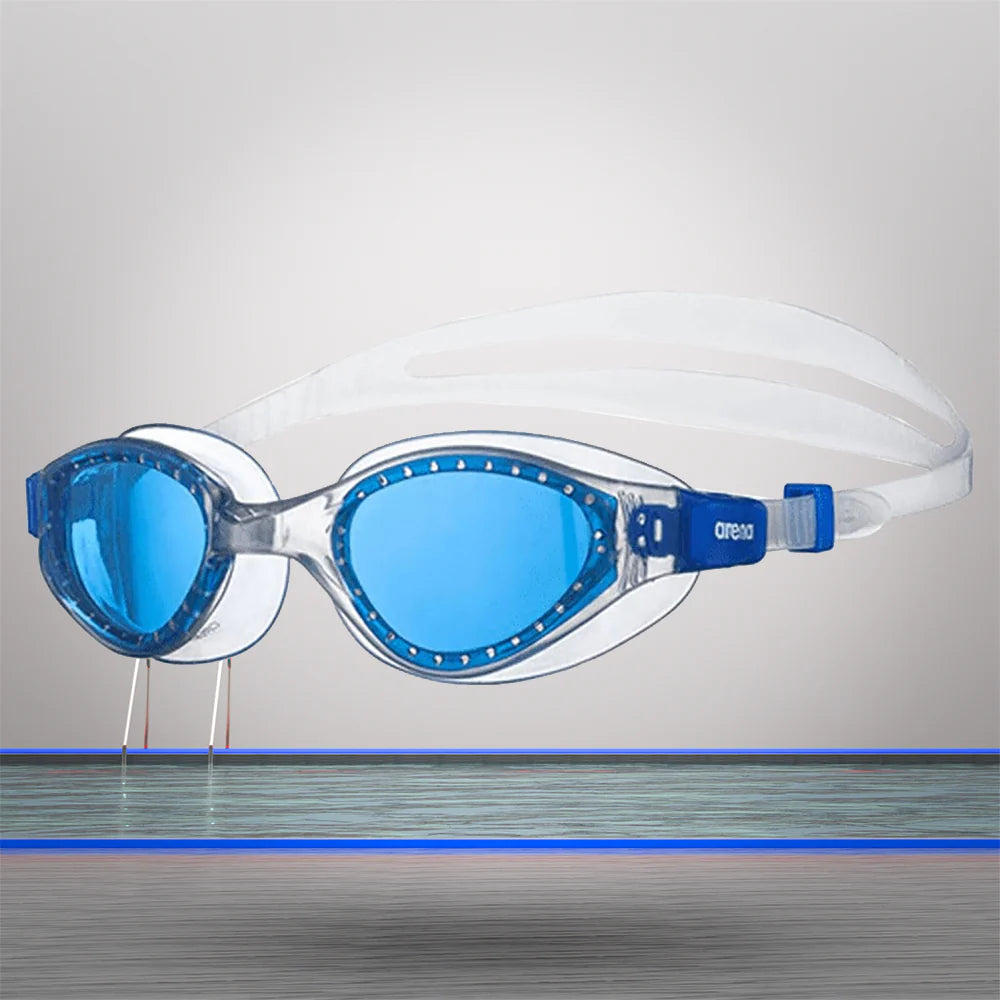
The Allure of Swimming
Swimming, a sport known for its elegance and endurance, is as captivating as it is competitive. With roots reaching back to prehistoric times, this aquatic art form has evolved into a regimented discipline practiced by some of the world's best athletes. In this article, we dive into the routines of pro swimmer to reveal what separates the elite from the amateurs.
The Pro-Athlete Swimming Routine
For a professional swimmer, the routine is a carefully orchestrated blend of physical training, mental fortitude, and nutritional discipline. This regimen varies significantly from person to person, owing to the unique physiological and psychological needs of each athlete. However, there are some common threads that bind all champion swimmers together across their diverse methods and approaches.
Training Components
Cardiovascular Endurance: Swimming relies heavily on cardiovascular fitness. Pro athletes typically spend 20–30 hours a week in the pool, honing their speed and stamina through drills that range from sprints to long-distance swims.
Strength and Conditioning: Dryland training complements water workouts by focusing on muscle targeting and core stability. This includes exercises like weightlifting, plyometrics, and yoga. Such diversified sessions are designed to enhance power and reduce the risk of injury.
Mental Strategies: The pressure of competition can be immense. Meditation, visualization, and biofeedback training are crucial mental exercises that many swimmers incorporate into their routine for maintaining psychological balance.
The Regimen Breakdown
Here is a comparison guide demonstrating the typical routine variation among elite swimmers, with an emphasis on balance and specificity. While the table below represents an average, athletes may tailor these components based on their specialization (i.e., sprinters, long-distance swimmers).
| Training Aspect | Swimmer A (Sprinter) | Swimmer B (Long-Distance) | Swimmer C (Medley Specialist) |
|---|---|---|---|
| Pool Time (Hours/Week) | 20 | 25 | 22 |
| Dryland Training (Hours/Week) | 5 | 3 | 4 |
| Strength and Conditioning | Focus on explosive power exercises | Focus on endurance exercises | Mix of power and endurance exercises |
| Recovery Sessions (Hours/Week) | 3 | 4 | 3.5 |
Nutrition and Hydration
Swimming is a caloric-demanding sport. Elite swimmers often consume around 3,000 to 6,000 calories per day, distributed across balanced meals rich in carbohydrates, proteins, and fats. Hydration is equally crucial. Proper fluid intake is necessary to replenish the minerals and electrolytes lost during training.
Diet Comparisons
Carbohydrates: Essential for energy replenishment, carbohydrates should account for 50–60% of a swimmer's diet.
Proteins: Crucial for muscle recovery, proteins make up about 20–25% of meals with a focus on lean sources such as fish, chicken, and legumes.
Fats: Healthy fats, from sources like avocados and nuts, support metabolic function.
Hydration Strategies
Swimmers are encouraged to drink water consistently throughout the day and use electrolyte solutions during intense training sessions to maintain optimal hydration levels.
Sleep and Recovery
Rest is the unsung hero in an athlete's training regimen. Elite swimmers often aim for 8-10 hours of sleep per night, which is fundamental for muscle recovery, cognitive function, and hormonal balance.
Active Recovery Techniques: Include light swimming on rest days, stretching, and massage therapy to promote circulation and reduce muscle soreness.
Conclusion
To achieve excellence in Swimming, athletes must master more than the strokes of their sport. They must commit to a holistic lifestyle that encompasses precise training, disciplined nutrition, and restorative recovery protocols. The journey through these meticulously crafted routines underscores the dedication each pro swimmer invests to clinch victory on the world stage. The symphony of their schedule, from dawn till dusk, works in harmony to sculpt the champions of the pool.



























































































Share:
Inside the World of Professional Cycling: A Day in the Life of an Elite Athlete
The Psychology Behind Buying Running Gear: Investing in Every Mile