

Introduction to Squash
Squash is a fast-paced, racquet sport played by two (singles) or four players (doubles) in an enclosed court. The game demands not only physical endurance but also acute strategic thinking. This article delves into the intricate technical and scientific aspects that contribute to the complexity and excitement of squash.
The Squash Court and Equipment
Court Dimensions
The squash court is rectangular, measuring 9.75 meters in length and 6.4 meters in width for singles matches. The front and back walls have specific markings, with the front wall being the tallest at 5.64 meters, allowing for shots that require upward precision.
Racquet Dynamics
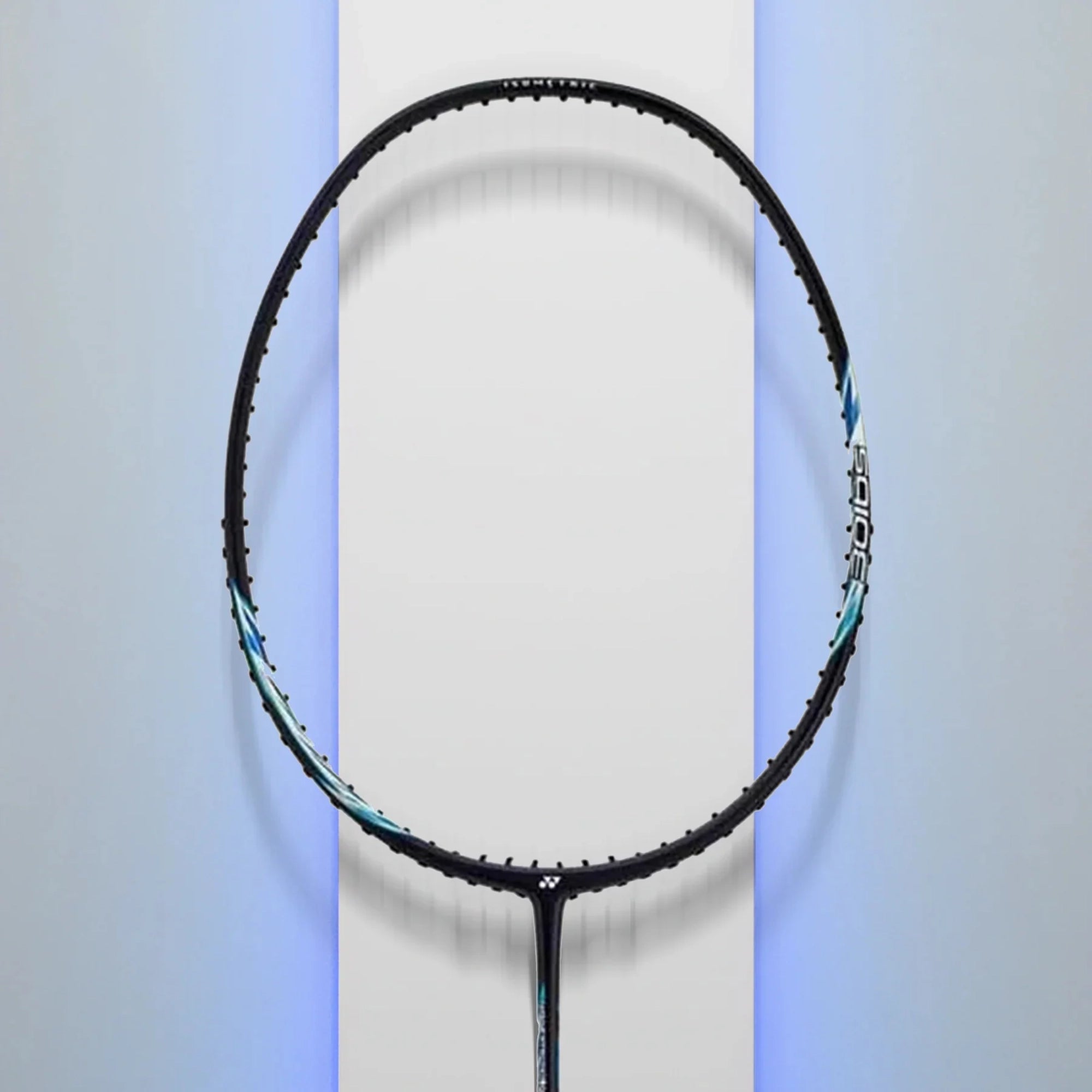
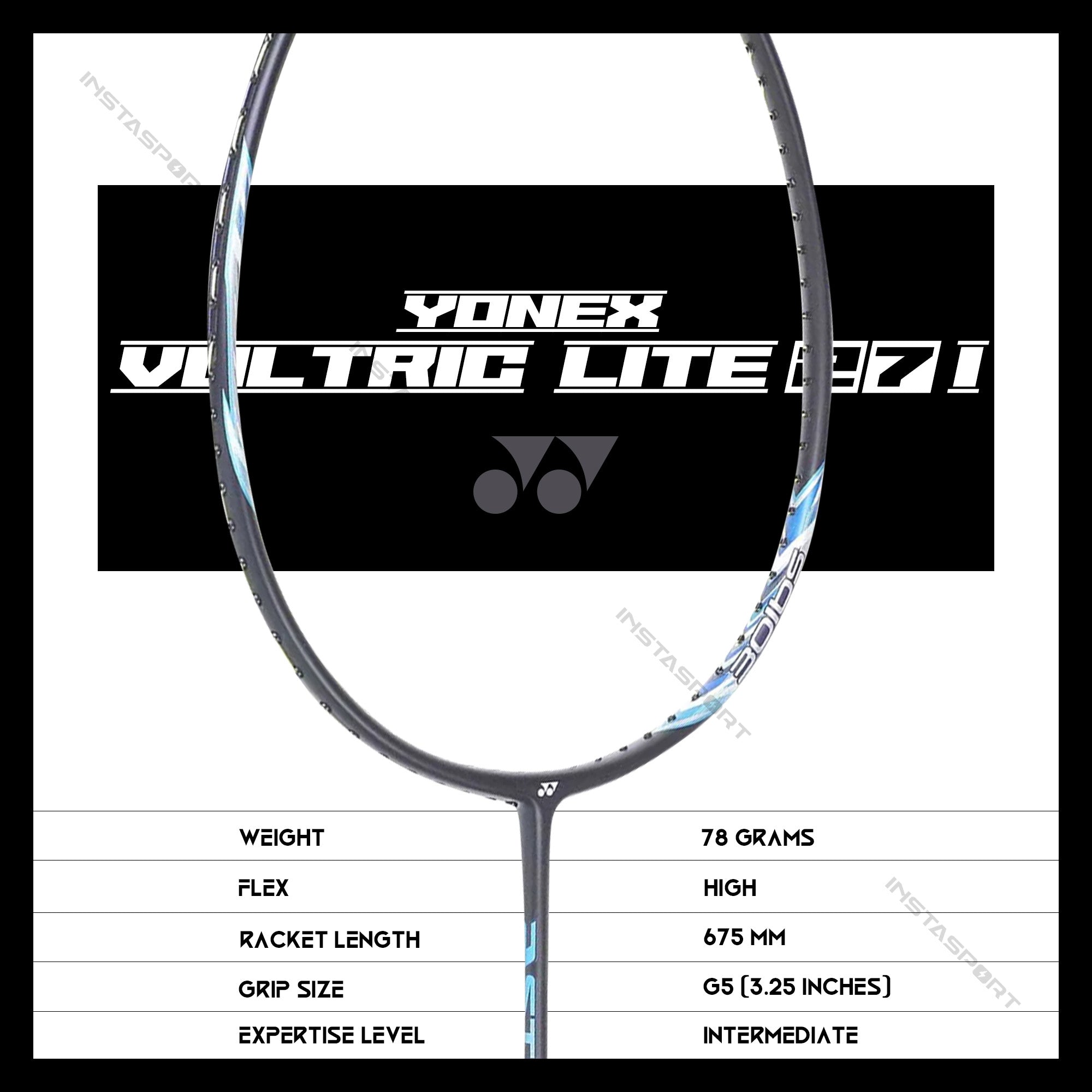
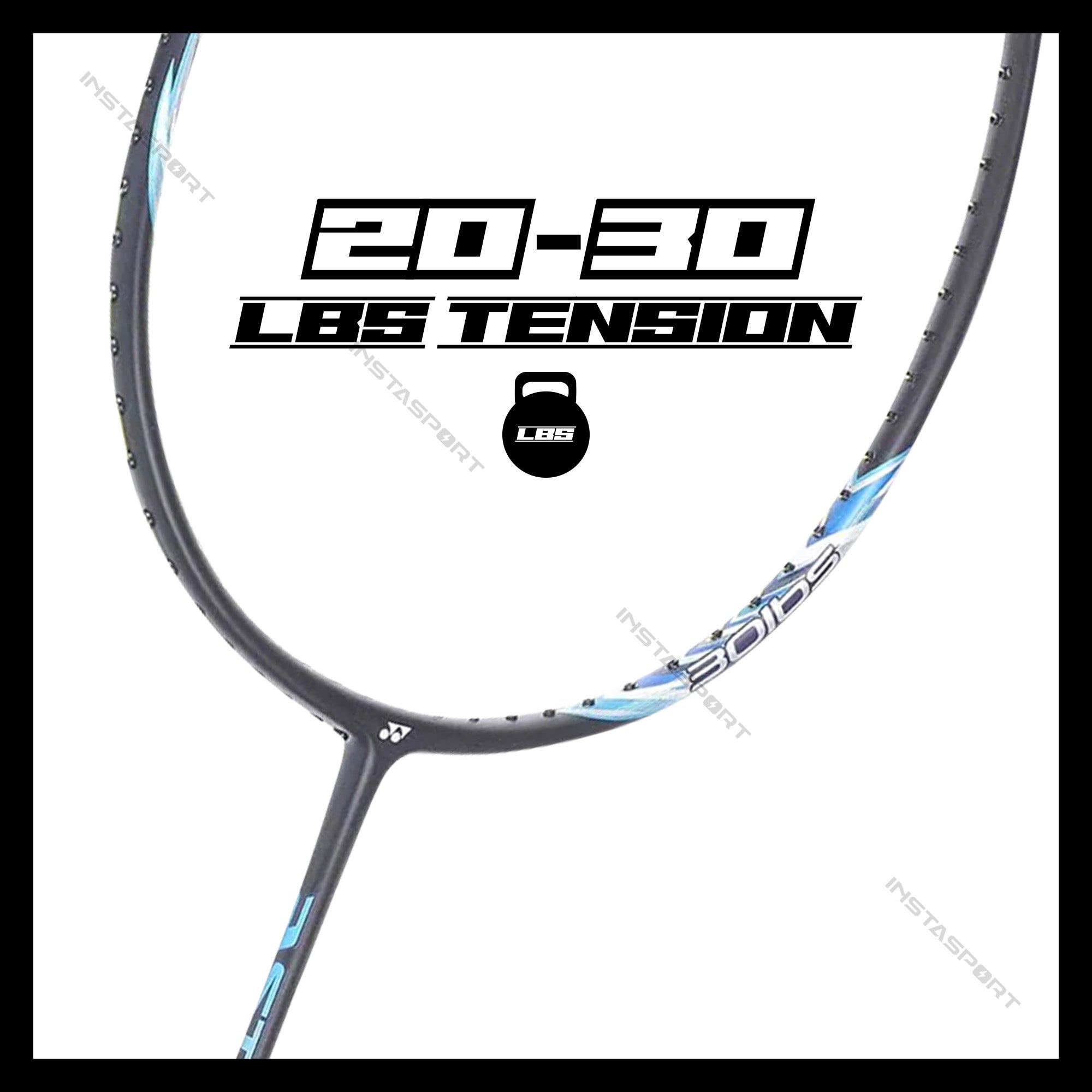
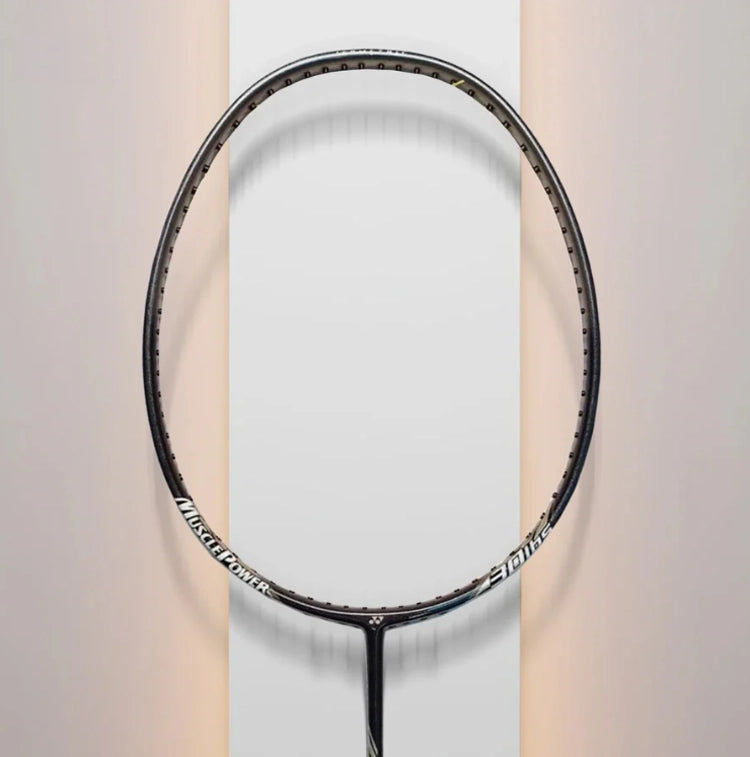
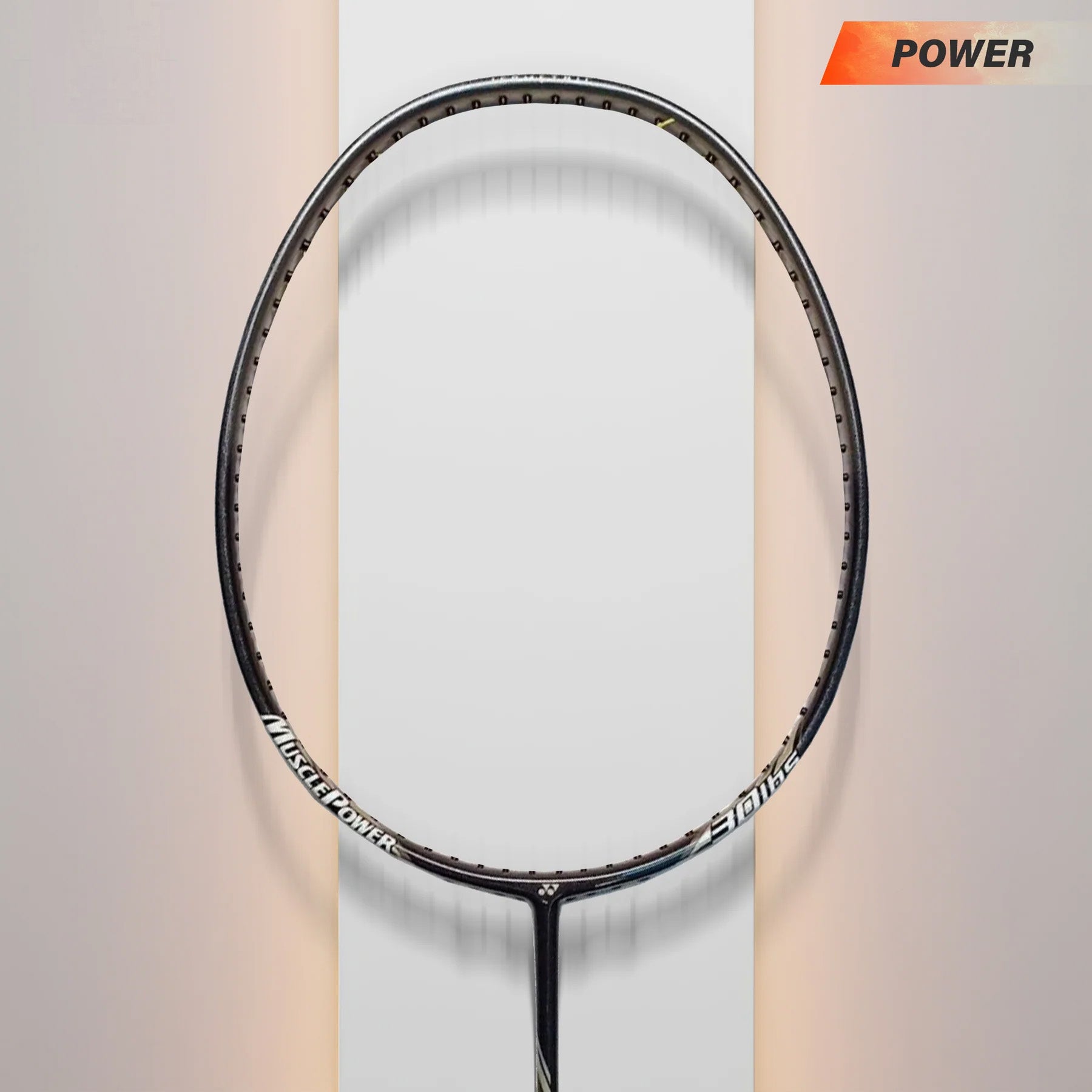
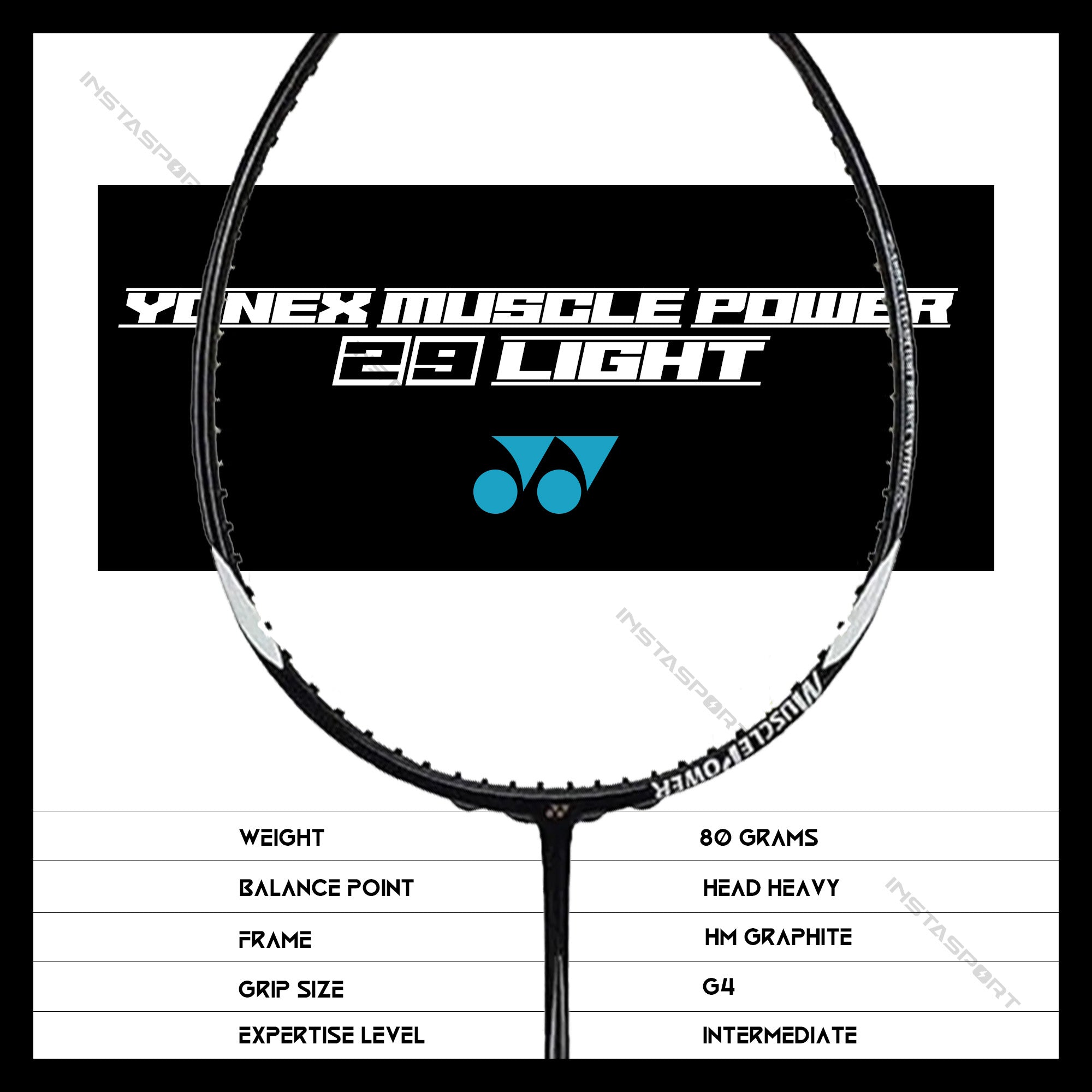
Squash racquets are designed to balance power and control, weighing between 110 and 175 grams. The racquet's composition, typically graphite or composite materials, influences its stiffness and flexibility, crucial elements for power generation and control.
Scientific Principles in Squash
Kinetic and Potential Energy
At its core, the essence of squash revolves around the conversion of kinetic and potential energy. Players store potential energy in their muscles before striking the ball, converting it to kinetic energy, directly impacting the ball’s velocity and direction.
Physics of Spin and Bounce
Applying spin to the ball can drastically alter its trajectory and bounce. The Magnus effect comes into play, as spinning the ball in various ways can make it drop sooner or speed ahead unexpectedly, adding layers of strategy and skill to the game.
Aerobic and Anaerobic Demands
Squash is known for its high aerobic demand due to the extended rallies and fast pace. Players must sustain high heart rates and manage short bursts of anaerobic exertion for sprinting and sudden directional changes. Fitness routines tailored to improve cardiovascular endurance and muscular strength are crucial for players aiming to excel.
Plyometric Training in Squash
Plyometrics is pivotal in enhancing a player's on-court performance. Exercises like box jumps and agility drills enhance the explosive power and quickness required in squash. A player's ability to react swiftly to an opponent's shot often determines the point's outcome.
Comparison of Equipment Changes Over Time
The evolution of squash equipment has played a significant role in advancing the game's dynamics. We examine these changes in detail below:
| Aspect | Traditional Equipment | Modern Equipment |
|---|---|---|
| Racquet Material | Wooden, Heavier | Graphite/Composite, Lightweight |
| Strings | Natural Gut | Synthetic, Multifilament |
| Ball Construction | Denser Rubber | Advanced Rubber Compounds |
Biomechanics of Squash Techniques
Forehand and Backhand Strokes
A player's technical prowess in executing forehand and backhand strokes significantly defines their ability to score points. The biomechanics involve optimal coordination of the trunk, shoulder, elbow, and wrist, ensuring that the energy transfer is maximized while minimizing injury risks.
Serve and Volley Techniques
The serve in squash aims to immediately put the opponent on the defensive. The ideal serve has precision and variation, coupled with spin, to disrupt an opponent's rhythm. Volleying involves rapid reflex actions where the wrist and forearm play prominent roles in maintaining control and direction.
Conclusion: The Future of Squash
As technology advances, squash continues to evolve. New materials and training techniques enhance player performance and equipment functionality. Understanding the scientific principles governing squash enriches our appreciation and opens pathways for innovation fundamental to the sport's growth.






























































Share:
Understanding Buying Psychology in Skating Equipment
LifeStyle: A Beginner’s Guide to Elevating Your Active Life