
An Overview of Skating
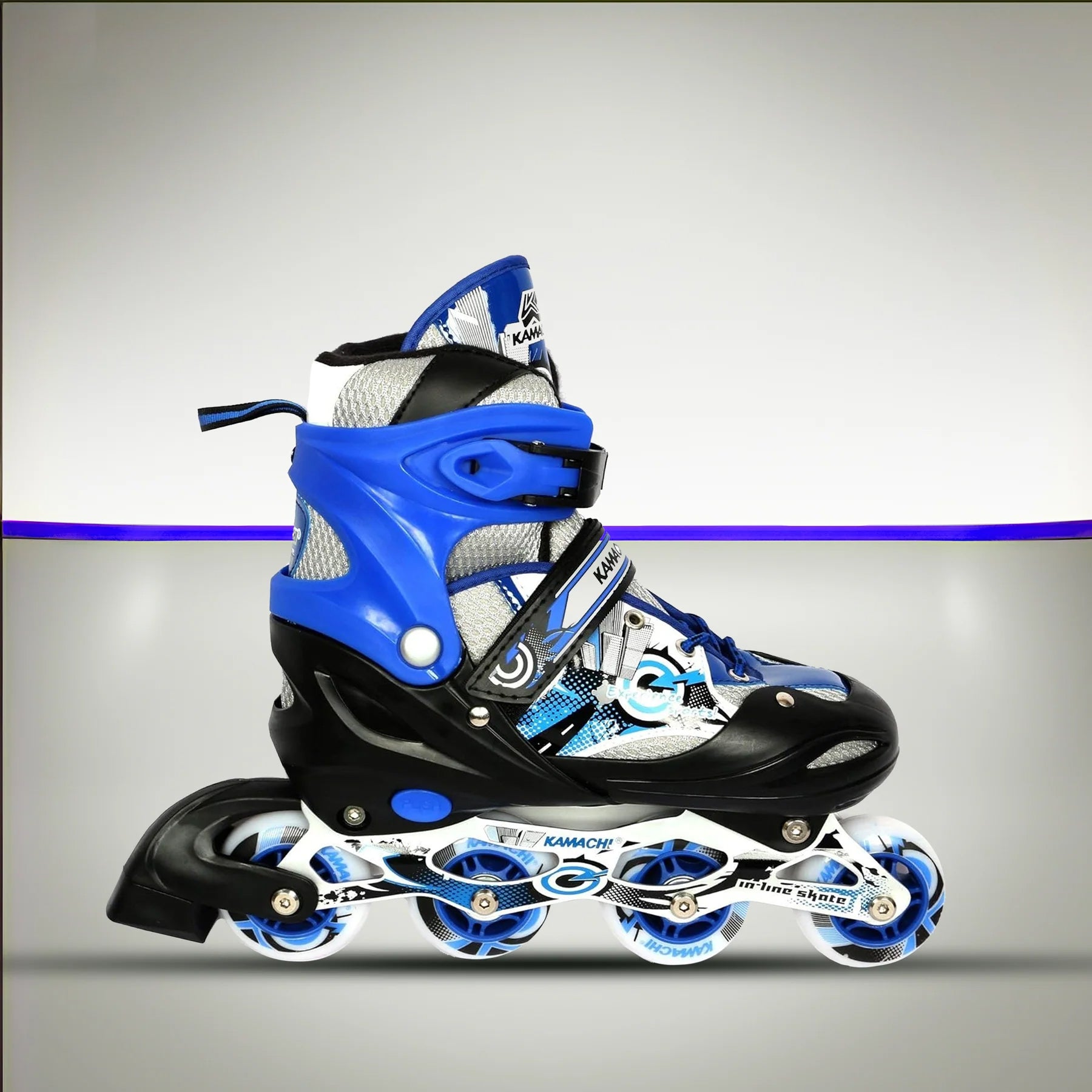
Skating, an exhilarating and versatile sport, has long captured enthusiasts' imaginations and has become a popular pastime and competitive sport worldwide. With advancements in technology, skaters can now enjoy various disciplines, from ice skating to inline and roller skating. In this technical comparison guide, we will examine the scientific aspects that distinguish different types of Skating and the equipment involved.
The Physics of Skating
Understanding the dynamics of Skating involves delving into physics concepts that explain motion, balance, and speed control. At its core, Skating relies on the principles of friction, balance, and angular momentum.
- Friction: Skaters minimize friction between the surface and skates, allowing them to glide smoothly. Ice skaters benefit from reduced friction due to the thin layer of water created between the skate blades and ice, while inline skaters rely on the hardness and smoothness of the wheels.
- Balance: Balancing is essential to maintain momentum and control during skating. Skaters constantly adjust their center of gravity by shifting their body weight, which is crucial for maintaining stability.
- Angular Momentum: In spinning and turning, skaters use angular momentum to maintain constant rotational motion, which is central to executing spins and graceful turns.
Comparing Skating Disciplines
Each Skating discipline brings unique challenges and requires specific equipment tailored for optimal performance. Here, we compare ice skating, inline skating, and roller skating based on their technical and scientific aspects:
| Category | Ice Skating | Inline Skating | Roller Skating |
|---|---|---|---|
| Surface | Ice | Asphalt or concrete | Wooden rinks or smooth outdoor areas |
| Skate Design | Single blade | Single-row wheels | Four wheels in a quad arrangement |
| Friction | Low due to melting ice | Varies with wheel hardness | Higher friction from quad wheels |
| Primary Skill | Balance and agility | Speed and endurance | Agility and rhythm |
| Popular Sports | Figure skating, ice hockey | Speed skating, aggressive skating | Roller derby, artistic skating |
Equipment and Technology
The choice of equipment plays a crucial role in enhancing performance and safety in Skating. Technological advancements have led to innovative designs and materials that cater to the needs of skaters.
- Ice Skating: Modern ice skates incorporate lightweight materials and blade technology that offer better control and maneuverability. Innovations in boot design have improved comfort and stability.
- Inline Skating: Development in wheel technology, such as urethane compounds for better grip and shock absorption, has significantly advanced this discipline. Chassis designs made from aluminum provide durability and support.
- Roller Skating: Advances in wheel designs with optimal durometer ratings ensure a balance between speed and control. Frame materials have evolved to offer increased strength and reduced weight.
Conclusion
Skating, in its various forms, intertwines artistic expression with scientific principles, creating a sport that is as dynamic as it is graceful. Each discipline provides unique experiences and challenges to both beginners and seasoned athletes. By understanding the technical nuances and equipment differences, skaters can make informed decisions and reach new heights in their performances.
As interest in Skating continues to burgeon, the ongoing advancements in technology and equipment promise a future where the boundaries of what skaters can achieve expand even further.





























































Share:
Fitness Evolution: A Journey Through History and a Guide to Modern Practices
Beginner Masterclass: A Comprehensive Comparison Guide to Squash