

Introduction
As one of the most popular sports in the world, Football captivates audiences with its intricate blend of strategy, athleticism, and technical precision. In this article, we delve into the scientific principles that underpin the sport, comparing how various factors affect performance and gameplay on the field.
The Role of Physics in Football
Physics plays a pivotal role in understanding football dynamics, from the trajectory of the ball to the forces involved in tackling.
Ball Trajectory
The flight of a football is mainly determined by its initial velocity, angle of elevation, and the force applied. Accurately estimating these variables allows players to execute precise passes and shots. The Magnus effect also plays a role, where a spinning ball experiences a pressure differential causing it to dip or curve, complicating the goalkeeper's anticipation.
Kinematics of Player Movement
The biomechanics of player movement entails an in-depth analysis of running, dribbling, and maneuvering on the field. Understanding the principles of acceleration, velocity, and muscle coordination can provide insights into how players can improve their agility and stamina.
Material Science in Football Equipment
Equipment used in football is a product of advanced material science, significantly impacting player performance and safety.
The Football
A football is composed of synthetic leather, designed to retain its shape and promote optimal bounce and air retention. Innovations in panel design and surface texturing enhance grip and control.
Footwear Technology
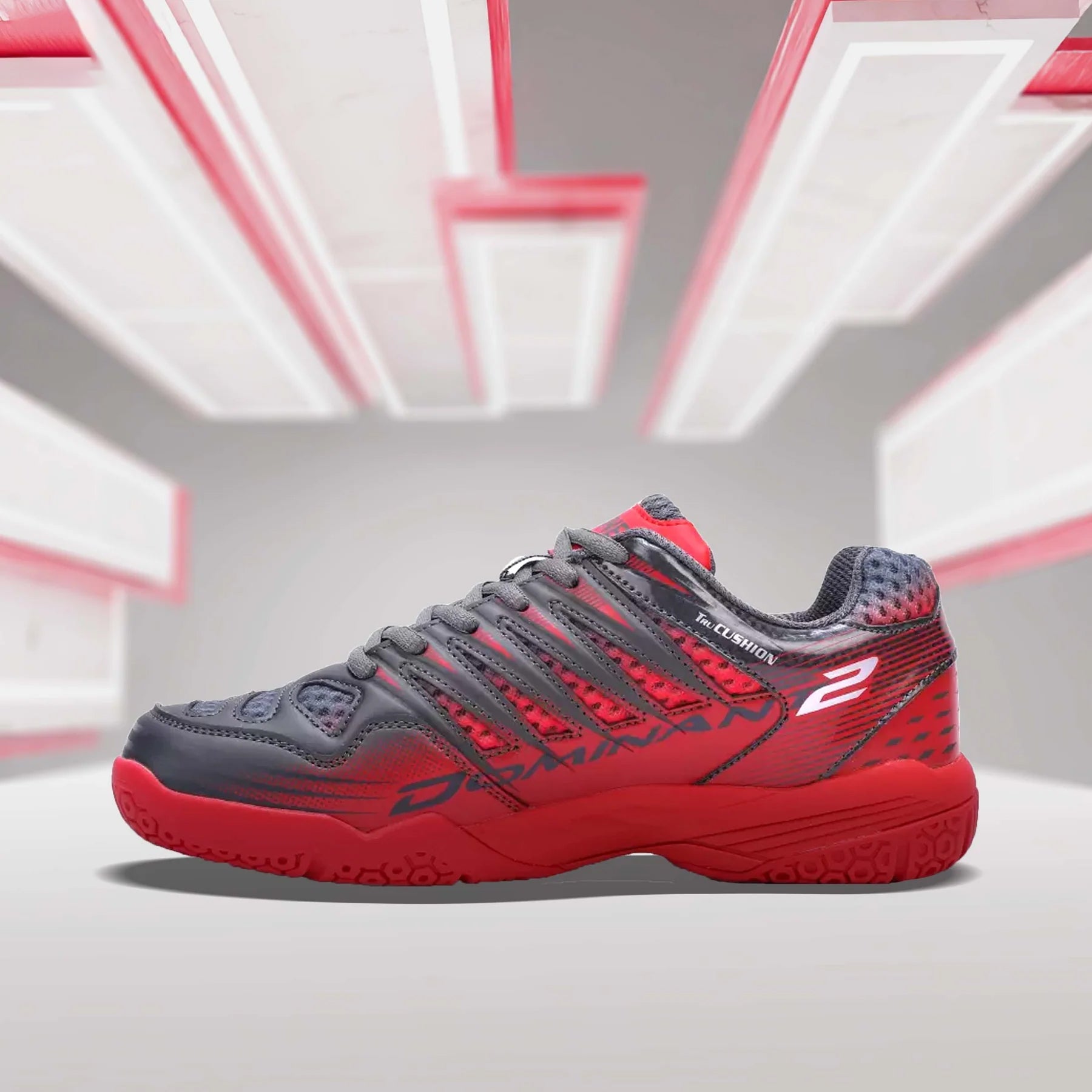
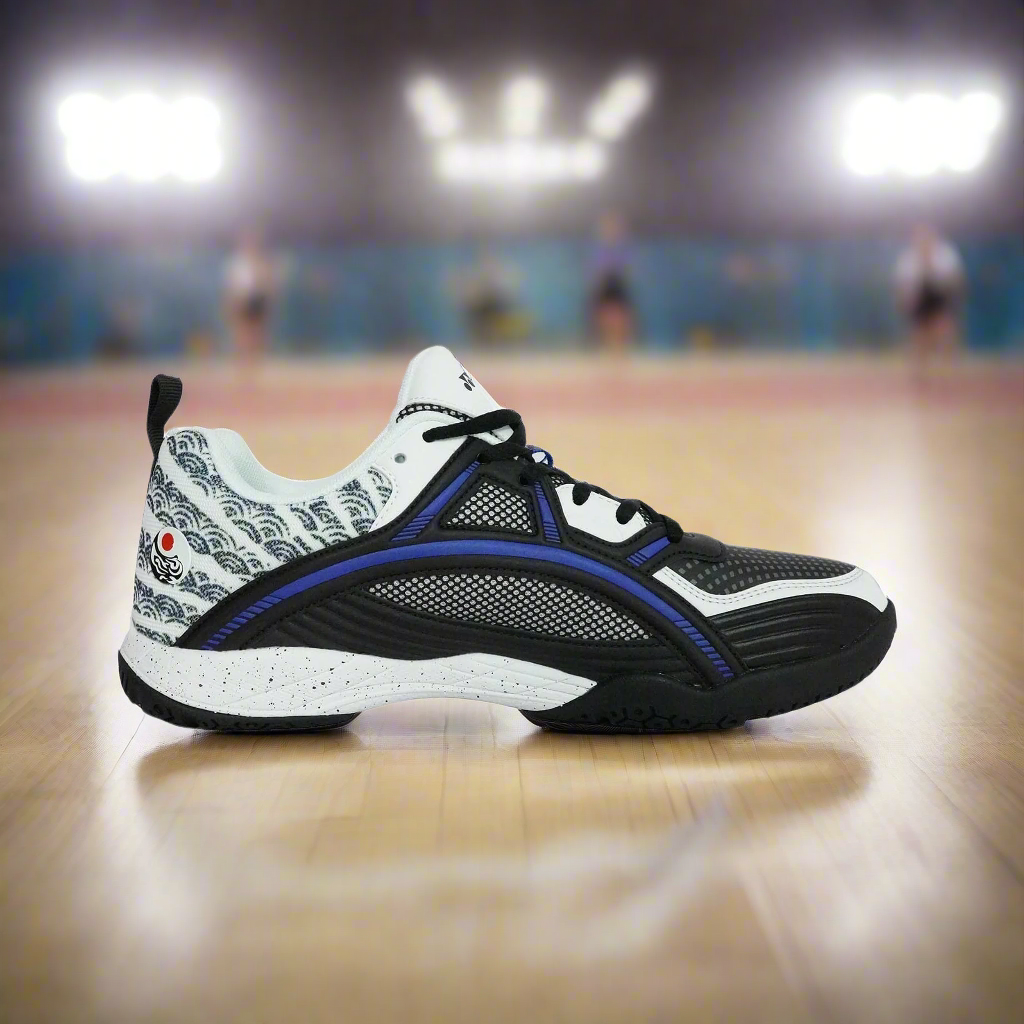
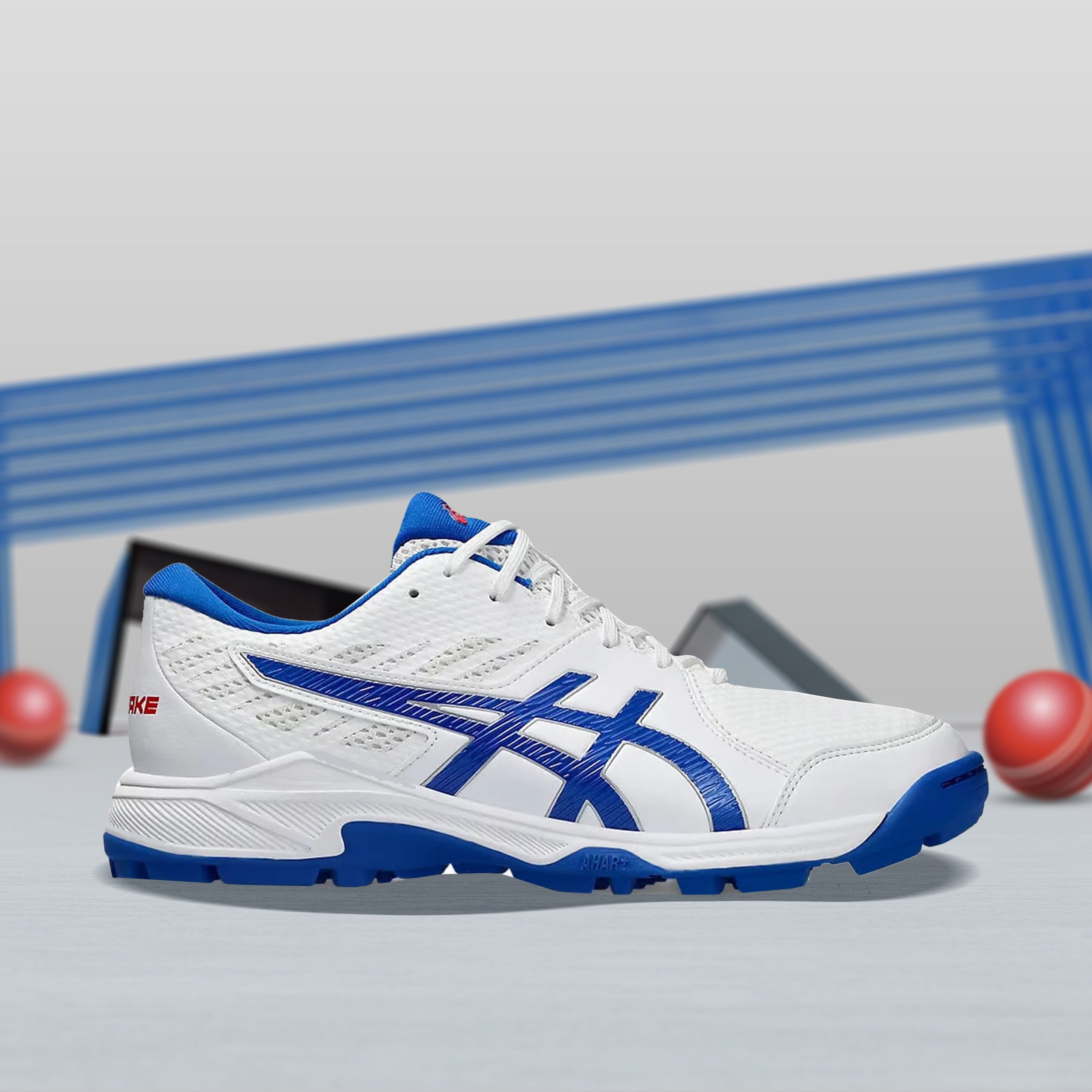
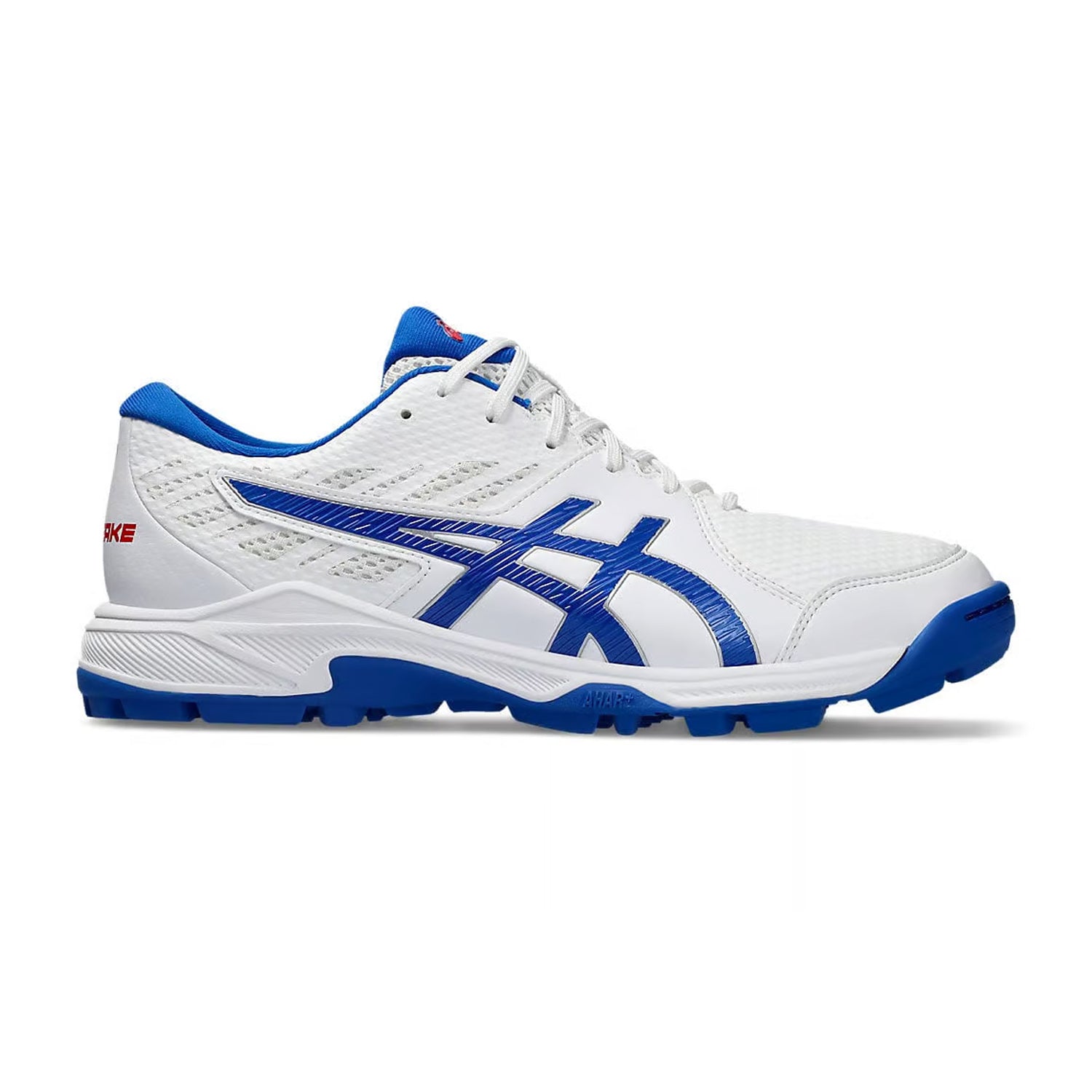
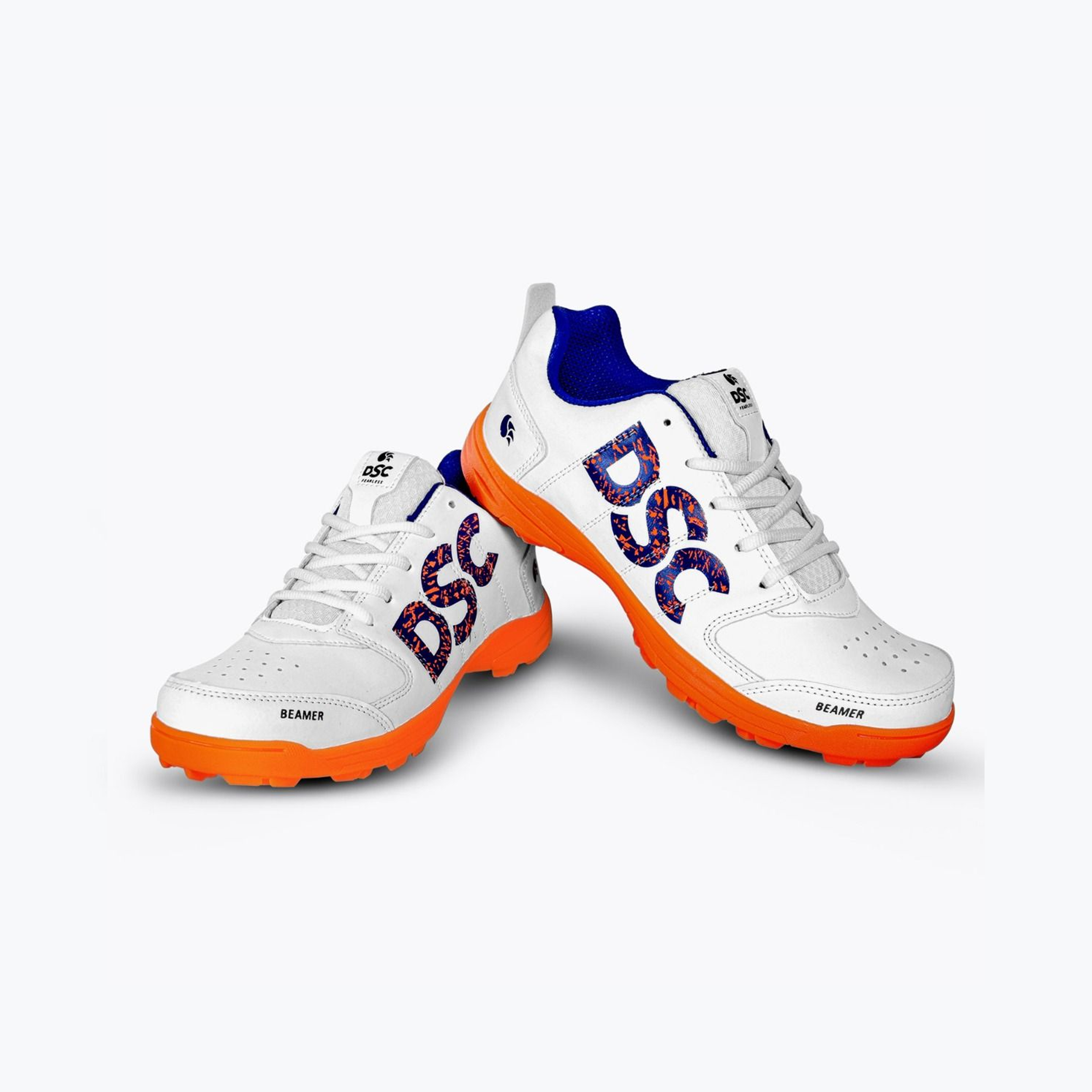
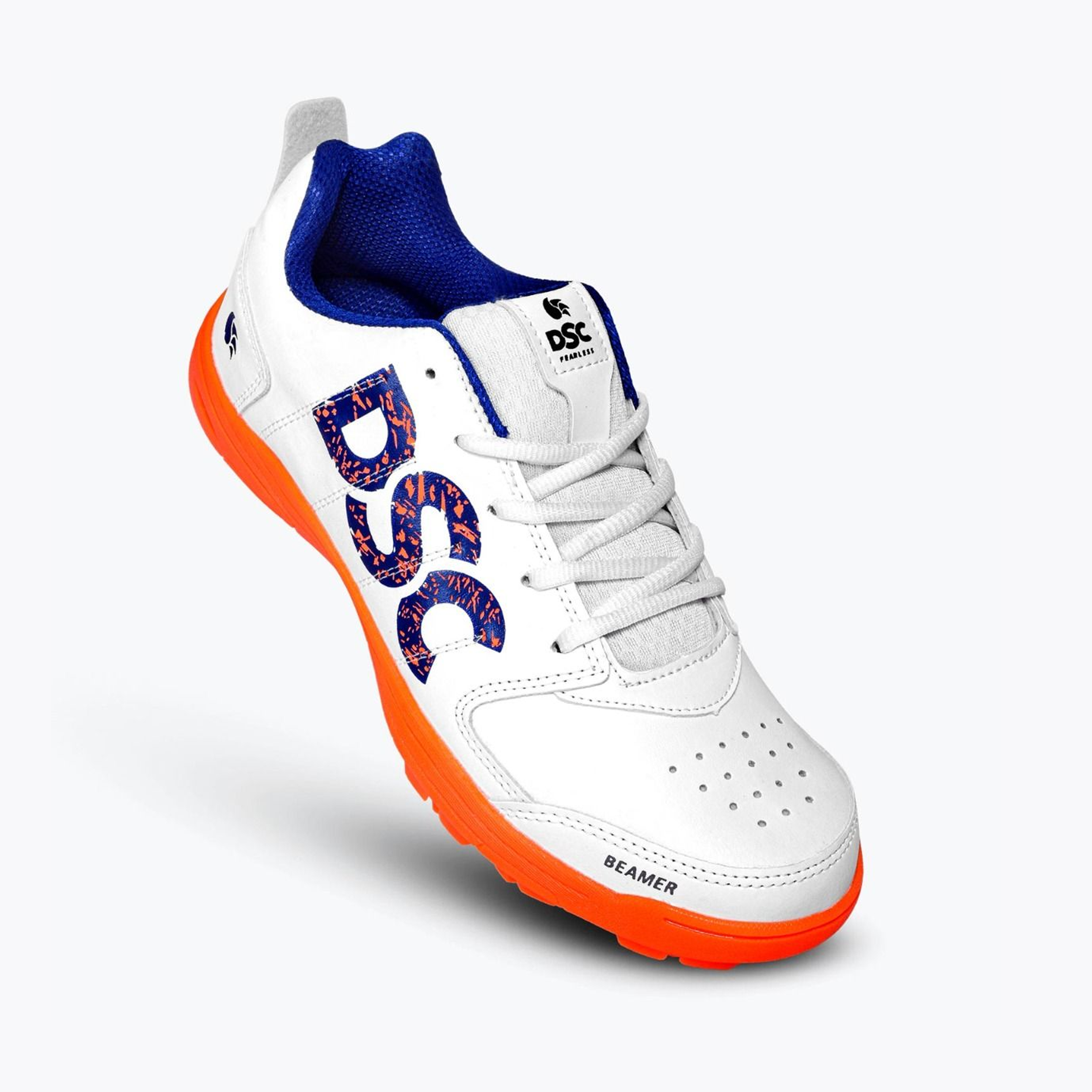
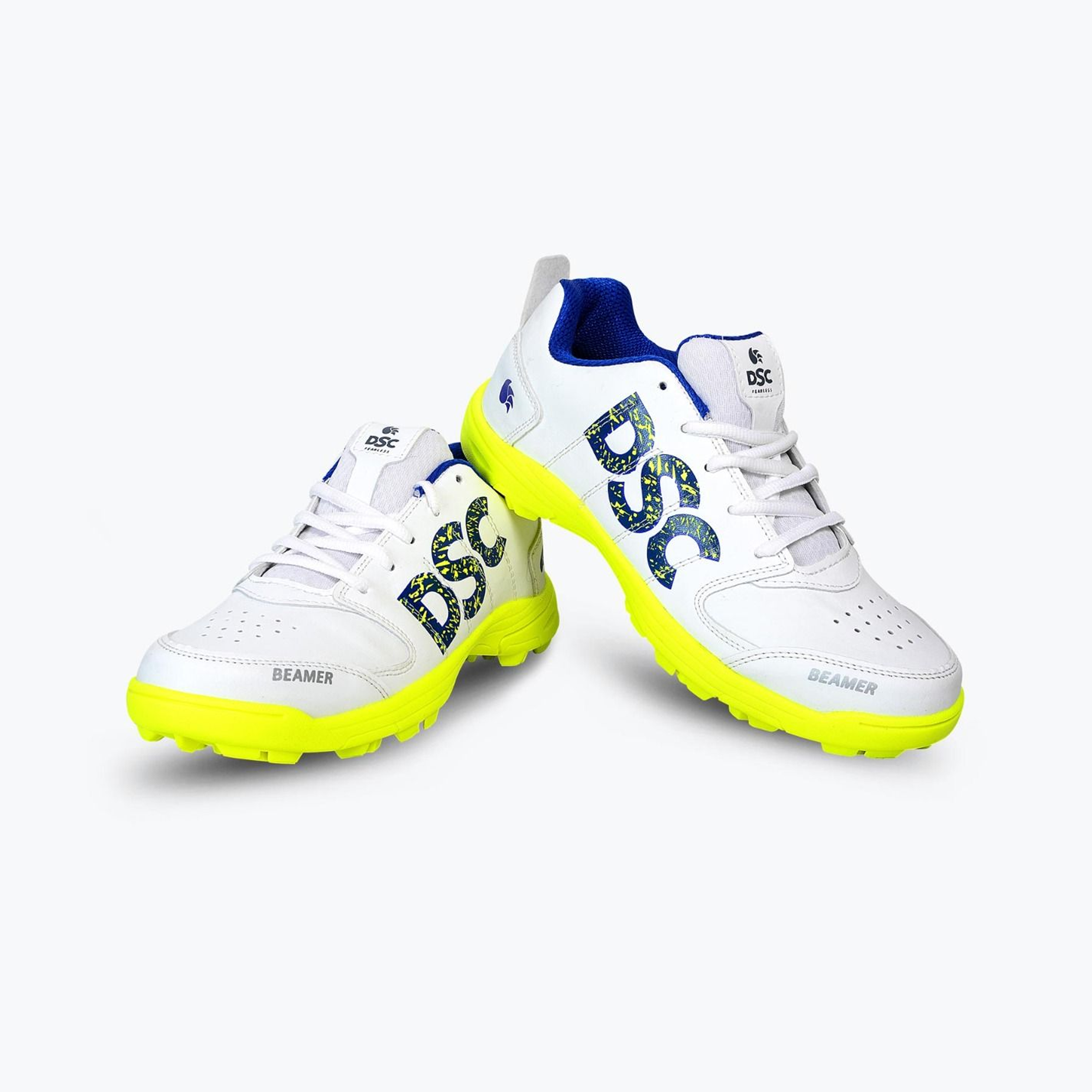
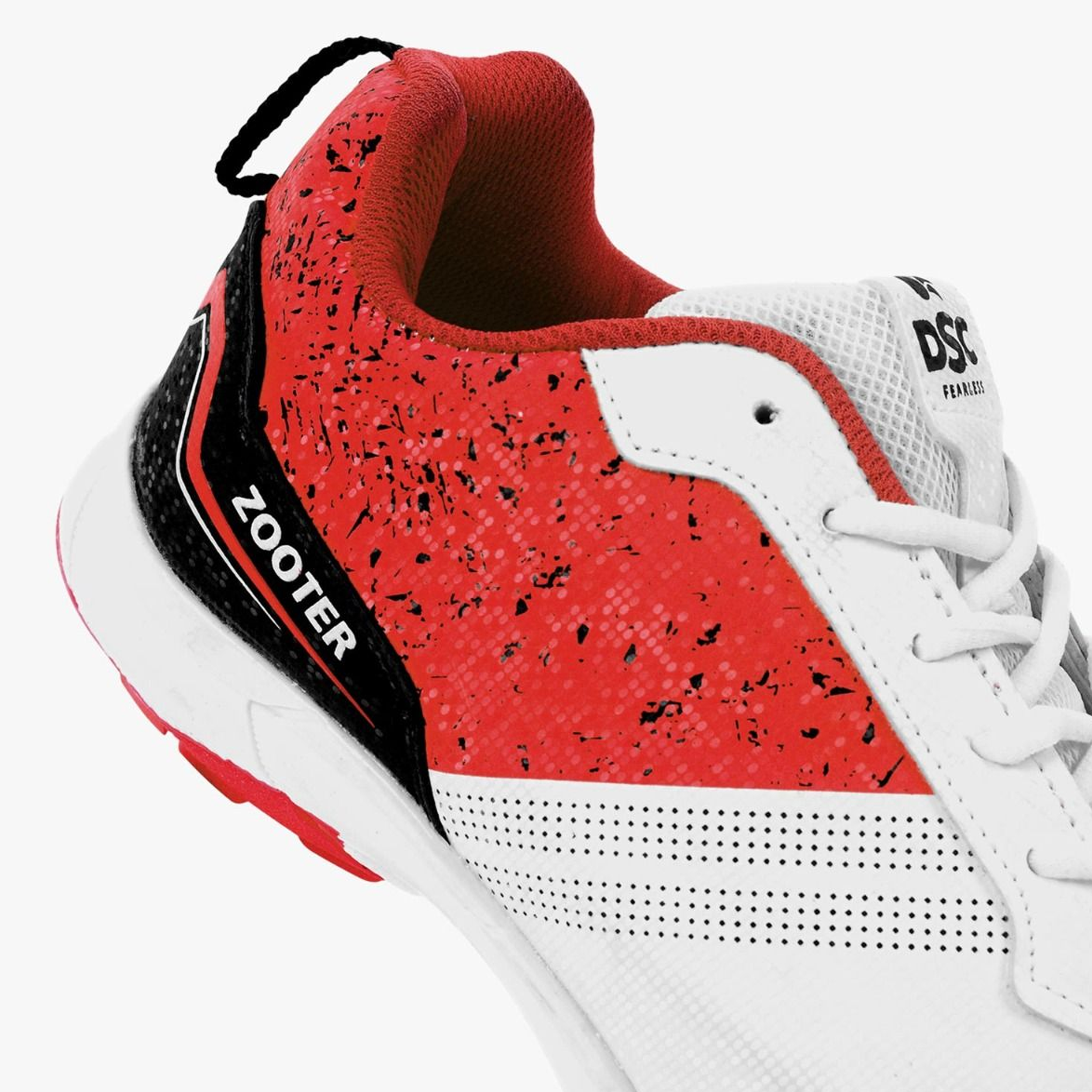
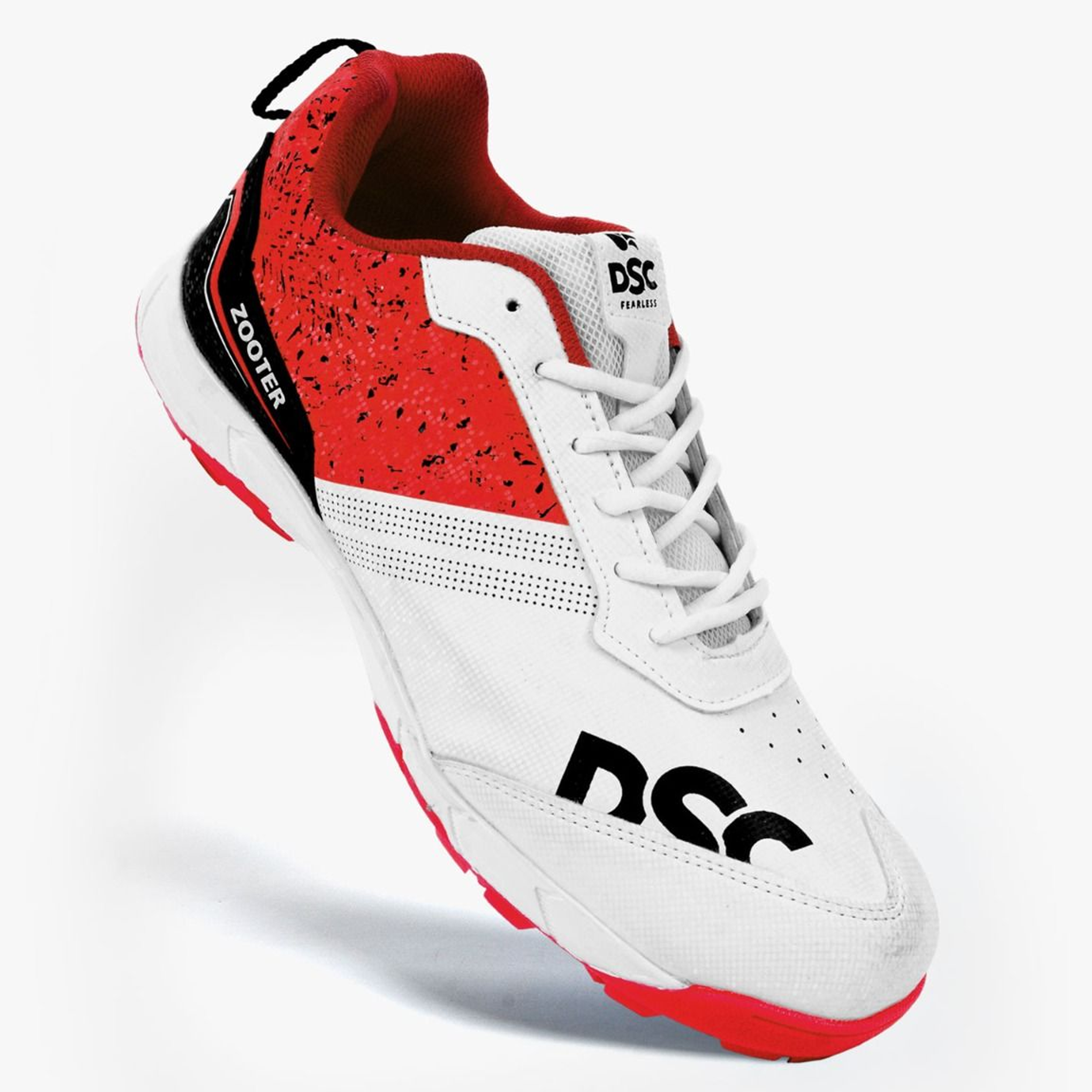
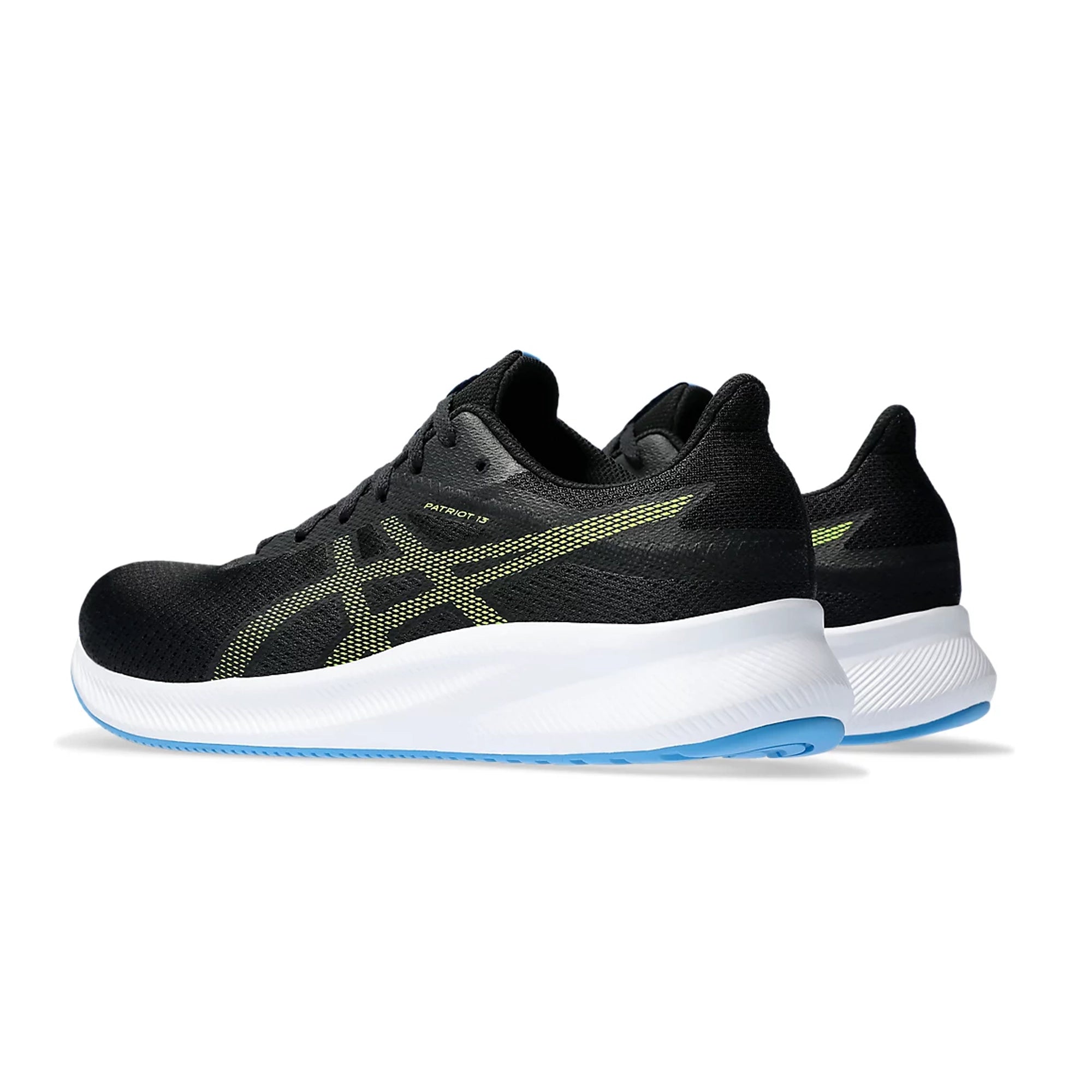
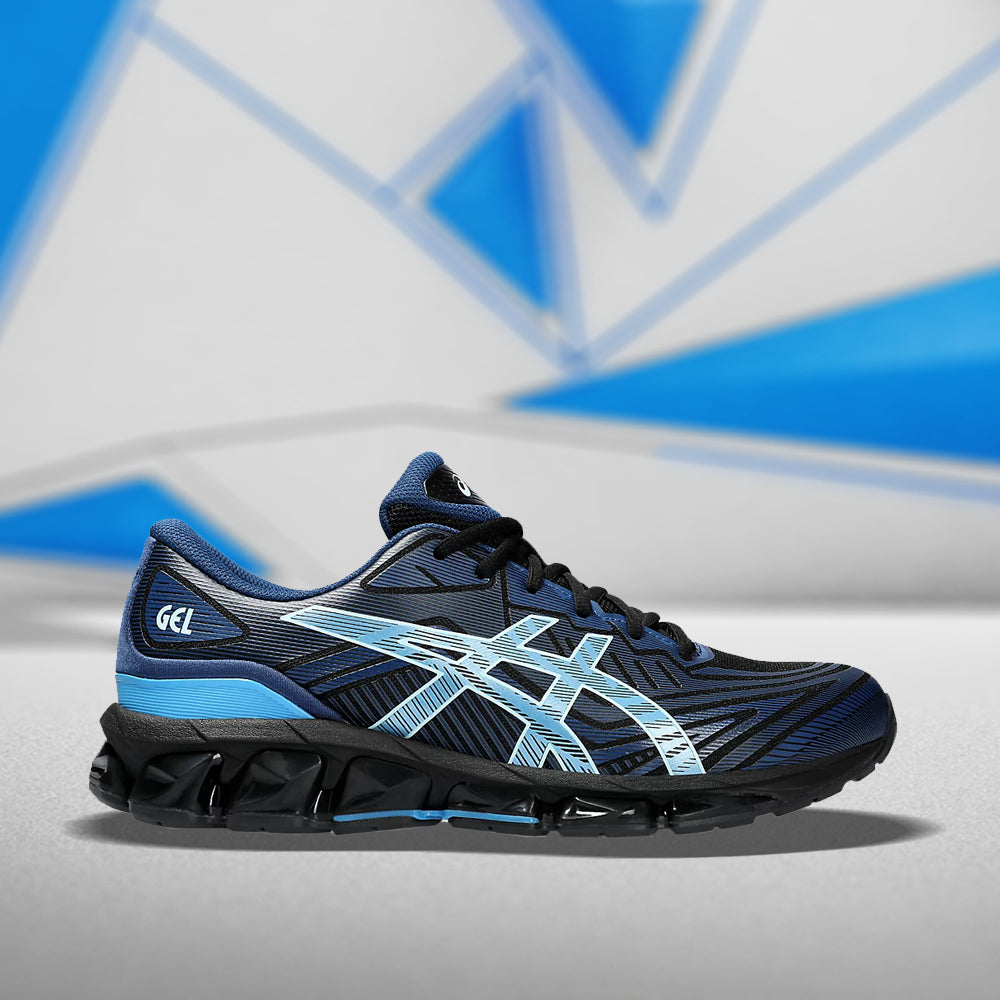
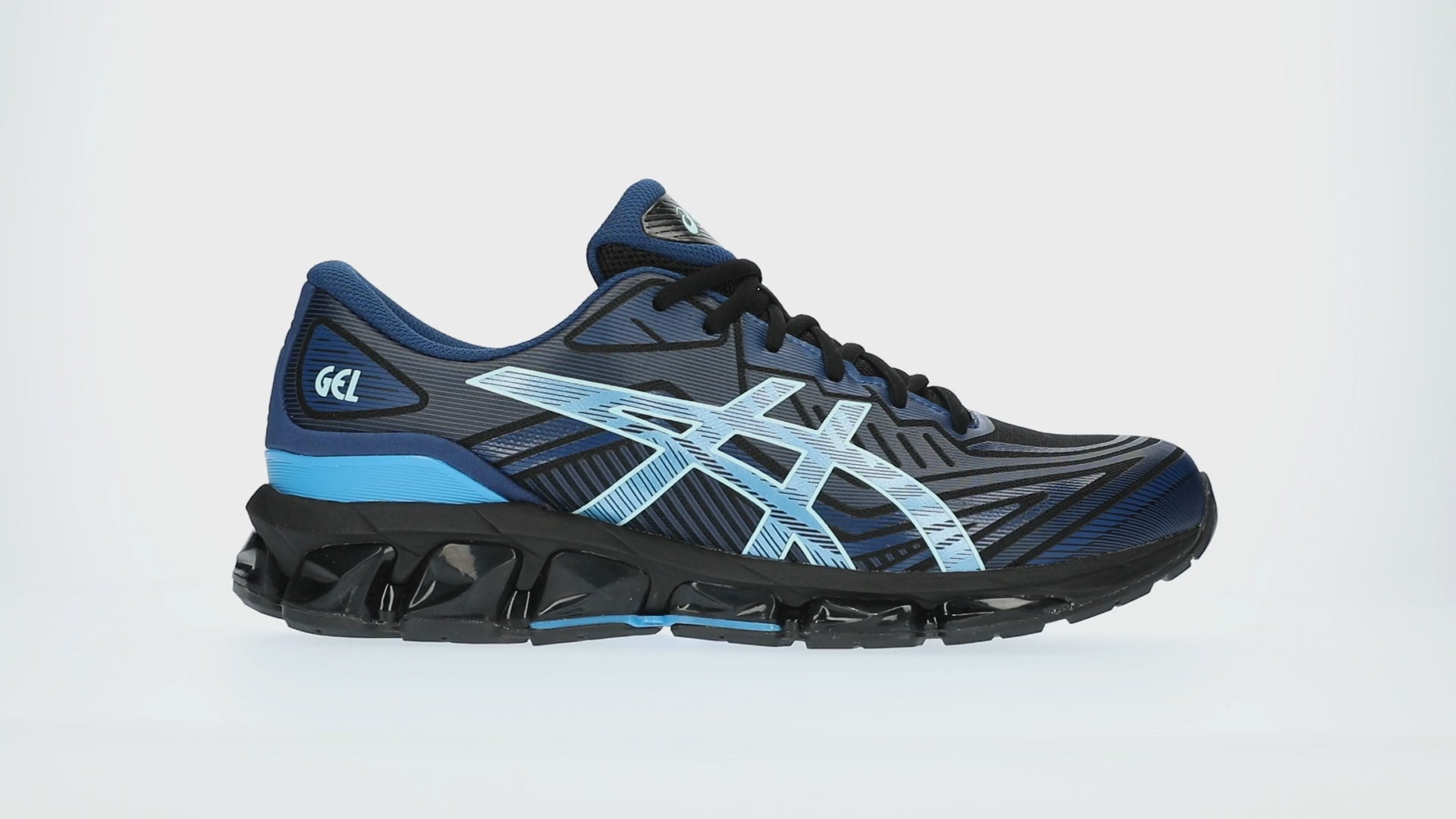
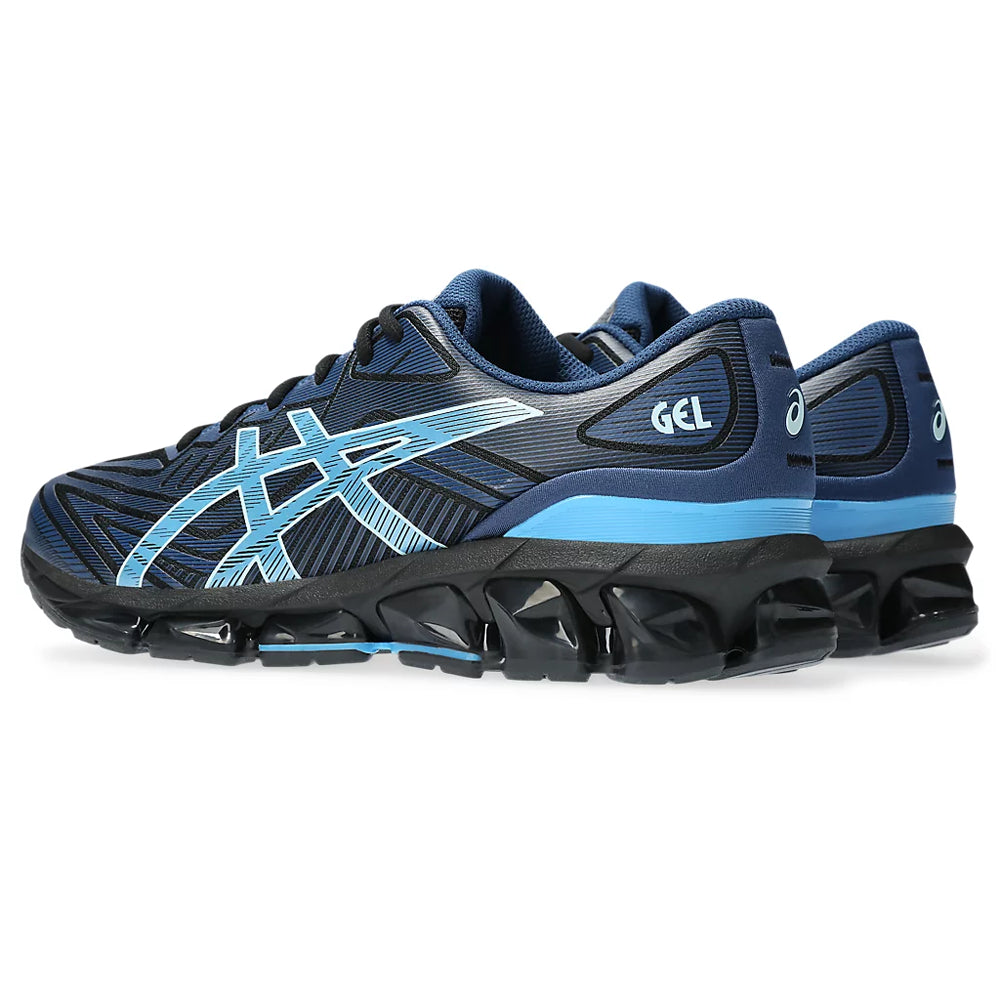
Football boots have evolved dramatically due to improvements in materials and design. Lightweight synthetic materials allow for speed and flexibility, while advanced stud configurations enhance grip and stability, reducing the risk of injuries.
Comparative Analysis of Football Gear
Let's compare some key aspects of football gear to illustrate advancements and choices available for players.
| Aspect | Traditional Gear | Modern Gear |
|---|---|---|
| Ball Material | Leather | Synthetic Leather |
| Durability | Moderate | High |
| Weight of Boots | Heavy Leather | Light Synthetic |
| Stud Configuration | Fixed Blades | Interchangeable |
| Cost | Moderate | Varies (Can be higher) |
Technological Advancements in Training
Advancements in technology have revolutionized training methods, offering new tools for improving skills and strategy.
Wearable Technology
Wearables provide real-time analytics on player performance, tracking metrics such as distance covered, sprint speed, and heart rate. These insights can guide personalized training programs to enhance player efficiency on the field.
Virtual Reality (VR) Training
VR in football training offers immersive environments where players can practice skills and simulate game scenarios. This technology helps in honing reflexes, environmental awareness, and decision-making under pressure.
Conclusion
Football, much more than a sport, is an arena where science and technology continuously reshape players' abilities and advancements in equipment design. By leveraging physics, material science, and the latest technology, football has evolved into a refined art, offering players an edge in honing their skills and enhancing gameplay.


























































































Share:
Cricket: A Beginner's Masterclass in the Gentleman’s Game
The Buying Psychology Behind Badminton Gear