
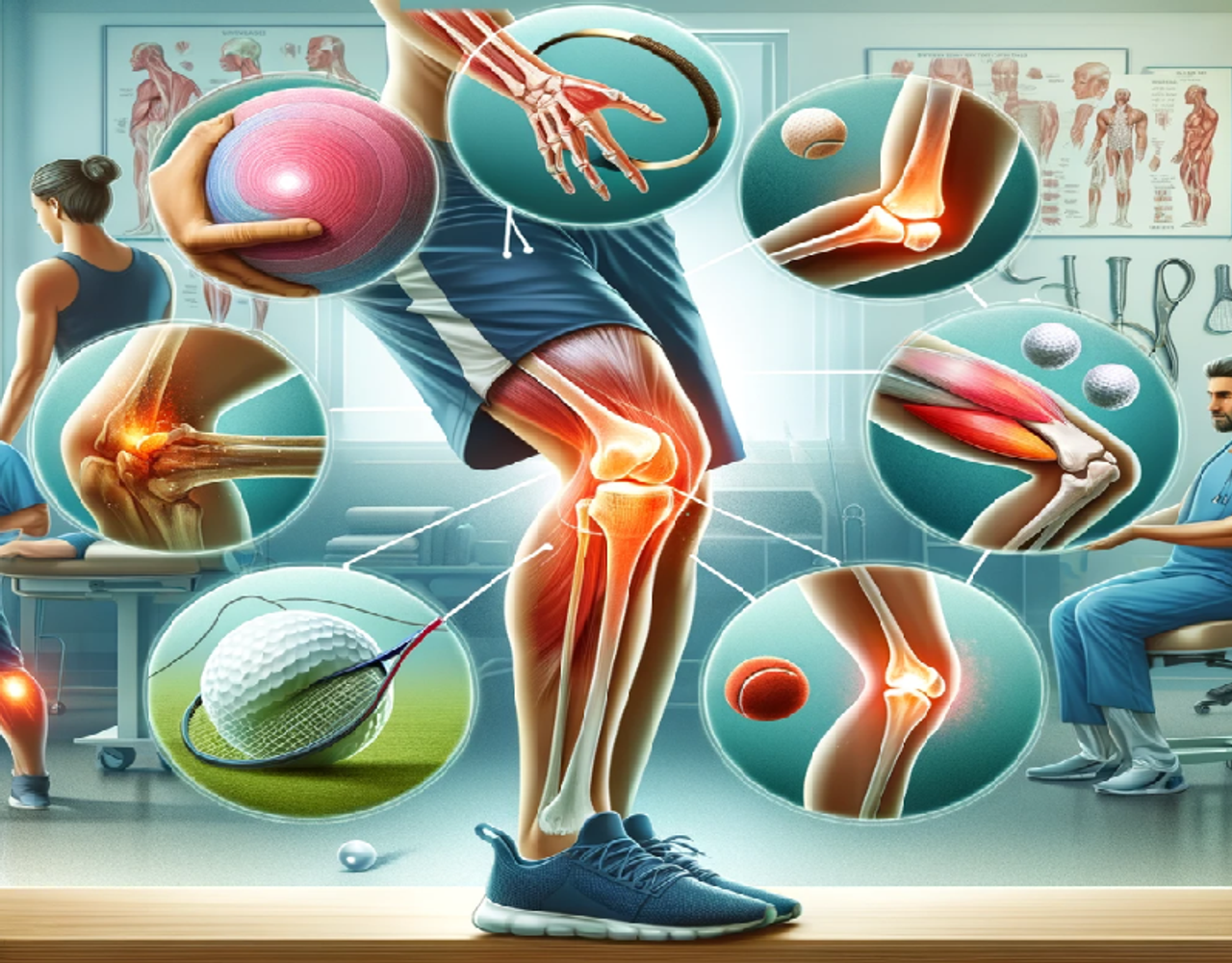
One of the most daunting challenges an athlete can face is the recovery from a serious injury like a torn anterior cruciate ligament (ACL). For many athletes, the ACL is a critical ligament that provides stability to the knee joint, and its damage can disrupt not just their physical abilities but also the trajectory of their sporting career. The journey to recovery is fraught with hurdles, and the initial problem many athletes encounter is unrealistic expectations about recovery timelines.
While the typical recovery period for an ACL injury is often cited as six to nine months, this timeframe can extend significantly due to various factors such as the severity of the injury, the occurrence of complications, or setbacks during rehabilitation. Athletes who rush the process risk long-term consequences, not only physically but also psychologically, as frequent re-injuries or complications such as osteoarthritis can impact an athlete's performance and mental state. Such long-term issues emphasize the importance of adhering to a structured and personalized rehabilitation program designed to restore function and confidence.
Understanding the phased approach to ACL recovery can help athletes and coaches temper expectations and set realistic goals. The acute phase, usually the first few weeks post-surgery, focuses on managing pain, swelling, and beginning gentle range-of-motion exercises. It's imperative during this period to allow proper tissue healing and reduce inflammation for a strong foundation for future phases.
As athletes transition to the recovery phase, typically from the second month onwards, they engage in more intensive physical therapy to regain strength and stability in the knee. This phase often includes balance exercises, weight-bearing activities, and resistance training, all tailored to the athlete's specific needs and sport requirements. Noteworthy is the introduction of eccentric muscle contractions that help fortify the knee joint by strengthening the muscles around it. The emphasis also extends to neuromuscular training, which focuses on restoring proper movement patterns and reducing the risk of future injuries.
The table below outlines the general phases of ACL rehabilitation:
| Recovery Phase | Primary Objectives | Common Exercises |
|---|---|---|
| Acute Phase | Pain and swelling reduction, initiate range of motion | Ankle pumps, passive heel slides |
| Recovery Phase | Restore full knee motion, improve strength and stability | Leg presses, step-ups, balance exercises |
| Functional Phase | Sports-specific drills, proprioceptive training | Lateral movements, plyometrics |
| Return-to-Play Phase | Reintegrate back into training, mental readiness evaluation | Full practice drills, sport simulation |
The transition to the functional phase signifies a pivotal shift as the athlete begins incorporating sports-specific drills that simulate the movements and demands of their sport. This notchy progression calls for careful observation by medical and coaching staff to identify readiness and areas requiring additional focus. Psychological readiness, often underestimated, plays an integral role in this phase. Athletes need mental endurance and confidence to return to their previous levels of competition.
As athletes advance to the final return-to-play phase, the aim is to bring them back to a state where they can compete effectively without compromising their health. This involves fine-tuning agility and speed with high-intensity drills that recreate the pressures of actual competition. Coaches and therapists work closely to ensure athletes are not only physically healed but also mentally prepared to face the demands of their sport.
Ultimately, an athlete’s full recovery involves a delicate balance between physical rehabilitation and mental fortitude. A structured rehabilitation protocol, along with progressive functional training, forms the backbone of a successful return to sport. Athletes should embrace patience as a virtue, allowing each phase to solidify their recovery journey. Platforms like InstaSport provide athletes with resources and community support, ensuring they have the knowledge and encouragement needed to succeed.
Disclaimer: This article is for educational reading about sports injury recovery and does not replace professional medical advice.













































Share:
Rehabilitation Strategies Following Athletic ACL Tears: Navigating Recovery Timelines and Overcoming Setbacks
Mastering the Marathon of ACL Injury Recovery: Strategies and Long-Term Outcomes