
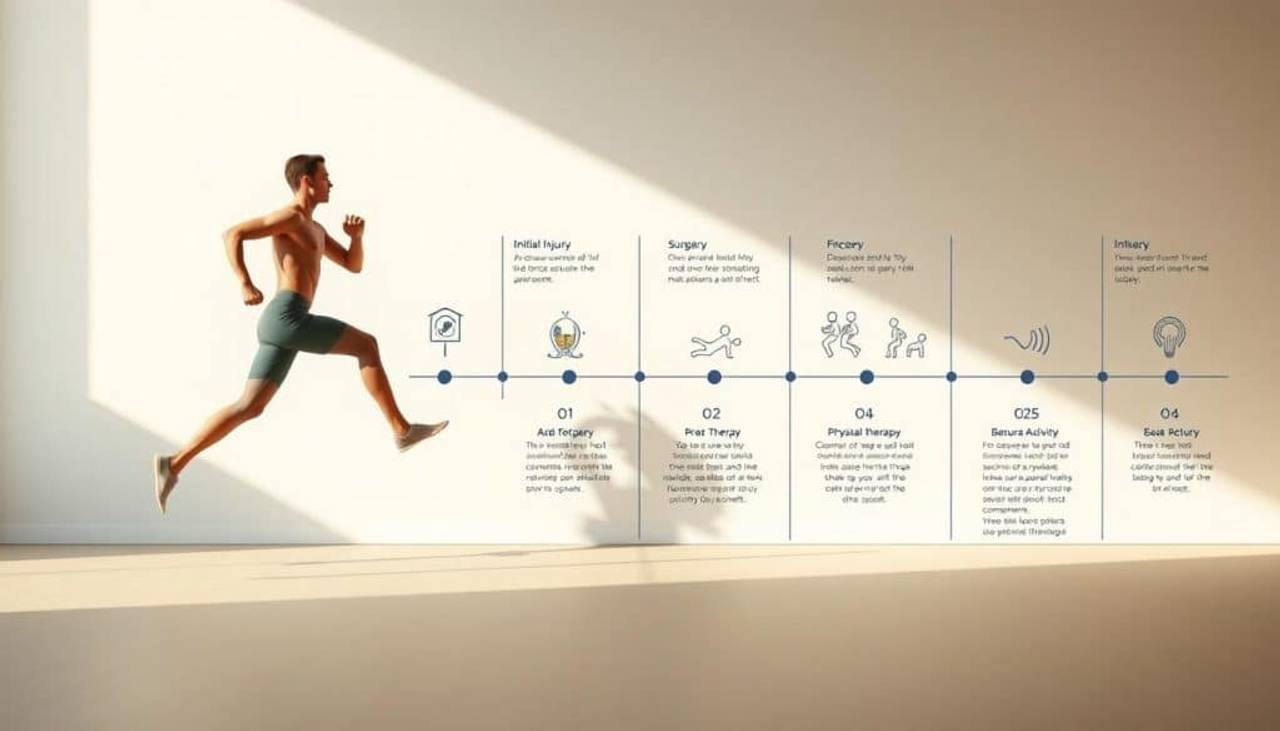
The anterior cruciate ligament (ACL) plays a crucial role in stabilizing the knee joint, and tearing it can be a daunting experience for athletes. Recovery from an ACL tear is often a long, arduous journey that encompasses a multi-phase rehabilitation strategy tailored to the athlete's specific needs and the demands of their sport. From initial diagnostic imaging to readjusting training regimens, the pathway back to peak performance is far from linear. Understanding the nuanced stages of rehabilitation, common setbacks, and strategies for a successful return to play is paramount for anyone aiming to regain full function after such a significant injury.
The journey begins with an acute phase, immediately following diagnosis. Initially, the focus is on managing pain and inflammation while preventing further injury. This typically involves a combination of rest, ice, compression, and elevation (R.I.C.E), coupled with the use of crutches to offload the injured limb. During this period, athletes may also undergo reconstructive surgery if deemed necessary by their medical team, particularly if they wish to continue high-level sports engagements.
Rehabilitation then advances into the recovery and strengthening phase. This stage emphasizes the restoration of knee mobility and strength. Physical therapy is a critical component, integrating exercises that gradually increase in intensity and complexity. Athletes work with physiotherapists to engage in exercises designed to strengthen supporting muscles, such as the quadriceps, hamstrings, and calves, which play a dynamic role in stabilizing the knee. Typical exercises might include straight leg raises, wall sits, and balance drills. Cardiovascular conditioning is also reintroduced, often through methods that minimize knee impact, such as cycling or swimming.
Phases of ACL Rehabilitation:
| Phase | Focus | Typical Duration |
|---|---|---|
| Acute Phase | Pain and swelling reduction, initial movement | 1 to 2 weeks |
| Strengthening Phase | Restore movement, muscle strengthening | 2 to 6 months |
| Advanced Training | Sport-specific drills, plyometrics | 6 to 9 months |
| Return-to-Play | Full training and competition re-entry | 9+ months |
Succeeding the recovery stage is the sports-specific training phase, where athletes refine movements and increase their sport-related skills. This phase is tailored to the specific sport, involving exercises that mimic in-game scenarios. For example, soccer players might focus on exercises that simulate sudden directional changes or explosive sprinting. Pivoting, jumping, and landing mechanics are critical focal points, as they address the typical movements where ACL injuries often occur. Psychologically, returning athletes must conquer fears of re-injury, which can be as formidable as physical barriers. Sport psychologists often play a role in helping athletes reinstate their confidence and mental resiliency.
Integral to this process is adhering to well-established return-to-play (RTP) protocols. Instead of rushing back to action, it's crucial for athletes to undergo a series of functional and biomechanical assessments to ensure knee stability, strength, and overall readiness. These may include hop tests, strength benchmarks, and agility assessments, which collectively offer a more comprehensive evaluation of an athlete’s preparedness.
Despite best efforts, setbacks can occur. These might manifest as inflammation flare-ups or unexpected pain, necessitating a temporary regression in rehabilitation activities to allow for healing. Injury recurrence is another potential hurdle, often resulting from prematurely advancing in a rehabilitation program or insufficient strength gains. This underlines the importance of clear communication between the athlete, therapists, and trainers to make readjustments to the rehabilitation plan as needed.
A vital component in this rehabilitation odyssey is crafting a personalized nutritional plan that supports healing and muscle recovery. Adequate protein intake, combined with anti-inflammatory foods rich in omega-3 fatty acids, can support tissue repair. Moreover, supplements like collagen may play a role in supporting joint health during this recovery phase.
In the modern era, digital tools and platforms like InstaSport have further revolutionized injury rehabilitation by offering resources and virtual support communities for athletes. These platforms provide athletes with unique opportunities to track their progress, connect with rehabilitation experts, and even virtually participate in targeted workouts tailored to their specific recovery phase. Utilizing comprehensive sports injury resources allows athletes to stay informed and motivated throughout their rehabilitation journey, ensuring they can return to their sport not just healed, but stronger.
Disclaimer: The content here discusses sports injury recovery in a general context and should not be treated as medical, diagnostic, or technical guidance.































Share:
Navigating the Long Road of Sports Injury Recovery: Challenges and Insights
Achieving Optimal Recovery: Navigating ACL Injuries in Athletic Careers