
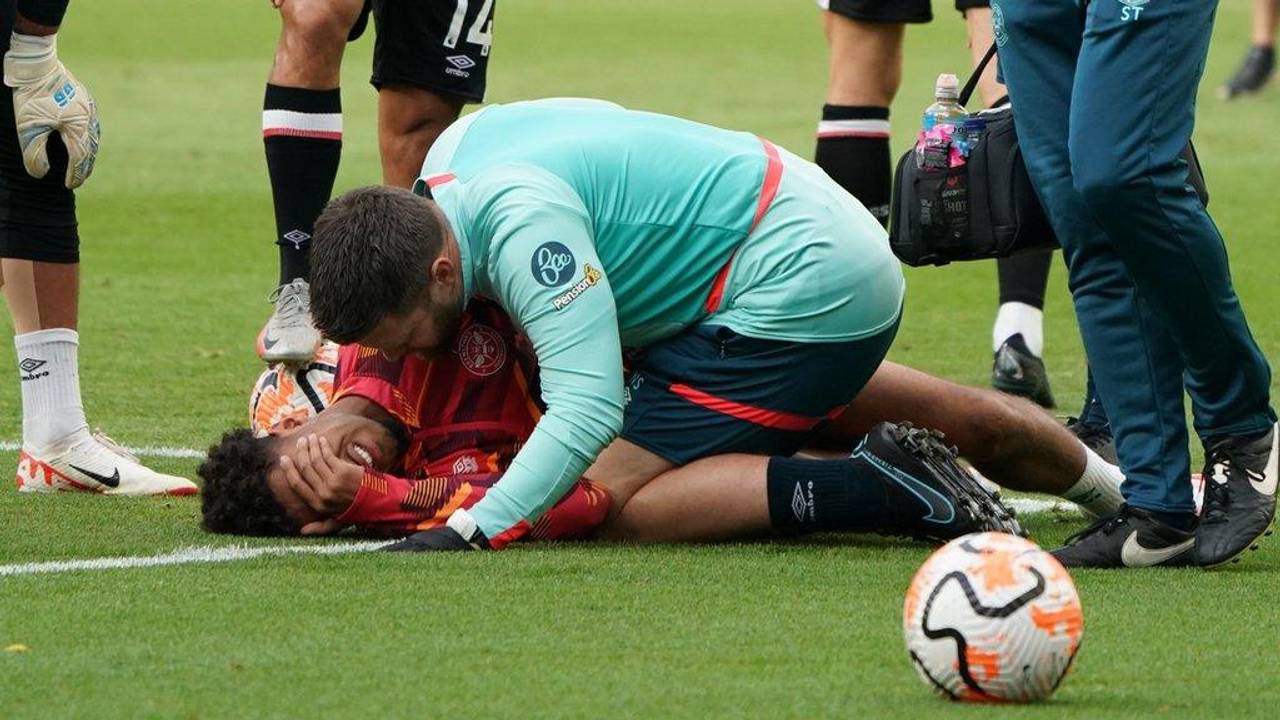
Advanced Strategies: Recovering from Groin Strains in Soccer Players
Groin strains are a common issue across many sports but are particularly prevalent in soccer due to the nature of the movements involved, such as quick direction changes, kicking, and running at various speeds. In this article, we will delve into the recovery timeline of groin strains specifically for soccer players, discuss potential setbacks, and explore biomechanical performance considerations that aid in effective rehabilitation.
Recovery Timeline for Groin Strains
The timeline for recovering from a groin strain can vary significantly based on the severity of the injury and the individual’s response to treatment. Most cases fall into one of three categories:
- Grade I (Mild Strain): Involves microtearing of muscle fibers. Recovery time is typically 1-2 weeks.
- Grade II (Moderate Strain): Involves partial tearing, leading to a more prolonged recovery period of approximately 3-6 weeks.
- Grade III (Severe Strain): Complete muscle tear that may require surgical intervention, with recovery extending from 8 weeks to several months.
The recovery process begins with a period of rest to allow the injured tissues to initiate healing. As soccer players advance through the healing process, they engage in gradually intensified rehabilitation exercises.
| Stage | Time Frame | Focus |
|---|---|---|
| Stage 1: Acute Phase | 0-72 hours post-injury | Rest, Ice, Compression, Elevation (RICE); Light stretching |
| Stage 2: Subacute Phase | 3 days - 3 weeks | Gentle stretching and range of motion exercises |
| Stage 3: Early Rehabilitation | 2-6 weeks | Strength and stability exercises, low-impact aerobic conditioning |
| Stage 4: Advanced Rehabilitation | 3-8 weeks | Sports-specific training, neuromuscular drills |
| Stage 5: Return to Play | 6+ weeks | Full training with team, gradual return to competition |
Delays and Setbacks in Recovery
While adherence to a rehabilitation program is crucial for good outcomes, setbacks can occur. Common reasons for delays include overexertion during recovery, premature return to play, and inadequate rehabilitation strategies.
Overexertion
One of the more common issues is the eagerness of athletes to leap back into full activity too soon. This can lead to re-injury, extending the time needed for a reliable recovery. Soccer players must adhere strictly to the rehabilitation timeline and heed professional medical advice.
Premature Return
Another section of delayed recovery is the premature return to competitive soccer without appropriate functional recovery. Focused tests evaluating agility, strength, and muscle balance are critical prior to clearance for full return.
Inadequate Rehabilitation
Rehabilitation programs that neglect core strengthening or fail to address biomechanical abnormalities can lead to chronic groin pain. Programs should integrate dynamic stretching, core stability, and balance exercises to achieve a comprehensive recovery.
Biomechanical Considerations for Optimal Recovery
Biomechanics play a crucial role in both injury occurrence and rehabilitation success. One significant aspect is ensuring the alignment and strength balance of the hip and core muscles. Proper biomechanics are essential in reducing the risk of ongoing or additional injuries during the recovery process.
Key areas to address include:
- Hip and Adductor Strength: Ensuring balanced strength in these muscles helps stabilize the pelvis during dynamic movements.
- Core Stability: A strong core contributes to improved lower body mechanics and lessens strain on the groin area.
- Flexibility: Adequate flexibility in the hip flexors and adductors aids in the proper range of motion, crucial for soccer movements.
Biomechanical assessments and functional movement screens can detect asymmetries or weaknesses that may have contributed to the injury. Addressing these through targeted exercises can expedite recovery and lessen the risk of recurrence.
Conclusion
Recovery from a groin strain requires not only patience and diligent adherence to a therapeutic program but also attention to the biomechanics of soccer movements. By focusing on core stability, muscle balance, and gradually progressing through a well-structured rehabilitation process, soccer players can successfully return to the field while minimizing the risk of further injury.
For athletes looking to closely monitor their recovery progress and return to peak performance, InstaSport offers comprehensive data analytics tools that cater to personalized rehabilitation goals.
Disclaimer: This article is intended for general informational purposes only and reflects common patterns in sports injury recovery. It is not medical or technical advice.













Share:
Rehabilitation Strategies for Optimal Recovery from Ankle Sprains in Basketball Athletes
Resurgence from Ruin: The Journey of Achilles Recovery in Athletes