
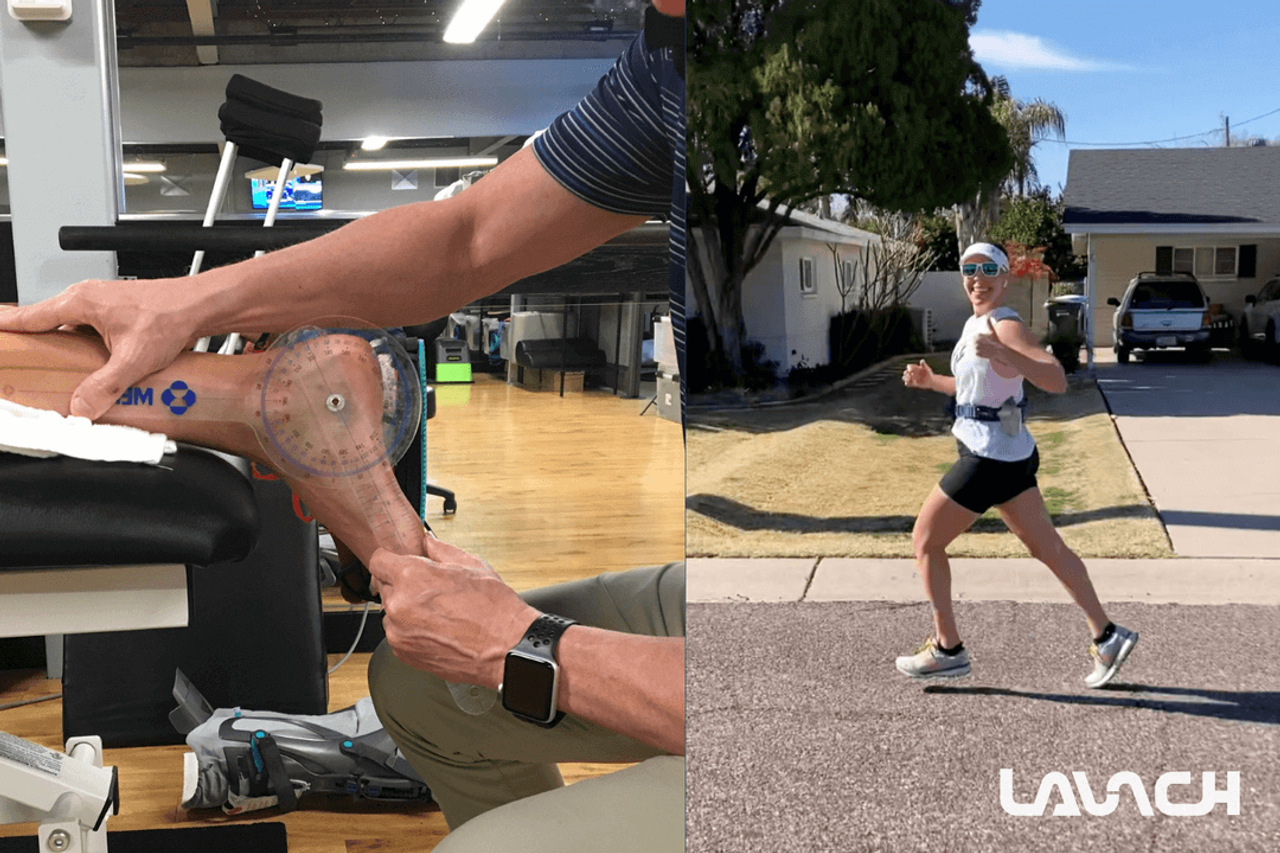
Resurgence from Ruin: The Journey of Achilles Recovery in Athletes
The story of athletic triumph is often shadowed by its less glamorous companioninjury. Among the most daunting of these is the Achilles tendon rupture, a debilitating injury that can shatter careers and, in some cases, dreams. The pain and despair associated with a ruptured Achilles often strike a blow not just to the body but to the spirit of the athlete as well. However, beneath this cloud of adversity lies a path to recovery and redemption, illuminated by the experiences of those who have traveled it before.
Failures and Their Lessons
Consider the case of professional distance runner, Sarah. At the height of her career, Sarah's Achilles tendon gave way during a crucial event. The initial prognosis was not optimisticmonths of recovery time were inevitable, and there was no guarantee of a return to her previous form. Despite aggressive rehabilitation efforts, Sarah would endure setbacks that are not uncommon with this injury. The Achilles tendon, a robust band of tissue, demands patience and precise recovery protocols, which are sometimes sidestepped in the anxious rush to regain fitness.
Similarly, the story of Alex, an avid amateur athlete, provides a stark reminder of the pitfalls that can derail recovery. Eager to return to his running regime, Alex underestimated the necessity of compliance to a recovery schedule tailored by professionals. His haste led to a re-rupture, further delaying his return to sport and teaching a hard lesson on the importance of patience and adherence to medical advice.
The Path to Effective Recovery
These stories of setbacks emphasize a critical realityin recovery from Achilles tendon ruptures, there is no substitute for a well-structured, patient approach. Understanding the mechanics of injury and recovery is essential, as is the acceptance of time as a crucial component.
Physical Therapy
One core component of any successful recovery is physical therapy. Therapists work tirelessly to devise routines that gradually reintroduce strength and flexibility to the affected area. The chart below outlines key stages:
| Stage | Focus | Exercises |
|---|---|---|
| Early Recovery (0-2 weeks) | Protection & Rest | Non-weight bearing activities |
| Intermediate Phase (2-8 weeks) | Controlled Mobility | Gentle range of motion exercises |
| Strengthening Phase (8-16 weeks) | Increase Strength | Resistance training, calf raises |
| Advanced Training (16+ weeks) | Return to Sport | Sport-specific drills, full range activities |
Patience and Persistence
The psychological component of recovery cannot be overstated. Athletes like Sarah and Alex found solace in embracing the slow, progressive nature of rehabilitation. While setbacks are disheartening, understanding that progress is not linear allows athletes to maintain motivation over the long haul. Embracing the recovery journey itself, rather than just the end goal of returning to sport, can foster resilience and mental toughness.
Innovative Techniques
In recent years, advancements in sports medicine have provided new tools for recovery. Techniques such as platelet-rich plasma (PRP) injections, which involve using a concentration of the athlete's own platelets to accelerate the healing of the Achilles tendon, represent important bridges between traditional recovery exercises and surgical intervention. Similarly, devices like anti-gravity treadmills enable athletes to commence running without the full impact stress, thereby facilitating an earlier yet controlled return to activities.
Balance and Return to Sport
The timeline back to competitive level differs for each athlete, dependent on myriad factors including age, overall health, and the severity of the injury. Coaches and healthcare providers stress the importance of a gradual build-up, evidenced by structured schedules that reflect the progression suitable for the athlete's state.
The Long View: Sustainable Return
Upon officially returning to training and competition, a proactive approach in monitoring and maintaining tendon health is essential. Continued attention to exercises, and cross-training to maintain balanced muscle strength can help prevent future injuries. Nutrition and thoughtful rest further fortify recovery, laying a new foundation for enduring athletic performance.
The road to recovery is long and often winding, but with careful adherence to protocols and a committed spirit, athletes can find themselves not just back in the game, but stronger, more resilient, and mentally prepared for whatever challenges lie ahead. For those seeking support and guidance through this intricate process, platforms like InstaSport provide invaluable resources and connect individuals to a community that understands and champions their journey.
Disclaimer: This article is intended for general informational purposes only and reflects common patterns in sports injury recovery. It is not medical or technical advice.



































































Share:
Advanced Strategies for Groin Strain Recovery in Soccer Players: A Biomechanical Approach
Healing The Achilles: A Soccer Player's Journey Through Injury Recovery and Success