
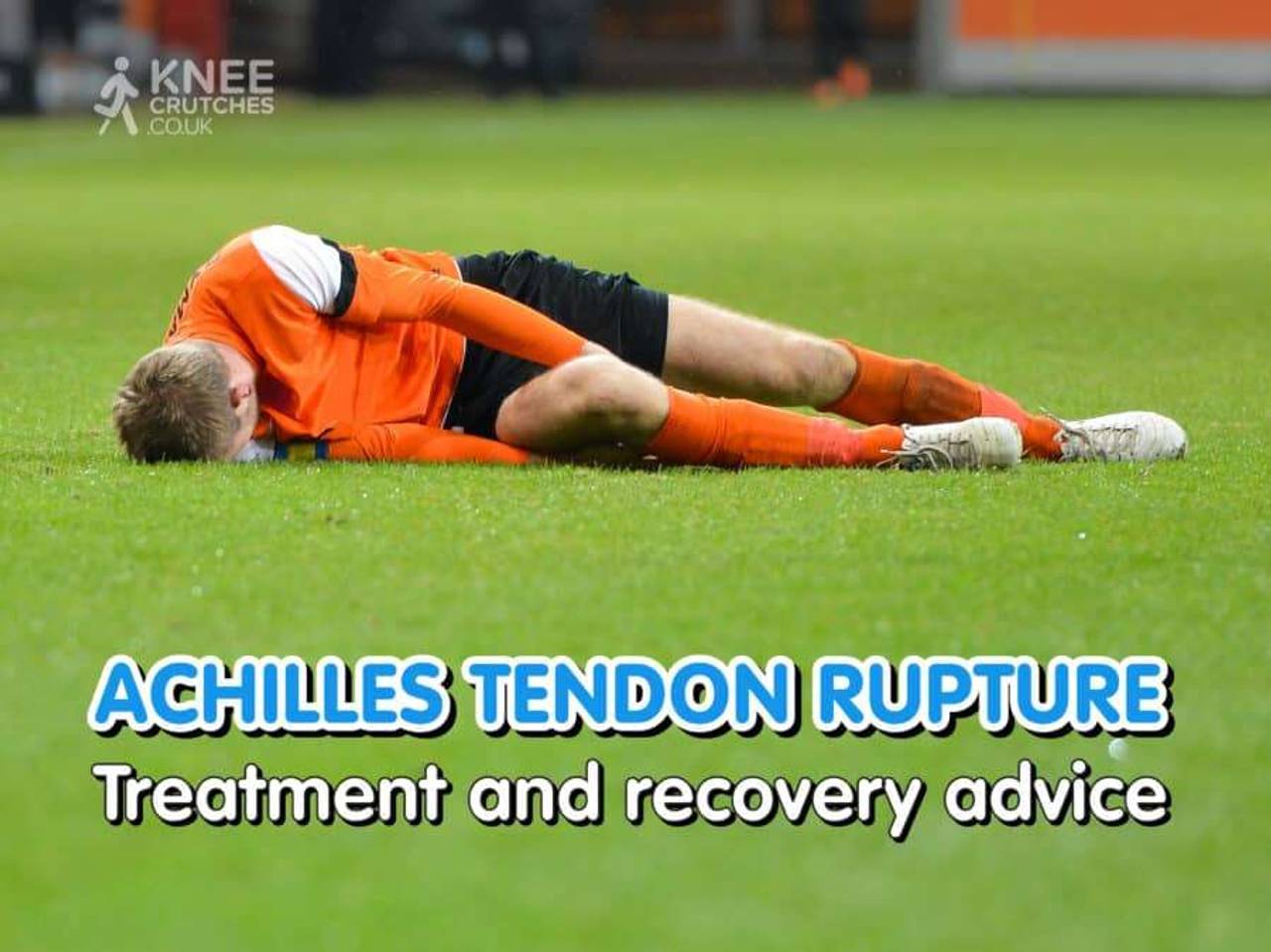
In the world of recreational soccer, vascular images of well-manicured fields, enthusiastic cheers, and the thundering echoes of a well-struck ball off a cleat paint a picture of invincibility and exuberance. Yet, a sudden, sharp snap signals a stark interruption. Mike, an avid weekend warrior, reflects as he lays in a hospital bed, grappling with the implications of an Achilles tendon rupturea telling reminder of the vulnerability inherent in such a spirited pursuit.
Mike’s story is not unique; it is shared by thousands of recreational players each year. Yet, the path from injury to recovery is fraught with complexities and variables that can determine the success or failure of rehabilitation. A comprehensive, systems-level analysis reveals why some recoveries triumph while others dwindle.
The Biological Foundation
Understanding the biological underpinnings of recovery is crucial. The human body is a marvel of adaptation and recovery, but it needs the right conditions to heal efficiently. Successful recovery from an injury like an Achilles tendon rupture is contingent upon several physiological factors:
- Blood Supply: Adequate circulation is critical to deliver necessary nutrients and remove metabolic waste. Compromised vascularity in the distal tendons can delay healing.
- Cell Turnover Rate: The rate at which cells regenerate affects recovery speed. Certain genetic and systemic factors can hasten or impede cellular processes.
- Inflammatory Response: Initial inflammatory responses are vital, but chronic inflammation can hinder healing and lead to tendinopathy.
Rehabilitation Protocols: Tailoring Recovery to the Individual
The execution of a carefully devised rehabilitation protocol is instrumental in a successful recovery. The specifics of a tailored rehabilitation plan should reflect the nature of the injury, patient's health status, and even psychological readiness:
- Customization: Individual assessments can identify the best blend of mobility, strength, and proprioception exercises.
- Progress Monitoring: Regular assessments allow for adjustments, ensuring the plan evolves with the patient’s recovery trajectory.
- Multidisciplinary Approach: Collaboration among physiotherapists, orthopedists, and nutritionists often leads to more comprehensive care.
Psychological Aspect of Recovery
Mental resilience plays an underappreciated but pivotal role in recovery. Coping with setbacks and maintaining motivation can significantly impact physical outcomes:
- Mindset Training: Approaches such as cognitive-behavioral therapy can enhance mental toughness.
- Support Systems: Encouragement from family, peers, and professional counseling can foster a positive outlook.
- Goal Setting: Realistic yet ambitious targets sustain motivation and focus.
External Influences: Environment and Equipment
The environment and gear used by athletes significantly affect the success rate of recovery:
- Playing Surfaces: Soft, well-maintained fields reduce stress on the body, aiding quicker recovery.
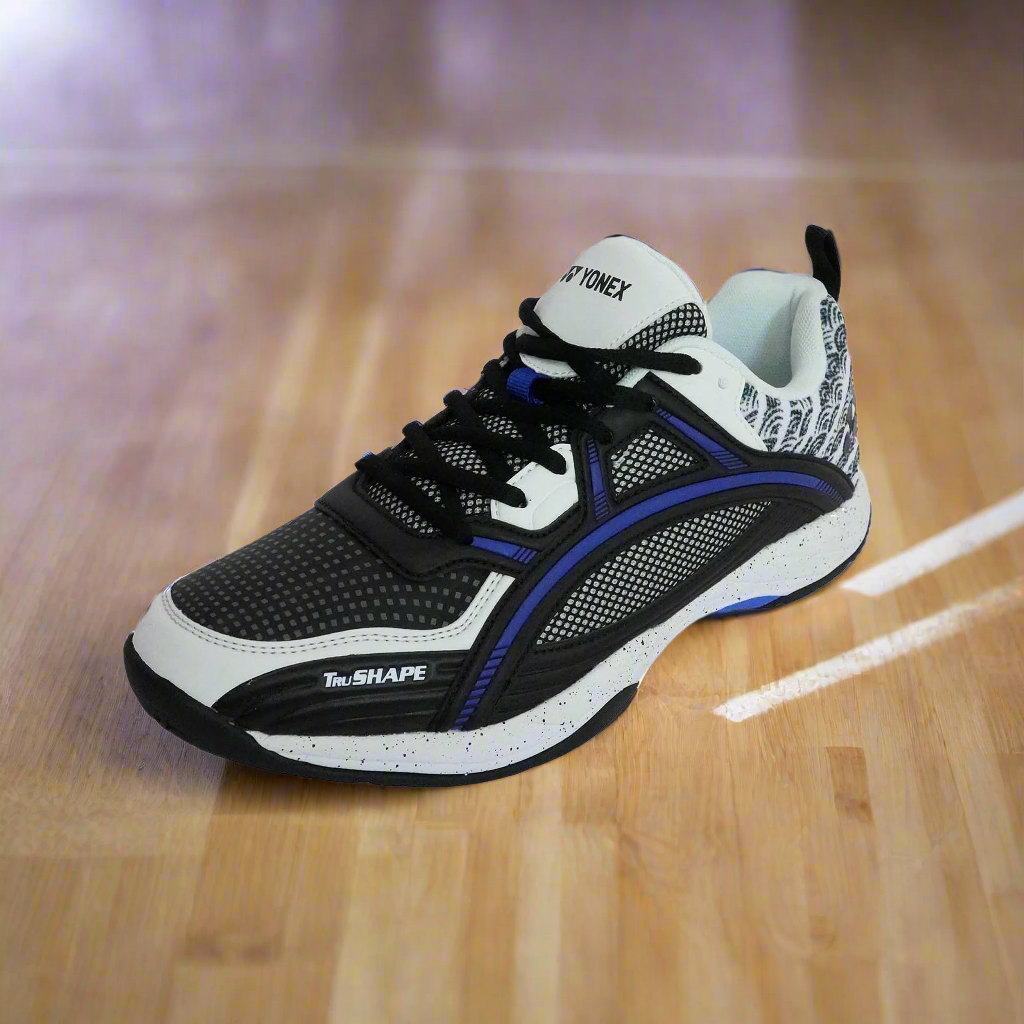
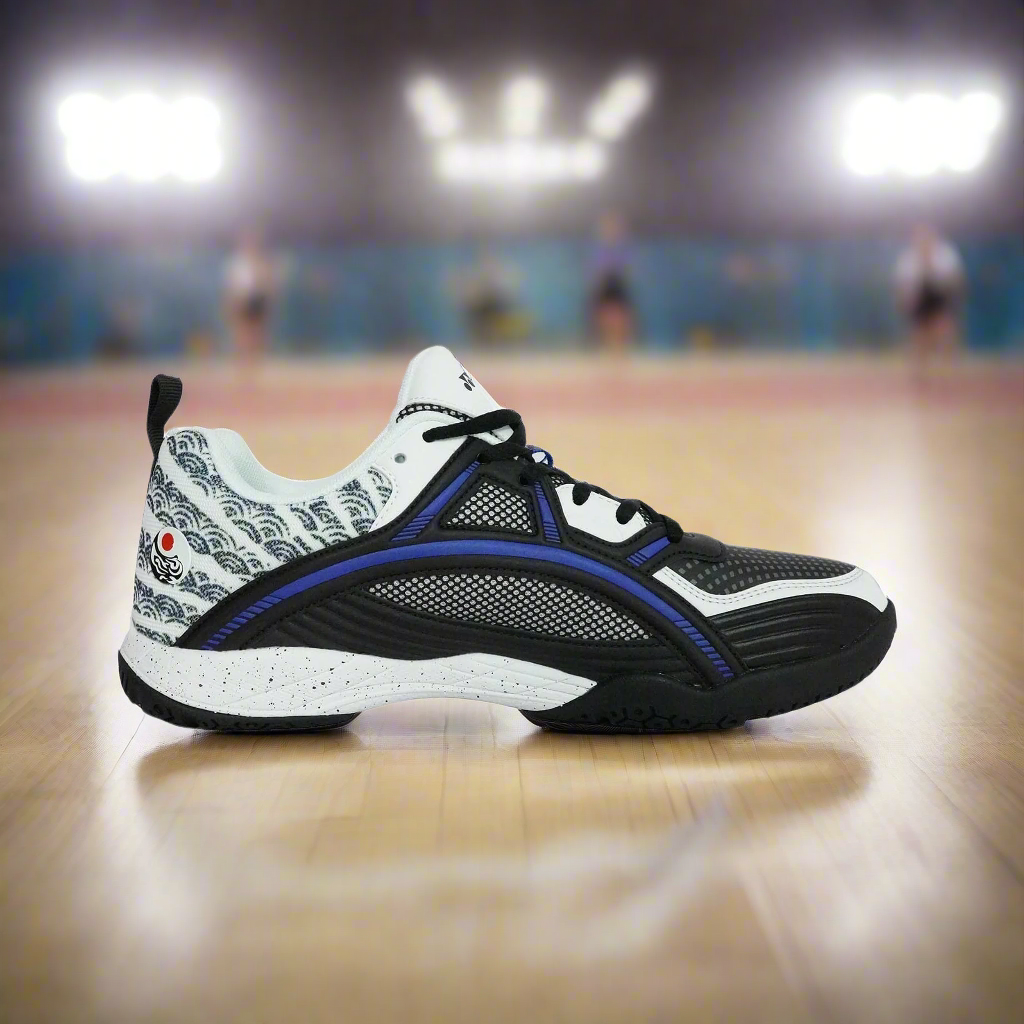
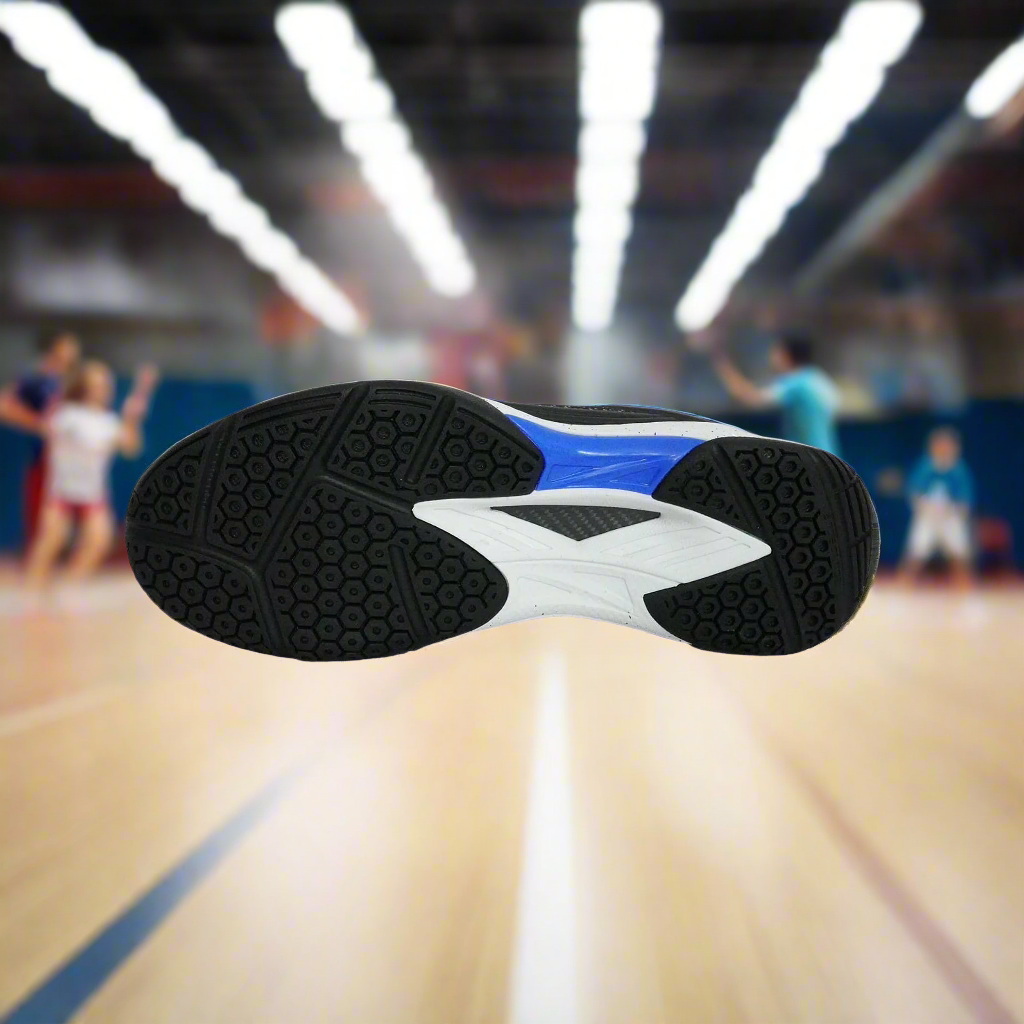
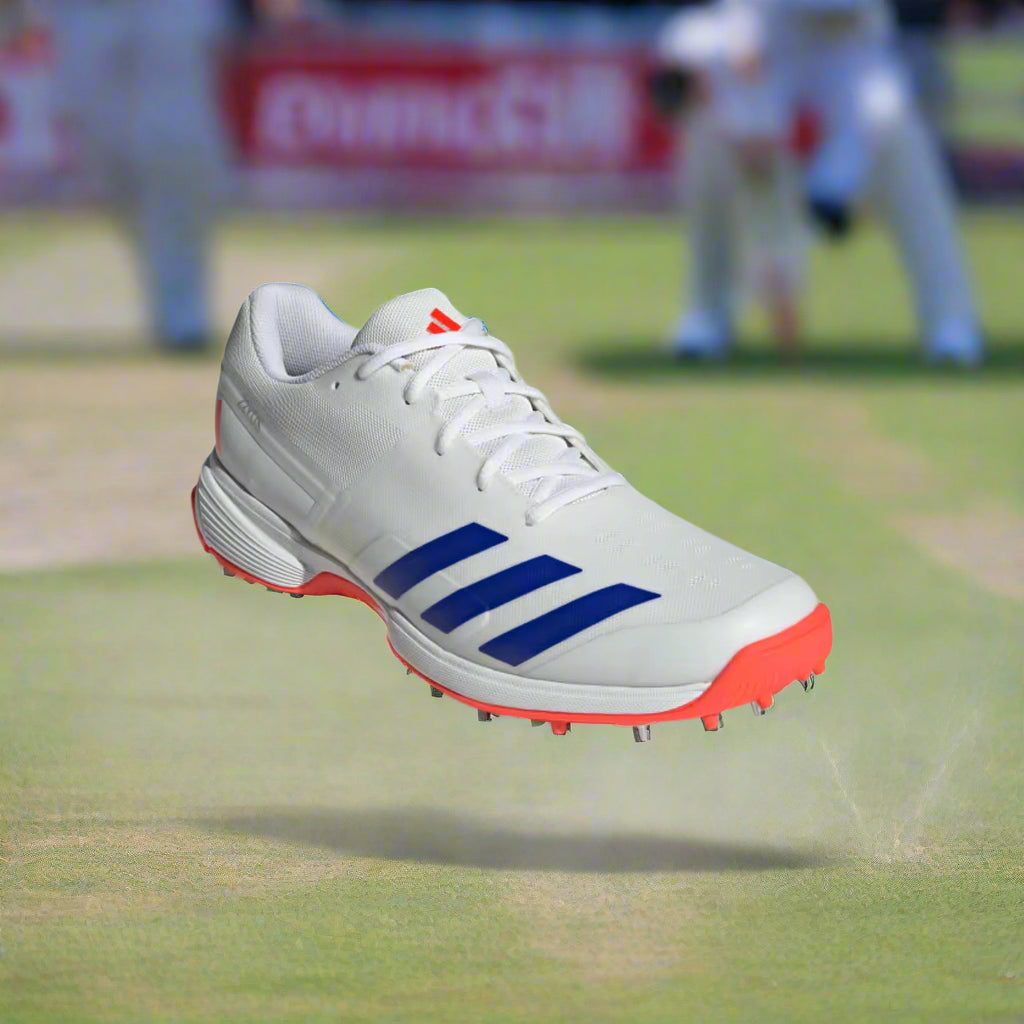
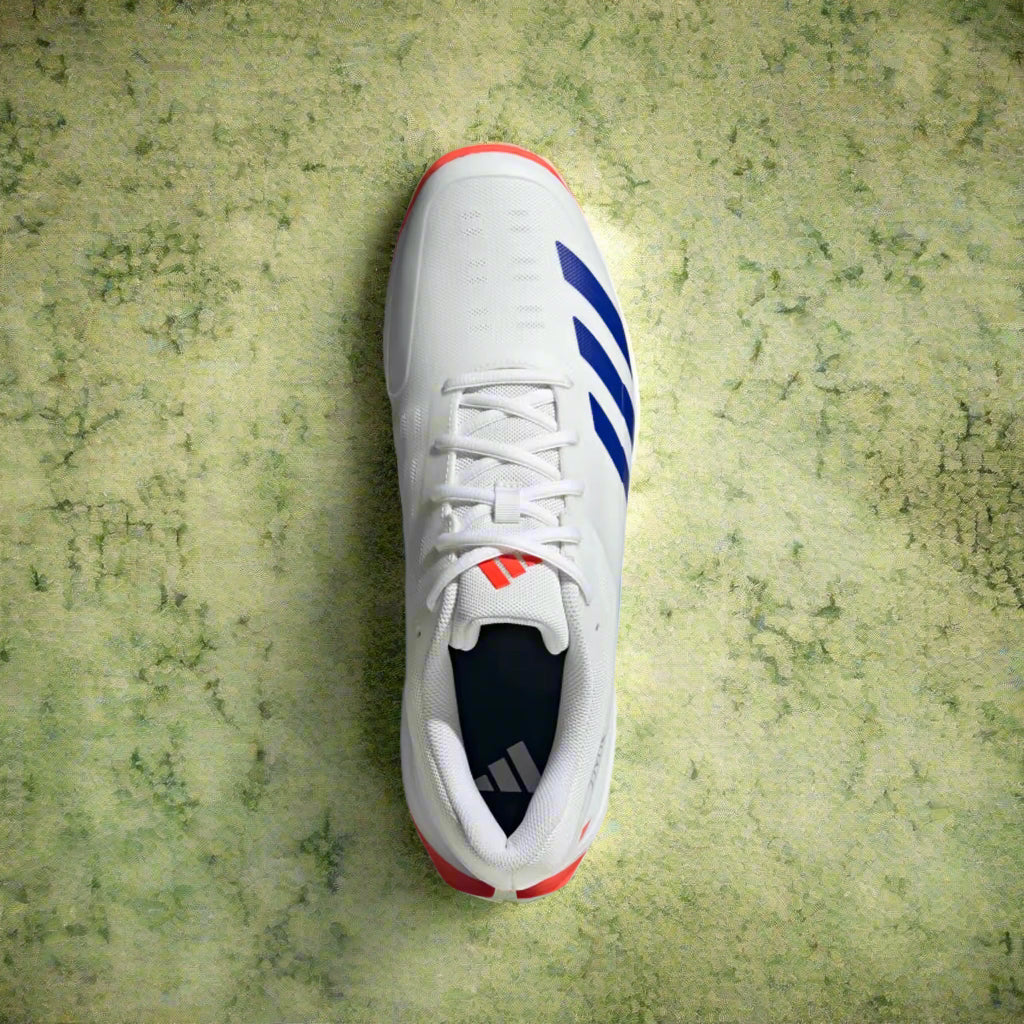
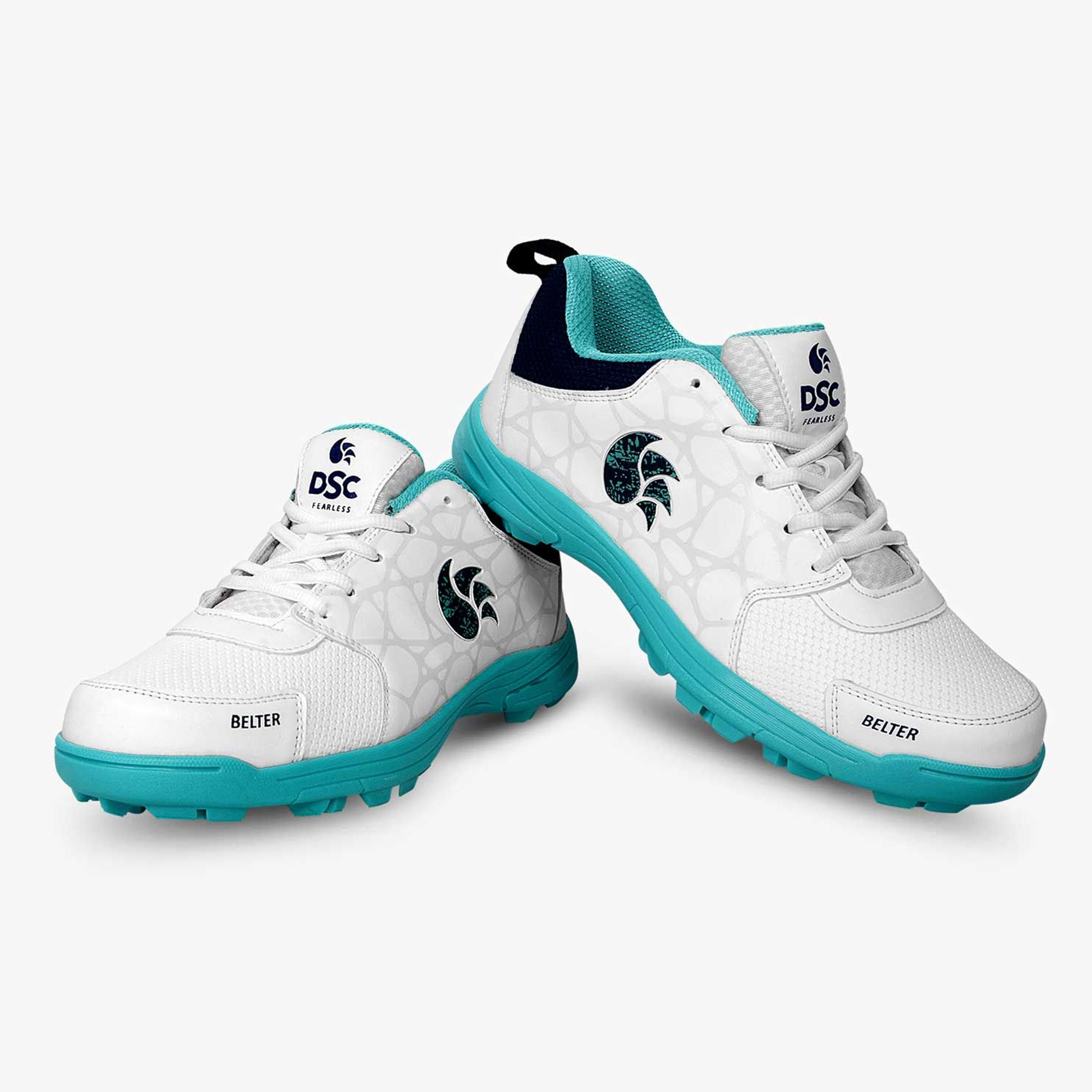
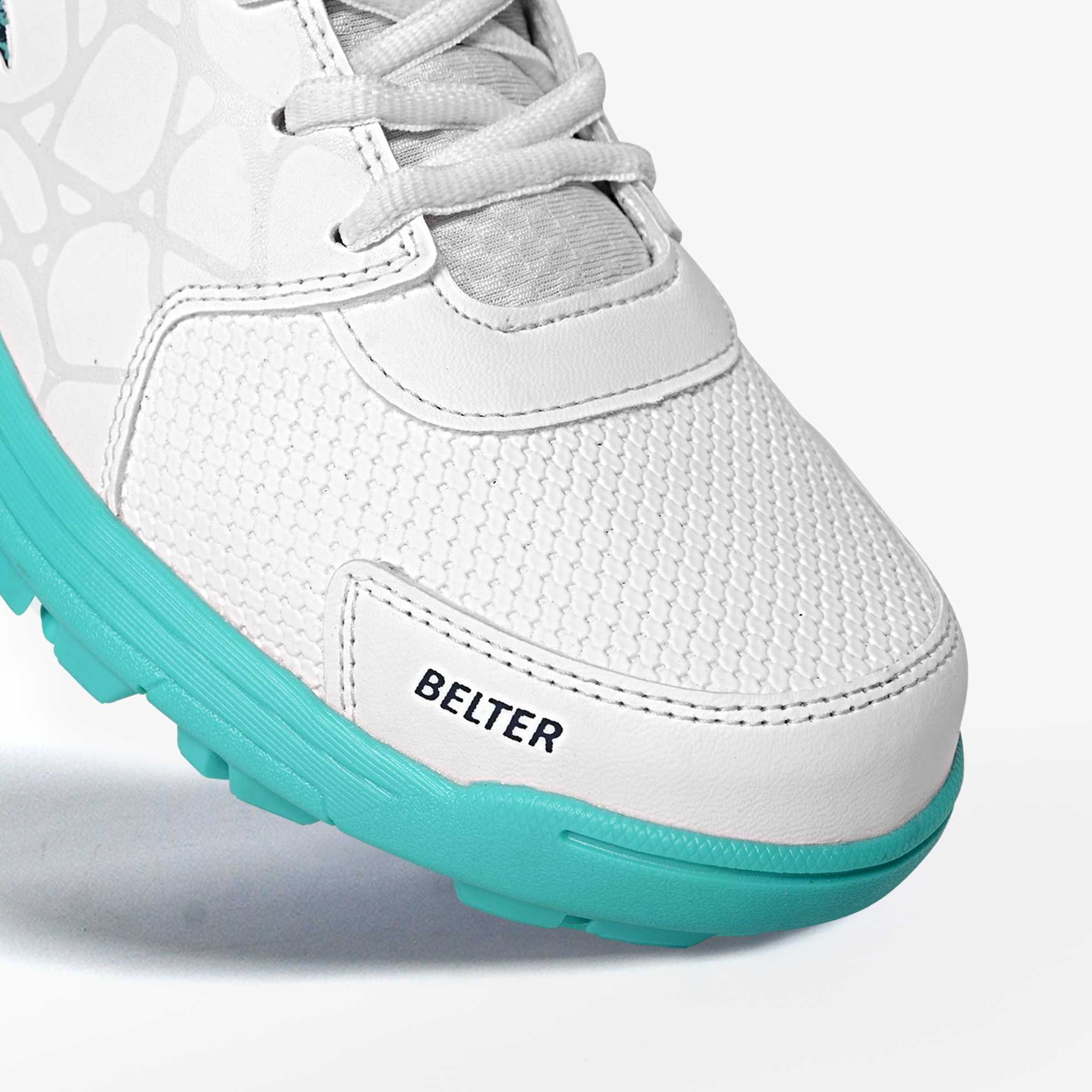
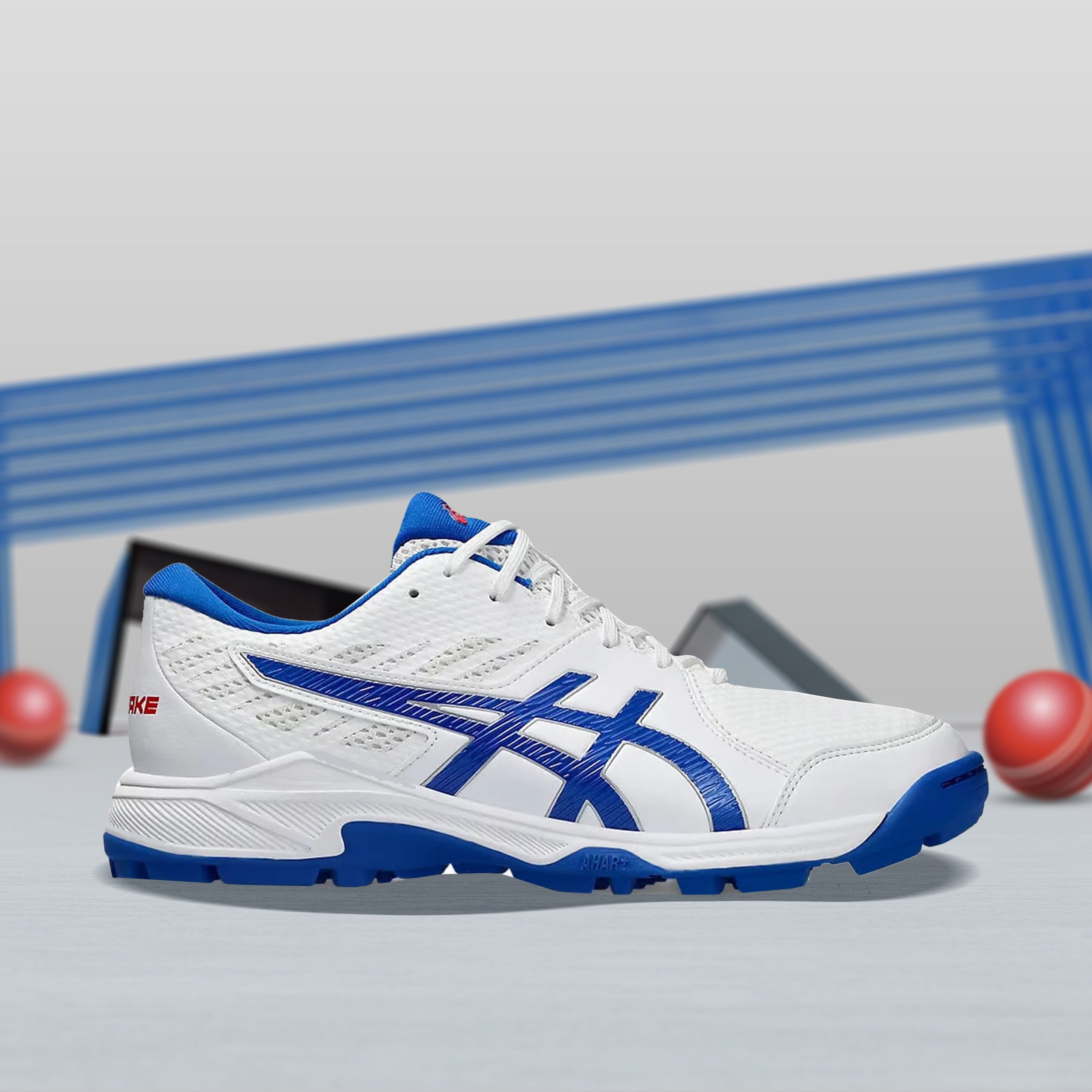
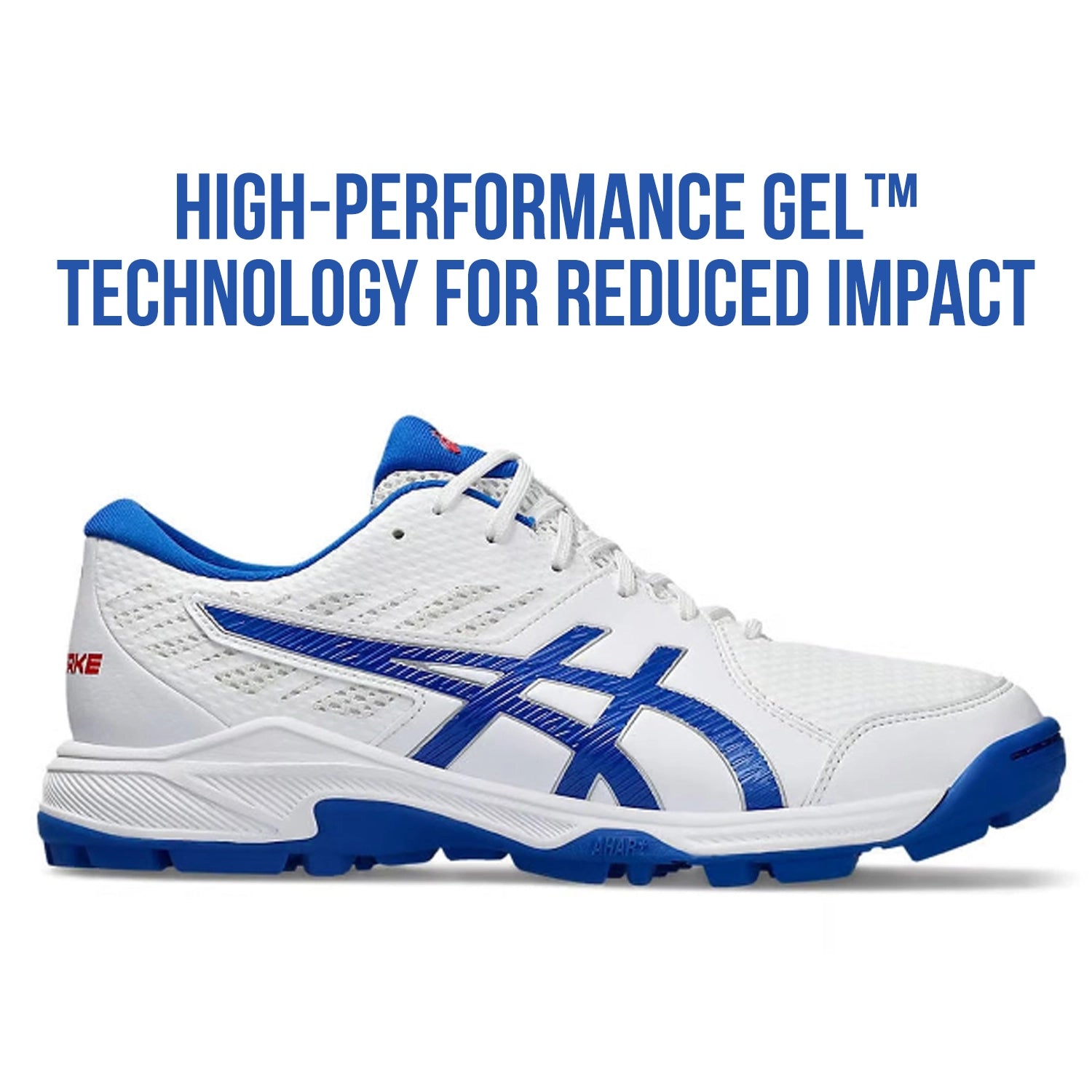
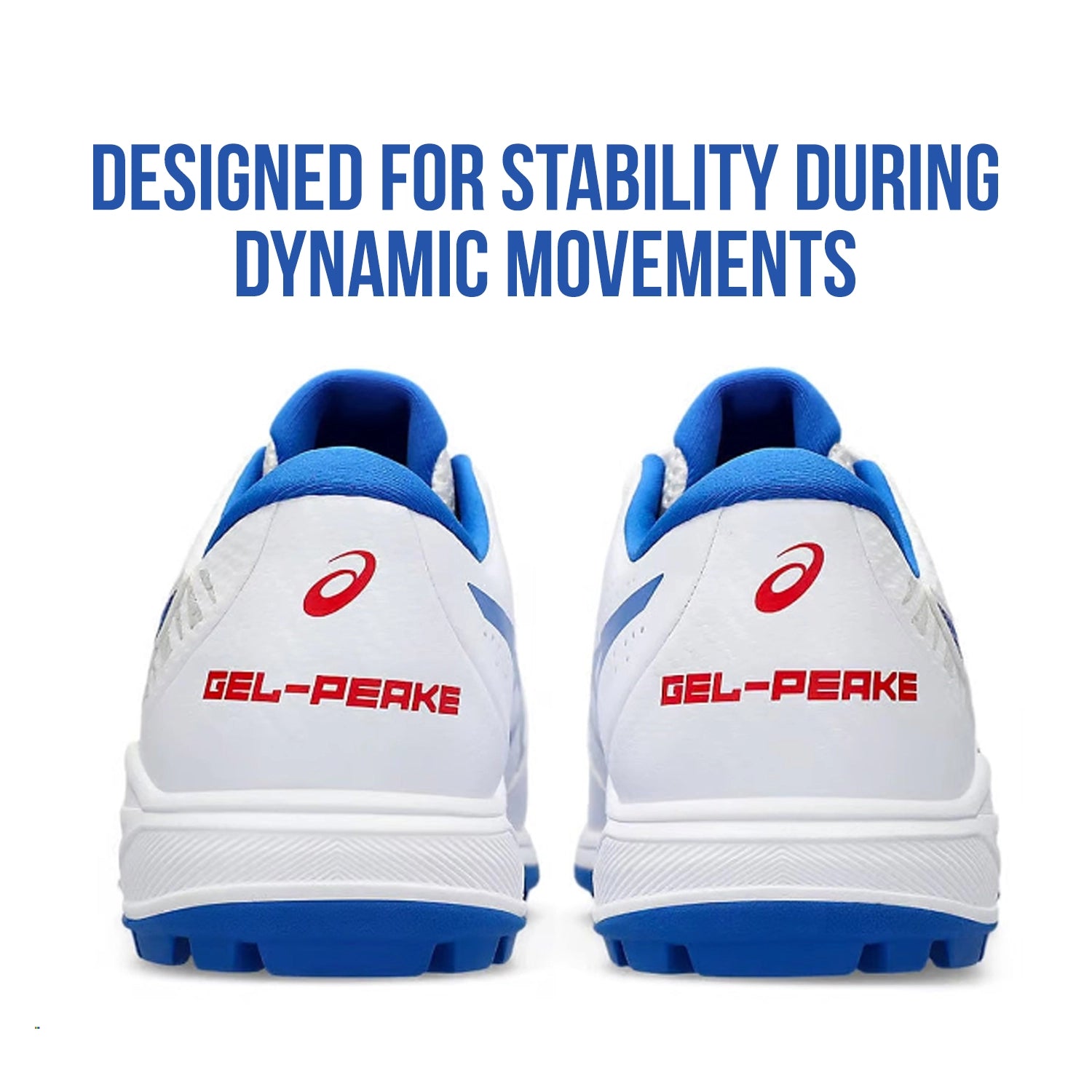
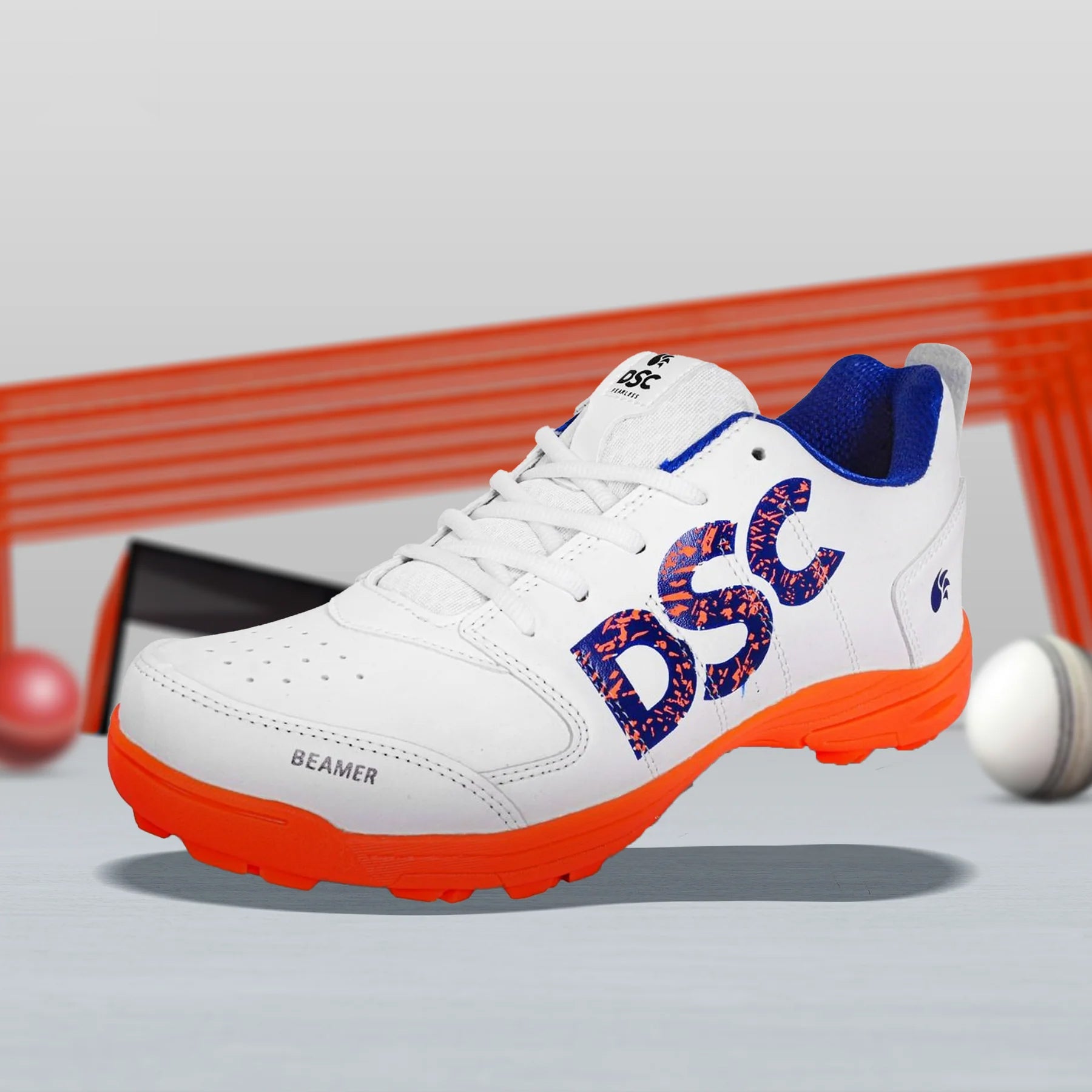
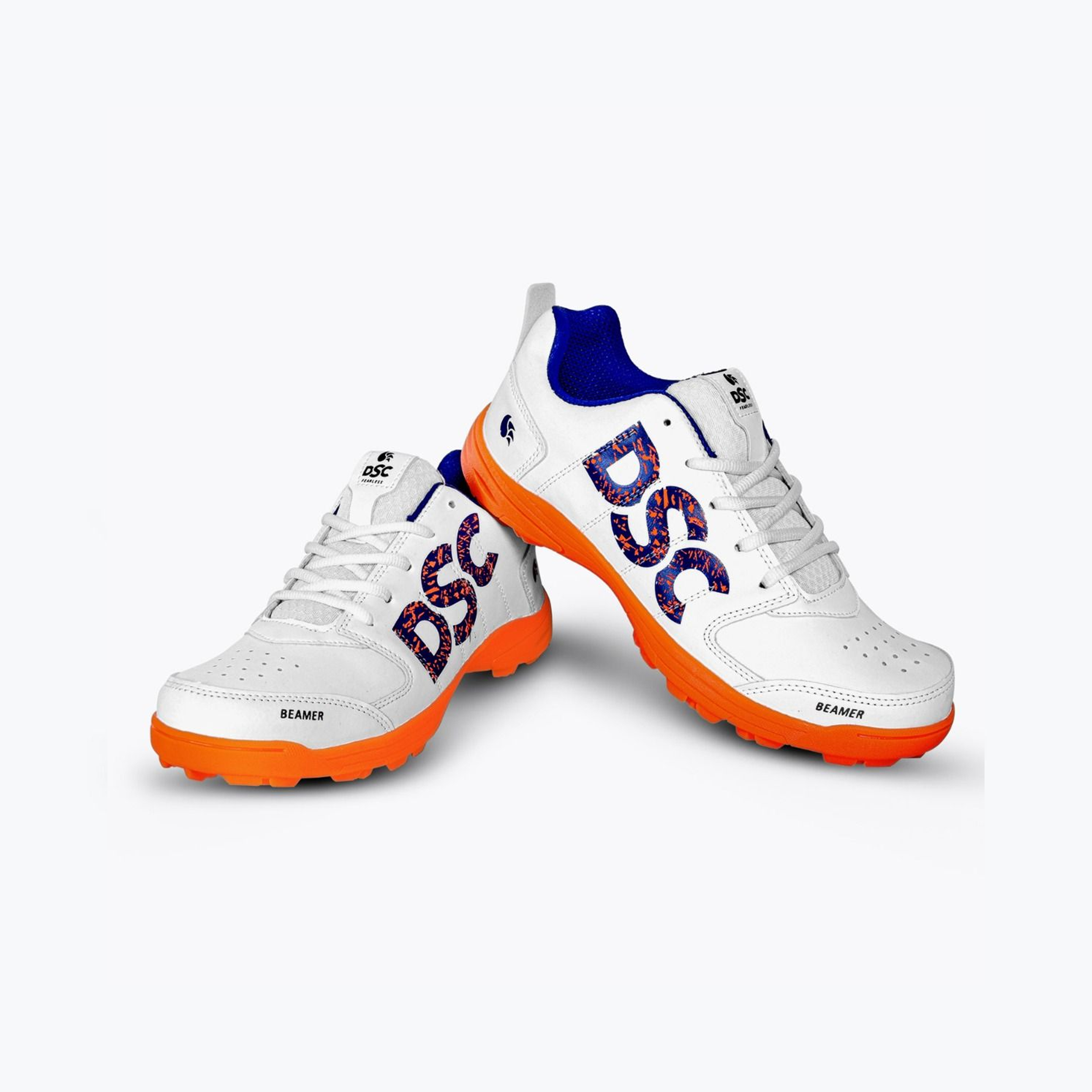
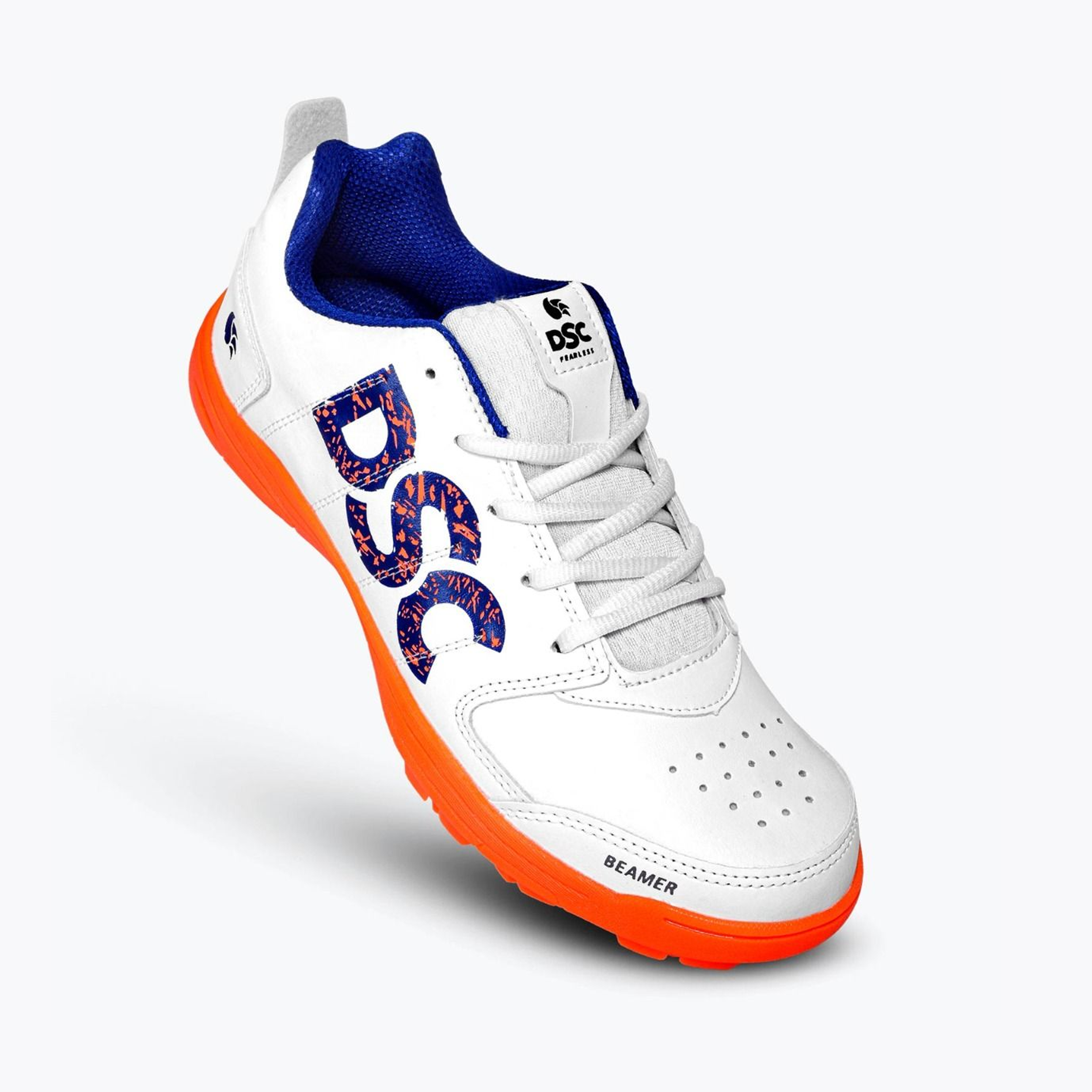
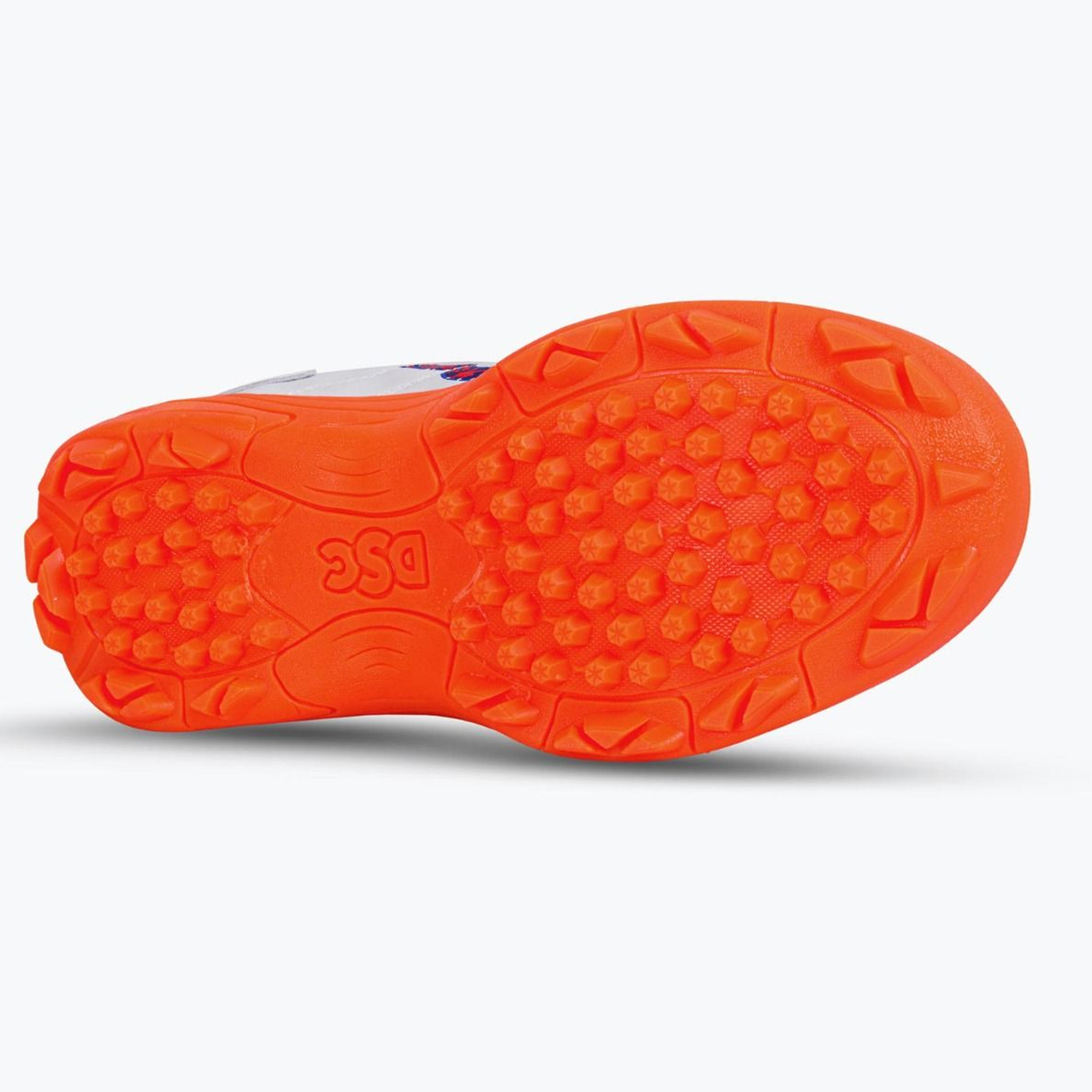
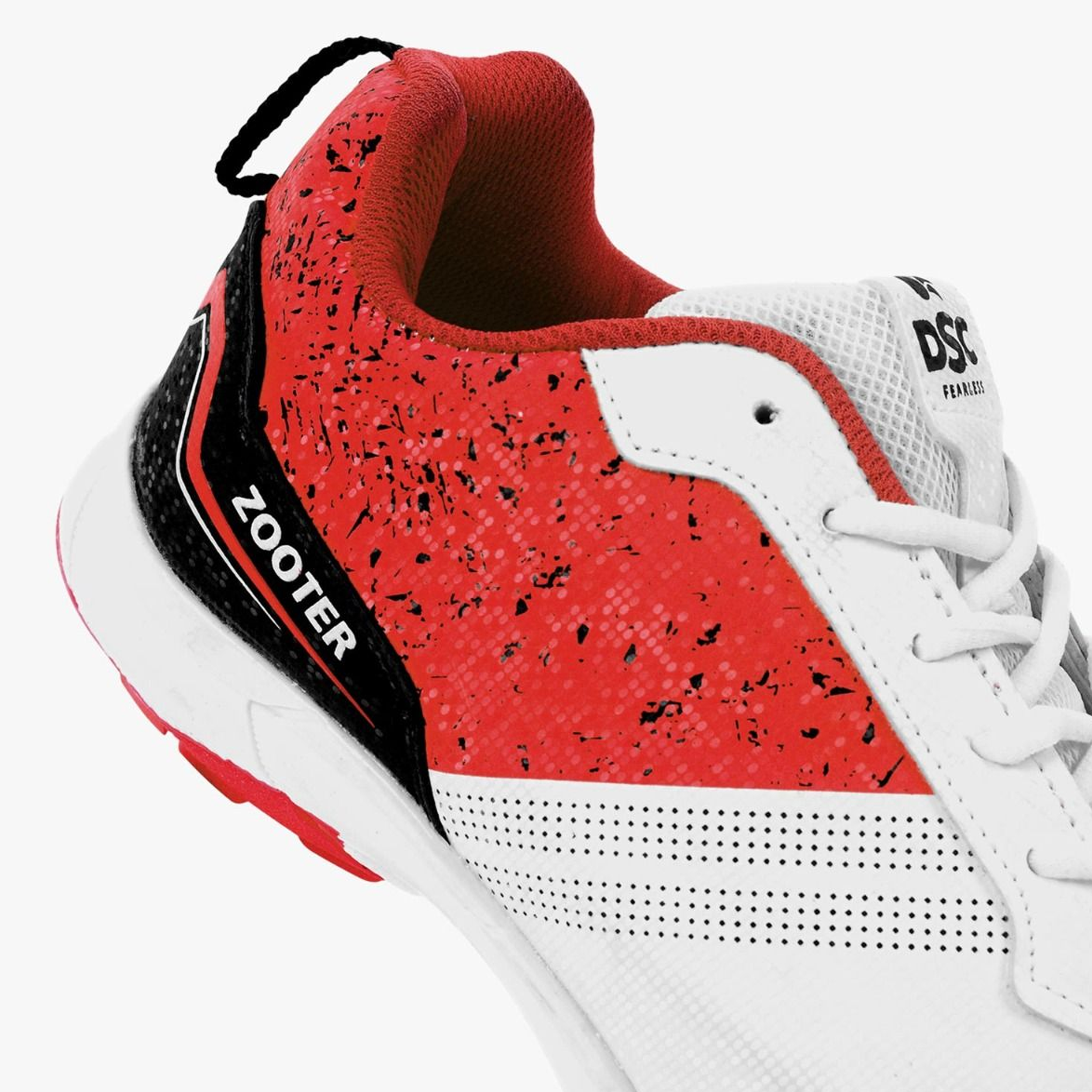
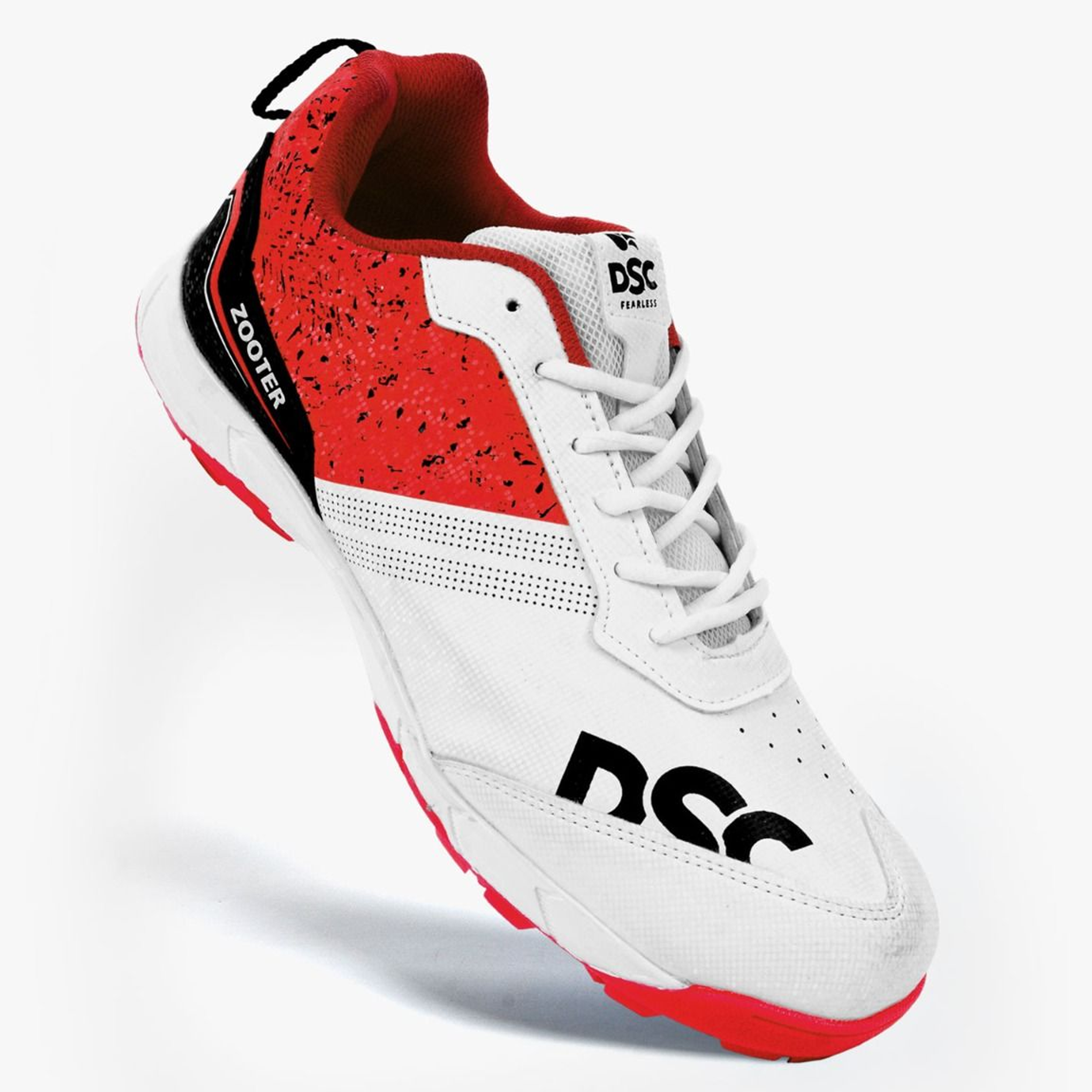
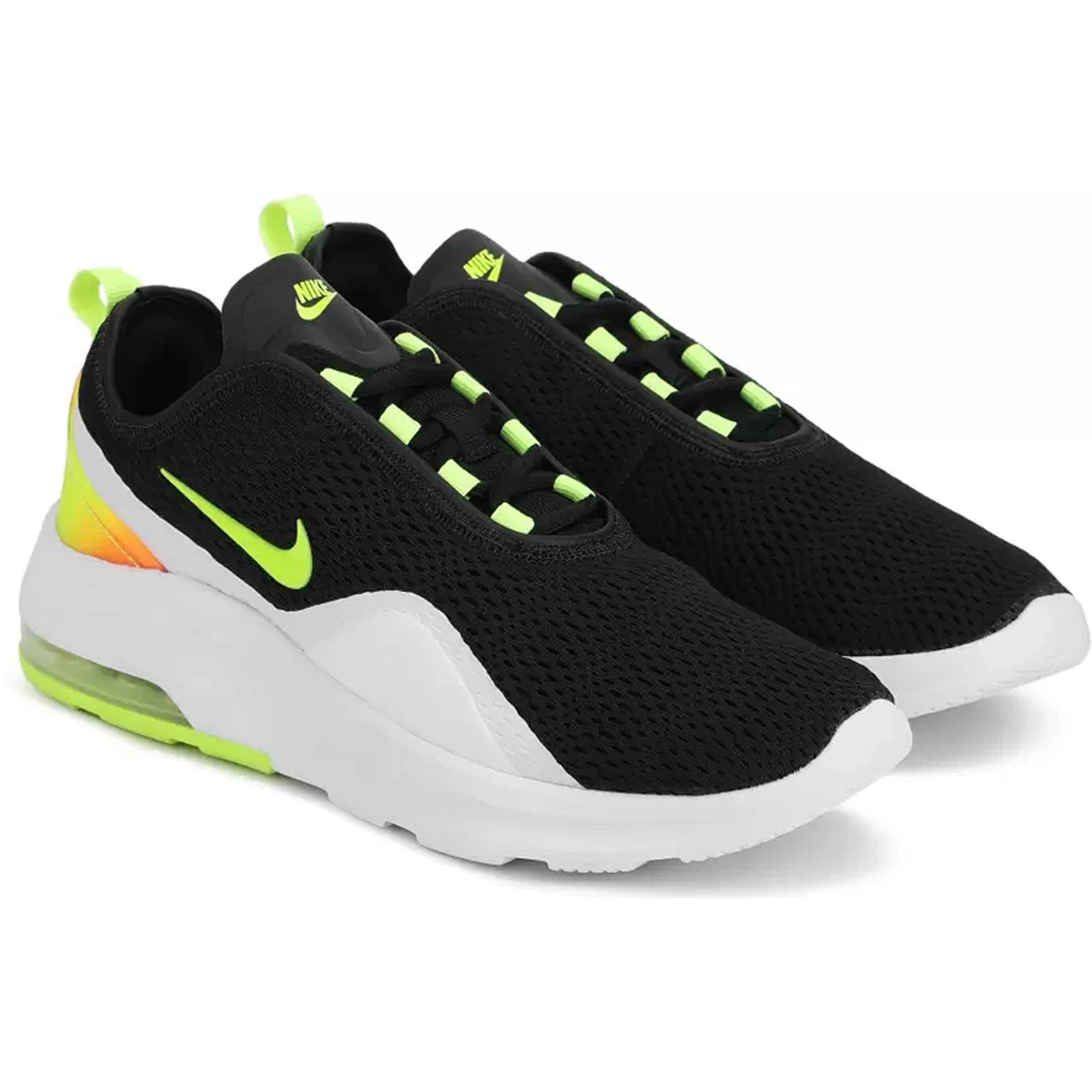
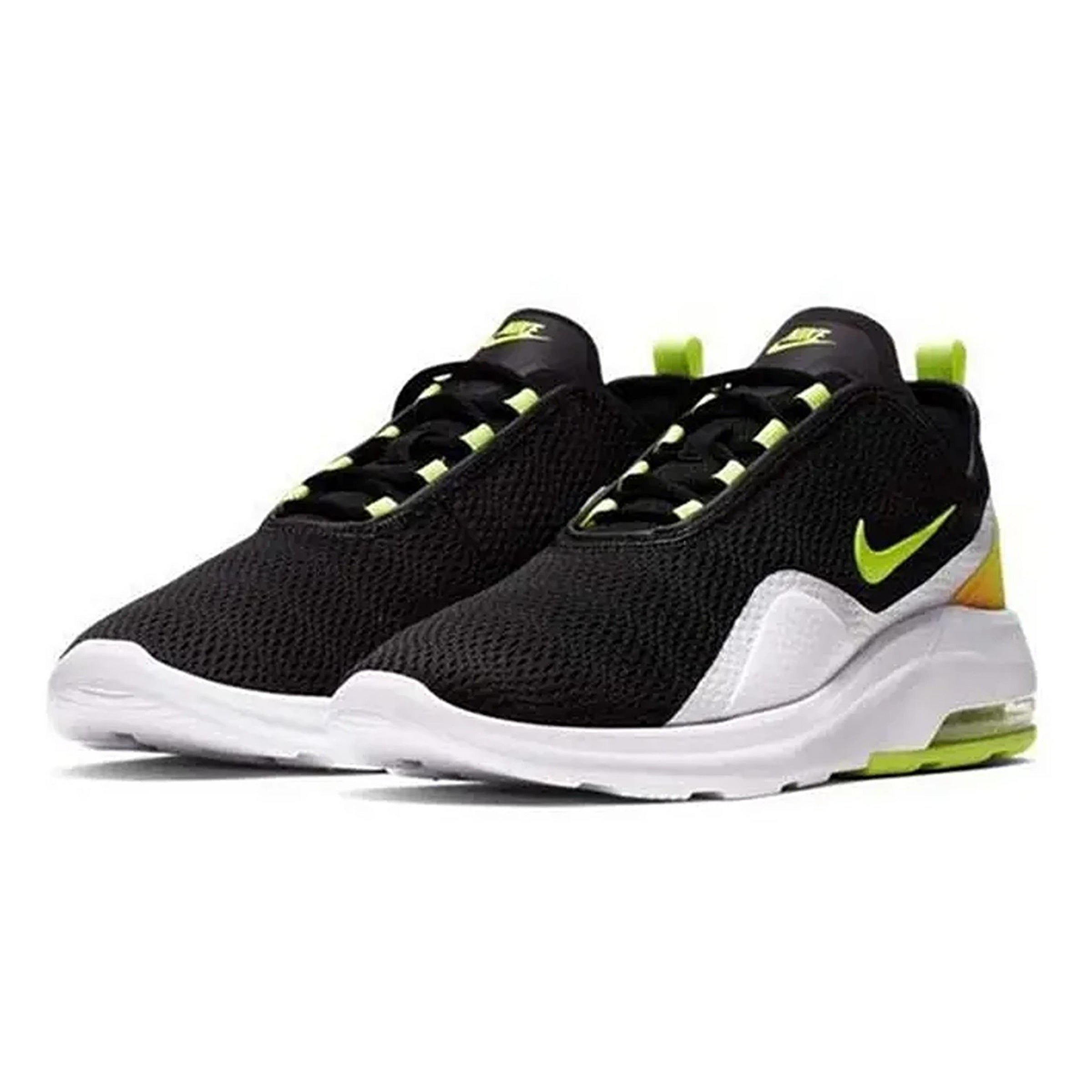
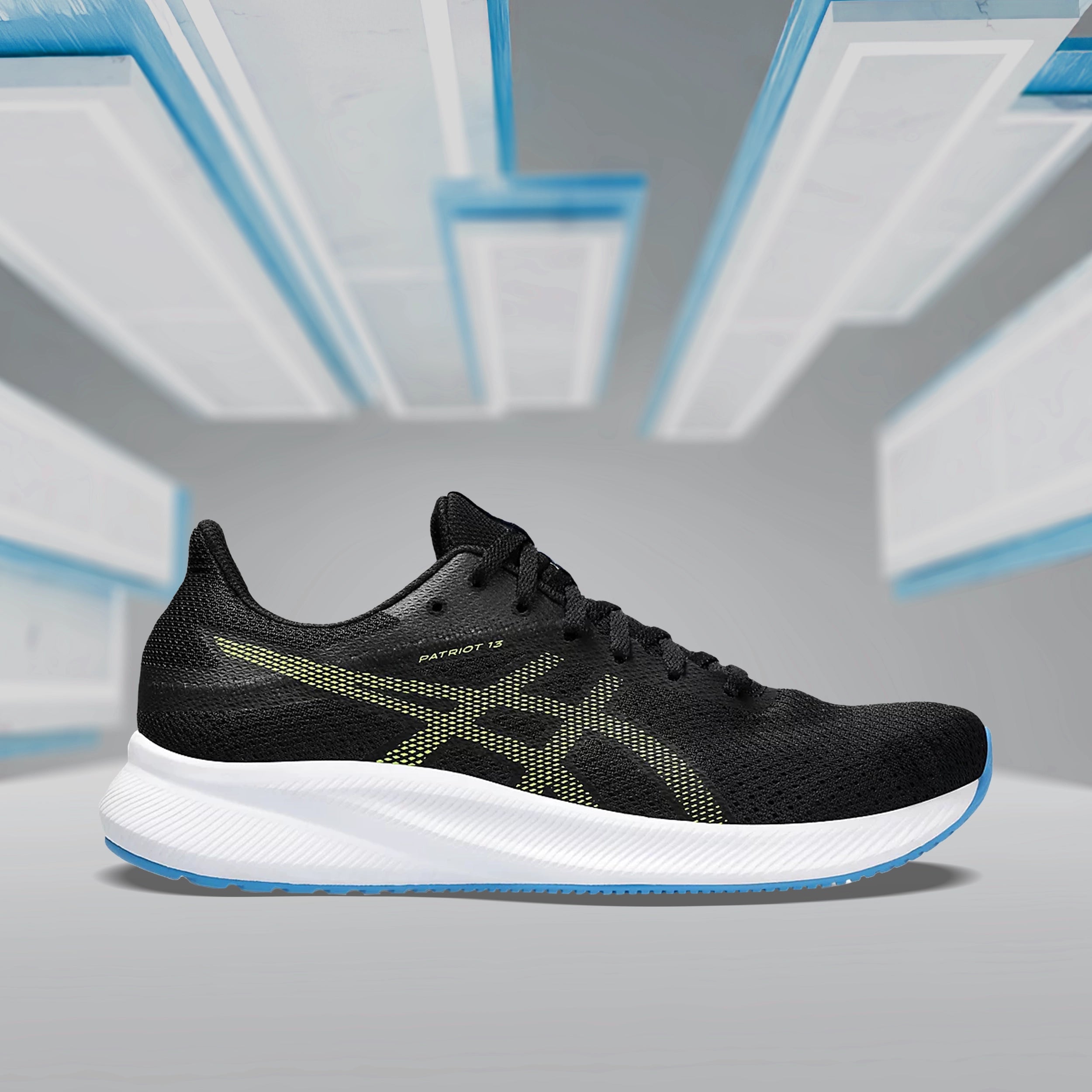
- Quality Equipment: Proper footwear and protective gear can mitigate risk and support rehabilitation efforts.
- Facilities Access: Access to rehabilitation centers with specialized equipment accelerates the healing process.
| Factor | Impact on Recovery |
|---|---|
| Blood Supply | Ensures nutrient delivery and waste removal. |
| Rehabilitation Protocols | Customize and monitor for personalized care. |
| Mindset | Key role in motivation and resilience. |
Technological Advancements in Rehabilitation
The advent of technology has revolutionized sports rehabilitation. Innovations such as wearable tech monitor vital statistics, while telehealth platforms offer accessibility to healthcare practitioners beyond geographical constraints:
- Wearable Devices: Provide real-time data for tracking progress and adjusting training loads.
- Telemedicine: Remote consultations provide continuity in rehab through unforeseen circumstances.
- AI and Machine Learning: Provide predictive models to foresee potential rehabilitation roadblocks.
Reflecting on Mike's journey, it becomes apparent that sports injury recovery is an intricate tapestry woven from biological, psychological, and environmental threads. As you aim to optimize your recovery pathwayswhether you're an athlete or a weekend enthusiastconsider the systems that can either propel you forward or hold you back.
Remember, comprehensive platforms like InstaSport offer tools and insights to harness these elements, promoting a better understanding, planning, and execution of recovery protocols.
Disclaimer: This article is for educational reading about sports injury recovery and does not provide medical, diagnostic, or treatment advice.












































Share:
Optimal Recovery Strategies for Sports Injuries: A Performance and Biomechanics Approach
Unraveling Rotator Cuff Recovery: A Comprehensive Guide for Rowing Athletes