
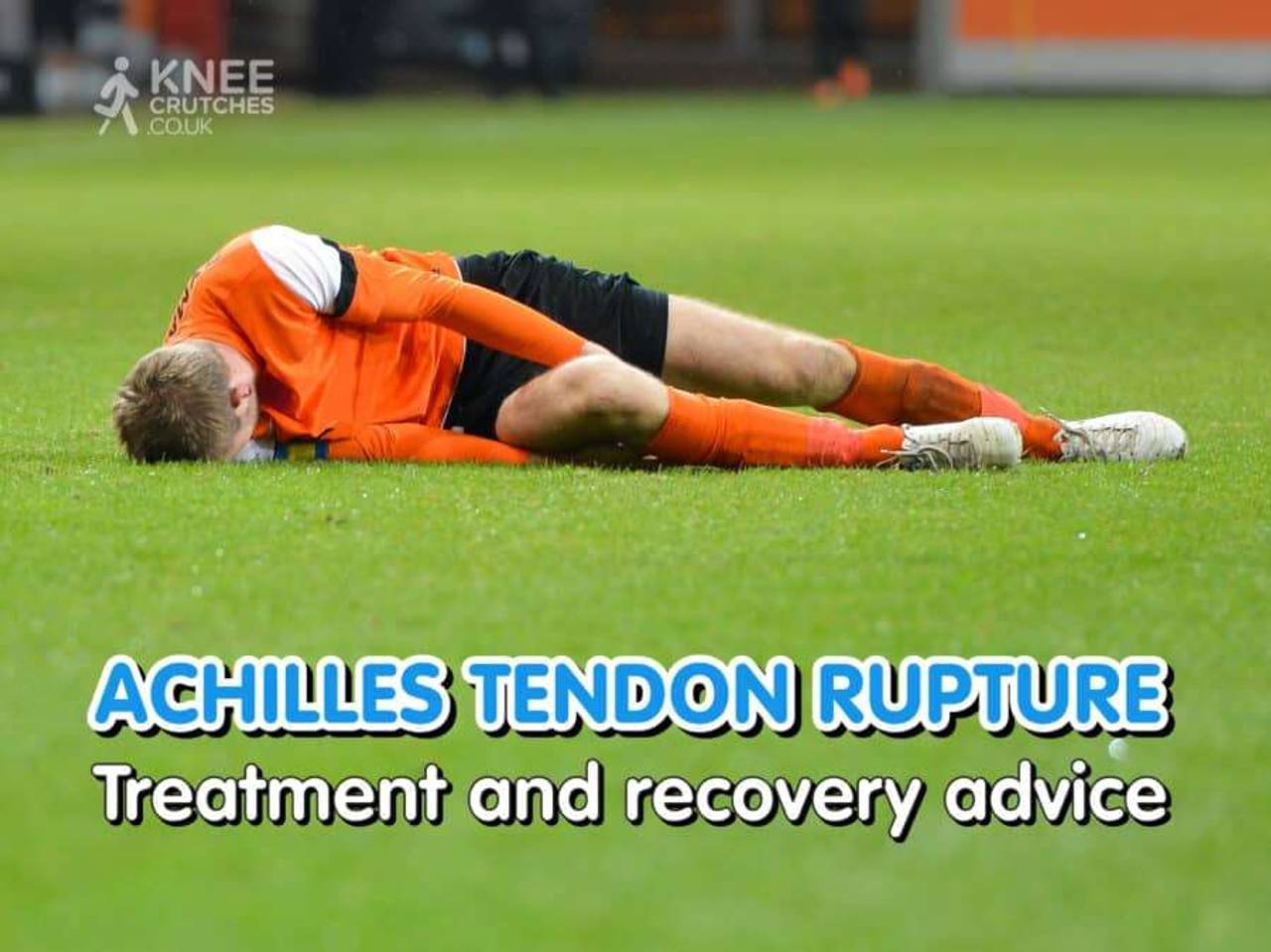
When athletes experience sports injuries, the path to recovery can often be fraught with challenges, delays, and even permanent setbacks if not approached with precision and a deep understanding of biomechanics. In particular, let us explore the common roadblocks encountered during the recovery process for sports injuries, and then delve into evidence-based strategies that focus on leveraging biomechanics for effective rehabilitation.
Understanding Failures in Sports Injury Recovery
In the world of sports, injuries are unfortunately not uncommon, and the journey to recovery can differ significantly based on the approach taken. Recovery failures often stem from a variety of factors, including inadequate rest, improper diagnosis, poorly planned rehabilitation programs, and a lack of understanding about the biomechanics involved in the injury and the healing process. These errors can lead to recurrent injuries, chronic pain, or, in the worst-case scenario, an athlete's premature retirement from competitive sports.
A primary mistake seen in many rehabilitation programs is the 'one-size-fits-all' approach. Given that each injury is unique, with varying degrees of severity and different impacts on each individual, standard rehabilitation protocols may not address the specific needs of an athlete. This can manifest in persistent pain, reduced performance capability, and an increased risk of future injuries.
Common Recovery Mistakes
- Inadequate Rest and Recovery: Athletes often return to the field too soon, underestimating the amount of time required for proper healing. Rushing the process can exacerbate the injury.
- Poorly Designed Rehabilitation Programs: Without a tailored program that considers the athlete's specific biomechanics, rehabilitation can be ineffective or even detrimental.
- Over-reliance on Quick Fixes: The use of painkillers and temporary solutions can mask symptoms without addressing the root biomechanical imbalances or weaknesses.
What Works: A Biomechanics-Driven Approach
A successful recovery strategy must be rooted in a deep understanding of the specific biomechanical requirements and challenges presented by the injury. By focusing on biomechanics, rehabilitation can be optimized to enhance performance outcomes and reduce the risk of reinjury.
Biomechanics and Personalized Rehabilitation
The cornerstone of an effective recovery strategy is the integration of biomechanics into each phase of rehabilitation. This involves a comprehensive assessment of the athlete's movement patterns, muscle imbalances, and load distribution. Using this data, personalized training and rehabilitation plans can be created.
| Key Biomechanical Focus | Rehabilitation Strategy |
|---|---|
| Movement Patterns | Corrective exercises tailored to improve movement efficiency and reduce stress on the injured area. |
| Muscle Imbalances | Strengthening and flexibility programs that address specific weaknesses and imbalances. |
| Load Distribution | Gradual load management to avoid overload and facilitate tissue adaptation. |
Progressive Training and Adaptation
Recovery is not just about returning to baseline but also about building resilience against future injuries. A gradual increment in training intensity, focusing on skill-specific movements, is crucial. This progressive training helps foster the body's adaptation to new stresses, promoting stronger and more injury-resistant tissues.
Monitoring and Feedback Systems
Incorporating technology, such as motion capture systems and wearable devices, allows for real-time analysis and feedback. This technology aids in tracking the rehabilitation progress, adjusting training programs dynamically, and maintaining optimal biomechanics throughout the recovery phase.
The Role of Interdisciplinary Teams
A collective effort from a team of professionals, such as physiotherapists, sports scientists, and biomechanics experts, ensures that every aspect of recovery is thoroughly addressed. Their collaborative input is invaluable for developing comprehensive plans that cater to the diverse needs of an athlete, ultimately leading to more successful recovery outcomes.
Ultimately, effective sports injury recovery is a multi-faceted process that goes beyond just healing the injury itself. By prioritizing biomechanics and leveraging a holistic, personalized approach, athletes can achieve not only a full recovery but also enhanced performance and reduced risk of future injuries.
For more insights and professional guidance on performance and biomechanics-oriented recovery, visit InstaSport to stay informed and equipped with the best practices in sports rehabilitation.
Disclaimer: This article is intended for general informational purposes only and reflects common patterns in sports injury recovery. It is not medical or technical advice.







































Share:
Beyond the Court: Transforming Tennis Elbow Recovery for Recreational Players
Beyond the Bench: Systems-Level Success in Recovering from Sports Injuries