
Beyond the Court: Transforming Tennis Elbow Recovery for Recreational Players
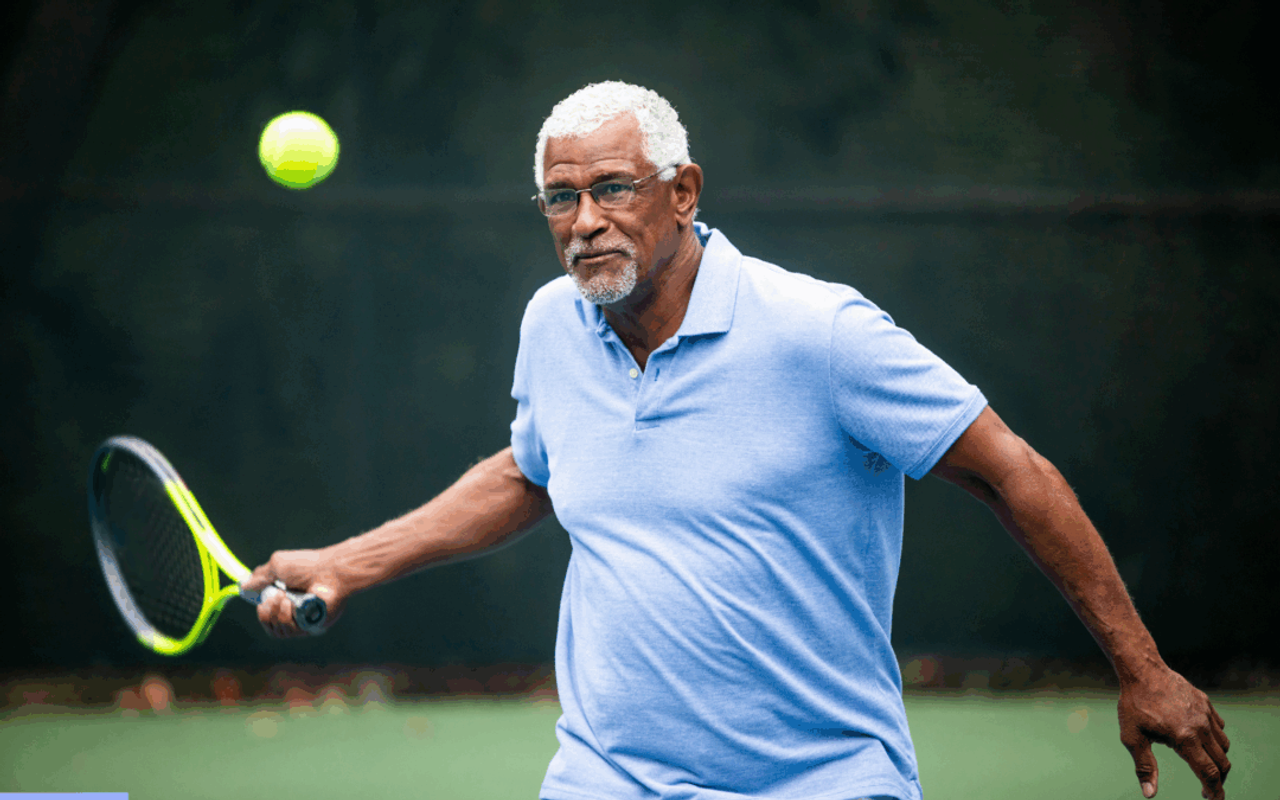
The pain was sharp and unrelenting. With each swing of the racquet, it was as if an invisible vice had clamped onto the elbow, tightening with cruel intent. Many recreational tennis players are all too familiar with this sensation, a plight commonly known as tennis elbow. Formally known as lateral epicondylitis, this injury doesn't discriminate, weaving its web through both seasoned competitors and enthusiastic amateurs. However, there lies a misconception about recoverya belief that once the pain subsides, the issue is resolved. This article aims to dismantle such assumptions and chart a comprehensive path to reclaim the court stronger than before.
Many view recovery from tennis elbow as straightforwardrest, ice, and wait. But as seasoned players and medical professionals know, the journey back to the court is more complex, laden with pitfalls and filled with unexpected hurdles that require more than physical resilience. Through stories of triumph and persistence, we'll explore the underpinnings of recovery and examine how a reframed perspective can enhance long-term healing.
The Science Behind Tennis Elbow
Tennis elbow is not simply a product of misfortune, but rather a consequence of repetitive stress and overuse of the wrist and forearm muscles. Contrary to popular belief, the cause extends beyond tennis; any repetitive motion involving the wrist can catalyze the condition. The injury stems from microscopic tears in the tendons attaching the forearm muscles to the outside of the elbow, often resulting in inflammation and pain.
| Stage | Common Misconceptions | Reality |
|---|---|---|
| Onset | Not serious, will heal on its own | Early intervention prevents severe complications |
| Diagnosis | Treatment isn't effective | Custom therapy plans offer targeted relief |
| Recovery | Quick return to sports activities | Progressive training is vital for long-term success |
Breaking the Recovery Myths
One common myth surrounding tennis elbow is that rest alone will suffice. While it’s true that rest is a crucial component, it should not be viewed in isolation. Delving into a more holistic recovery approach reveals that a myriad of strategies can support the healing process. These include physiotherapy, strength training, lifestyle modification, and sometimes, surgical interventions.
Consider the journey of Daniel Marsh, a passionate recreational player whose dreams were shelved by a relentless case of tennis elbow. Marsh's initial approach was to rest until the pain subsided. When relief was temporary, he turned to a comprehensive method that prioritized gradual loading of the affected tendons, guided by expert physiotherapists.
The Transformative Power of Rehabilitation
Rehabilitation is the linchpin in an effective recovery strategy, yet its complexity is often underestimated. The process should extend beyond the gym, incorporating exercises that target not just the elbow but also the shoulder and wrist to ensure muscular balance and joint stability. Rehabilitation emphasizes the importance of progressive strengthening, range of motion exercises, and eventually, sport-specific drills to prevent recurrence as players return to the court.
The Role of Mental Fortitude
Rarely discussed but equally important is the psychological aspect of recovery. The journey from injury back to playing is not just a physical trek but a mental ordeal as well. Athletes may struggle with frustration, impatience, and a sense of loss. Integrating mental health strategies, such as cognitive behavioral therapy or mindfulness practices, can provide invaluable support, enabling athletes to navigate the mental challenges that accompany physical healing.
Charting the Course for Long-Term Wellness
The new paradigm for recovery insists on more than just healing the injury; it requires adopting practices that promote overall wellness. Preventive measures, such as regular strength conditioning, proper equipment use, and technique improvements, help in reducing the risk of re-injury.
Maintaining cardiovascular fitness during the recovery phase is also critical. Activities that don't stress the elbow but improve cardio, like cycling or walking, should be incorporated regularly.
Conclusion: Reclaiming the Court
It’s time to reassess how we perceive and approach injuries like tennis elbow. The journey back to the court can be challenging but also tremendously rewarding. Daniel Marsh's story is a testament to the power of a balanced and holistic recovery strategy. As he returned to the game, inspired not only by the physical triumph but also the mental resilience cultivated through adversity. For recreational players aiming to reclaim their passion, remember that with the right support, insight, and a structured plan, the comeback can indeed be greater than the setback.
For more resources and support in your injury recovery journey, visit InstaSport.
Disclaimer: This article is intended for general informational purposes only and reflects common patterns in sports injury recovery. It is not medical or technical advice.









































































Share:
The Long Road to Redemption: Overcoming Achilles Tendinitis in Long-Distance Running
Optimal Recovery Strategies for Sports Injuries: A Performance and Biomechanics Approach