
Conquering the Wall: Overcoming Tendinopathy in Rock Climbing
The sun casts long shadows on the towering rock face as you gear up for an exhilarating climb. But rather than excitement, dread fills your heart. That familiar pain in your elbow has returned, a lingering reminder of the tendinopathy you've been battling for months. For many rock climbers, tendinopathy isn't just an injury; it's a formidable adversary that challenges both body and spirit. As an athlete striving for new heights, tendinopathy isn't merely a physical barrierit's an emotional and mental one as well.
The Problem of Tendinopathy
For rock climbers, tendinopathy commonly manifests as Golfer's Elbow or Tennis Elbow, both of which impact the tendons connecting the forearm to the elbow. This overuse injury is particularly prevalent in the sport due to the dynamic pulling motions and sustained grips required. Once it sets in, it can stall progress dramatically and keep climbers off the rock.
The primary problem lies not only in the persisting pain but also in the challenge of diagnosis and treatment. Athletes might struggle with recognizing early signs, hoping the pain will subside on its own. Yet, the sooner tendinopathy is acknowledged, the more effective the recovery can be.
Consequences of Ignoring the Injury
Ignoring tendinopathy often transforms a minor inconvenience into a debilitating condition. Failing to address it in the early stages can lead to chronic pain and weakness, potentially sidelining climbers for weeks, if not months. This can be mentally taxing as climbing is as much a part of a climber’s identity as it is a hobby.
Moreover, improper handling and denial often lead to maladaptive climbing techniques as athletes attempt to compensate for the pain. This can exacerbate not only the existing injury but also lead to secondary injuries, further complicating the healing process.
Understanding the Recovery Phases
The journey to recovery from tendinopathy in rock climbing athletes can be broken down into three key phases: Acute Management, Rehabilitation, and Reintegration into Climbing.
Phase 1: Acute Management
The first step in addressing tendinopathy is acknowledging the need for acute management. This phase is dedicated to reducing inflammation and managing pain efficiently.
| Action | Description |
|---|---|
| Rest | Minimize use of the affected arm to prevent worsening of the injury. |
| Ice Application | Apply ice packs in intervals to reduce inflammation and numb pain. |
| Elevation | Keep the arm elevated when possible to decrease swelling. |
This phase is essential for allowing the tendon to begin the healing process, making room for a more focused rehabilitation plan.
Phase 2: Rehabilitation
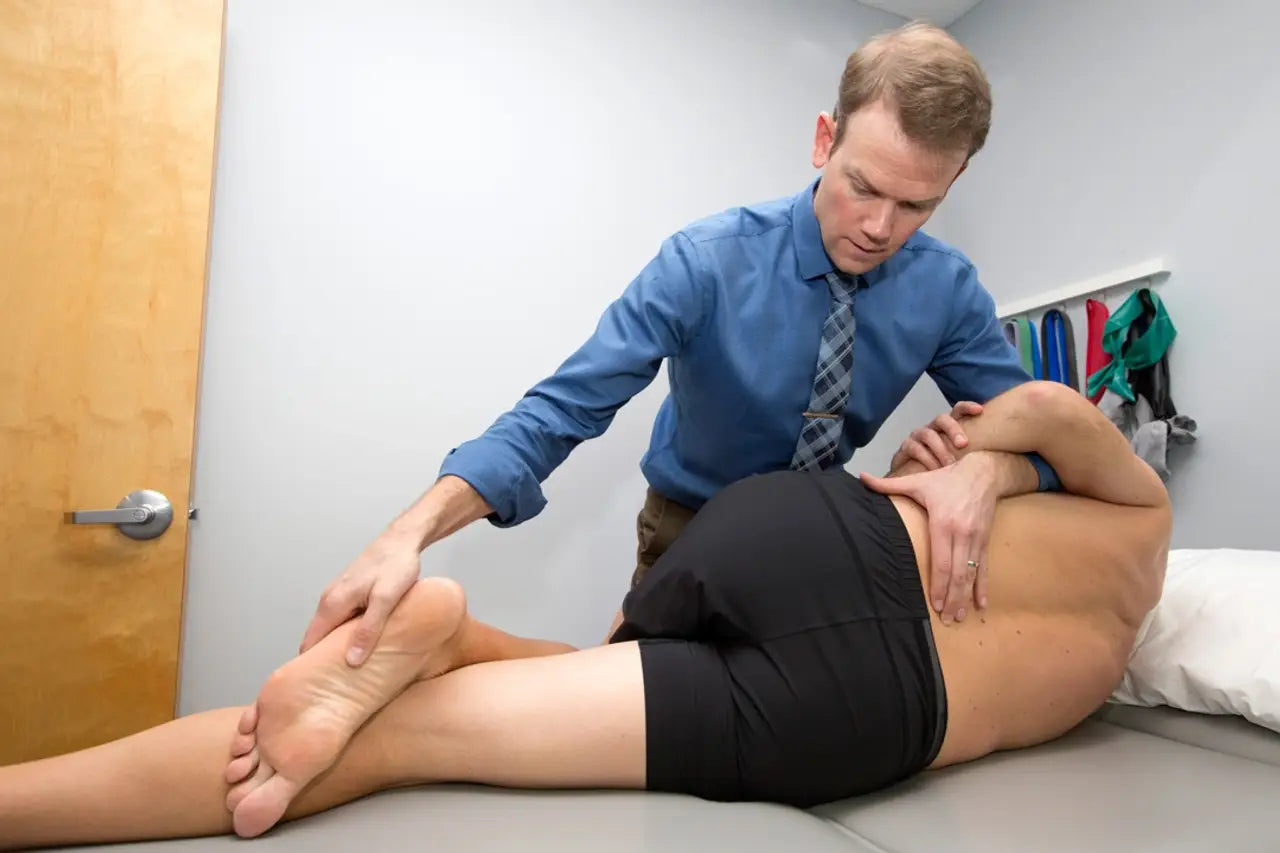
Once acute pain and swelling have subsided, the second phase of tendinopathy recovery begins. Rehabilitation involves strengthening and conditioning exercises tailored to repair and reinforce tendon health.
Physical therapy exercises play a crucial role here, particularly those focusing on eccentric loading. This specific form of exercise targets the lengthening of the muscle-tendon unit under tension, promoting collagen synthesis and improving tendon resilience.
Key exercises may include wrist flexor and extensor strengthening, forearm pronation and supination drills, and grip-strengthening maneuvers. It's essential to progress gradually and maintain consistency without overloading the tendon.
Phase 3: Reintegration into Climbing
The final and perhaps most psychologically taxing phase is reintegrating into climbing. This phase is about regaining confidence in the affected limb while returning to the sport you love. Low-intensity climbing sessions with plenty of rest periods are encouraged.
Start with straightforward routes and focus on technique rather than performance. Use this time to build proper movement patterns that minimize excessive strain on the elbows. Gradual intensification of routes will signal readiness to tackle more challenging climbs.
Throughout the reintegration phase, listen to your body, respect its limits, and don’t rush the process. Progress is progress, no matter how small.
Conclusion
Conquering tendinopathy is a journey of patience, strength, and perseverance. Rock climbers often find themselves tested by their injuries as much as by their sport. The path to recovery is paved with challenges that build character and foster resilience.
Throughout your recovery, consider adopting tools such as the InstaSport app, which provides valuable insights and tailored exercises to support your healing process, keeping you informed and motivated every step of the way.
Disclaimer: This article is for educational reading about sports injury recovery and does not provide medical, diagnostic, or treatment advice.



















































































Share:
The Marathon to Recovery: Overcoming Achilles Tendon Ruptures in Long-Distance Runners
Rebounding from the Depths: Navigating the Emotional and Physical Recovery from Ankle Sprains in Rock Climbing