
Rebounding from the Depths: Navigating the Emotional and Physical Recovery from Ankle Sprains in Rock Climbing
In the thrill-seeking world of rock climbing, athletes push themselves to their limits along vertical faces that test not only their strength and endurance but also their resolve. However, climbing high can often mean a hard fall, and ankle sprains remain one of the most common injuries in this sport. The journey to recovery for a rock climber with an ankle sprain involves much more than just restoring physical function; it is a deep emotional and psychological journey punctuated by hope, despair, patience, and renewal.
Understanding the Recovery Timeline
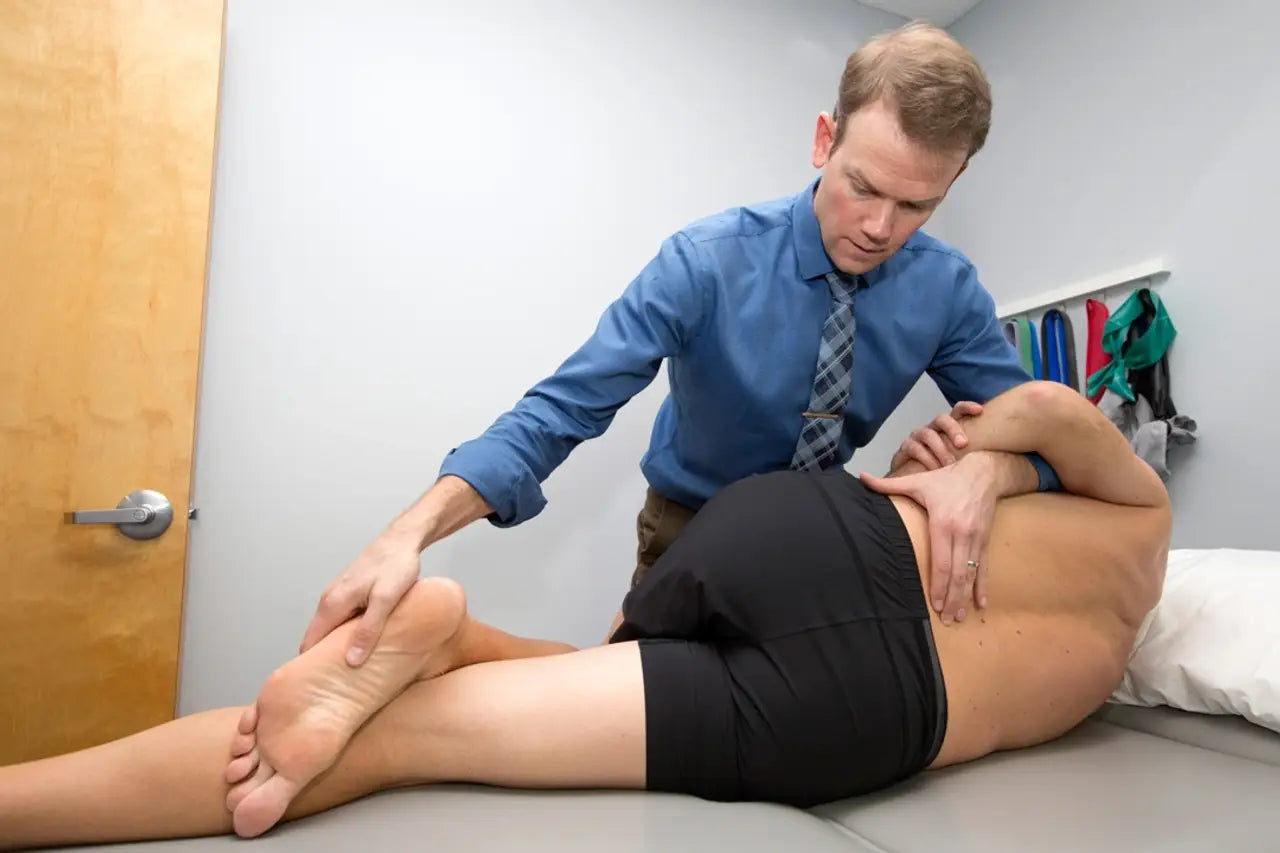
Recovery from an ankle sprain can vary widely depending on the severity of the injury. For rock climbers, it's essential to understand the typical timeline in order to set realistic expectations and to tailor a rehabilitation approach suited to their unique needs.
| Phase | Time Frame | Description |
|---|---|---|
| Acute Phase | 1-2 weeks | Focuses on reducing swelling, managing pain, and protecting the ankle from further injury. |
| Rehabilitation Phase | 3-6 weeks | Begins once swelling has subsided, emphasizing regaining range of motion, strength, and balance. |
| Functional Phase | 7-12 weeks | Includes sport-specific drills to prepare the athlete for return to rock climbing activities. |
| Full Recovery | 3-6 months | Where the athlete returns to pre-injury performance levels, though psychological readiness varies significantly. |
Delays and Setbacks: The Emotional Rollercoaster
While timelines can serve as a helpful guide, the path to healing rarely adheres strictly to schedule. The emotional landscape of recovery is fraught with obstacles uniquely challenging to each rock climber. The initial denial, or shock phase, often gives way to frustration as days of patience wane into weeks. Tears and fears intermingle as athletes come to grips with their limitations and the potential long-term impact on their climbing careers.
Laura, an avid climber, recounts her experience with a grade II ankle sprain obtained during a routine warm-up climb. Initially, the physical pain mimicked her emotional turmoil. "I felt betrayed by my body," she confesses. "Rock climbing was my escape, my freedom, and suddenly I felt trapped inside my own injury."
Facing the Fear of Re-Injury
During the rehabilitation phase, the fear of re-injury can significantly hinder progress. Confidence wavers as climbers gingerly test their limits. Visualization techniques, once bountiful with ambitious climbs, now revolve around the simple act of movement without pain and hesitation.
For Laura, continuing therapy while yearning for the rock face demanded a steadfast mental resilience. Reassuring herself through positive affirmations and meticulously following her therapist’s advice, she gradually rebuilt trust in her own physical abilities.
Support Systems: More than Just a Safety Net
No climber should go through this journey alone. A strong support system provides the necessary encouragement and empathy that can make the marathon of recovery bearable. Friends, family, fellow climbers, and professional therapists each play pivotal roles in this network of support.
Laura speaks fondly of her climbing group, who regularly checked in on her progress and shared stories of their own triumphs and setbacks. This community support not only boosted her morale but also bridged the gap between the isolated stretches of self-doubt and moments of small victories.
The Silver Linings in Setbacks
Inadvertently, setbacks create opportunities for personal growth and discovery. Time off the climbing wall provides a chance to focus on other areas of fitness, such as upper body strength and core stability, which can ultimately enhance climbing performance in the long run.
"I began Pilates," Laura mentioned with a hesitant smile, "at first, as a way to stay fit and distract myself, but it slowly brought a new dimension to how I approach my mental and physical health." This period of reflection and adaptation often re-ignites a climber’s passion with newfound wisdom and resilience.
The Empowering Return
When climbers finally return to the walls, the ascent is not merely a physical achievement but a symbolic triumph over their ordeal. Here, the parallel between the climber’s journey upward and their journey through recovery is unmistakable.
For Laura, her first climb post-recovery was a mix of exhilaration and anxiety. "The fear and excitement tussled within me," she recalls, "yet when I reached the top, it wasn't about conquering a wall; it was about reclaiming myself."
The empowering return marks the transition from vulnerability to strength, where the climber not only gains physical prowess but also emerges with a renewed confidence in meeting life's various challenges.
In closing, the road to recovery from an ankle sprain in rock climbing involves dedicated physical effort, emotional courage, and psychological resilience. This holistic approach ensures durable recovery and an empowering return to the sport athletes love. For those in the midst of their own recovery journey, tools like InstaSport can offer the guidance and community support essential for healing and progress.
Disclaimer: This article is for educational reading about sports injury recovery and does not provide medical, diagnostic, or treatment advice.























































































Share:
Conquering the Wall: Overcoming Tendinopathy in Rock Climbing
Deconstructing Common Myths in Sports Injury Recovery: A New Approach for Athletes