
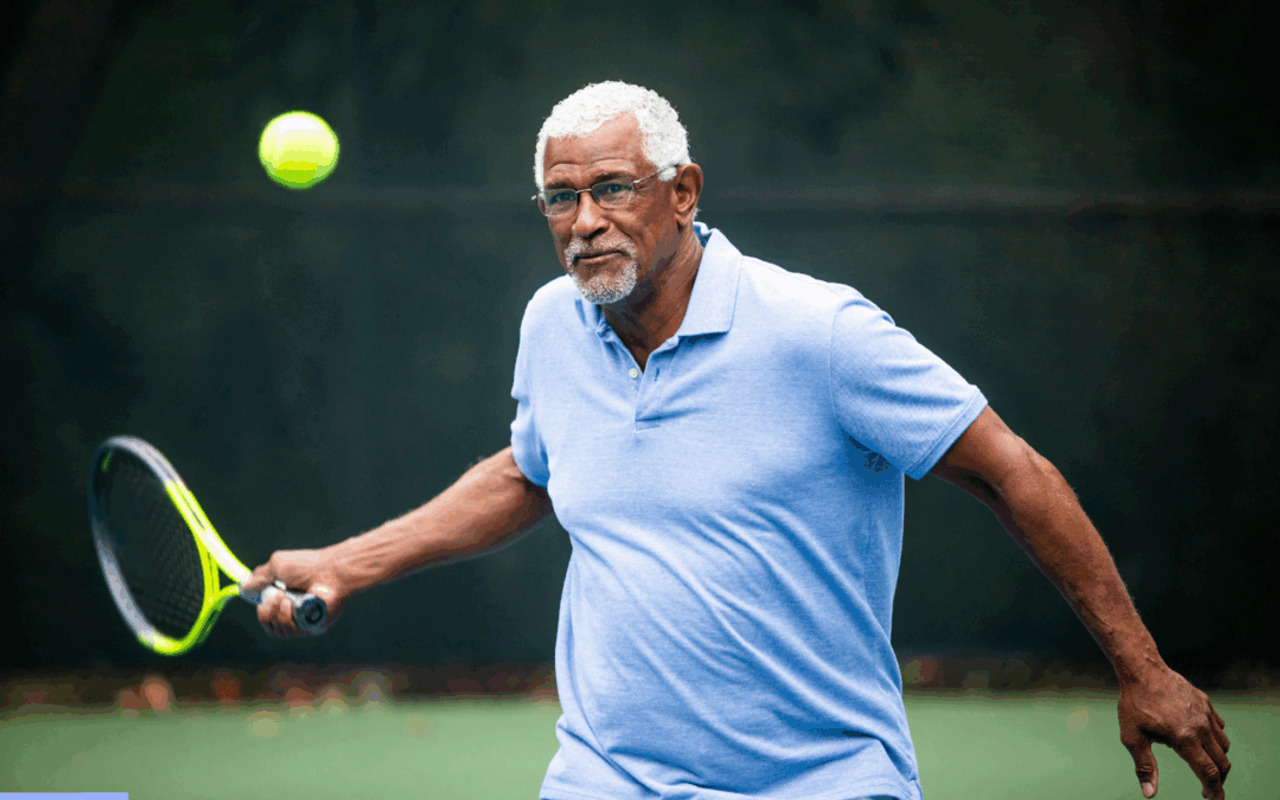
Reconsidering Recovery: The Complex Journey of Rotator Cuff Injuries
Rotator cuff injuries are an endemic condition amongst tennis players, yet the recovery process remains shrouded in misconceptions. Conventional wisdom often dictates resting and relying solely on physical therapy to restore shoulder health. However, a deeper dive into emerging methodologies and innovative research reveals a more nuanced landscape of recovery strategies that go beyond cookie-cutter solutions.
Beyond Rest: The Mechanisms of Recovery
Recovery is frequently distilled to a simplistic notion of inactivity leading to regeneration. However, in rotator cuff injuries, especially those affecting dynamic athletes like tennis players, balance and timing of activity are paramount. Recent studies suggest that strategic activity may play an essential role in promoting tendon resilience and flexibility, which are crucial for a full return to sports.
It's crucial to understand that rotator cuff injuries typically involve tendons, and tendons are made of collagen. Controlled loading of tendons, when done sensibly, can stimulate collagen synthesis, enhancing tendon repair. This should not be mistaken for overloading, where strains exceed the tendon's capacity, but rather carefully monitored exercises that incrementally challenge the injury.
Table 1: Phases of Recovery and Recommended Focus
| Phase | Time Frame | Focus |
|---|---|---|
| Inflammatory | 1-7 days | Reduce inflammation, pain management |
| Proliferation | 7-21 days | Gentle stretching, start of strength exercises |
| Maturation | 21 days - 3 months | Progressive strengthening, endurance |
| Return to Play | 3 months + | Sport-specific activities, gradual intensification |
Rehabilitation: A Multi-faceted Approach
For effective recovery, a holistic approach that includes various dimensions of rehabilitation is paramount. Traditional rehab exercises tailored specifically for shoulder function are only part of the equation. A more comprehensive strategy would integrate:
- Proprioceptive Training: This involves exercises that improve body awareness in space, which aids in preventing recurrence by teaching the musculoskeletal system to respond better to dynamic movements.
- Neuromuscular Coordination: Enhancing the connection between the nervous system and muscle activity specific to tennis maneuvers can facilitate quicker, more natural movement mechanics.
- Cross-Training: Engaging in sports and activities that do not exacerbate shoulder injuries can maintain cardiovascular fitness and overall athletic conditioning during recovery.
Nutrition’s Role: Fueling Recovery
The narrative often overlooks how crucial nutrition is in recovering from rotator cuff injuries. A diet rich in anti-inflammatory foods can be instrumental in mitigating pain and hastening recovery. Nutrients such as Omega-3 fatty acids, found abundantly in fish oils and seeds, vitamin C for collagen synthesis, and proteins for muscle repair are vital. Tailoring nutrition to the recovery phase can optimize healing and bolster regenerative efforts.
Technology-Induced Healing
Emerging technologies have become game-changers in sports rehabilitation. Devices such as transcutaneous electrical nerve stimulation (TENS) or extracorporeal shockwave therapy are not customary but have shown increasing promise in clinical settings for enhancing recovery timelines and outcomes.
Psychological Aspects: The Underrated Component
Finally, the mental hurdle can often be as challenging as the physical one. Athletes frequently face anxiety and impatience during recovery phases, concerned about loss of skill or competitive standing. Cognitive behavioral strategies, support groups, and visualization techniques can be powerful tools to maintain mental resilience and ensure a more balanced recovery.
A New Paradigm for Recovery
As our understanding of the complex landscape of recovery from rotator cuff injuries evolves, it becomes clear that a diversified and individualized approach is essential. Relying merely on rest and sporadic therapy misses the broader scope of effective rehabilitation.
For athletes and non-athletes alike seeking a comprehensive route to recovery that encompasses innovation and an understanding of individual needs, platforms like InstaSport offer valuable insights, tailored guidance, and community support for a successful and sustained return to sport.
Disclaimer: This article is intended for general informational purposes only and reflects common patterns in sports injury recovery. It is not medical or technical advice.



























Share:
Falling Short: Navigating the Emotional Terrain of Sports Injury Recovery
The Psychological Path to Healing: Overcoming Sports Injuries Beyond the Physical