
Facing the Abyss: Stories of Recovery Gone Wrong
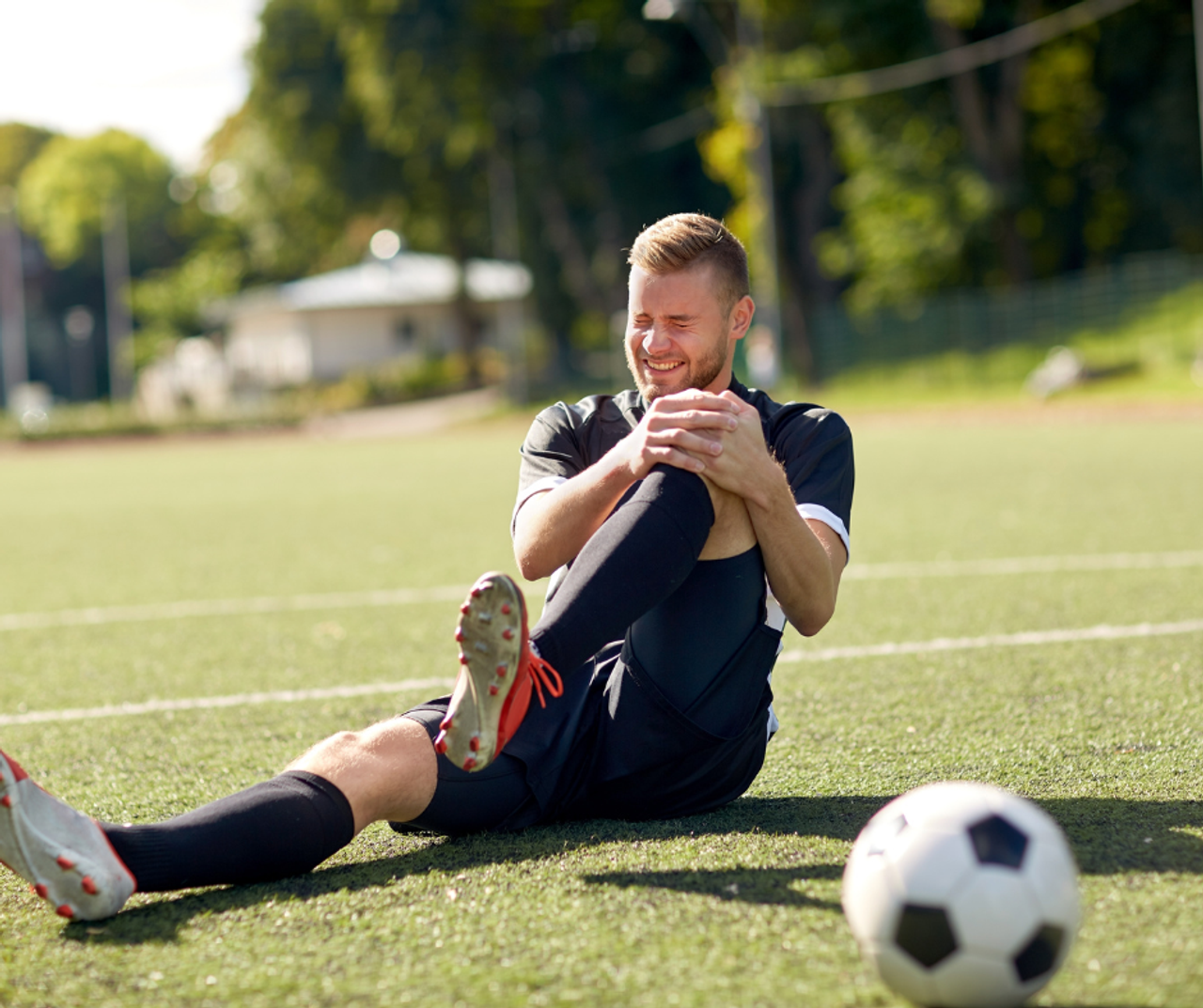
In the world of intense competition, injuries can often lead to a scar that is far from just physical. Consider Erika, a talented young soccer player with dreams of making it big. She was on track until an awkward fall during a game led to a dreaded ACL (Anterior Cruciate Ligament) tear. Regardless of the physical rehabilitation, Erika's emotional and psychological journey to recovery was fraught with difficulties.
Post-surgery, Erika's self-doubt mounted as quickly as her physical recovery stalled. She battled anxiety about her future in soccer and feared another injury. Without the right psychological support, her mental resilience suffered badly. Little by little, these psychological barriers began impeding her physical progress. Similarly, Jake, a promising basketball player, found himself spiraling into depression post his Achilles tendon rupture. He turned detached and despondent as fear and uncertainty clouded his aspirations.
The Role of Psychology in Physical Healing
So, what went wrong for Erika and Jake? Their stories are common in the sports world where the psychological aspect of injury recovery is often sidelined. But we learn from these failures that mental readiness is just as crucial as physical rehabilitation.
An ACL injury, particularly common among soccer players, is a prime example of this complex recovery journey. As athletes adjust to life during and after treatment, they must also navigate intense feelings of vulnerability and frustration.
A New Perspective: What Truly Works
What differentiates successful recoveries is the blend of psychological resilience with physical rehabilitation. Building this resilience involves embracing several key steps.
Creating a Comprehensive Support Network
The cornerstone of recovery is establishing a support system. Athletes need a network of friends, family, mentors, and therapists to offer emotional and psychological support. For instance, an athlete might benefit from regular sessions with a sports psychologist who can help them process their emotions and build mental toughness.
Establishing Realistic and Progressive Goals
It's vital for athletes to set incremental, achievable goals. Starting small and progressively working towards larger milestones can foster a sense of accomplishment and motivation. For impaired athletes, visualizing success through these tangible goals can empower them and mitigate feelings of helplessness.
The Mind-Body Connection
Integrating mind-body techniques is another part of effective recovery. Practices like mindfulness, meditation, and visualization can significantly reduce stress levels, improve focus, and enhance well-being. By becoming aware of their own mental narratives, athletes can learn to rewrite these stories more constructively.
Journaling: A Path to Insight
Journaling can be a powerful tool, allowing athletes to externalize their thoughts, feelings, and progress. Whether daily or weekly, documented reflections can offer insights into personal growth, helping athletes to recognize recurring patterns or triggers.
| Strategy | Benefits |
|---|---|
| Mindfulness Training | Reduces anxiety, enhances focus, promotes emotional regulation. |
| Goal Setting | Boosts motivation, builds self-efficacy, provides structure. |
| Support Network | Boosts emotional security, provides external motivation. |
| Journaling | Increases self-awareness, monitors progression, processes emotions. |
Rebuilding Confidence: The Final Frontier
Post-injury, regaining confidence can be the hardest step. The act of re-entering the field brings with it fears of re-injury. By facing those fears in a controlled and gradual manner, athletes can rebuild trust in their bodies.
Through gradual exposure to training scenarios and real matches, they can try, fail, and learn in a relatively secure environment. Incremental exposure minimizes fear and provides data points for success, slowly dispersing ingrained doubts.
Conclusion: A New Paradigm
Embracing the multifaceted nature of injury recovery by recognizing the psychological as well as the physical factors at stake offers a solid foundation for athletes to return not only to their previous level of performance but to improve upon it. Moreover, by recognizing the role of psychological techniques such as journaling, mindfulness, and goal setting, athletes can take control of their healing journey. As the stories of Erika and Jake highlight, acknowledging the psychological aspects of recovery is not optional but essential.
In the journey of recovery, innovative platforms like InstaSport can connect athletes to experts and community support through every step of the way. When overcome successfully, what was once deemed an insurmountable challenge can indeed become the greatest victory.
Disclaimer: The content shared here discusses sports injury recovery in a general context and should not replace professional medical guidance.

























































































Share:
Cracking the Code: Comprehensive Recovery Strategies for Tennis-Induced Rotator Cuff Injuries
From Setback to Playback: Decoding the Layers of Tennis Elbow Recovery