
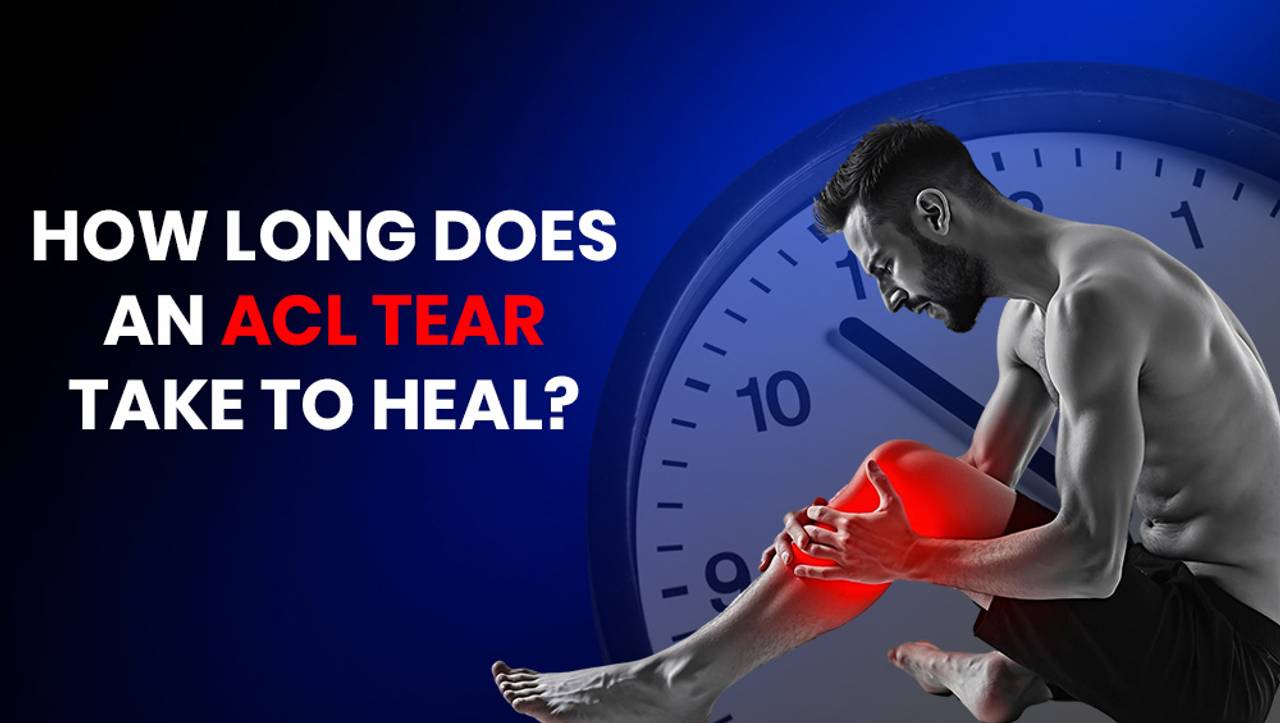
One of the most pervasive beliefs in sports injury recovery is the idea that rest alone is the best medicine for an anterior cruciate ligament (ACL) injury. While it is undeniable that rest plays a role in the recovery process, relying solely on rest can impede proper healing and, in some cases, prolong recovery or increase the risk of reinjury. This article aims to demystify the intricacies of ACL recovery, emphasizing the importance of a structured rehabilitation plan, realistic timelines, and innovative strategies that help athletes return stronger than before.
Understanding the Anatomy of Recovery
The ACL is a critical component of the knee that provides stability and facilitates movements essential for various sports. When injured, the ligament cannot mend on its own and often requires surgical intervention, except in some low-activity individuals or partial tears. Post-surgery, the recovery journey does not conclude with the healing of the surgical wound; it represents just the beginning of an extensive rehabilitation process that aims to restore full function.
Initially, recovery focuses on reducing swelling, improving knee expediency, and regaining a range of motion through physical therapy. These early stages are crucial, as they prevent the development of scar tissue and stiffness, which can limit future movement. As the knee regains strength, the focus shifts towards building muscle strength, particularly in the quadriceps and hamstrings, and enhancing proprioception to ensure stability and prevent reinjury.
Dispelling Myths with Science
There are numerous misconceptions about the ACL recovery timeline and process. Let's clarify these with a myth vs. reality table:
| Myth | Reality |
|---|---|
| Rest alone is enough for recovery. | Active rehabilitation is crucial post-surgery for optimal recovery. |
| All ACL injuries need surgery. | Some partial tears or low-demand cases can heal without surgery. |
| You can return to sports in six months. | Full recovery often takes between 9-12 months for safe sports return. |
| Strength is the only recovery focus. | Recovery involves strength, flexibility, and neuromuscular training. |
Rehabilitation Stages and Recovery Strategies
The rehabilitation process can be generally divided into several stages, each with specific goals:
- Phase 1: Immediate Post-Surgery (0-2 weeks) - The primary objectives during this phase include pain management, reducing swelling, and ensuring the proper healing of the surgical incisions. Early gentle motion exercises may be introduced to prevent joint stiffness.
- Phase 2: Early Rehabilitation (2-6 weeks) - Emphasis shifts toward achieving full knee extension and maintaining flexibility. Muscle strengthening exercises are gradually introduced, focusing initially on isometric exercises.
- Phase 3: Intermediate Rehabilitation (6-12 weeks) - Muscle strengthening is ramped up, and proprioception exercises begin to enhance balance and coordination. Attention to technique and alignment becomes paramount in preventing compensation patterns related to muscle weakness.
- Phase 4: Advanced Activity (3-6 months) - This phase involves more dynamic exercises aimed at building sport-specific movements. The patient may begin light jogging and plyometric exercises, closely monitored by a physical therapist.
- Phase 5: Return-to-Sport (6-12 months) - Full activity is reintroduced when the athlete demonstrates strength similar to the non-injured side, has no pain or swelling, and passes functional sport assessments.
The Psychological Component
Returning to play is not just a physical milestone; it involves overcoming psychological barriers. Many athletes experience fear of reinjury, which can hinder both performance and the likelihood of returning to pre-injury levels. Psychological support, including cognitive-behavioral therapy and visualization techniques, is increasingly recognized as an essential aspect of comprehensive recovery programs.
Sports professionals now emphasize a multidisciplinary approach, combining sports psychologists, physiotherapists, and orthopedic specialists to cater to the varying needs of recovering athletes. Tracking recovery with tools and digital platforms like InstaSport can aid in this process by setting tangible goals and monitoring progress.
Disclaimer: This article is for educational reading about sports injury recovery and does not replace professional medical advice.































Share:
Revolutionizing ACL Injury Recovery: Fact-Checked Protocols for Athletes
Navigating the Journey of ACL Tear Recovery: From Setbacks to Successful Comebacks