
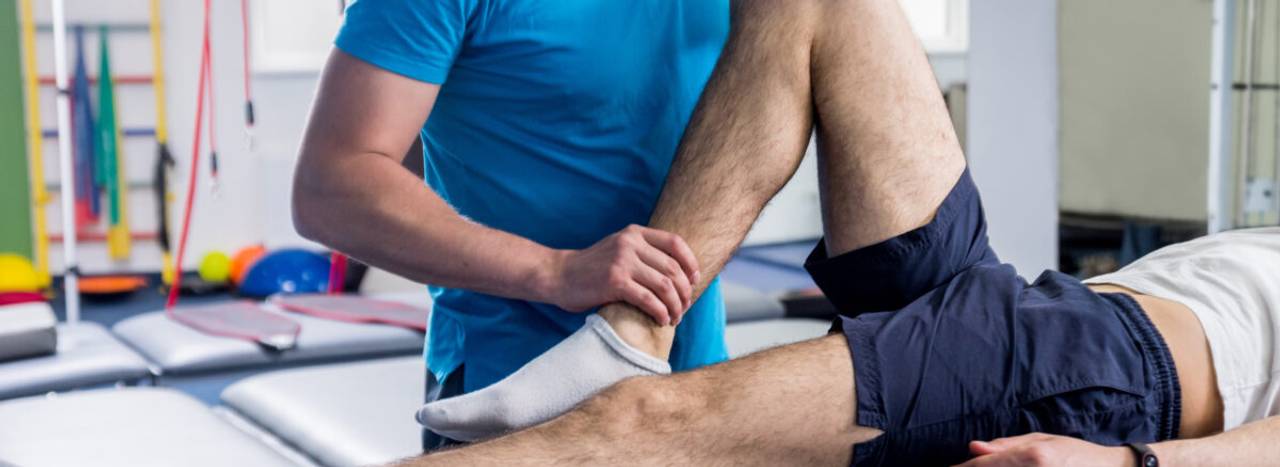
In the realm of sports injury recovery, the widely held belief that complete rest is the ultimate remedy for an ACL injury often stands unchallenged. This notion, deeply embedded in conventional wisdom, implies that immobilization is the most effective course of action. However, modern sports science calls for a reevaluation of this approach. In truth, active rehabilitation often yields more effective results, expediting recovery while reducing re-injury rates.
The anterior cruciate ligament (ACL) plays a crucial role in stabilizing the knee, and injuries here can significantly derail an athlete’s career. Debilitating pain and an extended time from sport can leave many pondering over the best recovery practices. Historically, the call for complete rest was based on outdated understandings of healing processes. Let's clarify the intricate process of ACL injury recovery within the framework of active rehabilitation.
Understanding ACL Recovery: The Re-Building Process
The ACL recovery process requires a structured approach that integrates specific rehabilitation protocols aimed at restoring knee function and ensuring a safe return to physical activity. Clinicians and sports scientists emphasize the importance of an active approach, which involves controlled exercises rather than prolonged rest. This process can be broken down into several phases:
- Inflammatory Phase: Initial rest and protection are essential but should be paired with gentle range-of-motion exercises. Elevation, compression, and addressing swelling through physical therapy can accelerate this phase.
- Early Rehabilitation: Within a few weeks of the injury, introduction of weight-bearing activities and controlled exercises can facilitate muscle activation and proprioception.
- Strengthening Phase: A focus on building the quadriceps and hamstrings is crucial. Controlled squats, leg presses, and glute bridges are advocated during this phase to support knee stability.
- Advanced Rehabilitation: At this stage, athletes engage in sport-specific exercises, concentrating on maintaining strength, flexibility, and balance. Agility drills and plyometrics are often incorporated.
- Return-to-Play (RTP): The final stage focuses on psychological readiness, assessment of functional capacities, and gradual on-field integration.
Myth vs. Reality: ACL Recovery Expectations
Understanding the myths and realities surrounding ACL recovery can significantly influence an athlete’s strategy and outlook. Consider the following table to dispel prevalent misconceptions:
| Myth | Reality |
|---|---|
| Complete rest speeds up recovery. | Active rehabilitation with guided exercises is more effective. |
| Surgery is always necessary. | Non-operative treatments can be viable, especially for partial tears. |
| Return to sports should be delayed over a year. | Often, with proper rehab, many athletes return within 6-9 months. |
| One-size-fits-all rehab protocol. | Rehabilitation should be individualized based on athlete-specific needs. |
The Role of Psychological Recovery
A frequently overlooked aspect of ACL recovery pertains to an athlete’s psychological state. Emotional resilience should be coupled with physical therapy to ensure a comprehensive recovery. Athletes often grapple with anxiety and fear of reinjury, which can impede their return to full performance. Therefore, mental conditioning, visualization techniques, and support systems are integral to rehabilitation frameworks.
Elite recovery programs now include psychologists or mental skills coaches to address these issues directly. Encouraging self-efficacywhere athletes believe in their capacity to execute the actions required for recoveryhas been shown to improve outcomes and expedite return-to-play.
Technology and Innovations in ACL Rehabilitation
Advancements in technology are revolutionizing ACL rehabilitation. Wearable technology, such as motion sensors and smart braces, provide real-time feedback on movement patterns, which helps tailor rehabilitation exercises to specific needs. Virtual reality (VR) training sessions offer immersive environments for athletes to practice sport-specific scenarios, decreasing their time away from practice fields.
Incorporating such technology enables a more precise approach to rehabilitation, including tracking progress and detecting any abnormalities in motion, which might go unnoticed in traditional methods. The data collected not only aids in refining individual recovery programs but also contributes to continuously improving injury prevention strategies across sports.
Ultimately, the pathway from ACL injury to full recovery relies on a multidisciplinary approach, blending traditional rehabilitation strategies with modern technology and athlete-centered care. InstaSport, committed to innovation in sports recovery, aids athletes around the globe by integrating these diverse elements, providing tailored programs to accelerate their journey back to peak performance.
Disclaimer: This article is for educational reading about sports injury recovery and does not replace professional medical advice.































































Share:
Mastering Sports Injury Recovery: Avoiding Common Pitfalls for Successful Return
Debunking ACL Rehab Myths: A Comprehensive Guide to Recovery and Return-to-Play