
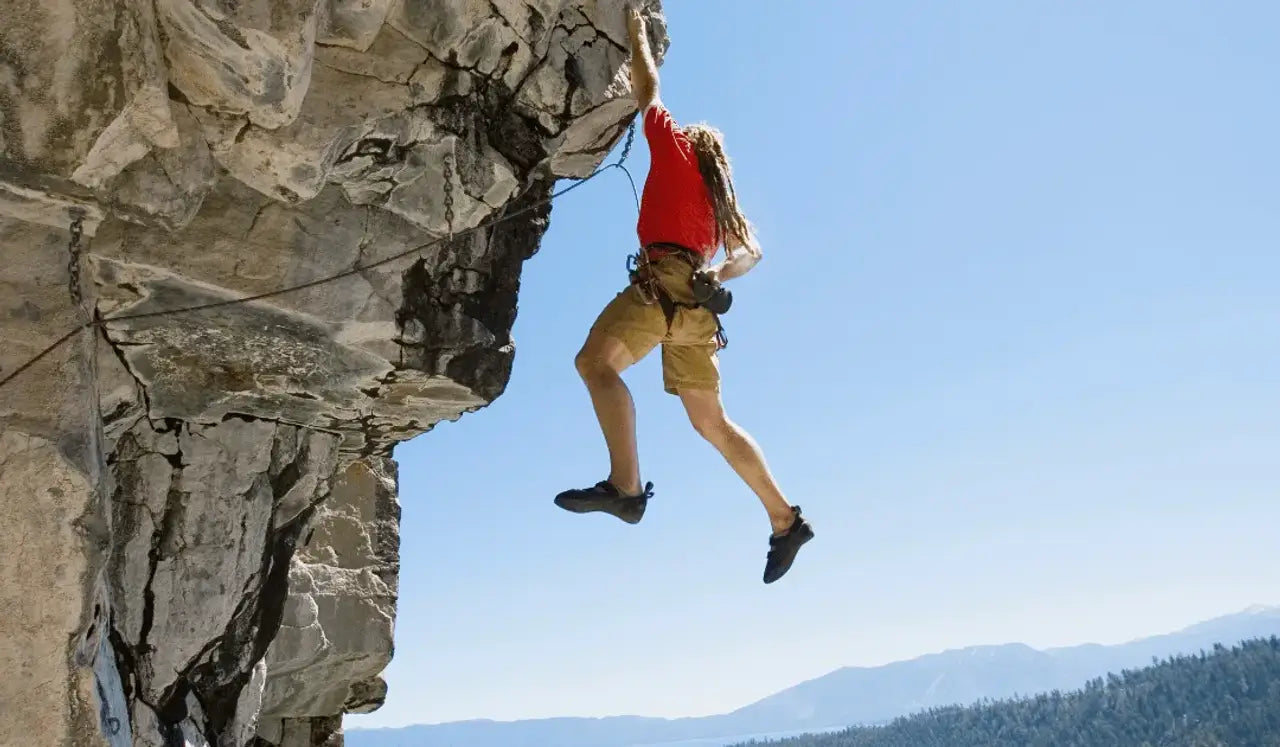
Debunking Recovery Myths: Optimizing Biomechanical Healing for Sports Injuries
Sports injuries are an inevitable part of an athlete's experience, yet recovery often harbors as many misconceptions as motivation. Traditional advice leans heavily on rest, short-sighted rehabilitation plans, and neglects dynamic factors like biomechanics and performance optimization. To pave the way for effective recovery, we must first debunk these myths and foster a holistic understanding of injury rehabilitation.
Challenging the Rest and Immobilization Myth
Conventional wisdom touts rest as a panacea for sports injuries, yet excessive immobilization can be counterproductive. While initial rest is beneficial, particularly in the acute phase, prolonged inactivity can lead to muscle atrophy and decreased joint mobility. A dynamic approach that integrates early controlled movement is crucial for maintaining the range of motion and promoting tissue healing through increased blood flow.
| Rest Phase | Recovery Activity | Duration |
|---|---|---|
| Acute | Rest with gentle stretching | 1-3 days |
| Sub-Acute | Active rehabilitation exercises | 4-14 days |
| Chronic | Return to sport-specific movements | 15+ days |
Biomechanics and Performance-Oriented Recovery
An oversight in recovery is disregarding biomechanical factors that contributed to the injury. Every sport has distinct biomechanical demands, meaning recovery efforts must be tailored to address these specifics. Analyzing injury through a biomechanical lens helps not only in treating the current condition but also in preventing future re-injuries.
Biomechanical Assessment
A comprehensive biomechanical assessment should involve an analysis of movement patterns related to the specific sport. For instance, a runner stressing about knee pain may benefit from evaluations focusing on gait analysis and running form. Corrective exercises can then be specified to refine these mechanics.
Rehabilitation Through Periodization
Traditional linear rehabilitation neglects the principle of periodization used extensively in sports training. Periodization allows for phased adaptation that accommodates an athlete's evolving needs, focusing on varying intensities and recovery stress adaptations.
The Phases of Periodized Rehabilitation
The key periods: micro (short-term), meso (medium-term), and macro (long-term). Each phase emphasizes different aspects of recovery, from immediate control of inflammation to reintroducing high-level performance skills, ensuring a comprehensive path from injury to peaks of performance.
Strength-Building and Stabilization
Injury recovery often emphasizes strength building, but stabilizationthe ability to maintain joint position against resistanceis equally critical. Especially in multi-joint sports like basketball or tennis, stabilization work prevents compensatory movements that can stress healing tissues or adjacent joints.
| Strength Exercise | Stabilization Focus |
|---|---|
| Squats with Weights | Core stability with lower limb alignment |
| Walking Lunges | Knee and hip stability |
| Resistance Band Work | Shoulder joint stability |
Neuromuscular Training for Enhanced Motor Control
Neuromuscular training focuses on brain-muscle communication, enhancing motor control which directly translates to improved athletic performance and injury resilience. These exercises require precision, building a stronger neural pathway that boosts reaction and coordination.
Examples of Neuromuscular Exercises
- Proprioceptive drills on balance boards
- Agility ladders for footwork precision
- Single-leg balance challenges
The Role of Recovery Technologies
Advanced recovery technologies like cryotherapy chambers, laser therapies, and electrical stimulation play a supplementary role by targeting pain reduction, swelling control, and cellular regeneration. These can be particularly beneficial in tandem with traditional methods to accelerate healing.
Conclusion: A Holistic Approach to Recovery
Reevaluating sports injury recovery by deconstructing myths and integrating biomechanical insights results in a more effective rehabilitation strategy. By combining periodization, strength and stabilization training, neuromuscular exercises, and state-of-the-art technologies, athletes can transition smoothly from injury back to peak performance. Remember, every recovery is unique and warrants personalized attention.
To further guide your recovery journey, consider accessing modules and advice through platforms like InstaSport, which tailors strategies to your specific sport and needs.
Disclaimer: The content shared here discusses sports injury recovery in a general context and should not replace professional medical guidance.


















































Share:
Decoding Sports Injury Recovery: Beyond Traditional Methods to Enhanced Biomechanical Performance
Redefining Rotator Cuff Recovery: Insights for Resilient Rock Climbing Athletes