
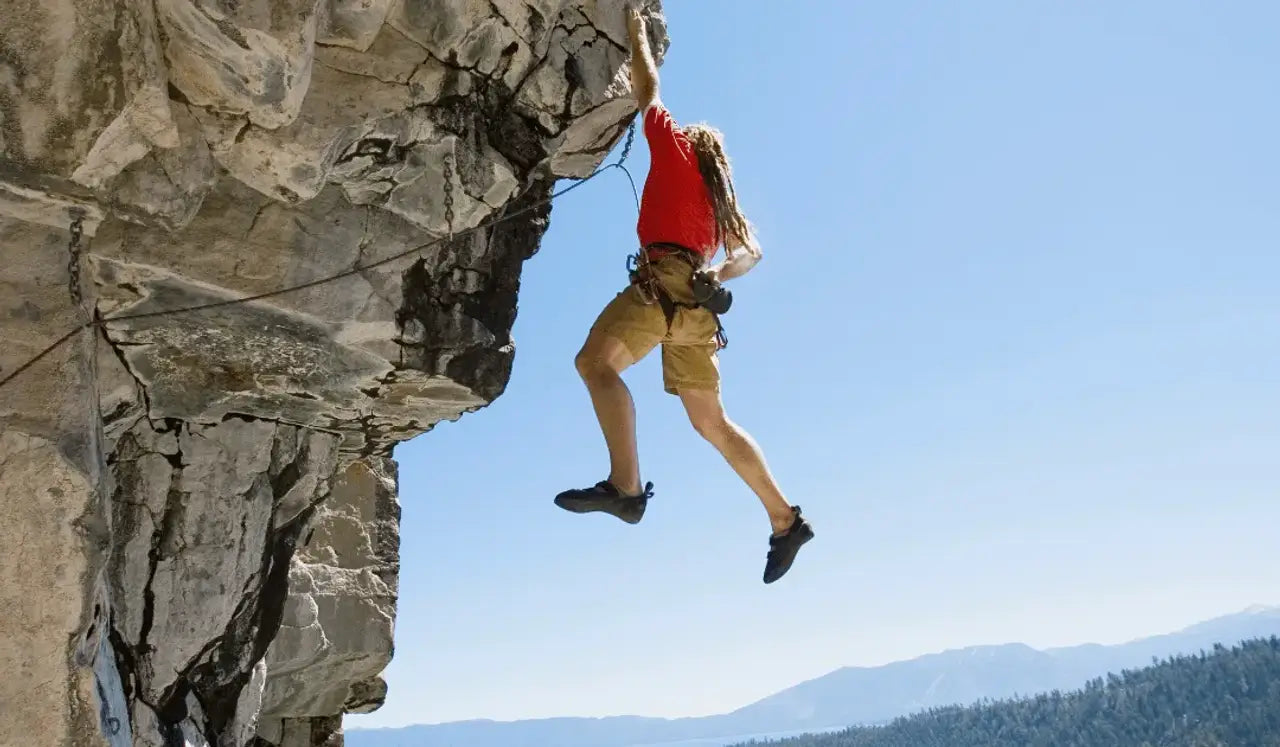
Much like the intricate knots that secure a climber’s gear, understanding the rehabilitation strategies for rotator cuff injuries requires a nuanced interplay of knowledge and technique. The seemingly straightforward process of recovery from such injuries is fraught with misconceptions and outdated methodologies that require scrutiny to pave the way for more effective outcomes, particularly in the demanding sport of rock climbing.
Dispelling Common Recovery Myths
Rotator cuff injuries are ubiquitous among rock climbers due to the sport’s proclivity for exacerbating shoulder joint stresses through repetitive overhead movements and dynamic pulling. However, the prevailing belief that rest and immobilization are the cornerstones of recovery is not only outdated but potentially counterproductive. Contrary to popular paradigms, complete rest can lead to muscle atrophy and restricted mobility, complicating the rehabilitation process.
Moreover, the notion that passive therapies alone - such as ice application or ultrasound - can sufficiently address the entirety of the injury should be critically examined. While these modalities may offer short-term pain relief and inflammation reduction, they do not restore the functional strength necessary for a return to full climbing ability.
A Critical Framework for Recovery
Revolutionizing rotator cuff recovery requires embracing an active rehabilitation model that incorporates stretching, strengthening, and neuromuscular re-education. This approach focuses on rebuilding the shoulder’s stability and function through targeted exercises that adapt to the sport-specific demands of rock climbing.
Let's explore a dynamic recovery protocol that transcends conventional wisdom:
| Phase | Objective | Key Exercises |
|---|---|---|
| Initial (1-2 weeks) | Reduce pain and inflammation, begin mobility | Pendulum swings, isometric holds, passive range of motion |
| Intermediate (3-6 weeks) | Enhance range of motion, initiate muscle strengthening | Theraband resistive exercises, internal/external rotations |
| Advanced (7-12 weeks) | Improve dynamic stability, prepare for climbing | Weight-bearing exercises, proprioceptive training |
| Return to Sport (12+ weeks) | Full integration back into climbing with preventative strategies | Sport-specific drills, climbing walls with reduced intensity |
Critical Analysis of Rehabilitation Strategies
The above framework aligns with evidence-based practice, promoting gradual load application to avoid re-aggravation. Critics may argue that such an approach lacks specificity; however, it is this very partiality to incremental progression that prevents setbacks.
Incorporating sports-specific patterns into rehabilitation entails not just a physical challenge, but a cognitive one - prompting climbers to relearn movement patterns under a new paradigm. This dual emphasis accelerates the return to performance by ensuring the athlete is not just physically ready but mentally equipped to tackle the unique hurdles posed by rock climbing.
The Role of Technology and Innovation
Recent advancements in wearable technology and biomechanical analysis provide invaluable insights into recovery. Monitoring devices now allow athletes and physiotherapists alike to gather data on muscle activation, joint angles, and load management to tailor rehabilitation programs with unparalleled precision.
Moreover, innovative rehabilitation tools, such as augmented reality (AR) training modules, enable climbers to visualize and practice complex maneuvers within a controlled environment, minimizing risk and optimizing movement efficiency.
The Future of Rotator Cuff Recovery in Rock Climbing
While recovery from rotator cuff injuries in rock climbing has traditionally been approached with caution and convention, it is these very mechanisms that need recalibration. The future lies in a synthesis of traditional care approaches integrated with technological advances, ensuring climbers not only heal but come back stronger and more versatile.
The way forward is clear - embracing an evidence-based, progressively loaded, and technologically savvy methodology brings us closer to realizing the vast potential of athletic recovery. In a sport where strength meets finesse, the road to recovery must reflect this duality.
For personalized tracking and monitoring on your road to recovery, consider utilizing innovative platforms like InstaSport to optimize your training regimen.
Disclaimer: This article is for educational reading about sports injury recovery and does not provide medical, diagnostic, or treatment advice.
























Share:
Debunking Recovery Myths: Optimizing Biomechanical Healing for Sports Injuries
Rehabilitation Strategies for Optimal Recovery from Ankle Sprains in Basketball Athletes