
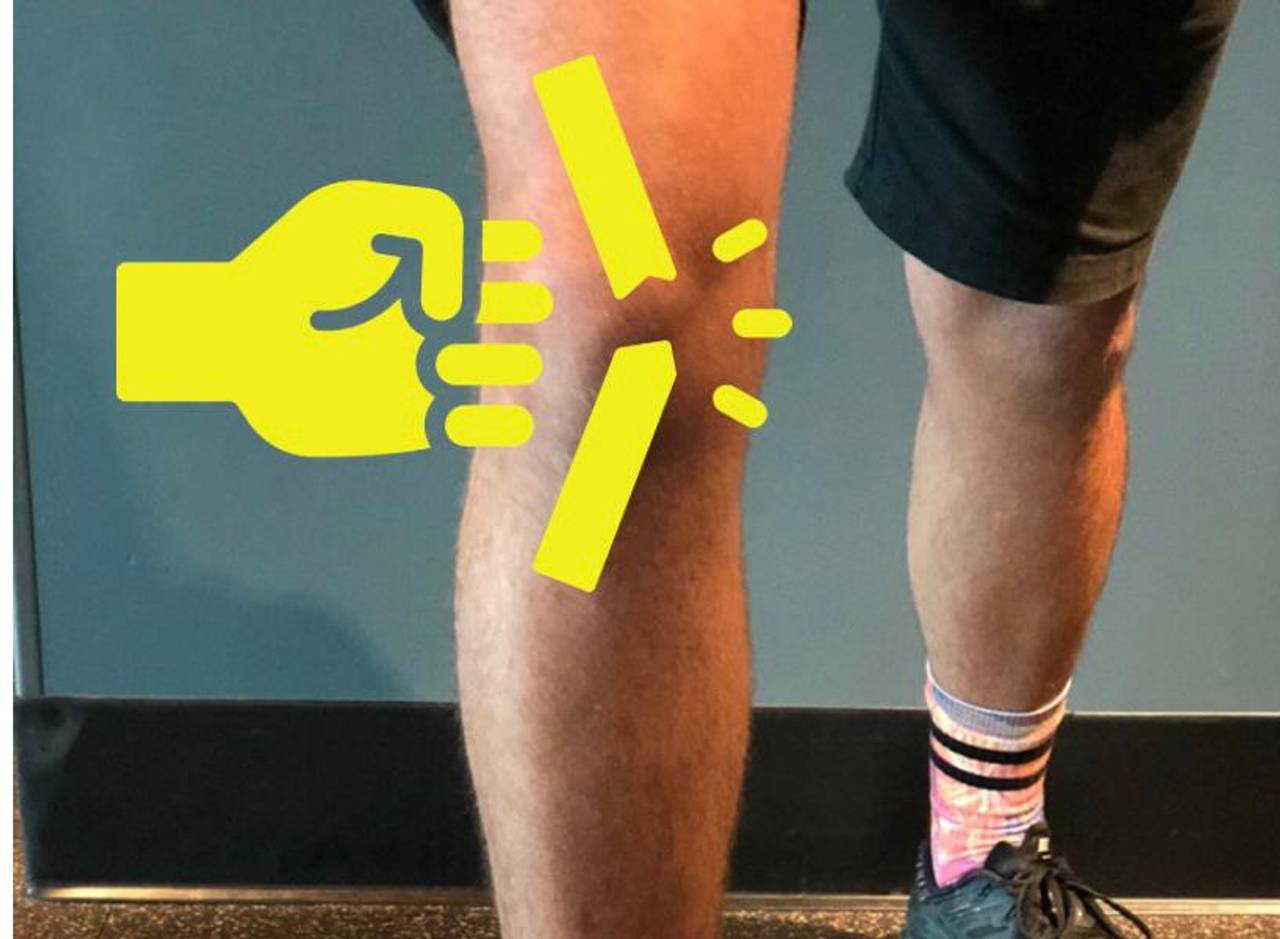
Debunking the Quick Fix: Truths About Sports Injury Recovery
In the world of sports, injury is often an inevitable part of the game. Among athletes and enthusiasts alike, there's a pervasive belief that speedy recovery and returning to play as quickly as possible is an achievable goal with the right treatment. "Just a few weeks," some might say, as they trot you through tales of miraculous recoveries. But how realistic is this notion, particularly when it comes to serious injuries like a torn Anterior Cruciate Ligament (ACL) or a torn rotator cuff?
The concept of a quick fix in sports injury recovery is largely a myth. Despite tales of rapid returns from professional athletes, the reality is much more nuanced, demanding a patient and comprehensive approach to rehabilitation. Unpacking this myth is crucial as the pursuit of rapid returns can lead to inadequate healing and long-term damage.
A Step-by-Step Guide to Understanding Injury Recovery
Context is key when discussing recovery timelines. Every injury is unique, influenced by factors such as the severity of the injury, the athlete's previous health condition, and even the mental resilience of the individual in recovery. Let's take, for instance, the understanding of tissue healing in sports injuries.
The Phases of Healing
- Inflammatory Phase: Immediately after injury, the inflammatory response begins. This phase is characterized by swelling, redness, and pain and usually lasts around 3 to 7 days. During this time, blood vessels constrict and then dilate to bring necessary nutrients and anti-inflammatory agents to the site.
- Proliferation Phase: After initial inflammation subsides, proliferation begins. This phase is crucial for tissue formation as collagen is laid down. It can last anywhere from 3 to 6 weeks and is accompanied by the gradual strengthening of the injured site.
- Remodeling Phase: The final phase of healing involves the maturation and reorganization of collagen fibers at the injury site to restore functionality as closely as possible to its former state. This phase can last several months, sometimes over a year, depending on the injury’s complexity.
Myth vs Reality in Recovery
| Common Myths | Reality |
|---|---|
| "No Pain, No Gain: Push Through the Pain" | Rehabilitation often prioritizes rest and controlled movements over aggressive treatments. Pain is a signal the body uses to indicate that harm might be occurring or healing is needed. |
| "Injuries Can Heal in Four to Six Weeks" | Typical healing phases for many soft tissue injuries can stretch from weeks to months, with full functional recovery sometimes taking up to a year, or longer. |
| "Once the Pain Is Gone, You're Healed" | Absence of pain does not equate to full recovery. Muscles and ligaments might still be weak and need proper conditioning to truly be ready for return-to-play. |
Rationale Behind Long Rehabilitation Duration
Athletes often experience setbacks when they attempt to rush recovery, commonly resulting in re-injury. Comprehensive rehabilitation programs, which often include physical therapy, cross-training, and psychological counseling, are designed to restore not just physical health but also mental resilience and performance capacity.
The Role of Physical Therapy and Conditioning
Physical therapy is integral to sports injury recovery, structured around a progressive model that allows athletes to build strength, flexibility, and endurance gradually. Each physical therapy session is an opportunity to track progress and make necessary adjustments to the plan based on current capabilities and limitations.
Psychological Factors in Recovery
An often overlooked aspect of recovery is the psychological component. The mental battle against doubt, fear of re-injury, and the frustration of being sidelined requires just as much attention. Techniques such as visualization, mental resilience training, and supportive counseling play vital roles in ensuring the athlete's psychology aligns with their physical recovery.
Navigating Return-to-Play Decisions
The decision to return to play is complex and multi-faceted. It involves assessing functional readiness, which requires not just a pain-free state but evidence of restored muscular strength and endurance.
Moreover, prehab exercises, those undertaken before returning to play, prepare athletes for the physical demands of their sport. These exercises often mimic sport-specific movements to re-assimilate the athlete with the intensity and actions they will encounter on the field or court.
In the context of all these considerations, relying solely on timelines like "six weeks to recovery" can be misleading. What's crucial is the tailor-made approach to each athlete, which addresses their unique needs and pace of recovery.
InstaSport's Role in Supportive Recovery
For athletes looking for comprehensive solutions that integrate the latest recovery technologies and expert advice, InstaSport provides tailored rehabilitation programs that prioritize personalized care over standardized timeline expectations, aligning holistic approaches to meet individual needs.
Disclaimer: This article is for educational reading about sports injury recovery and does not replace professional medical advice.

















































Share:
Navigating the Journey of ACL Tear Recovery: From Setbacks to Successful Comebacks
Maximizing ACL Injury Rehabilitation: A Comprehensive Guide to Long-term Recovery Success