
Tackling Post-Surgery Complications in ACL Recovery
Anterior cruciate ligament (ACL) injuries are among the most prevalent issues faced by athletes across various sports. Often, the initial surgery is just the beginning of a challenging recovery journey that is fraught with complications. One of the primary problems athletes encounter during ACL recovery is the persistence of knee instability despite surgical intervention. This instability can be exacerbated by inadequate post-surgical rehabilitation, leading to a vicious cycle of incorrect movement patterns, further injury, and delayed return to the sport.
Long-term Consequences of Ineffective ACL Recovery
If not properly managed, an ACL injury can lead to a cascade of long-term complications. Chronic knee pain, continuous instability issues, and accelerated joint degeneration such as osteoarthritis are common among athletes who do not receive adequate rehabilitation. In some cases, this can extend to a loss of athletic career and a profound impact on mental health, manifesting as anxiety and depression due to lost identity as an athlete. Additionally, the risk of secondary injuries to the meniscus or other ligaments within the knee can increase if the knee continues to be unstable post-recovery.
Phases of ACL Recovery
The journey to full ACL recovery is typically divided into several critical phases, each carrying its own set of goals and challenges. Understanding these can significantly enhance the effectiveness of rehabilitation efforts, helping athletes to regain their strength, confidence, and competitive edge.
Immediate Post-Surgery Phase
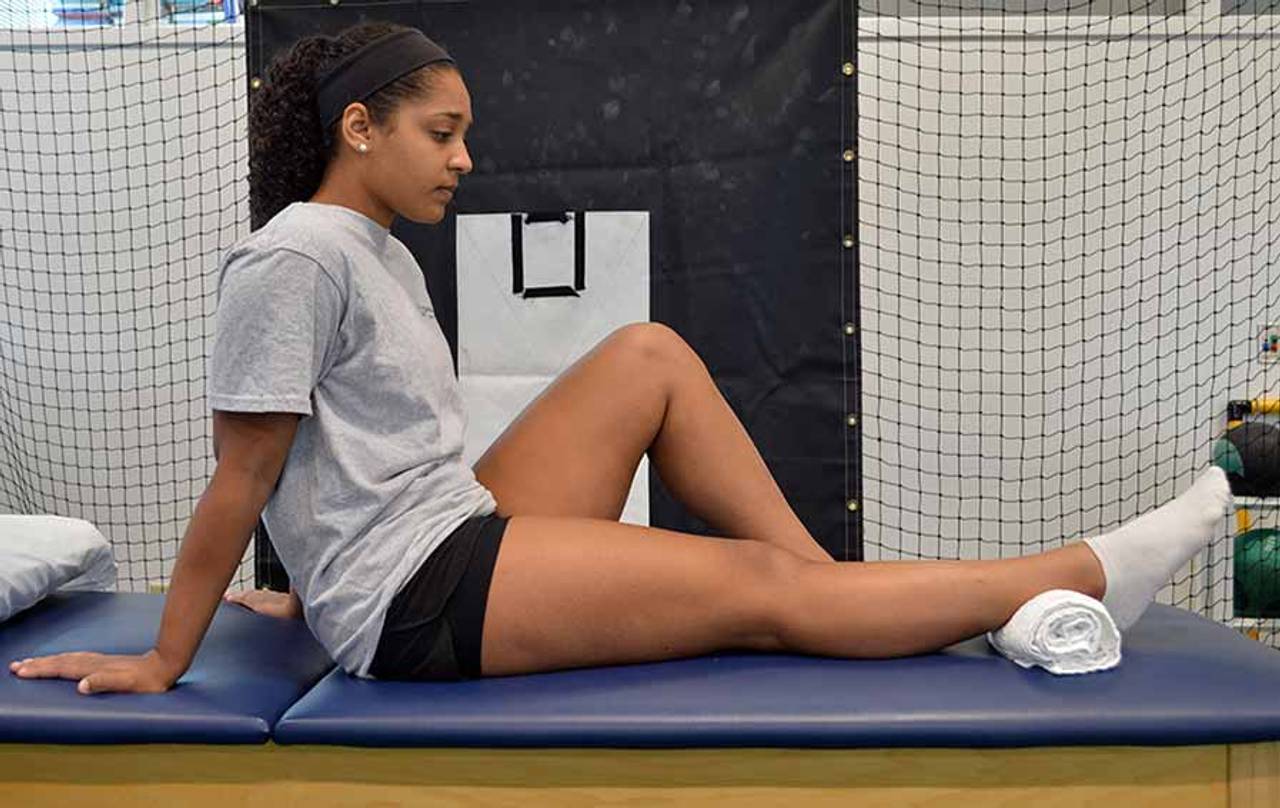
The first phase begins immediately after surgery and lasts about one to two weeks. The primary focus here is on managing pain and swelling, ensuring the athlete can reach full knee extension, and starting gentle range of motion exercises. Managing these successfully is crucial, as it sets the foundation for the subsequent phases of recovery.
Early Rehabilitation Phase
Between weeks two to six post-surgery, the focus shifts towards restoring normal motion, partial weight bearing, and beginning muscle strengthening exercises. At this stage, maintaining full knee extension and gradually improving knee flexion is critical. Muscle strengthening exercises focusing on the quadriceps and hamstrings are often introduced, carefully balancing between adequate loading and avoiding stress that might jeopardize the healing graft.
| Recovery Phase | Duration | Key Focus Areas |
|---|---|---|
| Immediate Post-Surgery | 1-2 weeks | Pain management, full knee extension |
| Early Rehabilitation | 2-6 weeks | Motion restoration, muscle strengthening |
| Intermediate Phase | 6-16 weeks | Advanced strengthening, proprioception |
| Advanced Activity Phase | 16-24 weeks | Sport-specific training, full activity |
| Return to Sport | 6-9 months | Full return, performance optimization |
Intermediate Phase
During this period, from six to sixteen weeks, the intensity of rehabilitation increases. This phase emphasizes advanced strength training and proprioception. Proprioceptive exercises, which improve balance and coordination, are crucial as they teach the body how to protect the knee from future injuries. Continued muscle strengthening, neuromuscular training, and retention of good motion range are vital to advance into more dynamic activities successfully.
Advanced Activity Phase
From sixteen to twenty-four weeks, rehabilitation transitions into sport-specific activities. At this point, athletes often engage in higher-level activity simulations to gradually prepare them for the rigors of their specific sports. The challenge here is to increase intensity without compromising the healing process, steadily building up to pre-injury performance levels.
Return to Sport
The final phase extends from approximately six months to nine months post-injury, leading to the athlete’s full return to competition. It's crucial that athletes undergo rigorous functional testing to ensure they have achieved sufficient strength, agility, and neuromuscular control. Performance optimization tactics, including mental coaching and ensuring long-term joint health, are prioritized to guarantee the athlete can compete safely and effectively.
In summary, a structured approach to ACL recovery, as outlined above, is vital not only for an athlete’s physical recuperation but also for maintaining their psychological well-being during such a critical shift. Platforms like InstaSport can provide the necessary guidance and resources, enhancing the recovery experience and improving outcomes for athletes across all levels.
Disclaimer: This article is intended for general informational purposes only and reflects common patterns seen in sports injury recovery. It is not medical or technical advice.


























































Share:
Debunking the Quick Fix: Truths About Sports Injury Recovery
The Journey Back: Navigating ACL Injury Rehabilitation and Timelines