
The Invisible Hurdle: Facing the Psychological Challenges of Achilles Tendon Rupture
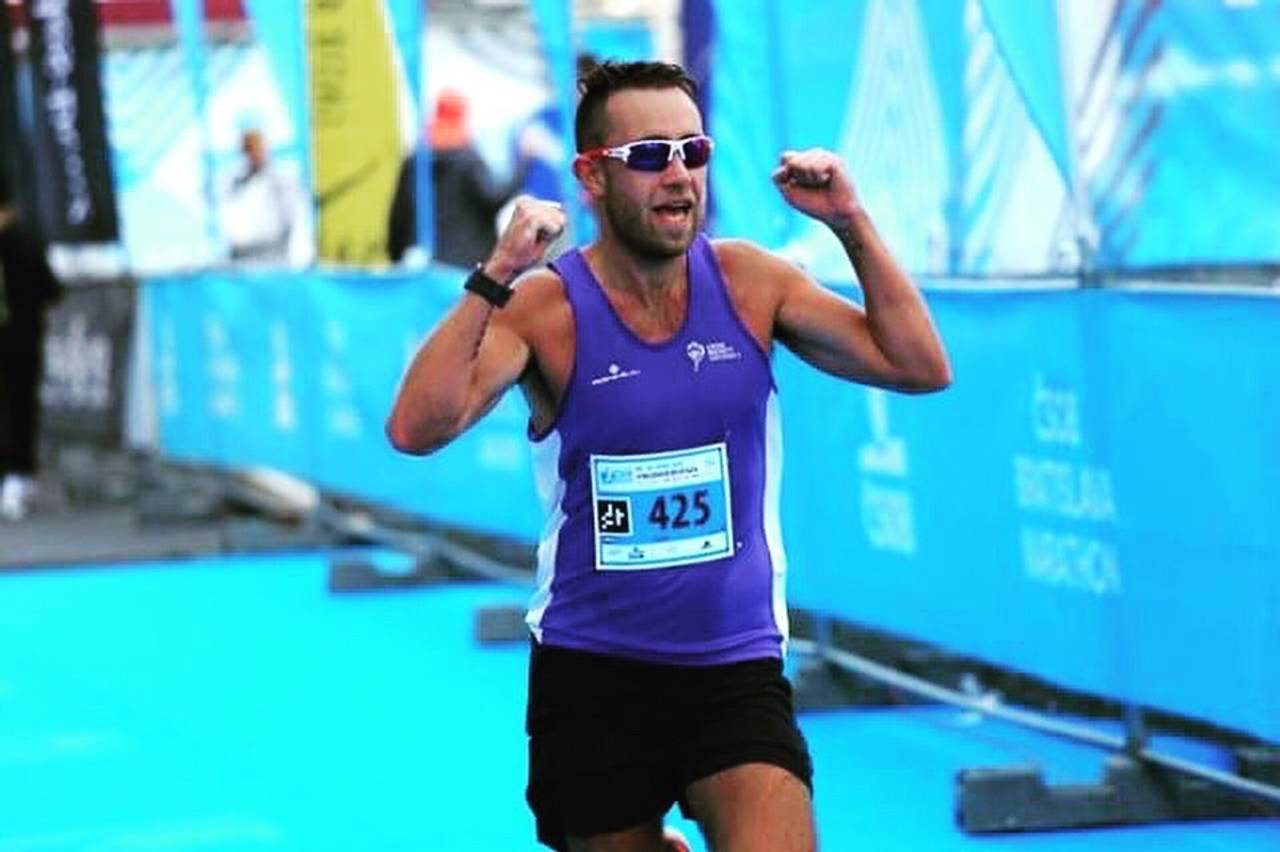
In the heart of every long-distance runner lies an undeniable passion for the trail, the rhythm of breath syncing with each step. This passion can swiftly collide with despair upon the sudden betrayal of an Achilles tendon rupture. A rupture can be both a physical injury and an emotional rupture, impacting not just the body, but the very soul of a runner. Understanding this profound yet often invisible hurt is crucial to the journey of recovery.
Understanding the Emotional Consequences
The Achilles tendon rupture does more than incapacitate a runner physically. It places them in a stifling limbo, disconnected from what gives their lives vigor and purpose: the ability to run. The psychological ramifications can be daunting, such as depression, anxiety, and the loss of identity. When a runner is forced to abstain from their passion, it’s akin to asking them to look at a canvas without color.
Studies highlight a common pattern among athletes recovering from significant injuries: an emotional rollercoaster that spirals from shock and denial to frustration and acceptance. This emotional turbulence can sabotage physical recovery if not acknowledged and addressed.
The Recovery Journey: Phases Beyond the Physical
| Phase | Physical Focus | Psychological Strategy |
|---|---|---|
| Immobilization | Rest and Healing | Mindfulness and Acceptance |
| Rehabilitation | Regain Movement | Positive Visualization and Goal Setting |
| Return to Running | Build Strength and Endurance | Celebrate Progress and Cultivate Resilience |
Phase 1: Embracing the Present
In the immediate aftermath of an Achilles rupture, immobilization is inevitable. This phase places a runner in unfamiliar territory, restricted in movement and contemplating futures uncertain. Embracing mindfulness during this period can foster acceptance, allowing runners to come to terms with their current state rather than solely fixating on physical limitations.
Practicing gratitude and reflecting on small daily victories can help shift the focus away from what’s lost to what’s still possible. Encouraging oneself to visualize the healing process as an active component in recovery can lend a sense of agency and hope.
Phase 2: Cultivating Strength Inside and Out
As the body begins rehabilitation, gradually introducing physical exercises, the emotional landscape evolves. Positive visualization techniques become instrumental auxiliaries in nourishing the psyche. Imagining oneself completing runs, feeling the freedom of the track can reignite passion without strain.
Setting short-term and achievable goals keeps the journey tangible, allowing runners to witness progress. Cultivating patience is essential; each step forward is a testament to resilience and recovery.
Phase 3: Renewing the Running Spirit
The path to returning to running is often rife with both excitement and trepidation. Building strength and endurance reopens the door to a passion lost, but with it emerges the fear of re-injury. Here, emotional resilience takes center stage.
Relearning to trust one's body is pivotal. Creating a support network composed of peers, coaches, and mental health professionals can offer encouragement and impart confidence. Celebrating each milestone, no matter how small, fosters a sense of accomplishment, reinforcing the runner's redefined identity.
The Importance of Emotional Resilience in Recovery
Accepting the significant role that the mind plays alongside the body, the journey through Achilles tendon rupture recovery becomes holistic. Mental strength to envision success and embrace setbacks, underpins the rebuilding of physical capability.
This is where a tool like InstaSport becomes essential. Connecting with a community that understands, providing motivation and scientifically-backed strategies, ensures that runners aren’t isolated on their path to recovery. With resources at one’s fingertips, the daunting journey turns into a shared experience, replete with inspiration and camaraderie.
Disclaimer: This article is intended for general informational purposes only and reflects common patterns in sports injury recovery. It is not medical or technical advice.





















































Share:
From Pool to Peak: Emotional and Physical Strategies for Rotator Cuff Recovery in Swimmers
Rise, Run, Repeat: The Journey of Overcoming Shin Splints in Competitive Runners