
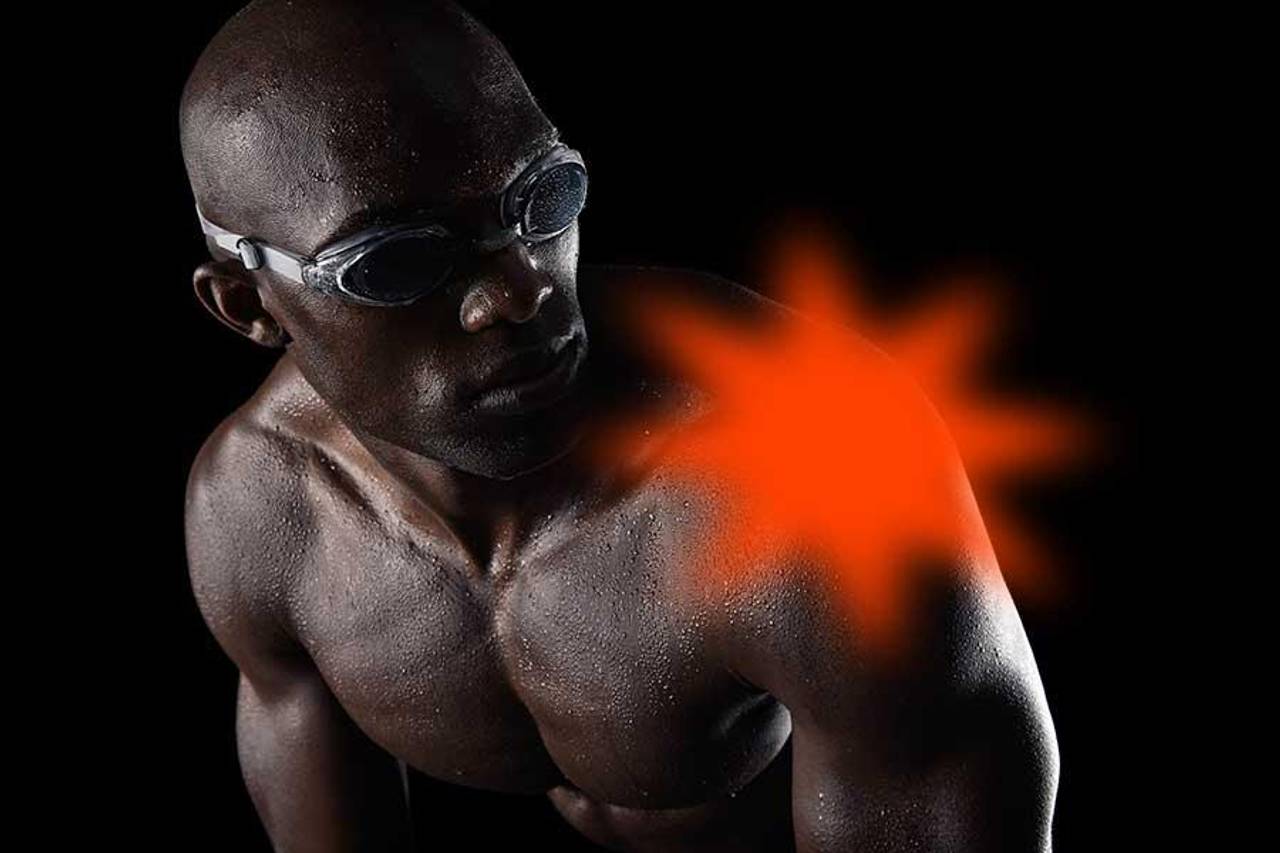
Understanding the Impact of Rotator Cuff Injuries on Swimmers
Swimmers are renowned for their incredible endurance and grace in the water, yet this elegance can be marred by the specter of physical setbacks. Among the myriad of potential injuries, a rotator cuff tear or strain stands out for its ability to sideline athletes, both physically and emotionally. The rotator cuff, a group of muscles and tendons that ensure the shoulder's dynamic stability, is crucial for the overhead movements so integral to swimming. Confronted with such an injury, swimmers often face a conundrum that extends beyond mere physical rehabilitation.
The Psychological Toll of Injury
For many swimmers, the pool is not just a place of competition, but a sanctuary where the day’s stresses dissolve stroke by stroke. An injury can disrupt this critical escape, leaving athletes feeling frustrated, fearful, and despondent. According to sports psychologists, injury can trigger a process similar to grieving, encompassing denial, anger, bargaining, depression, and acceptance. These emotional hurdles can be just as challenging as the physical aspects of rehabilitation.
Without the early-morning training sessions and post-practice camaraderie, swimmers can feel isolated and distanced from their sense of community. This separation can exacerbate feelings of loss, making it difficult for athletes to maintain their identity connected to swimming.
The Comprehensive Path to Recovery
Successful recovery from a rotator cuff injury doesn't happen overnight. Instead, it's a calculated journey that requires athletes to navigate through multiple phases. Each of these stages focuses on different aspects of healing, aimed at restoring the athlete not just physically, but emotionally and mentally as well.
Phase 1: Initial Rest and Mindful Acceptance
The early days post-injury involve an enforced period of rest, a concept difficult to embrace for most athletes. During this phase, pain management and inflammation reduction are prioritized, often with the guidance of medical professionals. It's crucial during this time for athletes to shift focus from what they cannot do, to what they can. Practicing mindfulness and acceptance works as a foundation for positive recovery, reducing stress and promoting psychological resilience.
Phase 2: Gradual Reintroduction of Activity
Once the pain subsides and healing begins, swimmers can slowly reintroduce activity. This may initially involve basic physical therapy exercises that enhance flexibility and strength around the shoulder. Swimming-specific movements, however, are still off-limits. Here, it's essential for athletes to maintain patience and avoid rushing the processsmall, incremental gains trump any setbacks due to overzealous training.
| Recovery Activity | Goal | Timeframe |
|---|---|---|
| Stretching Exercises | Maintain flexibility | Daily |
| Strengthening Exercises | Build shoulder stability | 2-3 times weekly |
| Low-Impact Cardio | Sustain cardiovascular fitness | 3 times weekly |
Phase 3: Return to Pool with Caution and Confidence
As physical therapy progresses, athletes are often itching to return to the water. The transition back to swimming should be meticulously planned, beginning with reduced-duration workouts and a focus on correct form to avert further injury. Swimmers should harness this time to refine technique, thus mitigating risks of recurrence.
The emotional journey is equally crucial. Regular consultations with sports psychologists can help athletes manage expectations and set realistic goals, fostering a sense of achievement and control over recovery milestones. Support networks, whether through family, friends, or teammates, provide the encouragement needed for maintaining motivation.
Phase 4: Embracing Full Recovery and Prevention
The final stage encompasses a return to normal swimming volume and intensity. It's here that athletes need to remain vigilant and continue employing preventive strategies learned during rehabilitation. Cross-training, ergonomic assessments of swimming techniques, and ongoing strength maintenance are vital for long-term health.
Swimmers often emerge from this journey with a newfound respect for their bodies and mental fortitude, equipped with techniques to more effectively manage stress and physical demands. It's a comprehensive transformationone that allows athletes to dive back into the water with renewed vigor and perspective.
Conclusion
Rotator cuff injuries can take swimmers on a path of physical strain and emotional turmoil. Yet, through a structured, multi-phase rehabilitation program that addresses both mental and physical aspects, athletes can surmount these challenges. Furthermore, digital platforms like InstaSport offer personalized, supportive environments to help athletes maintain focus and accountability throughout their recovery process.
Disclaimer: This article is intended for general informational purposes only and reflects common patterns in sports injury recovery. It is not medical or technical advice.




















































































Share:
Why Some Athletes Never Fully Recover: A Systems-Level Analysis of Sports Injury Recovery
Healing the Soul of the Runner: Overcoming the Psychological Barriers of Achilles Tendon Rupture