
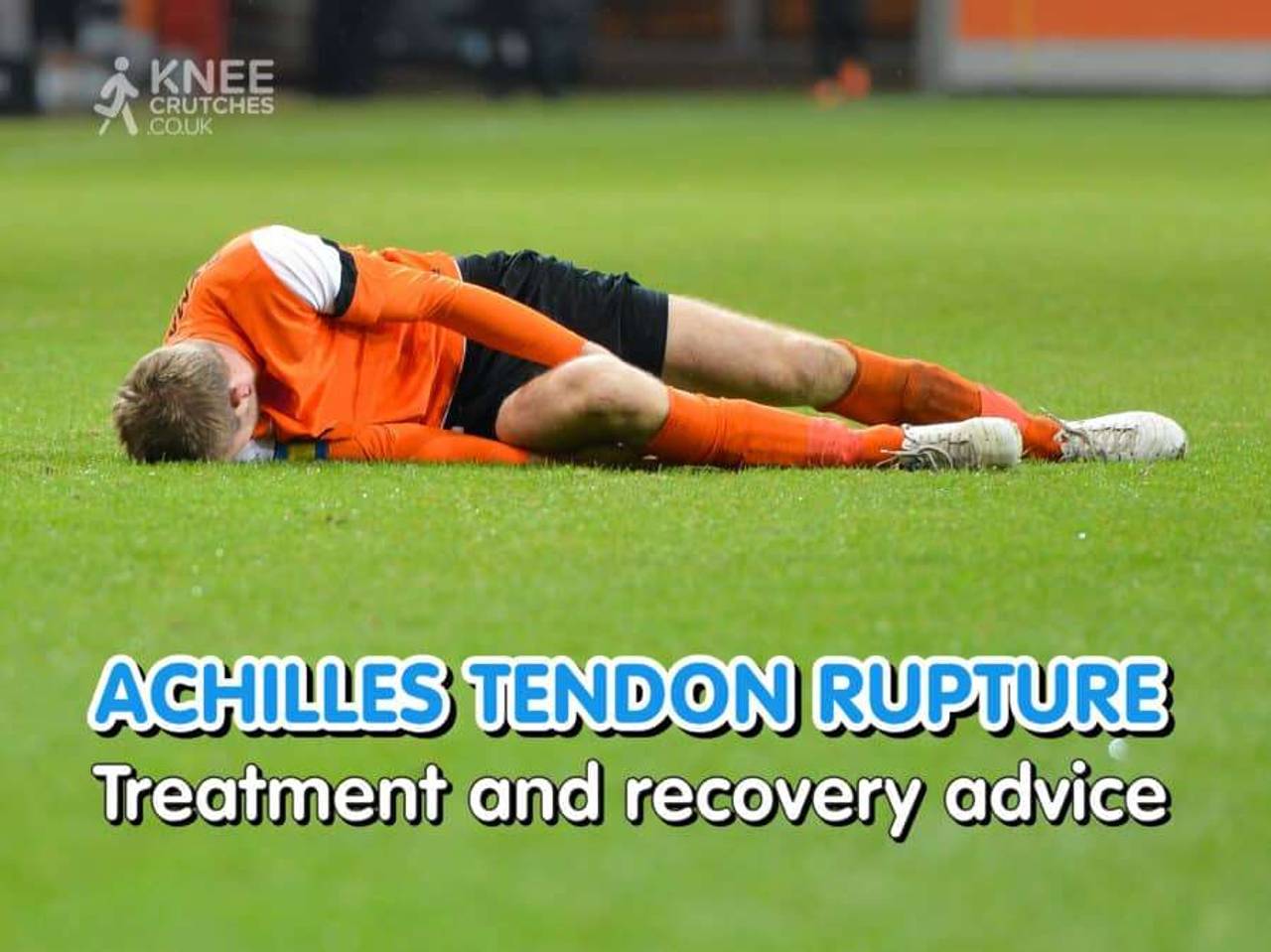
The world of soccer is vibrant, intense, and at times, relentlessly unforgiving, particularly when it comes to injuries. The Achilles tendon, the robust band of fibrous tissue connecting the calf muscles to the heel bone, is one such area that can be devastatingly injured. For many players, an Achilles tendon rupture not only halts their season but can severely jeopardize their careers. Understanding why some recovery attempts fail provides critical insights into establishing successful rehabilitation protocols going forward.
Inadequate Recovery Protocols: Learning from Failures
The story of recovery from an Achilles rupture is often riddled with false starts and setbacks, primarily due to poorly tailored rehabilitation plans. Too often, protocols are not individualized, ignoring the nuances of each player's unique physiology and injury specifics. Recent studies highlight this, showing that universal approaches can lead to prolonged inactivity, increased risk of re-injury, and even permanent damage. Additionally, inadequate monitoring during rehab exacerbates these outcomes, underscoring the necessity of regular assessment to adjust rehab intensity and duration as needed.
Moreover, returning to play prematurely is a prevalent mistake. A 2022 survey of professional soccer players indicated that those rushed back into the game experienced a re-rupture rate of 22%, compared to just 8% among those who adhered to a recommended timeline.
The Anatomy of Effective Recovery
Effective Achilles tendon rupture recovery integrates various methodologies tailored to the athlete's individual needs. The journey begins with understanding the injury’s complexity and devising a regimented, comprehensive rehabilitation strategy. This includes three pivotal stages: immobilization and initial healing, progressive weight-bearing and strengthening, and gradual reintegration into competitive play.
| Stage | Duration | Focus | Key Activities |
|---|---|---|---|
| Immobilization and Initial Healing | 1-6 weeks | Preventing damage, pain management | Use of a cast or boot, rest, gentle mobility exercises |
| Progressive Weight-bearing and Strengthening | 6-12 weeks | Building strength, flexibility | Physical therapy, gradual weight-bearing |
| Gradual Reintegration into Play | 3-6 months | Stamina, coordination, full activity | Sport-specific drills, biomechanical analysis |
Achieving a Successful Rehabilitation: The Role of Tailored Programs
An effective rehabilitation program respects the complexity of the injury while emphasizing individualized care. Personalized exercise regimens are crucial, aiming to improve not only the localized strength of the Achilles but also overall muscular coordination, balance, and agility. Leading-edge technologies such as functional MRI and biomechanical assessments provide real-time feedback, ensuring adaptations are made swiftly to optimize recovery.
Innovations and Evidence-Based Practices in Rehabilitation
Novel approaches in Achilles tendon recovery are making headway beyond traditional methods. For instance, the incorporation of platelet-rich plasma (PRP) injections during the recovery phase shows promising results in enhancing healing rates. PRP, rich in growth factors, accelerates tissue regeneration and reduces inflammation, integral to improving outcomes.
Similarly, the use of aquatic therapy in early recovery allows athletes to perform low-impact activities that maintain cardiovascular conditioning while alleviating stress on the healing tendon. Furthermore, neuromuscular electric stimulation (NMES) is gaining traction for its potential to enhance muscle function and expedite recovery.
Emphasizing the Psychological Aspect of Rehabilitation
While physical recovery is critical, the psychological impact of a significant injury like an Achilles tendon rupture cannot be overlooked. Athletes face anxiety about the possibility of re-injury and reduced performance, which can hinder their return to play. Comprehensive recovery programs incorporate psychological counseling, equipping players with mental resilience and coping strategies.
The Future of Recovery: Data-Driven Insights and Continuous Innovation
As rehabilitation science evolves, incorporating data analytics into injury recovery offers the next frontier in managing Achilles tendon ruptures. Data-driven techniques, like player-specific recovery scoring systems, can precisely predict recovery timelines and interventions needed at each stage, thus minimizing risks and optimizing outcomes.
Ultimately, maximizing a soccer player's potential post-injury requires a multifaceted approach that is holistic and adaptive. The blend of precision medicine, advanced rehabilitation technology, and mental fortitude forms the backbone of effective recovery.
With such an intricate web of recovery methodologies at play, choosing a comprehensive and multidisciplinary platform like InstaSport could provide players and teams with the collaborative tools needed to oversee a successful journey from injury back to peak performance on the field.
Disclaimer: This article is intended for general informational purposes only and reflects common patterns in sports injury recovery. It is not medical or technical advice.




















































Share:
Rebalancing the Body: A Biomechanical Guide to Achilles Tendon Rupture Recovery for Distance Runners
Rising from the Ashes: Emotional and Psychological Triumph in Sports Injury Recovery