
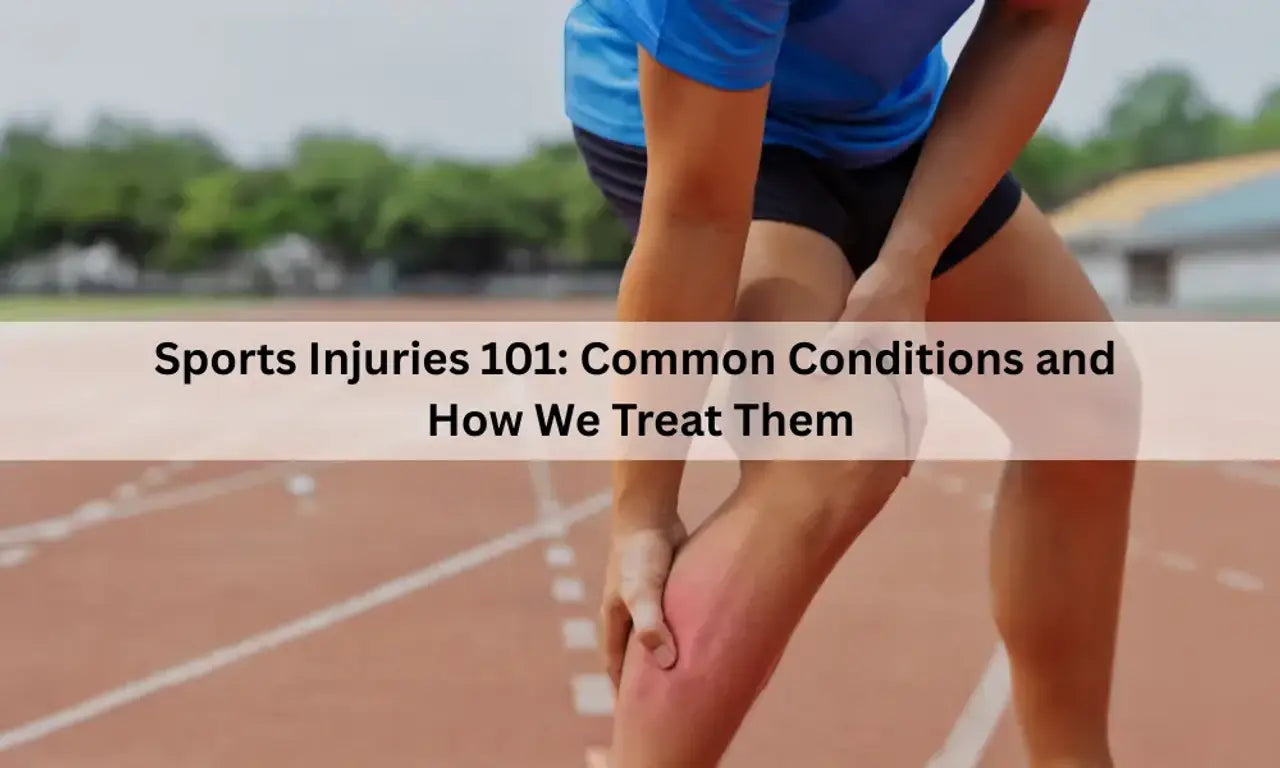
Understanding the Emotional Toll of Sports Injuries
In the world of sports, where every fraction of a second counts and every muscle is pushed to its utmost limits, injuries can be the cruelest setback. Yet for many athletes, the physical recovery is only half the battle. The journey back to peak performance often includes overcoming significant psychological challenges.
Stories of Setbacks: When Recovery Falls Short
Take the case of Jason, an elite sprinter whose dreams of Olympic glory were shattered not by his competitors, but by a devastating hamstring tear. Despite following a strict physical rehabilitation program, Jason found himself on a perilous path of self-doubt and fear. His physical recovery had been progressing well, but mentally he felt far from ready. The anxiety of reinjury loomed over every training session, and without addressing this mental barrier, his chances of returning to competitive running dwindled.
Then there's Emily, a promising gymnast whose career was derailed by a broken ankle. Her body was healing, but emotionally she faced an uphill battle. The pressure to return too quickly and the fear of not living up to her previous performances created a paralyzing sense of inadequacy. Emily's coaches were fixated on the timeline of her physical recovery, missing the signs of her deepening emotional struggle. This oversight would eventually lead Emily to leave the sport she loved.
What Truly Works: An Integrated Approach to Recovery
Success stories in sports recovery reveal a common thread: the integration of psychological support alongside physical rehabilitation. Athletes like Mike, a marathon runner who came back stronger after an ACL tear, credit their return to success not only to the physical therapy but to the mental resilience training they underwent.
| Key Aspect | Description |
|---|---|
| Emotional Support | Access to sports psychologists to address fears and anxieties. |
| Visualisation Techniques | Guided imagery to mentally rehearse successful performances. |
| S.M.A.R.T. Goals | Setting Specific, Measurable, Achievable, Relevant, Time-bound goals. |
| Peer Support | Engagement in group therapies with fellow recovering athletes. |
Emotional and Psychological Support: A Critical Component
Research increasingly highlights the importance of psychological support in injury recovery. Emotional resilience can significantly impact recovery times and outcomes. A sports psychologist plays a crucial role in rebuilding an athlete's confidence, helping them to confront fears of reinjury and to manage performance anxiety.
Visualization techniques, widely used by professional athletes, are particularly effective. Athletes are encouraged to vividly imagine successful performances, creating a mental blueprint for physical execution. This not only alleviates anxiety but also conditions the mind to expect and achieve success.
Setting Realistic Expectations and Goals
The S.M.A.R.T. goal framework is a powerful tool in recovery settings. It encourages athletes to focus on small, manageable achievements rather than distant milestones. Each step taken towards full recovery becomes a source of motivation, helping maintain a positive mindset.
Additionally, group therapy sessions can provide invaluable support. Sharing struggles and triumphs with peers fosters a sense of community and understanding, essential for athletes who often face isolation during long recovery phases.
The Journey Back: Embracing the New Normal
As athletes move to the final stages of their recovery, returning to competition can be daunting. It's crucial for them to embrace their "new normal," understanding that their bodies and minds may have changed, but their drive and potential remain intact.
Athletes can draw inspiration from those who have successfully navigated this transition. Marcus, a hockey player who overcame a severe concussion, used his experience to develop a deeper understanding of his physical and mental limits, transforming his approach to training and competition.
Conclusion: The Power of Comprehensive Recovery
For athletes facing the long road of injury recovery, acknowledging the psychological and emotional dimensions is essential. By combining physical rehabilitation with mental health strategies, they can not only reclaim their physical prowess but also emerge stronger and more resilient than before.
When looking for solutions that cater to both the body's and mind's needs, platforms like InstaSport provide integrated resources and support for athletes at all levels. From access to rehabilitation professionals to mental health resources, athletes can find the comprehensive guidance needed to successfully navigate their recovery journeys.
Disclaimer: The content shared here discusses sports injury recovery in a general context and should not replace professional medical guidance.
















































































Share:
Kicking Off the Comeback: Unveiling Effective Recovery Strategies for Soccer Players with Achilles Tendon Ruptures
Beyond the Boot: Navigating Achilles Tendon Rupture Recovery in Soccer Players