
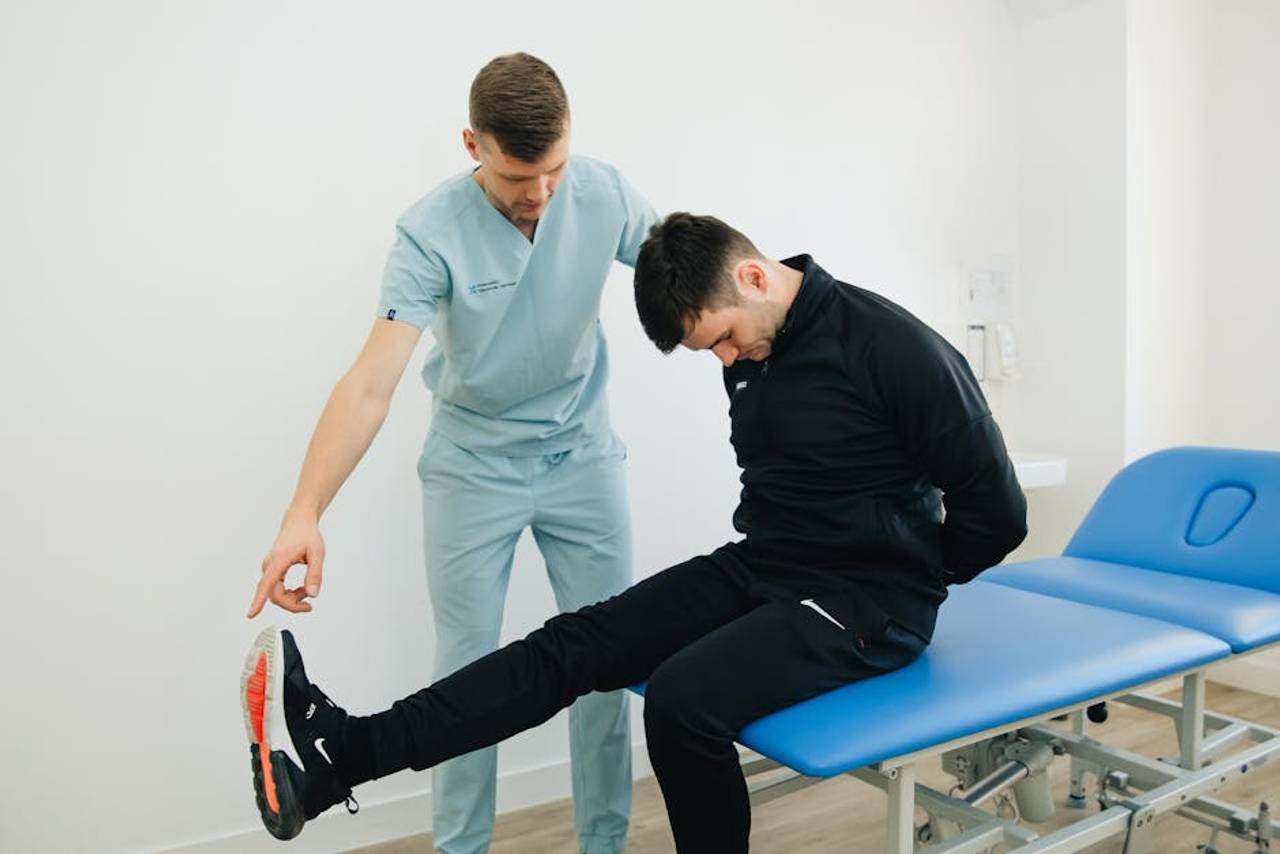
Recovering from a sports injury is a complex process that often goes awry due to several factors, chiefly the pressure athletes face to return to competition prematurely, mistakes during rehabilitation, and an underestimation of recovery timelines. These issues are compounded by the psychological strain athletes feel, which can negatively impact the healing process, ultimately leading to recoveries that are less than optimal or even failed.
One of the critical issues in sports injury recovery is the pressure from external sources such as teams, sponsors, and fans. This pressure can tempt athletes to prioritize short-term gains over long-term health. Playing through pain, skipping necessary rehabilitation steps, or returning to the sport before full recovery heightens the risk of reinjury and chronic problems. When pressure mounts, mistakes can snowball, making recovery more difficult than originally anticipated.
Mistakes during the recovery process are often rooted in insufficient knowledge about the injury or inappropriate application of rehabilitation protocols. For instance, an athlete recovering from an anterior cruciate ligament (ACL) injury may be unaware of the importance of rebuilding core strength alongside leg muscles, which can aid in overall stability. Conversely, the premature commencement of weight-bearing exercises can lead to setbacks. A deep understanding of the injury and adhering to personalized rehabilitation protocols is crucial for successful recovery.
Moreover, athletes face the pitfall of rushed returns, often precipitated by the misconception that faster recovery indicates a greater level of dedication or toughness. Recovery is unique to each injury and individual; even athletes with a similar condition can have vastly different timelines. Rushed recovery can result not only in recurrent injuries but can also bring about compensatory damage in other muscular and skeletal systems due to unbalanced strain during activity.
| Common Issues | Impact | Solutions |
|---|---|---|
| External Pressure | Increased risk of reinjury | Education, Open Communication |
| Errors in Rehab | Delayed recovery, Chronic issues | Personalized Protocols |
| Rushed Returns | Recurrent injuries | Patient Adherence to Timelines |
The comparison table above highlights the key factors contributing to unsuccessful recoveries, their impacts, and prospective solutions. Education and communication are vital to mitigating the effects of external pressure. An athlete, along with their support system, must communicate openly with healthcare providers to set realistic expectations and timelines. Adhering to personalized rehabilitation protocols developed by knowledgeable professionals can help avoid errors that impede recovery. This often includes a multidisciplinary approach involving physiotherapists, dietitians, and psychologists.
Preventing rushed returns involves setting realistic and individualized return-to-play criteria, which necessitates understanding that recovery is as much mental and emotional as it is physical. Modern sports recovery programs emphasize the importance of psychological rehabilitation, alongside building physical resilience. Return-to-play criteria should be based on objective assessments of the athlete's condition, rather than arbitrary timelines.
Consistency in adhering to rehabilitation protocols, effort in maintaining psychological well-being, and patience in observing appropriate recovery timelines collectively ensure successful sports injury recovery. Platforms like InstaSport offer tools and communities that can help athletes remain informed and motivated throughout the recovery journey. By avoiding the common pitfalls of recovery and adopting a holistic approach, athletes can optimize their healing process and safely return to their sports.
Disclaimer: This article is for educational reading about sports injury recovery and does not replace professional medical advice.








































































Share:
The Journey Back: Navigating ACL Injury Rehabilitation and Timelines
Demystifying Sports Injury Recovery: Unveiling the Successful Pathways and Pitfalls