
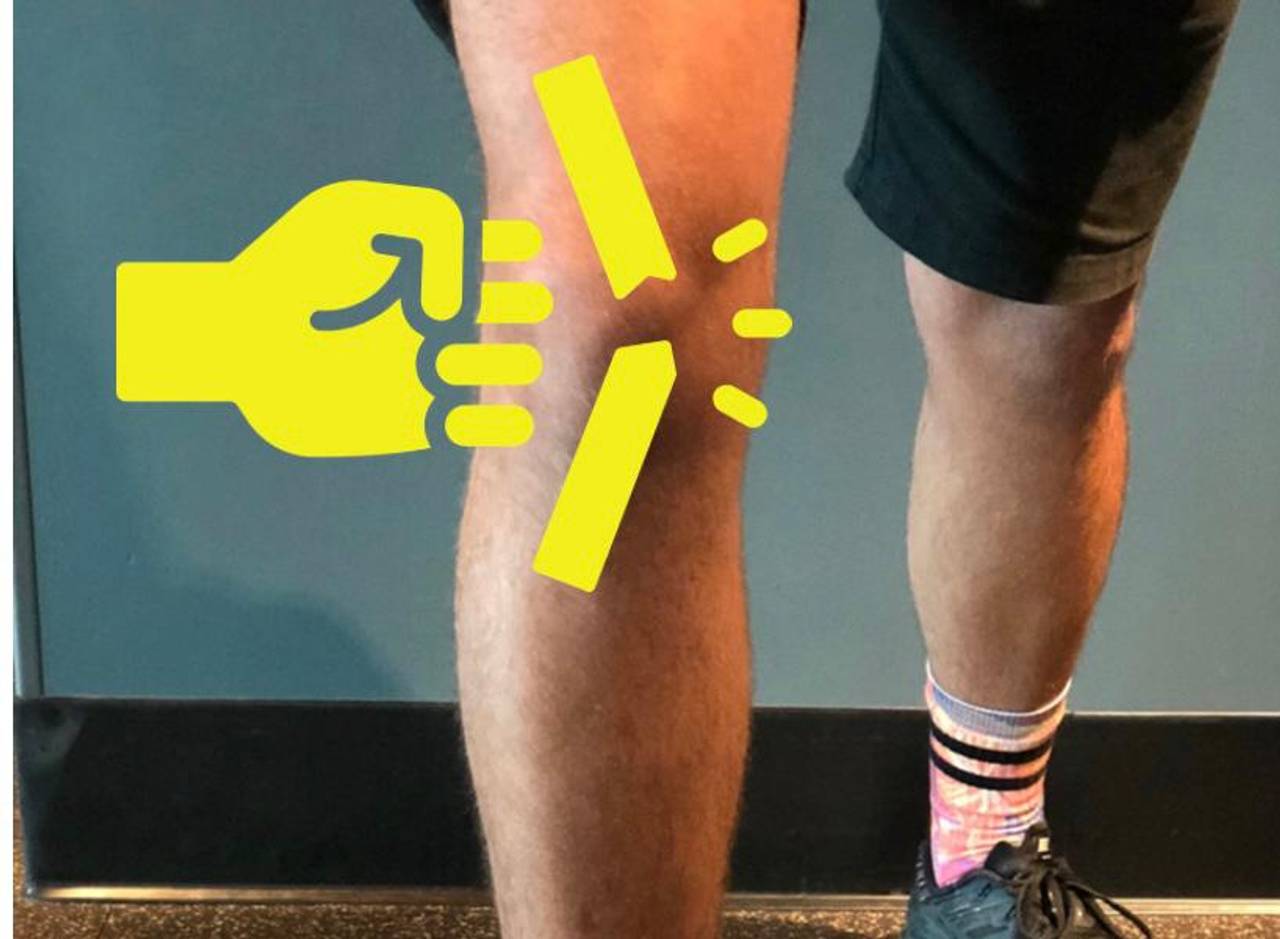
For athletes, few phrases are more daunting than "anterior cruciate ligament tear." It was a chilly morning during a typical soccer practice when Sarah felt an unusual snap in her knee after a poorly executed pivot. The loud pop and ensuing collapse were, unfortunately, unmistakable hallmarks of an ACL injury. Her mind spiraled through a mixture of disbelief and uncertainty, overshadowed by the looming reality of a long recovery that many before her had endured.
Athletes often describe the initial period post-injury as an emotional rollercoaster. As Sarah lay confined to her bed with her leg in a brace, she grappled with the grief from abruptly being cut off from her passion. Still, the journey toward recovery began with pre-surgery rehabilitation aimed at reducing swelling and rebuilding a degree of range of motion, which are critical in setting the stage for successful surgical outcomes.
The surgery, a pivot point in her journey, was just the beginning. Rehabilitation timelines vary, but consistent dedication to physical therapy is paramount. The early weeks are grueling, focusing on gentle mobility exercises and reducing edema. Armed with a tenacious spirit and a team of experienced physiotherapists, Sarah gradually transitioned from manageable pain into more dynamic rehab exercises. Three months in, she celebrated small milestones, such as regaining full extension of the knee and achieving near-normal gait patterns with the aid of crutches.
The mid-recovery phase, typically spanning from the fourth to the sixth month, includes a progression to strengthening exercises, neuromuscular training, and cautious introduction to sport-specific drills. An emphasis is placed on regaining quadriceps and hamstring strength, both vital for knee stabilization. For Sarah, this period required relentless daily exerciseslunges, leg presses, and resistance band workouts became the new normal.
Psychological resilience plays a crucial role throughout rehabilitation. Returning to sports demands not only physical readiness but also mental assurance and confidence. Sports psychologists often become integral to this process, helping athletes, like Sarah, to navigate anxiety associated with re-injury and build trust in their healing bodies.
As Sarah transitioned into sport-specific training, typically expected around the eighth or ninth month, her physiotherapist developed a tailored regimen. This protocol was comprehensive, targeting not only agility and endurance but also proprioceptionessential for quick pivot maneuvers in soccer. Such detailed planning is integral to reducing the risk of re-injury, which is a significant concern for athletes. Studies indicate that re-injury rates decrease exponentially when individuals adhere to personalized, extensive rehabilitation programs.
Return-to-play decisions are complex and rooted in both subjective assessments and objective metrics. Sarah underwent rigorous functional testing to determine her readiness. Tests included single-leg squats, cutting drills, and hop tests, benchmarking both against her pre-injury performance and normative data for her demographic. Comparative analysis plays a key role here, ensuring athlete safety and minimizing long-term risks.
Managing return-to-play timelines relies on individualized benchmarks, acknowledging that recovery is unique for each athlete. The National Institute of Health outlines a comprehensive model involving six criteria zones: pain and swelling, range of motion, strength ratios, functional stability, psychological readiness, and sport-specific skills. Matching these against Sarah's progress, she returned to competitive play around the 12-month mark, equipped with the lessons and resilience from her journey.
| Recovery Phase | Timeline | Objectives |
|---|---|---|
| Initial Rehabilitation | 0-3 months | Reduce swelling, restore range of motion |
| Strengthening Phase | 4-6 months | Build strength, improve neuromuscular control |
| Sport-specific Training | 8-9 months | Targeted skills for individual sports |
| Return to Play | 10-12 months | Functional testing and psychological readiness checks |
Recovery is not a mere physical repair but a complex transformation. Sarah’s journey through ACL rehabilitation reflects this intricate blend of physical therapy, mental fortitude, and medical expertise. It underscores the importance of a robust support system and highlights the role of evolving sports medicine methodologies. Platforms like InstaSport help connect athletes with tailored rehabilitation content that fosters both knowledge and motivation, crucial in overcoming the challenges of injury recovery and paving the way for a triumphant return to the field.
Disclaimer: This article is intended for general informational purposes only and reflects common patterns seen in sports injury recovery. It is not medical or technical advice.

























Share:
Maximizing ACL Injury Rehabilitation: A Comprehensive Guide to Long-term Recovery Success
Mastering Sports Injury Recovery: Avoiding Common Pitfalls and Ensuring Success