
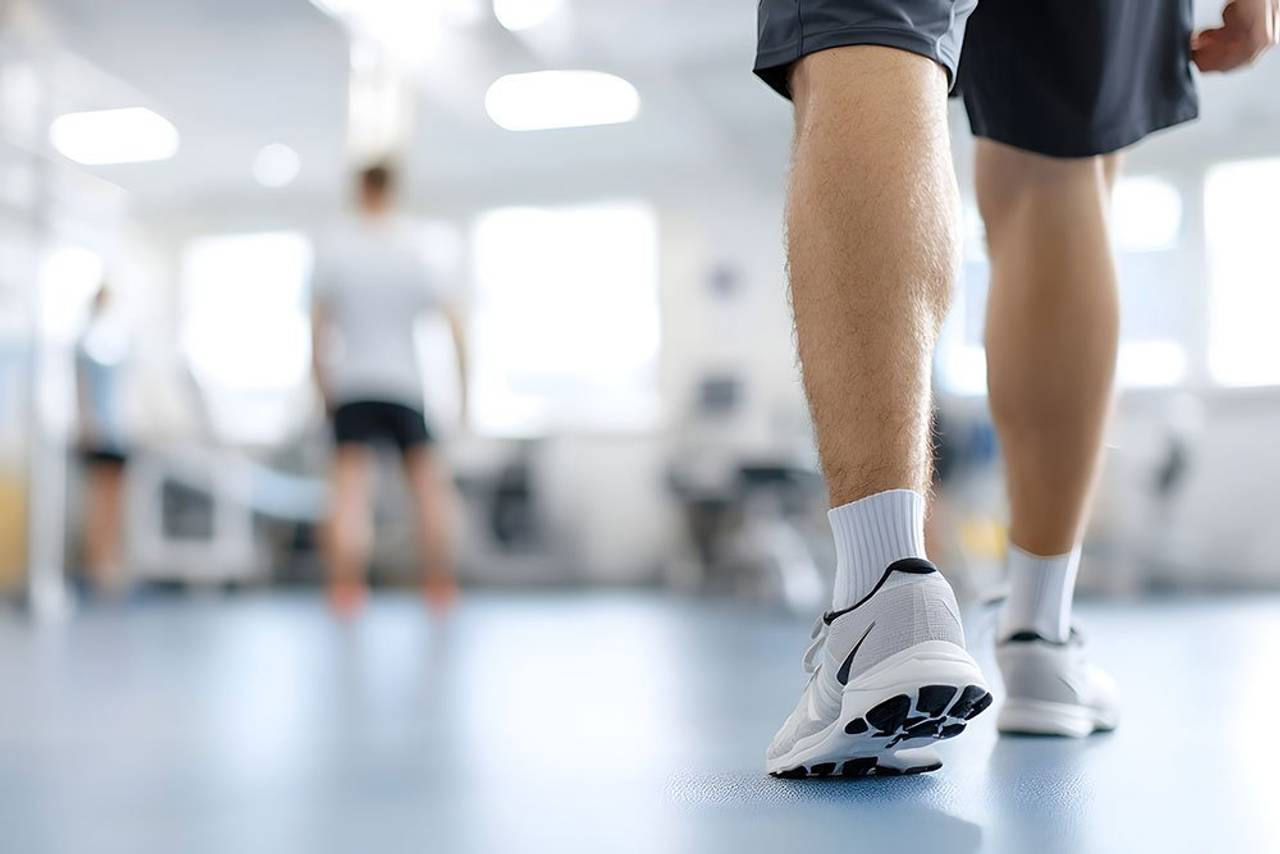
Jordan Thompson, a promising young soccer player, was at the peak of his career when he experienced what every athlete dreads: a sports injury. Specifically, an anterior cruciate ligament (ACL) tear during a high-stakes match left him sidelined, facing a long road to recovery. Surgery was swiftly performed, and the physical journey post-operation tested not just his physical resilience but also his mental fortitude. Jordan's recovery narrative is emblematic of the intricate web of challenges and discoveries that athletes often traverse when they encounter debilitating injuries.
The first few weeks post-surgery were marked by pain and swelling, a natural reaction to the trauma his knee underwent. However, Jordan was resolute, following a well-structured rehabilitation plan under the guidance of experienced physiotherapists. Yet, as he would soon learn, recovery from an ACL tear is rarely linear. There were days when progress seemed palpable, and others when setbacks made the goal of returning to the pitch seem distant. This ebb and flow of progress is a common thread in many athletic recovery stories. Understanding these cycles and managing expectations is crucial for both athletes and those supporting them.
Immediate post-surgical goals typically center around reducing swelling, managing pain, and gradually improving knee mobility. Successful management of these aspects is essential as they lay the groundwork for more advanced rehabilitation exercises. Jordan's physiotherapist emphasized the importance of regaining full extension and achieving a range of motion comparable to the uninjured leg. This initial focus on mobility directly influences the progression into strength-building phases.
The transition from regaining basic knee function to rebuilding muscle strength is one of the critical milestones in sports injury recovery. It often involves exercises that target not only the quadriceps and hamstrings but also the core muscles, which play a fundamental role in maintaining overall stability and preventing future injuries. For athletes like Jordan, this period involved intense sessions incorporating isometric exercises and controlled movements that gradually increased in intensity. Strength training is pivotal as it supports knee stability, which is essential for functional movements specific to sports activities.
Approximately three to four months into his rehabilitation, Jordan faced a pivotal moment - the introduction of sport-specific exercises. This stage is where recovery protocols become highly personalized, taking into account the unique demands of his sport. Drills focusing on agility, coordination, and plyometrics helped simulate the dynamic nature of soccer. Although Jordan experienced occasional knee soreness, his therapists carefully monitored these activities, ensuring that he was reintroduced to complexity without risking re-injury.
To better illustrate the complexity of sports injury recovery, consider the table below summarizing key milestones and strategies:
| Phase | Timeline | Goals | Critical Exercises |
|---|---|---|---|
| Post-Surgery | 0-2 Weeks | Reduce swelling, manage pain, regain mobility | Ankle pumps, knee extensions |
| Early Rehab | 2-6 Weeks | Full knee extension, increased movement range | Mini squats, cycling with low resistance |
| Strength Phase | 3-4 Months | Muscle strengthening, stabilization | Leg presses, balance exercises |
| Advanced Rehab | 4+ Months | Sport-specific skills, agility | Running drills, jump training |
Returning to play is the ultimate goal, but it requires careful consideration and assessments. Psychological readiness is just as important as physical recovery, and many athletes work with sports psychologists to manage anxiety and build confidence in their bodies. Jordan's comeback was carefully timed to ensure not only his physical fitness but also a robust mental state, both of which are essential to his longevity in the sport.
Each recovery pathway is unique, and while timelines can provide a general framework, individual responses to rehabilitation vary. Athletes must remain patient, flexible, and attuned to their bodies' signals. In this regard, tools like InstaSport have become invaluable, offering insights that help customize recovery plans and track progress efficiently.
Disclaimer: This article is for educational reading about sports injury recovery and does not replace professional medical advice.









































Share:
Mastering the Marathon of ACL Injury Recovery: Strategies and Long-Term Outcomes
Navigating the Complex Journey of Sports Injury Recovery