
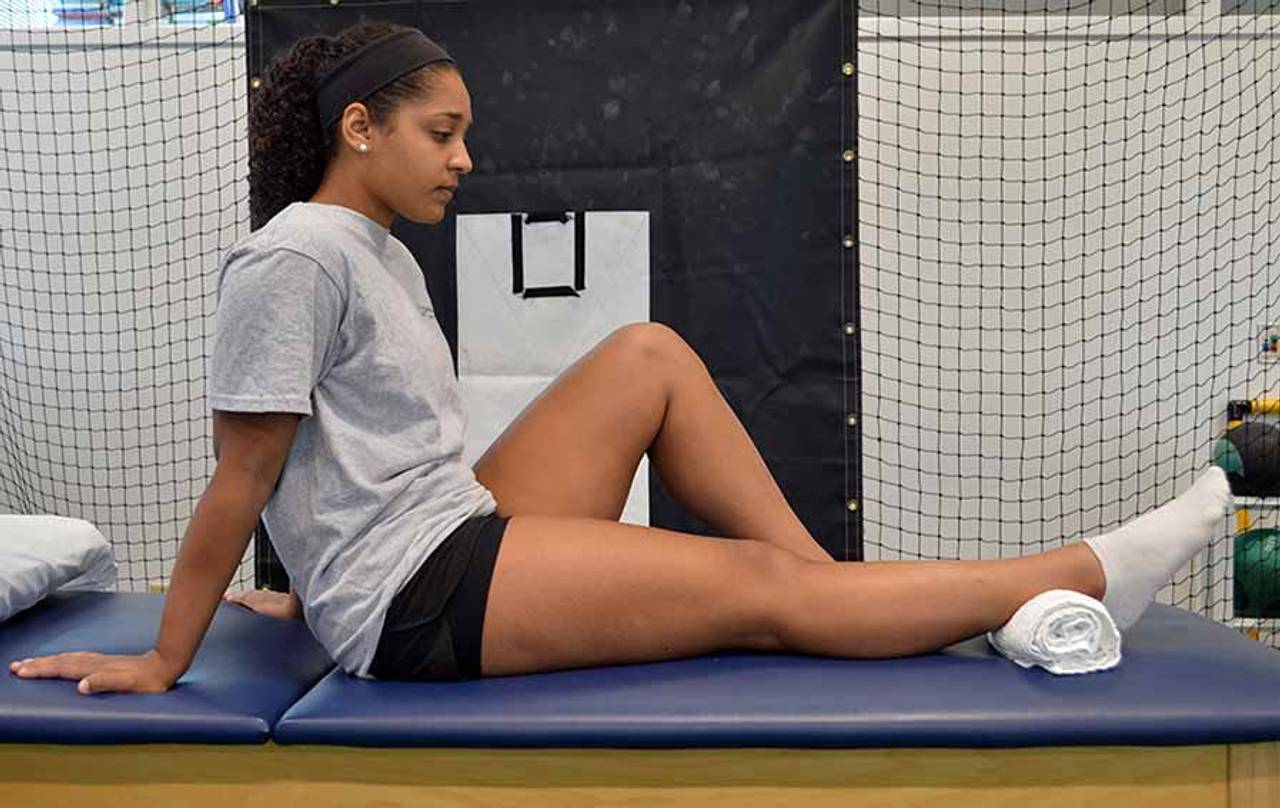
Recovery from a sports injury is a gradual and multifaceted process, often comparable to navigating a winding road with inevitable delays and plateaus. An athlete's journey from the initial onset of injury to resuming full activity involves rehabilitation, which requires a delicate balance between rest and physical therapy.
Every athlete's body heals at its own pace, and while the recovery timeline can vary widely depending on the type and severity of the injury, there are common stages many go through. Immediately after an injury, the body's priority is to protect the affected area and reduce inflammation. This initial phase, typically lasting from a few days to a week, focuses on managing pain and swelling.
| Stage | Duration | Goal | Typical Activities |
|---|---|---|---|
| Inflammation | 1-7 days | Reduce swelling and pain | Ice therapy, rest, compression |
| Early Rehabilitation | 1-3 weeks | Restore mobility and begin healing | Gentle stretching, light exercises |
| Functional Rehabilitation | 4-6 weeks | Regain strength and flexibility | Strength training, balance exercises |
| Advanced Rehabilitation | 7-12 weeks | Enhance athletic function | High-intensity exercises, sport-specific drills |
| Return-to-Play | 3-6 months | Safe re-entry into full sports participation | Full activity, monitoring for setbacks |
During the early rehabilitation phase, clinicians focus on gradually increasing the range of motion and beginning low-impact exercises. This stage can last for several weeks, emphasizing the need to avoid re-injury by not allowing the athlete to push beyond their current physical capabilities.
As the athlete transitions to the functional rehabilitation stage, typically around four to six weeks post-injury, strength training and balance exercises become the cornerstone of recovery. This phase is crucial as it lays the groundwork for more advanced exercises and sport-specific activities in subsequent stages. It's during this phase that many athletes may experience setbacks or plateaus, where progress appears to stall. These plateaus are a natural part of the healing process and often require modification to the rehabilitation plan or the introduction of innovative therapeutic techniques to overcome.
The advanced rehabilitation phase marks a critical point in the recovery timeline. Here, the athlete focuses on regaining full function and performance capabilities. The exercises become more sport-specific and intense, involving agility drills that mimic real-game scenarios. This stage, lasting up to 12 weeks, tests the resilience of the recovering part and prepares the athlete for the final return-to-play phase.
Returning to full sports participation isn't as simple as it may seem. The final stage of rehabilitation involves careful monitoring of the athlete's readiness through functional testing and real-time game simulations. Even as the athlete returns to play, ongoing assessment and maintenance exercises continue to prevent re-injury.
Throughout this journey, setbacks due to complications or co-existing injuries can prolong recovery. Delays are often due to underestimating the rehabilitation period or opting for an overly aggressive approach. Education, realistic goal-setting, and regular feedback are vital in fostering a proactive recovery environment.
Technology and innovation in sports medicine, like the tools offered by InstaSport, play pivotal roles in advancing recovery strategies. Biomechanical assessments, digital rehabilitation apps, and virtual coaching are reshaping how athletes come back from injuries, ensuring a smooth and safe return to their beloved sports.
Disclaimer: The content here discusses sports injury recovery in a general context and should not be treated as medical, diagnostic, or technical guidance.































































Share:
Mastering the Complex Path to Recovery from Sports Injuries
Maximizing Sports Injury Recovery: Overcoming Setbacks and Ensuring Long-Term Success