
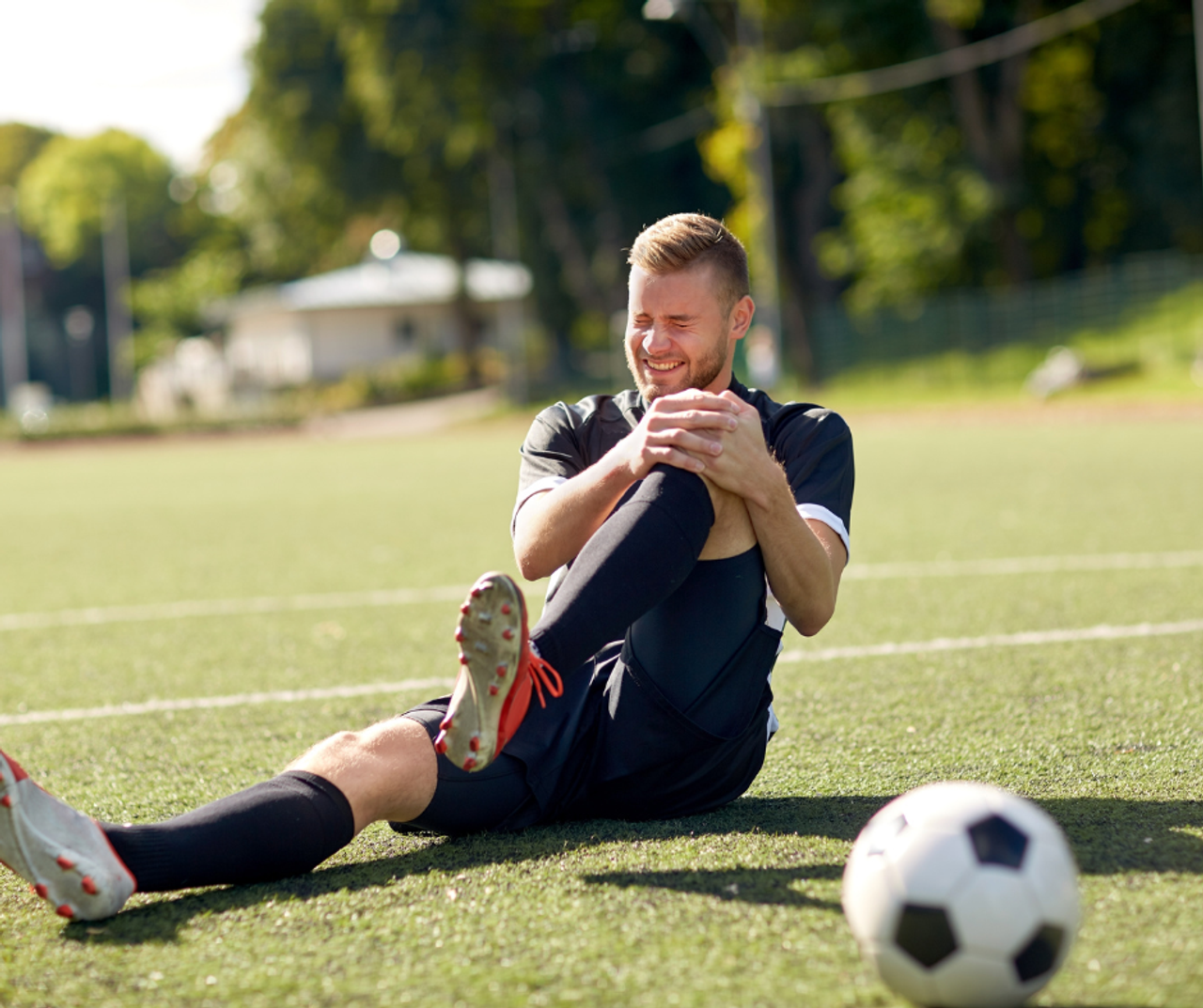
Navigating the Rocky Road: Effective Recovery Strategies for ACL Injuries in Soccer Players
An anterior cruciate ligament (ACL) injury can be a devastating blow to any athlete, particularly in high-impact sports such as soccer, where agility, speed, and quick directional changes are critical. While medical advancements have paved the way for successful recovery, not all strategies are equal. In order to recover fully and prevent further injuries, a multifaceted rehab approach is essential. This piece explores both the failure cases and the strategies that are making significant strides in ACL injury recovery.
Understanding the Failure Cases
Despite the numerous rehabilitation programs, many athletes still struggle with effective recovery, often sidelining them longer than expected or, worse, resulting in re-injury. A study published by the British Journal of Sports Medicine identified three recurring issues that typically lead to suboptimal ACL recovery:
| Issue | Description |
|---|---|
| Inadequate Initial Assessment | Failure to properly diagnose injury severity and individualize the recovery plan. |
| Overarching Focus on Surgery | While surgery is crucial, overemphasis often leads to neglect of crucial rehabilitation protocols. |
| Lack of Long-term Planning | Inadequate planning beyond initial recovery, leaving athletes vulnerable to re-injury and performance issues. |
Furthermore, psychological factors are not given due consideration. Many athletes face psychological barriers that prevent them from returning to their pre-injury level of play. A lack of confidence can exacerbate physical shortcomings, creating a vicious cycle of poor performance and elevated risk of re-injury.
What Works: Successful Recovery Models
To counteract these pitfalls, emerging recovery protocols have been developed that focus on a holistic approach, combining orthopedic best practices with psychological support and personalized rehabilitation programs.
1. The Role of Advanced Diagnostics
Robust diagnostics set the foundation for successful recovery. New technologies, such as advanced imaging techniques and biomechanical assessments, allow specialists to precisely analyze ligament damage and tailor rehabilitation programs. Individualized assessment is crucial, not just for the initial treatment plan but as a guiding post for recovery progress.
2. Integration of Multidisciplinary Teams
A comprehensive recovery often requires an integrated approach involving orthopedic surgeons, physiotherapists, sports psychologists, and nutritionists. This multidisciplinary effort ensures that all aspects of the athlete’s recovery are addressed. Regular multidisciplinary team meetings are crucial in adapting programs to fit the progression and challenges faced by the athlete.
3. Customizing Physical Rehabilitation
Rather than relying on set rehabilitation protocols, current best practices emphasize customization. Exercise programs are adjusted to meet the specific needs and capabilities of the injured player. Key components include:
- Strength Training: Building strength around the knee joint to support and stabilize the ACL.
- Neuromuscular Training: Enhancing coordination and movement patterns to reduce the risk of re-injury.
- Agility Drills: Gradually increasing complexity to mimic game scenarios and boost confidence.
With comprehensive monitoring, adjustments are made promptly based on real-time feedback from both the athlete and the medical team.
4. Psychological Resilience
Psychological resilience is becoming an acknowledged pillar of ACL recovery. Sports psychologists work with players to overcome anxiety and build mental toughness, both of which are essential for return-to-play confidence. Techniques may involve visualization techniques, cognitive behavioral therapy, and confidence-building exercises.
5. Long-term Monitoring and Adaptation
The risk of re-injury is ever-present in competitive sports, necessitating long-term monitoring. Data analytics play a vital role in injury surveillance, tracking variables such as load management and player conditioning, which regular muscle checks and movement screenings assist. Programs like the FIFA 11+ have been shown to reduce injury rates when integrated over the long haul.
In closing, ACL injury recovery is a multi-dimensional process that should address not only physical rehabilitation but also psychological resilience. By employing advanced diagnostics, personalized treatment plans, and a multidisciplinary team approach, athletes are more likely to return to their sport at full capacity.
For those looking to leverage the latest technology to enhance recovery protocols, InstaSport offers solutions that connect athletes with a comprehensive network of professionals to ensure a swift, safe return to the field.
Disclaimer: This article is for educational reading about sports injury recovery and does not provide medical, diagnostic, or treatment advice.














































































Share:
Beyond the Boot: Navigating Achilles Tendon Rupture Recovery in Soccer Players
Overcoming the Slopes: Navigating ACL Recovery in Skiing