
Overcoming the Slopes: Navigating ACL Recovery in Skiing
Every winter, avid skiers eagerly await the snowfall that transforms mountains into pristine white playgrounds. But for Tessa Hernandez, an accomplished skier enjoying her holiday in the French Alps, a single misjudgment led to a world of pain and an uncertain future on the slopes. The culprit? A torn anterior cruciate ligament (ACL), an injury that's all too familiar to skiers.
The Impact of an ACL Tear in Skiing
For many athletes like Tessa, an ACL tear isn’t just a physical roadblock; it's an emotional and psychological trial. An ACL injury typically occurs when the athlete's knee twists in a direction it wasn’t meant to. The severity of the injury can rip apart more than just ligaments. It can dismantle well-laid plans for competitions, training sessions, and can put a pause on an athlete's career.
In Tessa's case, the consequences were immediate and profound. The realization of her inability to ski, coupled with the physical pain and the dull weight of uncertainty, was overwhelming. Tessa understood that she was facing a long and challenging journey toward recovery, marked by phases that would test not just her physical endurance, but her mental resilience as well.
Phase 1: Initial Recovery and Rest
The first phase of Tessa's recovery focused on minimizing the swelling and pain in her knee. This initial period, typically lasting several weeks, was crucial for setting the stage for the recovery to follow. Her physician emphasized the importance of giving the knee time to heal and preventing further stress on the injured ligament.
During this phase, Tessa experienced moments of frustration and impatience. She kept reminding herself that each step, though small, was vital to her future success on the slopes. Her days were filled with basic mobility exercises, designed to gently familiarize her knee with movement once more.
Phase 2: Rehabilitation and Physical Therapy
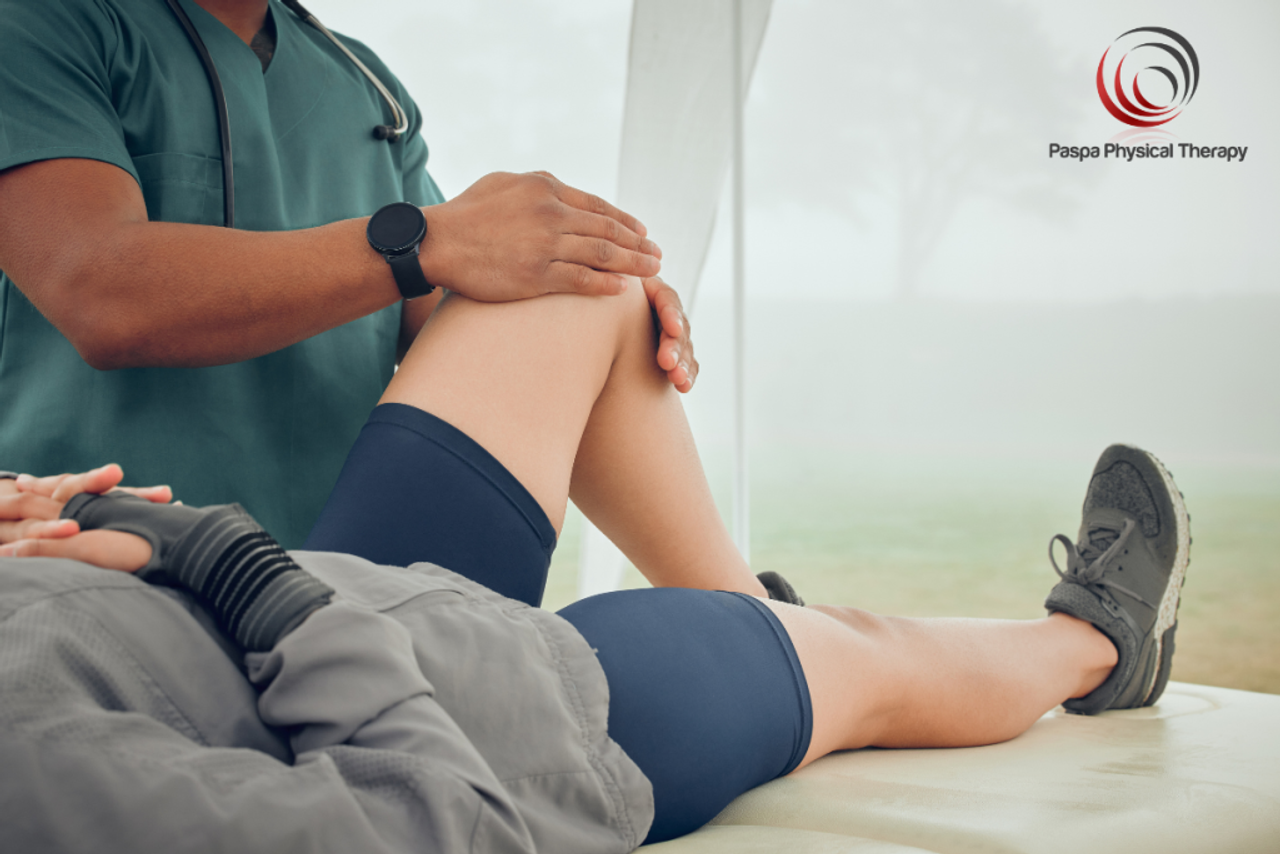
With the pain and swelling reduced, Tessa entered a structured rehabilitation program. This phase was aimed at restoring knee function and building strength. Physical therapy sessions became a staple of Tessa’s weekly routine, where exercises focused on improving her flexibility, balance, and strength.
| Exercise | Purpose | Frequency |
|---|---|---|
| Leg Press | Strengthen quadriceps | 3 times a week |
| Balance Board | Enhance stability | Daily |
| Hamstring Curls | Rebuild muscle tone | 2 times a week |
Tessa saw gradual improvements, each milestone carrying her closer to her ultimate goal of returning to skiing. The road was neither straight nor flat. Setbacks, like occasional soreness and the fear of re-injury, were part of the process. Yet, through support groups and her therapist's encouragement, Tessa began to regain not just her physical strength, but her confidence as well.
Phase 3: Advanced Sports Conditioning
Once Tessa had built a solid foundation in the preceding phases, she progressed to advanced sports conditioning. This stage was crucial for bridging the gap between rehabilitation and returning to skiing. Training intensified to simulate the demands of skiing, with activities such as plyometrics to improve explosive power and sports-specific drills to refine her skills and techniques needed on the slopes.
The goal was to safely challenge Tessa's knee with movements that mimic skiing, assessing whether she could handle the demands of her sport again. This phase required Tessa to listen to her body closely, timing exercises that pushed her limits but avoided overexertion.
Phase 4: Return to Sport
Finally, after months of dedicated effort, Tessa reached the most anticipated and yet daunting phase: returning to skiing. Her first run post-recovery was far removed from the fearless descents she once conquered. Caution replaced adrenaline as she gingerly navigated the beginner slopes. Her coaches and physiotherapists emphasized that returning to her pre-injury level would take time and that she must prioritize proper form and alignment to prevent re-injury.
Tessa documented these moments as triumphs, sharing her story with others who might face similar challenges. Her journey not only rekindled her passion for skiing but unveiled a deeper appreciation for resilience and perseverance.
The Psychological Aspect of Recovery
An often overlooked component in ACL recovery is the psychological battle involved. Athletes like Tessa wrestle with anxiety, fear of re-injury, and doubts about their future performance. Tessa found solace in mental conditioning techniques, including visualization of successful skiing and mindfulness practices to stay present and reduce stress.
Community support, both online and offline, played a critical role in Tessa's mental recovery. Sharing her highs and lows with fellow athletes reminded her she wasn't alone, and the collective spirit of her peers helped amplify her resolve.
Conclusion
Tessa's journey through ACL recovery was one of complexity, requiring more than just surgery and physical rehabilitation. It demanded emotional strength and mental perseverance. By sharing her story, she illuminated the path for other athletes facing similar hurdles.
For those undertaking the same journey, resources like InstaSport.com">InstaSport can provide additional support. This platform connects athletes with experts to help navigate the intricacies and challenges of sports injury recovery.
Disclaimer: This article is for educational reading about sports injury recovery and does not provide medical, diagnostic, or treatment advice.
















































































Share:
Navigating the Rocky Road: Effective Recovery Strategies for ACL Injuries in Soccer Players
Unwrapping Achilles Tendon Rupture Recovery Myths in Soccer