
Introduction
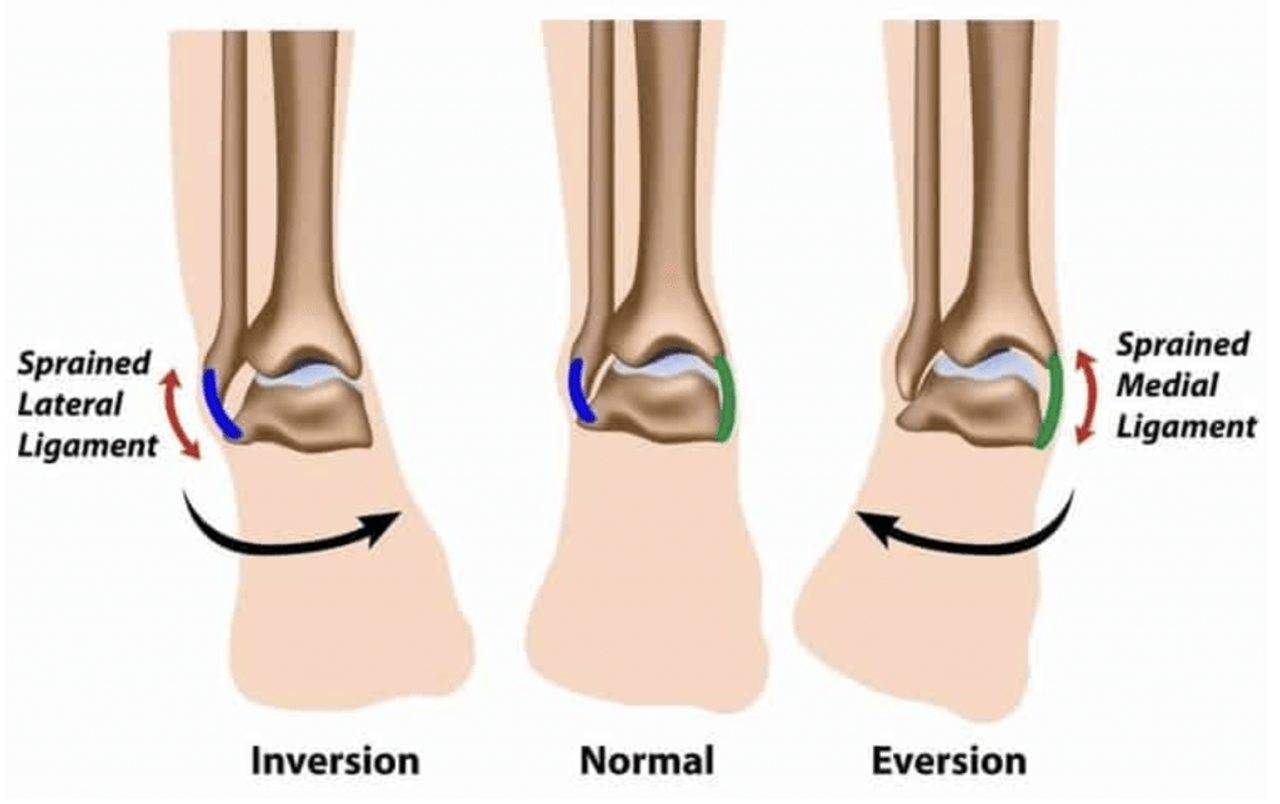
Ankle sprains are among the most prevalent injuries in basketball, known for affecting players of all levelsfrom weekend warriors to professional athletes. Efficient recovery is crucial not only for getting athletes back in the game but also for reducing the risk of future injuries. This article delves into the recovery timeline, performance-enhancing recovery strategies, and biomechanics of the ankle, while also examining potential delays and setbacks during the recovery process.
Phase 1: Acute Injury Phase (0-72 hours)
The acute phase focuses on controlling inflammation and managing pain. Here, players may experience swelling and limited ankle mobility. During these first 72 hours, the body's natural healing processes kick in, facilitating blood flow and nutrient delivery around the injured area. The focus should be on RICE (Rest, Ice, Compression, and Elevation), aimed at minimizing swelling and stress on the ligaments.
Phase 2: Subacute Phase (3 Days - 2 Weeks)
Once acute inflammation subsides, rehabilitation commences. Gentle range of motion and mobility exercises are introduced to maintain joint fluiditydrawing on techniques that engage the surrounding muscles without overstressing the injured ligaments. As the healing process actively rebuilds collagen, proprioceptive and neuromuscular training can begin to resume, albeit under supervision. Exercises like ankle circles, seated calf raises, and gentle resistance band movements are foundational for regaining mobility and strength.
Phase 3: Rehabilitation and Strengthening Phase (2-6 Weeks)
With swelling reduced and initial mobility restored, rehabilitation becomes more intense. Unilateral balancing exercises and controlled plyometric movements, such as single-leg hops, are introduced. This phase focuses on strengthening the musculoskeletal system linked to ankle stability. Advanced proprioceptive training becomes increasingly critical, as proprioception is key to re-establishing the athlete's confidence and trust in weight-bearing excursions.
Phase 4: Return to Sport Phase (6 Weeks - 3 Months)
By this stage, players transition to dynamic drills that replicate basketball-specific actions. Performance drills such as lane agility tests and closed-chain exercises begin to restore biomechanical proficiency specific to movements on court. Here, kinetic chain engagement is crucial. Examiners often employ force platforms and motion capture technology to determine symmetry and balance attainment relative to pre-injury benchmarks. Minor adjustments may correct biomechanical inefficiencies observed during intensive play.
Recognizing and Mitigating Delays and Setbacks
Understanding potential roadblocks is vital for recovery. Inadequate rehabilitation or an aggressive return plan can precipitate re-injury. Likewise, neglecting to address underlying biomechanical issues may also lead to recurring injuries. Here is a simple yet informative table showcasing plausible setbacks alongside corresponding mitigative strategies:
| Potential Setback | Description | Mitigation Strategy |
|---|---|---|
| Swelling & Instability | Continuous swelling indicative of inadequate rest or over-exertion. | Adjust rehabilitation pacing, incorporate intermittent resting. |
| Delayed Mobility | Stiffness and limited range of motion persist beyond 4 weeks. | Reassess range of motion exercises, consider therapeutic modalities. |
| Re-injury | Recurrent sprains from premature return or biomechanical inefficiencies. | Thorough biomechanical analysis, tailor sport-specific conditioning. |
| Chronic Pain | Pain persisting beyond typical timelinessuggestive of improper healing. | Consult specialized sports medicine professionals for in-depth culture. |
Conclusion
Rehabilitation for ankle sprains is a complex, multi-phased process that requires conscientious planning and execution. By systematically targeting individual phases and addressing delays, players can optimize their recovery and return to the court with minimized risk of re-injury. Using modern biomechanics-driven methods, athletes can convert a typically passive recovery into an opportunity for performance enhancement. By leveraging tools like InstaSport, players can gain insights into personalized recovery protocols and biomechanical assessments, ensuring a faster, safer return to their sport.
Disclaimer: The content shared here discusses sports injury recovery in a general context and should not replace professional medical guidance.

































Share:
The Long Path to Healing: Overcoming an Achilles Tendon Rupture for Basketball Players
Unmasking Rotator Cuff Tear Recovery: The Climber's Path to Resilience