
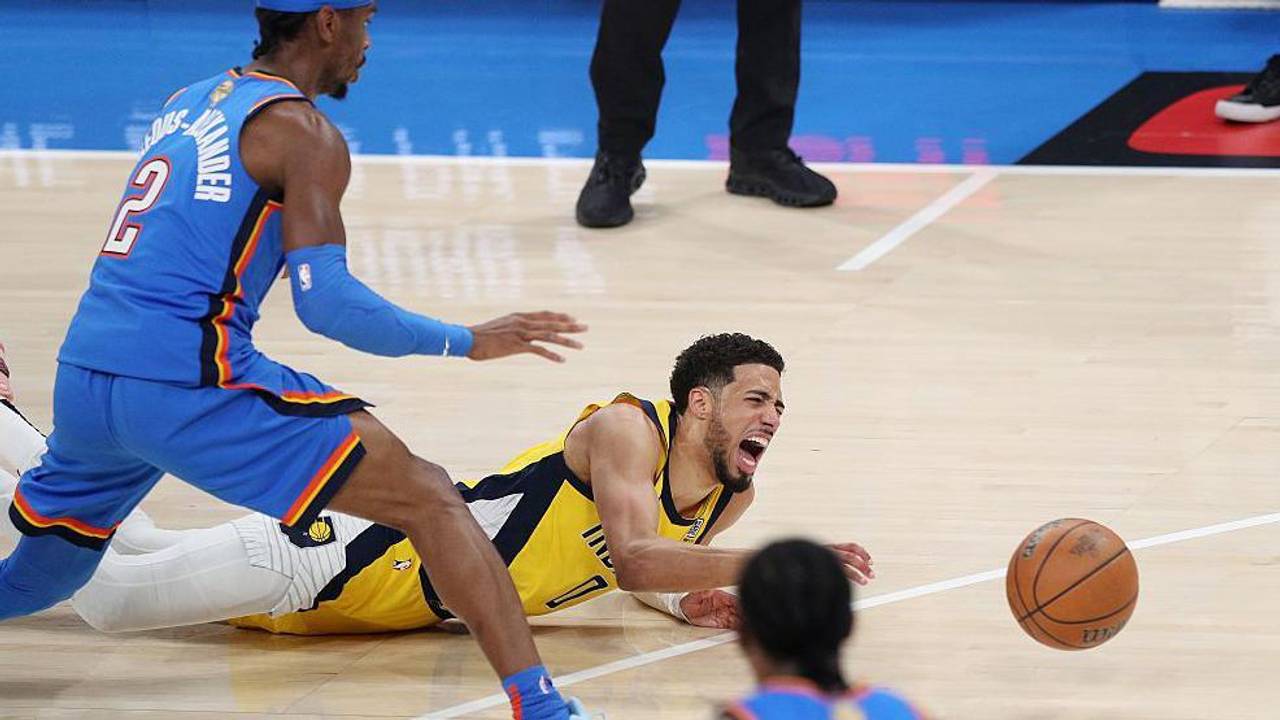
In the high-octane world of basketball, injuries are an unfortunate yet inevitable part of the game. Among the most daunting of these is the Achilles tendon rupture, a severe injury that can sideline even the most resilient athletes for months, if not longer. The Achilles tendon, the thickest and strongest tendon in the body, connects the calf muscles to the heel bone and plays a pivotal role in running, jumping, and pivoting all critical movements for basketball players. When this tendon tears, it’s not just a physical setback but a profound psychological and emotional challenge as well.
The Problem: A Sudden Halt in Momentum
Imagine being at the top of your game, feeling the adrenaline rush as you swiftly navigate the court, only to feel a stabbing pain in your heel, followed by an ominous pop. An Achilles tendon rupture is not just a physical injury; it acts as a jarring interruption to an athlete’s career trajectory and life. The immediate aftermath involves physical pain, but the psychological impact can be even greater. A rupture often leaves players struggling with feelings of vulnerability and an abrupt loss of identity.
Consequences: The Hidden Burden of Injury
While the physical limitation of an Achilles rupture is evident, the emotional and mental health challenges are often less visible. Athletes are conditioned to push through pain, yet this type of injury demands patience and restraint, fostering bouts of frustration and anxiety. There’s the fear about whether they’ll ever return to their pre-injury level or if their career might be prematurely ended.
Moreover, the sudden change in daily routine can lead to a sense of isolation and decreased self-esteem. The clubhouse camaraderie vanishes, replaced by hours of solitude in rehabilitation settings. Many players express a loss of identity and purpose, once defined solely by their athletic performance.
Recovery Phases: A Step-by-Step Journey
Recovery from an Achilles tendon rupture is a multifaceted process. Understanding the phases can help navigate the road to recovery and prepare emotionally for each stage.
Initial Phase: Immediate Aftermath and Surgical Considerations
In the immediate aftermath of the injury, swelling and pain are common, and the first steps often include immobilization and surgery consultation. A basketball player might choose surgical repair to ensure a robust recovery and reduce the risk of re-rupture. The mental challenge here is acceptance, as the player must come to terms with immediate limitations.
Early Rehabilitation: Laying the Groundwork
Once surgery is performed (if chosen), the early rehabilitation phase focuses on healing and restoring basic mobility. This phase can last four to six weeks and involves gentle exercises to maintain circulation and flexibility. Emotionally, the player might feel impatience, but it is crucial to adhere to professional guidance to prevent complications.
Rehabilitation: Building Strength and Functionality
This phase, lasting from about six weeks to several months post-surgery, introduces more intensive physical therapy. It focuses on rebuilding strength and range of motion. Athletes might start with resistance exercises, stationary biking, and pool work. The psychological challenge here is coping with the slow progress and the ongoing absence from the court.
| Rehabilitation Focus | Emotional Impact |
|---|---|
| Strength Training | Frustration from perceived slow progress |
| Range of Motion | Hope as mobility improves |
| Balance and Coordination | Rebuilding confidence |
Advanced Rehabilitation: Returning to Play
This stage, beginning around three to six months after the injury, edges the player closer to returning to the game. Drills become more sports-specific, including running, jumping, and direction changes. Both excitement and apprehension are common during this phase as athletes test the limits of their healed tendon.
Full Return: The Psychological Adjustment
Returning to competitive play is the final phase. While the physical condition might be optimal, the mental game is often still catching up. Many athletes benefit from sports psychologists to rebuild competitive confidence and overcome fear of re-injury. Acceptance and resilience define this phase as the athlete rediscovers their court identity.
The Emotional and Mental Toolbox
Throughout recovery, mental resilience and emotional health are crucial. Engaging with mental health professionals and staying connected with the sports community can provide support and motivation. Regular progress assessments and setting achievable goals also help maintain a positive outlook.
Recovery from an Achilles tendon rupture is not merely about physical rehabilitation. It demands a comprehensive approach that includes psychological resilience and emotional support to return successfully to the court.
For stories of resilience and recovery, and guidance on maintaining physical and mental health post-injury, connect with InstaSport for expert advice and community support.
Disclaimer: This article is for educational reading about sports injury recovery and does not provide medical, diagnostic, or treatment advice.



































































Share:
Navigating the Waters of Recovery: A Swimmer's Journey through Rotator Cuff Injury Rehabilitation
Optimizing Recovery Timelines and Avoiding Setbacks: Ankle Sprains in Basketball Players