
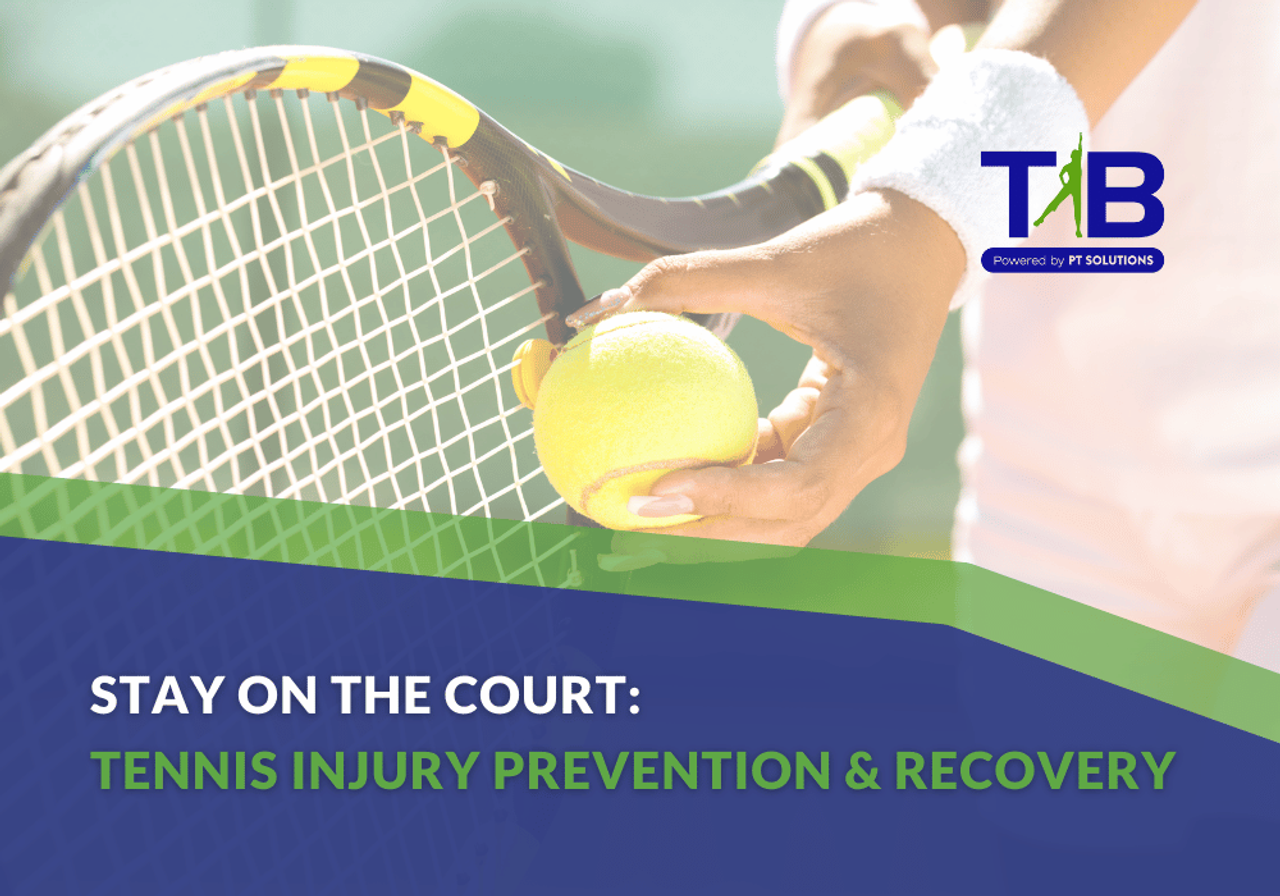
Introduction
In the realm of sports, injuries ranging from minor sprains to more severe conditions such as torn ligaments are almost inevitable. However, it's not the injury that defines an athlete's career but rather their recovery journey. This essay debunks common myths surrounding sports injury recovery, provides an informed timeline, and examines factors contributing to delays and setbacks in healing.
Understanding the Recovery Timeline
While each injury boasts a unique contour of recovery, general timelines exist and can be enlightening. Understanding these is crucial for athletes, coaches, and even the supporting medical team.
| Injury Type | Estimated Recovery Time |
|---|---|
| Muscle strain | 2-8 weeks |
| Ligament sprain | 2-12 weeks |
| Fracture | 6 weeks - 6 months |
| Tendon injury | 2-6 months |
| Dislocation | 3-12 weeks |
| Cartilage damage | 3 months - 2 years |
These timelines serve as a guideline; however, every athlete's body responds differently. Factors such as age, fitness level, prior injuries, and the quality of treatment all play a role.
Debunking Recovery Myths
Several misconceptions about recovery can derail an athlete's rehabilitation. It's crucial to distinguish fact from fiction to avoid unnecessary delays.
Myth 1: Rest Is Best
While adequate rest is essential, 'rest is best' is an oversimplified adage. Prolonged inactivity can lead to muscle atrophy, joint stiffness, and a decline in cardiovascular fitness. Structured physical therapy often trumps passive rest, incorporating exercises that promote blood flow and aid in muscle repair.
Myth 2: Pain Equals Harm
Many athletes fear that pain indicates further damage which can lead to excessive caution during recovery. Yet, some degree of discomfort is a natural part of the healing process. Understanding the difference between injurious pain and temporary discomfort is essential in regaining strength and mobility.
Myth 3: You Must 'Push Through'
This myth, propagated by the 'no pain, no gain' school of thought, isn’t necessarily true. Ignoring pain or pushing too hard can exacerbate an injury. A well-balanced routine focusing on progressive overloadgradually increasing exercise intensityis often more beneficial.
Myth 4: Supplements Guarantee Quick Recovery
While nutritional supplements can aid recovery, they are no panacea. A balanced diet rich in protein, healthy fats, and nutrients often provides more significant benefits compared to supplements.
Analyzing Delays and Setbacks
Despite an athlete's best efforts, delays and setbacks can occur. Identifying common causes is crucial to optimizing recovery strategies.
Inadequate Initial Assessment
Sometimes, an inaccurate or incomplete diagnosis at the outset can lead to inadequate treatment plans. Regular reassessments and adjustments to the rehabilitation strategy can prevent long-term problems.
Psychological Barriers
An athlete's mental state is a pillar of the recovery process. Fear, anxiety, or depression can delay healing. Addressing these issues with sports psychologists or counselors can assist not only in physical recovery but in mental resilience as well.
Failure to Adhere to Rehabilitation Programs
Compliance with tailored rehabilitation programs is crucial. Skipping exercises or neglecting rest can impede progress. Commitment to prescribed regimens significantly improves recovery outcomes.
Lack of Patience
Patience is paramount. Rushing back into competitive play can cause re-injury. Allowing ample time for full recoverybeyond just the elimination of symptomsis essential.
Conclusion
The path to recovery from sports injuries is not one-size-fits-all, and understanding the myths, timelines, and potential setbacks can significantly aid in returning athletes to their peak performance. Guided by evidence-based strategies, patience, and perseverance, athletes can not only recover but excel beyond their former capabilities. InstaSport remains a critical resource in this journey, offering insights and support for athletes throughout their rehabilitation.
Disclaimer: This article is intended for general informational purposes only and reflects common patterns in sports injury recovery. It is not medical or technical advice.














































































Share:
From Setback to Playback: Decoding the Layers of Tennis Elbow Recovery
A Grassroots Comeback: Overcoming Turf Toe in Soccer’s Elite