
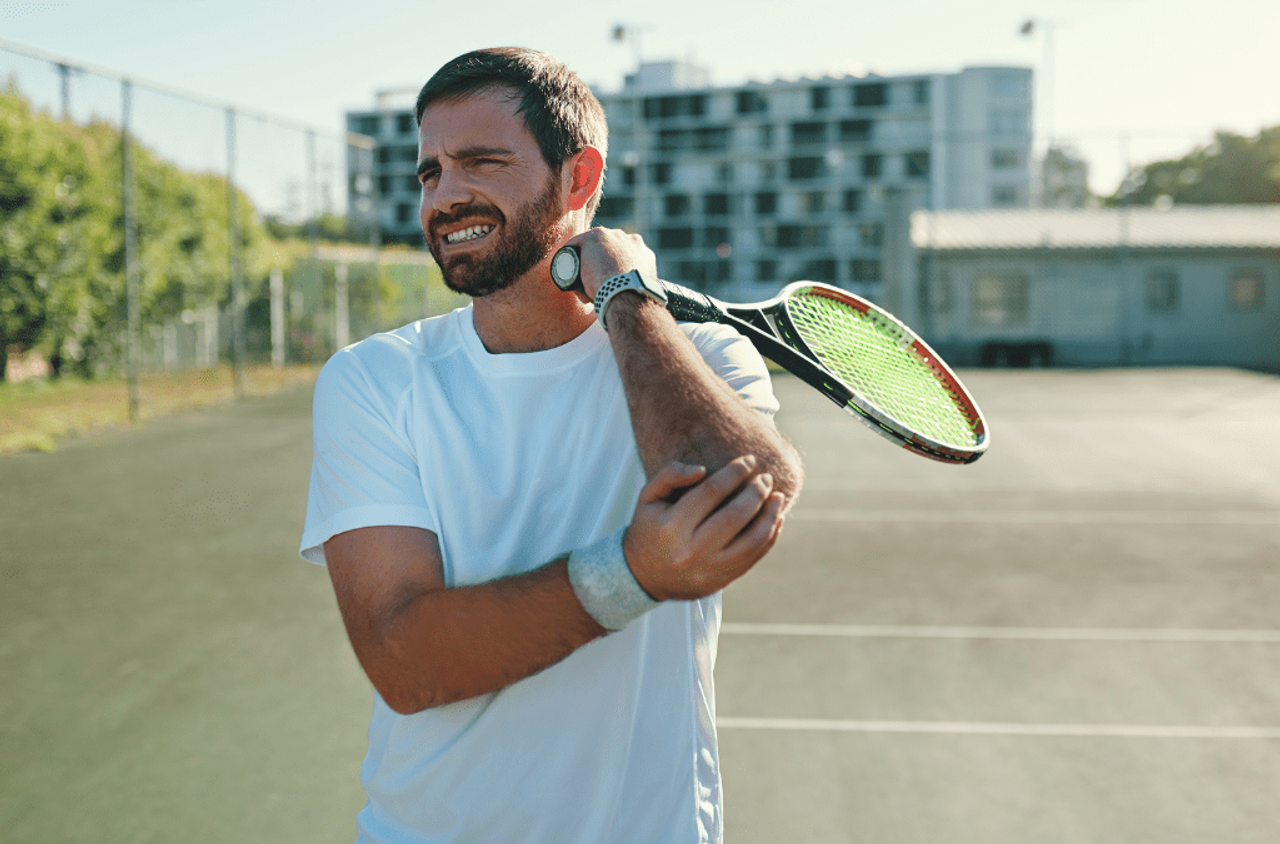
From Setback to Playback: Decoding the Layers of Tennis Elbow Recovery
Tennis elbow, or lateral epicondylitis, is a notorious opponent for athletes, especially those involved in racquet sports. Commonly associated with repetitive arm and wrist movements, this painful condition transcends beyond professional players, affecting recreational enthusiasts who might not have the same access to professional rehabilitation resources.
The Challenge of Recovery
For those casually enthusiastic about their favorite sport, the onset of tennis elbow can be a discouraging barrier. Throwing a wrench in not just their game schedule but also daily activities, sufferers often find themselves at a crossroads between pain persistence and performance decline. The lack of structured recovery due to ignorance or underestimation can lead to chronic pain and prolonged absence from the court.
Consequences of Neglected Recovery
When recovery is overlooked, players might find themselves grappling with more than just physical discomfort. From increased risk of further injury to psychological impacts such as frustration and waning motivation, the slope is slippery.
- Progression of Injury: Inadequate attention to recovery can escalate the condition, potentially necessitating surgical intervention.
- Reduced Performance: Compromised elbow function can degrade precision and power, affecting overall performance on the court.
- Mental Strain: The inability to play or improve can lead to stress, anxiety, and refusal to engage in sport altogether.
Structured Phases of Recovery
Addressing the injury with a methodical recovery approach not only restores the athlete’s physical condition but also preserves mental health by offering a roadmap back to the sport they love.
Phase 1: Rest and Protect
The immediate goal is to alleviate pain and prevent further strain. Rest is the cornerstone, but it’s crucial to define what ‘rest’ means in this context. Rather than complete inactivity, it involves abstaining from activities that exacerbate the injury.
| Activity | Guidance |
|---|---|
| Avoid | Racquet sports, weightlifting |
| Perform | Gentle stretching, shoulder strengthening |
Phase 2: Gradual Reintroduction
Re-engaging with the forearm muscles through light activity aids in rebuilding strength. This phase focuses on targeted exercises under professional guidance to ensure muscle balance and prevent recurrence.
- Isotonic Exercises: Slow extensions and flexions of the wrist to build endurance.
- Resistance Bands: Used to perform gentle wrist rotation and extension tasks.
Phase 3: Skill-Specific Training
As pain subsides, a gradual return to sport-specific skills resumes. During this phase, integrating biomechanical correction and ergonomic adjustments is critical.
- Technique Refinement: Working with a coach to modify strokes to reduce undue stress on the elbow.
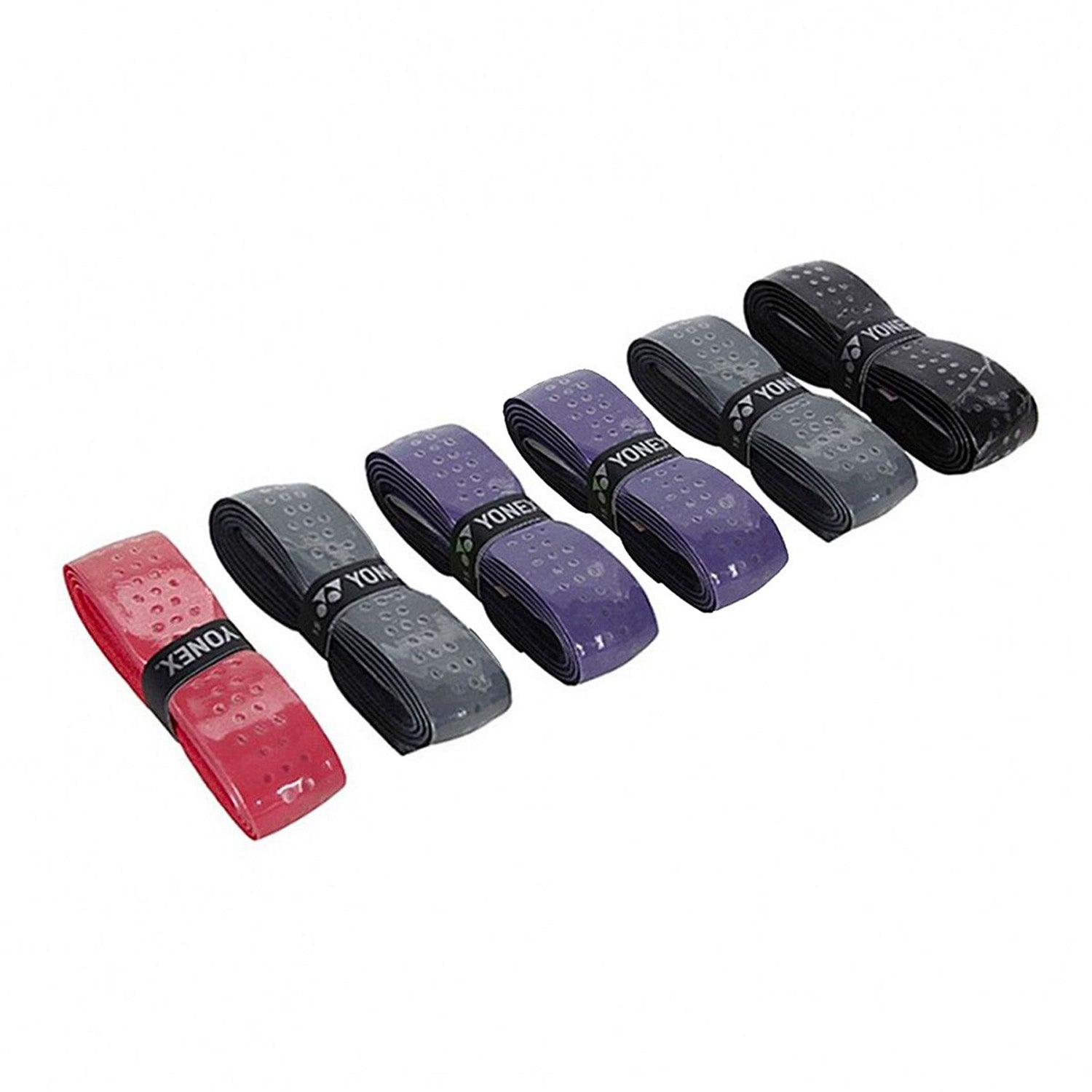
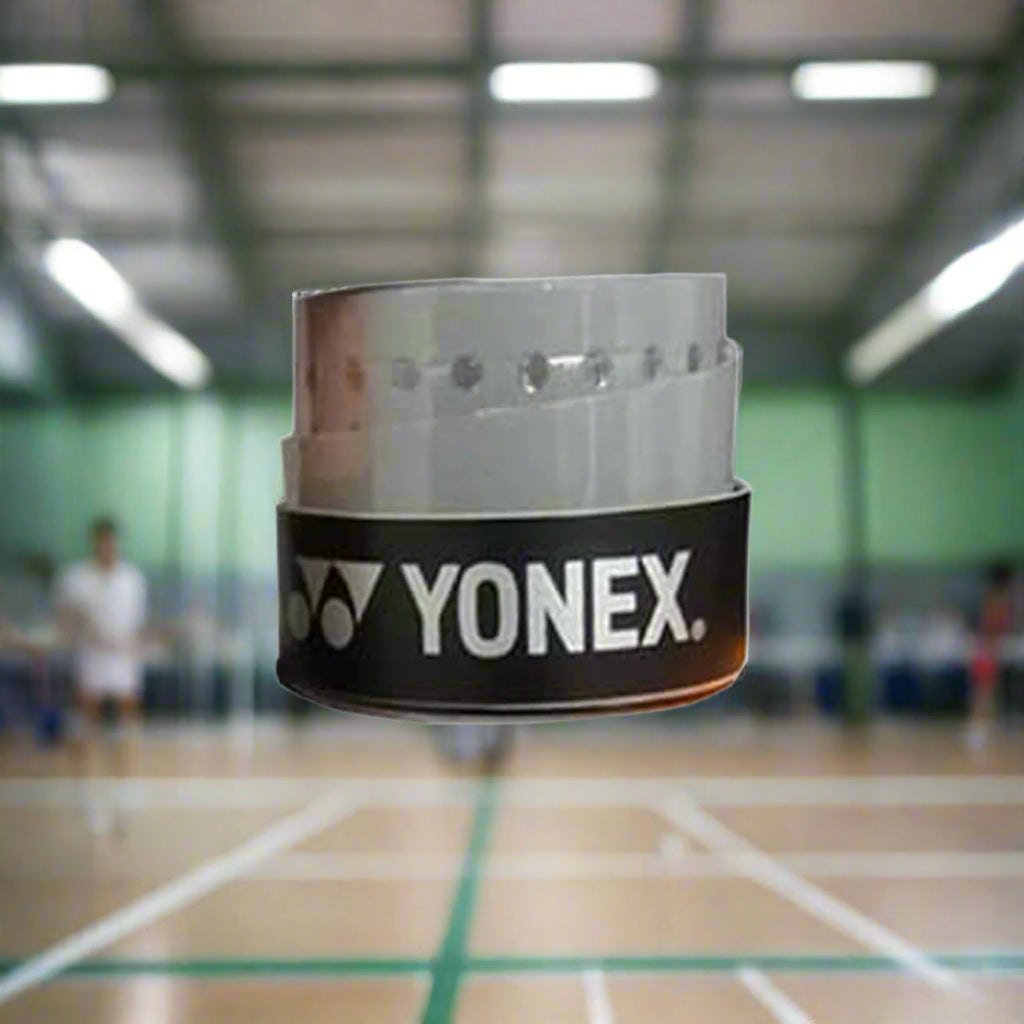
- Equipment Adjustment: Customizing grips and racquet size to minimize strain.
Phase 4: Full Sport Integration
The final phase involves a return to full activity, with continued monitoring and modification as required. Dynamic warm-ups and further technique assessment become routine to prevent re-injury.
- Warm-Up Rituals: Incorporating stretches and drills to prime the muscles.
- Regular Check-ups: Periodic assessments by physiotherapists to track progress and adjust the plan as necessary.
While the road to recovery from tennis elbow in recreational sports is laden with challenges, adhering to a structured rehabilitation process ensures a safer and more efficient return to the court. For athletes endeavoring to outpace pain and backlash, leveraging innovative recovery tools can make a substantive difference. Platforms like InstaSport offer guidance and community support focused on a holistic rehabilitation journey.
Disclaimer: The content shared here discusses sports injury recovery in a general context and should not replace professional medical guidance.





















































Share:
The Psychological Path to Healing: Overcoming Sports Injuries Beyond the Physical
Overcoming Myths: The Practical Timeline and Truths of Sports Injury Recovery