
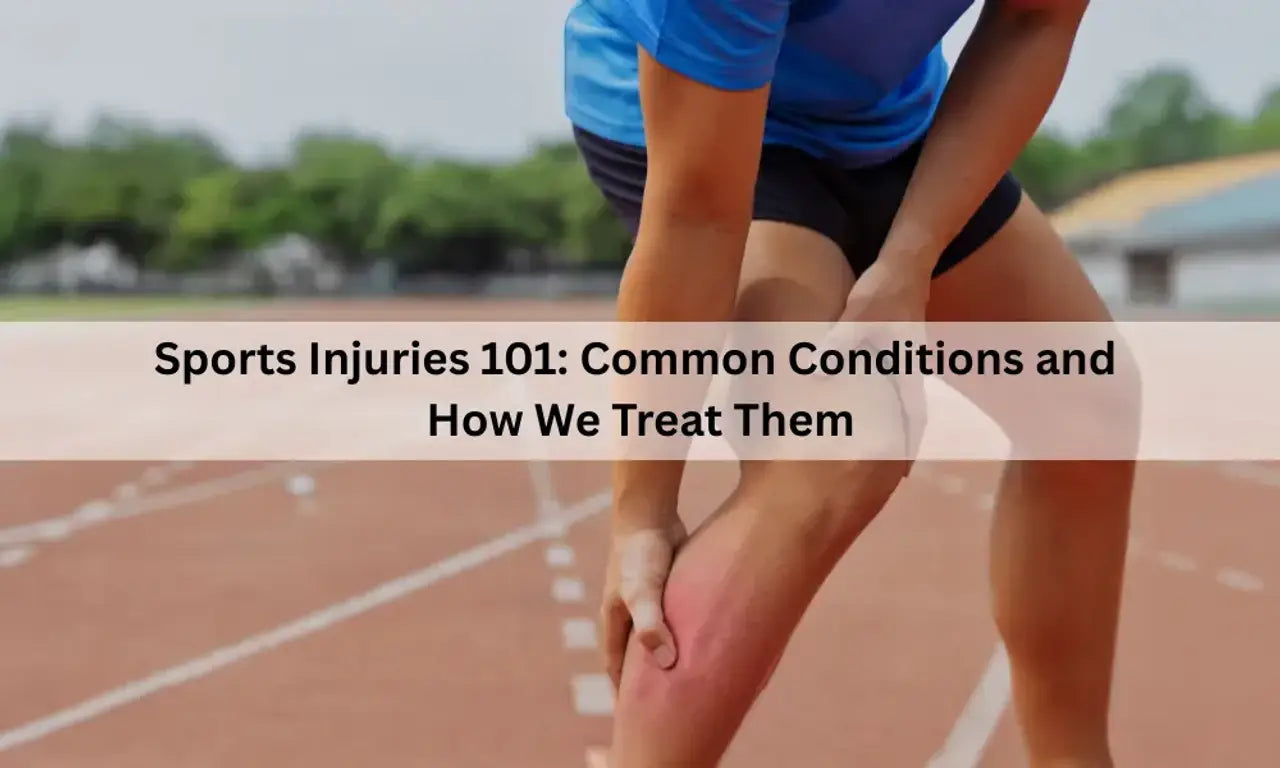
In the competitive realm of track and field, the celebration of victory is often accompanied by the looming specter of injury. For many track athletes, the Achilles tendon is both an unsung hero and a potential Achilles' heel. The rupture of this critical tendon can be catastrophic, creating an uphill battle not just physically, but mentally and emotionally as well.
Imagine being at the peak of your career one moment, feeling the electric pulse of the starting gun, the wind brushing sharply against your face, and then in a confounding split-second, you are on the ground, clutching your heel in excruciating agony. This is where many tales begin not in success, but in a setback that seems insurmountable.
The Common Pitfalls in Recovery
When an Achilles tendon rupture occurs, the athlete's world turns upside down. Initially, many athletes rely solely on rest, hoping their body will resolve the issue with simple inactivity. This often turns into an overlook of structured rehab programs, with athletes eager to fast-track their return to activity, they might eschew detailed and comprehensive recovery protocols. Unfortunately, these missteps can lead to ongoing, chronic issues that thwart a full recovery.
Athletes who rush their healing often face re-ruptures or persistent pain and dysfunction. Secondary injuries can arise as athletes unconsciously compensate for their weakened state, potentially developing overuse injuries in the knees or lower back. Moreover, neglecting the mental component of recovery leaves athletes grappling with fear and anxiety, hindering both their physical recovery and hindering peak performance upon returning to the sport.
What Truly Facilitates Healing?
Unlike the myths and common pitfalls of quick fixes, successful recovery from an Achilles' rupture requires a disciplined and multi-faceted approach. It’s more marathon than sprint, demanding patience and persistence.
A key element in the healing process is Personalized Rehab Programs, which cater to the specific needs and baseline abilities of the athlete. These programs often include a balance of strength training, flexibility exercises, and proprioceptive activities designed to restore tendon function.
Table: Components of a Personalized Rehab Program
| Component | Description | Example Exercise |
|---|---|---|
| Strength Training | Focuses on rebuilding muscle support | Calf raises, resistance band work |
| Flexibility | Ensures full range of motion | Heel drops, stretches |
| Proprioception | Improves spatial awareness and balance | Balance board exercises |
Integral to recovery is the inclusion of progressive load increment. This means gradually increasing the load on the tendon to stimulate remodeling and repair. Such graded exposure allows the tendon to adapt to stresses incrementally, preventing overload and reducing the risk of further injury.
Mental fortitude cannot be overlooked. Building mental resilience and addressing psychological barriers are essential, as the fear of re-injury can be more debilitating than the physical aspect itself. Sessions with sports psychologists and the use of mindfulness techniques can help track athletes overcome these barriers.
The Importance of Guided Professional Support
Another indispensable facet of recovery is professional supervision. Engaging with sports physiotherapists can guide the athlete, ensuring rehab exercises are done correctly and adjustments are made as needed. Nutritional support from a dietitian can also play a role, optimizing the nutrition needed for healing and maintaining an athlete's energy levels.
Continuous follow-up assessments by medical professionals can help in identifying signs of complications early on. From guiding swelling management to advising on return to sport strategies, expert input is invaluable. The role of technology has also grown, with apps and wearables helping to track progress and motivate athletes through the monotony of repetitive rehab exercises.
Full Circle: Returning to the Track
The journey to recovery is as unique as the athlete undertaking it. Even with diligence and the best practices at hand, every physical journey through Achilles recovery uniquely entwines with an emotional expedition. Celebrating small milestones is vital, as these markers often go unnoticed when the focus shifts entirely on the end goal.
As track athletes lace up their spikes once more, with not just a healed tendon, but renewed strength and resolve, they embody resilience. They transit from uncertainty to harmony with their bodies, acknowledging that their path, though peppered with setbacks, has only made them stronger.
In the end, while striding across their athletic tapestry, the lesson often learned isn’t about physical prowess alone. It's about understanding one's limitations and rising with agility after each fall. It serves as a reminder that while the road to recovery is personal and laden with hurdles, the support of a professional teamincluding, one might consider, platforms like InstaSportequips athletes with the armor needed to reclaim their stride.
Disclaimer: This article is intended for general informational purposes only and reflects common patterns in sports injury recovery. It is not medical or technical advice.


































































































Share:
Unraveling the Emotional Journey: Beyond Physical Recovery in Sports Injuries
Overcoming the Mental and Emotional Hurdles of ACL Recovery in Soccer