
Introduction
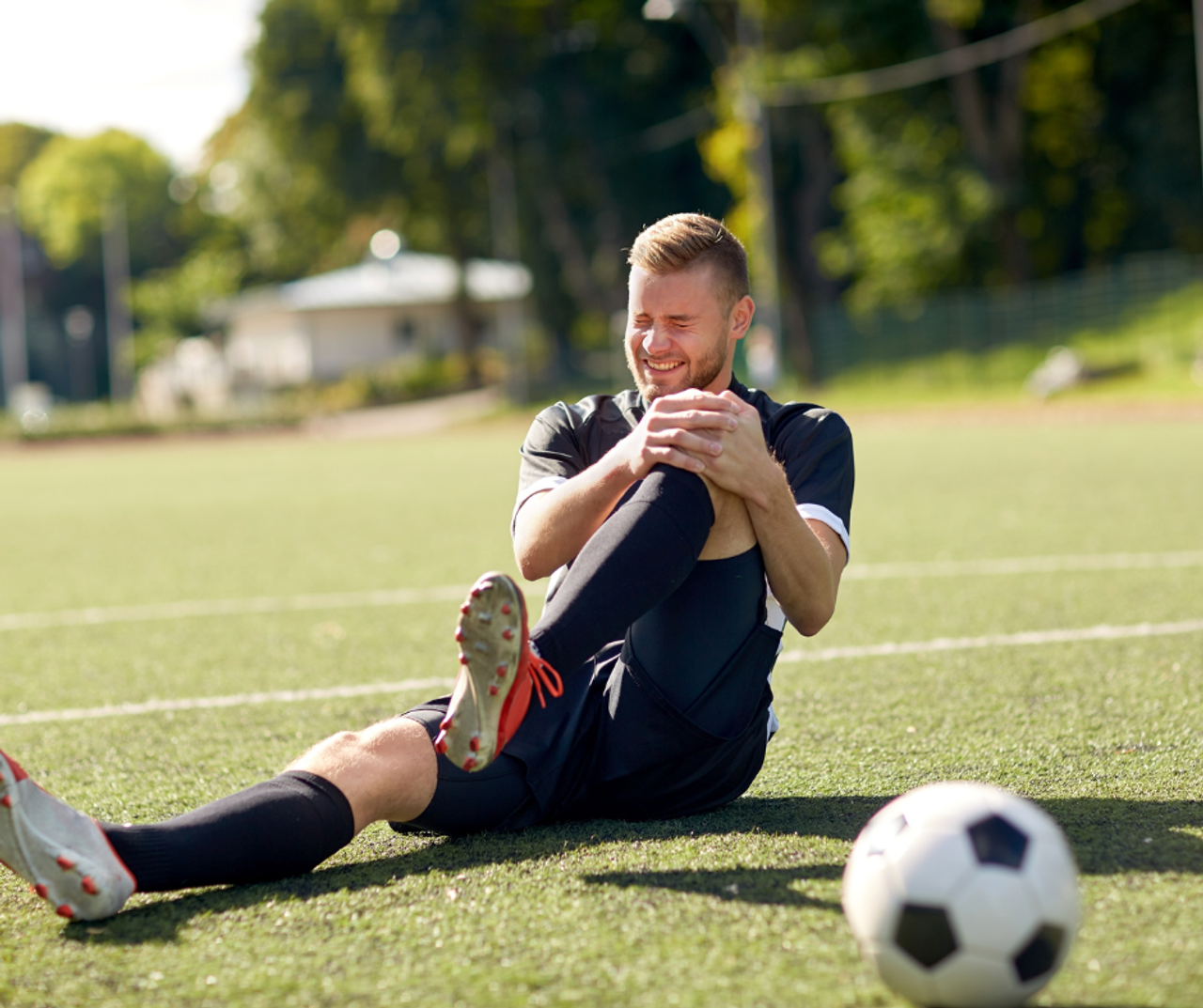
In the world of sports, injuries are often as inevitable as the sunrise. Amongst these, the anterior cruciate ligament (ACL) tear looms large, especially in soccer. For athletes whose lives and identities are intertwined with their sport, the journey of recovery involves not just the physical aspect but, perhaps more challengingly, the psychological and emotional labor of healing an injured self.
The Recovery Problem
Modern sports science has turned the recovery of ACL injuries from a career-ending ordeal into a more navigable path. Yet, one cannot overlook the psychological and emotional barriers athletes face while their physical wounds mend. The problem begins not merely when the injury occurs, but in the vacuum of uncertainty that follows. Will they return to the game they love? Can they regain their previous form or contribute to their team as they did before?
Consequences and Emotional Fallout
The consequences of an ACL injury are far-reaching. The immediate loss is tangible: out of play, the abrupt halt in training, the loneliness when isolated from the team. Beyond the game, it touches the athlete's identity and future. Without the outlet of sport, many athletes face an identity crisis that can lead to depression, anxiety, and a range of emotional challenges.
Research highlights the five stages athletes typically go through while dealing with such an injury:
| Stages | Description |
|---|---|
| Denial | Difficulty accepting the reality of the injury. |
| Anger | Frustration towards the situation. |
| Bargaining | Hoping for a quick fix or magic cure. |
| Depression | Feeling of hopelessness and sadness. |
| Acceptance | Embracing the situation and ready to take action. |
Breaking Down Recovery Phases
Recognition and Acceptance
Acceptance is the most challenging stage but arguably the most pivotal. Professionals working with athletes on their recovery programs encourage acknowledging emotions openly. This emotional honesty can catalyze motivation and optimism needed for rehabilitation.
Optimizing Physical Rehabilitation with Psychological Support
Physical rehabilitation is exhaustive; pairing it with psychological therapy can gift athletes with tools to manage stress and anxiety. Cognitive behavioral therapy (CBT) is frequently recommended, helping players manage thought patterns that could impede their physical progress.
Encouragement through Visioning
Andrew, a proficient soccer midfielder, found solace in visioning techniques. After his ACL injury, visualizing each step in his recovery helped to concretize his everyday actions toward tangible goals. Developing a mental image of his success gave Andrew something vital to cling to: hope.
Physical Milestones and Emotional Triumphs
As athletes progress, every physical milestone must be recognized as an emotional triumph. A module of gratitude fosters a renewed appreciation for simple physical acts. This gratitude paradigm can shift mental energy from bitterness to buoyancy.
The Role of Team Culture and Support
The athlete is not alone on this journey; team culture can be a critical component in the emotional kaleidoscope of recovery. Support from teammates, friends, coaches, and family is indispensable. A resurgence of identity is often mirrored in these relationships, bringing forth new commitments and allegiances.
Return to Play: Conquering New Peaks
The physical return to soccer is not a switch that is turned on; instead, it's a gradual return to normalcy. Once athletes reach the late stages of their recovery, simulations of game scenarios in training can help ease psychological anxiety. It's in these moments that athletes can rediscover their passion and pre-injury form.
Embracing the New Normal
The end of rehabilitation marks the beginning of a new chapter. Athletes often find themselves stronger, not just physically but emotionally resilient. The ACL may have healed, but the lessons learned throughout the journey are etched in the empowered mind.
Reassured, Andrew now stands as an emblem of recovery, proof that his mind's willingness to be adaptive allowed him not just a return to soccer, but a return in a more complete form.
InstaSport is here to support athletes navigating their recovery, ensuring a comprehensive approach that aligns physical rehabilitation with mental wellness.
Disclaimer: This article is intended for general informational purposes only and reflects common patterns in sports injury recovery. It is not medical or technical advice.



























































Share:
Triumph Over Adversity: Achilles Tendon Rupture Recovery in Soccer Players
Bouncing Back: A Soccer Player's Journey Through Achilles Tendon Rupture Recovery