
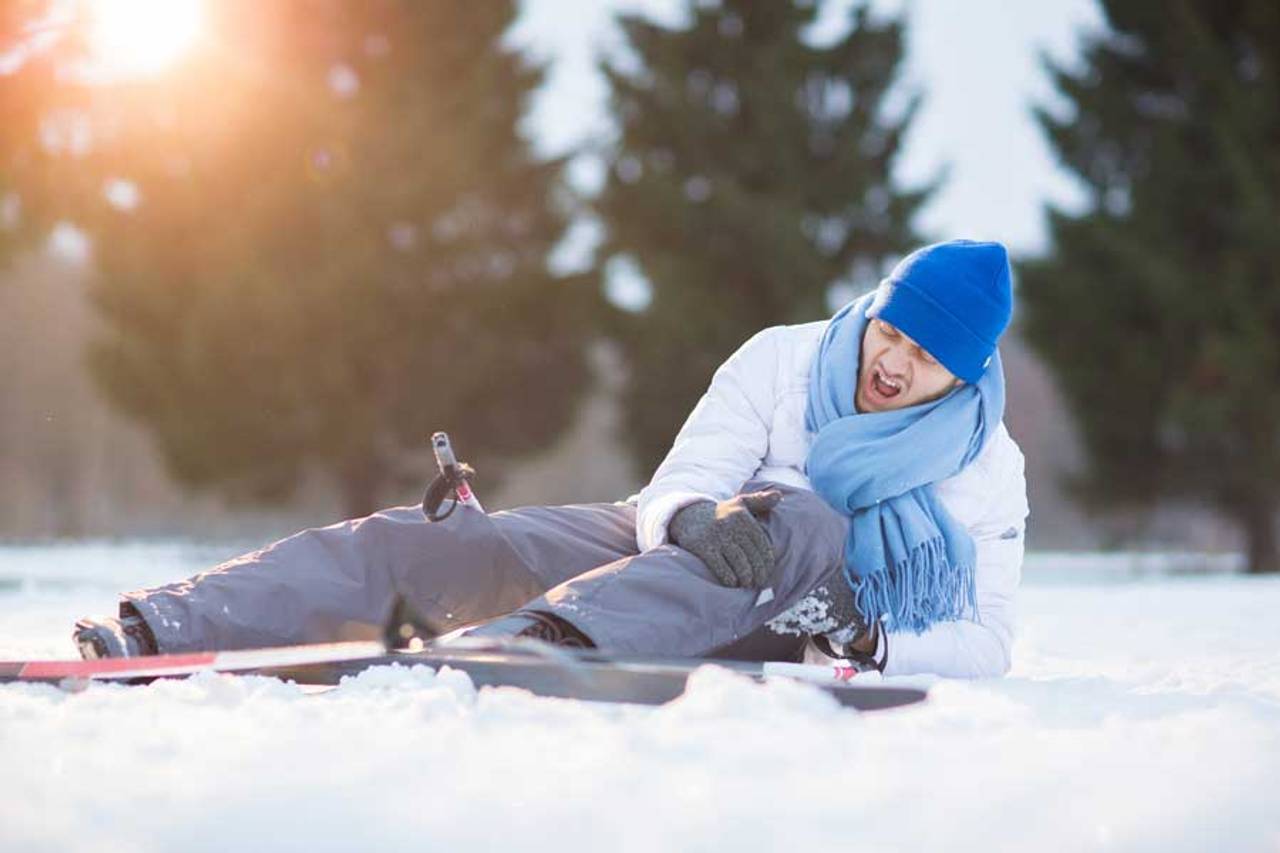
Overcoming the Slope: The Emotional Journey of ACL Tear Recovery in Skiers
The cold embrace of snow, the rush of cold air against the face, and the exhilarating freedom experienced on the slopes are sensations beloved by skiers around the world. However, for many, there is a lurking fear that an injury will pull them off the pristine whites and into the depths of recovery. Among the most dreaded is the Anterior Cruciate Ligament (ACL) tear, a common yet debilitating injury in skiing. The journey from diagnosis to a successful return to skiing is not just a physical battle but a psychological and emotional odyssey as well.
Understanding the Recovery Timeline
Recovery from an ACL tear is typically divided into four phases. While each phase is characterized by specific physical goals, the emotional and psychological challenges are profound and often dictate an individual's recovery pace.
| Phase | Duration | Physical Goals |
|---|---|---|
| Phase 1: Immediate Post-Surgery | 0-2 Weeks | Reduce swelling, regain range of motion |
| Phase 2: Early Recovery | 2-6 Weeks | Improve range of motion, start strengthening exercises |
| Phase 3: Progressive Loading | 6 Weeks-3 Months | Strength building, introduce balance exercises |
| Phase 4: Return to Sport | 3-9 Months | Full strength, agility, sport-specific training |
Phase 1: Immediate Post-Surgery
The initial phase post-surgery is often the most challenging psychologically. A skier may feel an overwhelming sense of loss as the reality of the injury sets in. The mountains, once a playground, are now distant screensavers on their electronic devices. Reduced mobility can induce feelings of helplessness and vulnerability.
Phase 2: Early Recovery
As the body begins to heal, hope starts to germinate. The sight of swelling diminution and gradual mobility improvement provides physical signs of progress. Yet, it's not uncommon to experience emotional tug-of-war as self-doubt and fear of re-injury linger.
Phase 3: Progressive Loading
In this phase, the skier may find a renewed sense of empowerment. Strength training and balance exercises may mimic the movements associated with skiing, rekindling the passion for the sport. However, the fear of getting back on the slopes can remain, accompanied by mental barriers related to trust in the injured knee.
Phase 4: Return to Sport
Reaching the final phase, while an accomplishment, introduces new emotional hurdles. Skiers often experience anxiety as the moment of truth approaches - the return to skiing. Performance satisfaction and the pressure of meeting previous skill levels can be a daunting psychological barrier.
Analyzing Delays and Setbacks
Delays in recovery can stem from both physical and emotional hurdles. Physically, setbacks may occur due to complications such as infection, improper adherence to rehabilitation exercises, or a recurrence of swelling and pain. Emotionally, the recovery path is fraught with moments of doubt, fear of re-injury, and loss of identity as an athlete.
Delayed Milestones Table
| Causal Factors | Potential Delays |
|---|---|
| Physical Setbacks | Delayed surgical wound healing, persistent pain, muscle atrophy |
| Emotional Barriers | Fear of reinjury, anxiety, depression, lowered self-esteem |
Combating Emotional Setbacks
Just as an athlete works tirelessly to regain physical strength, addressing emotional health is equally vital. Engaging in psychological support can offer coping mechanisms for stress and anxiety while addressing the broader implications of an altered athletic identity.
Training the mind to visualize overcoming challenges on the slopes can yield positive results. Moreover, expressing fears and hopes in therapy can reduce mental obstacles and enhance commitment to the physical rehabilitation process.
The Power of Support Systems
A robust support system, both inside and outside an athlete’s sporting circle, can play a critical role in emotional recovery. Friends, family, and fellow athletes can provide necessary encouragement. Becoming part of communities where shared experiences can be discussed openly helps skiers break the isolation spiral.
Striding Forward: An Encouraging Vision
Despite the formidable challenges posed by an ACL tear, skiers often find themselves not only recovering but also evolving. The experience can catalyze a skiers into more mindful athletes. By traversing the depths of adversity, many derive a renewed sense of appreciation for the sport.
Skiers embarking on this journey may find solace in documenting their recovery, setting goals, and celebrating every small victory. The pressures of returning to the slopes might be daunting, but embracing the process of injury recovery yields deeper insights into both skiing and life.
Wherever the slopes may lead, keeping an unwavering spirit is key. For those seeking extra motivation, tools like InstaSport can offer personalized plans to help enhance their journey back to the avalanche of adventure.
Disclaimer: This article is intended for general informational purposes only and reflects common patterns in sports injury recovery. It is not medical or technical advice.
























































Share:
Decoding the Achilles Puzzle: Navigating Recovery in Soccer Players
Achilles Tendon Rupture: The Long Road to Recovery for Middle-Distance Runners