
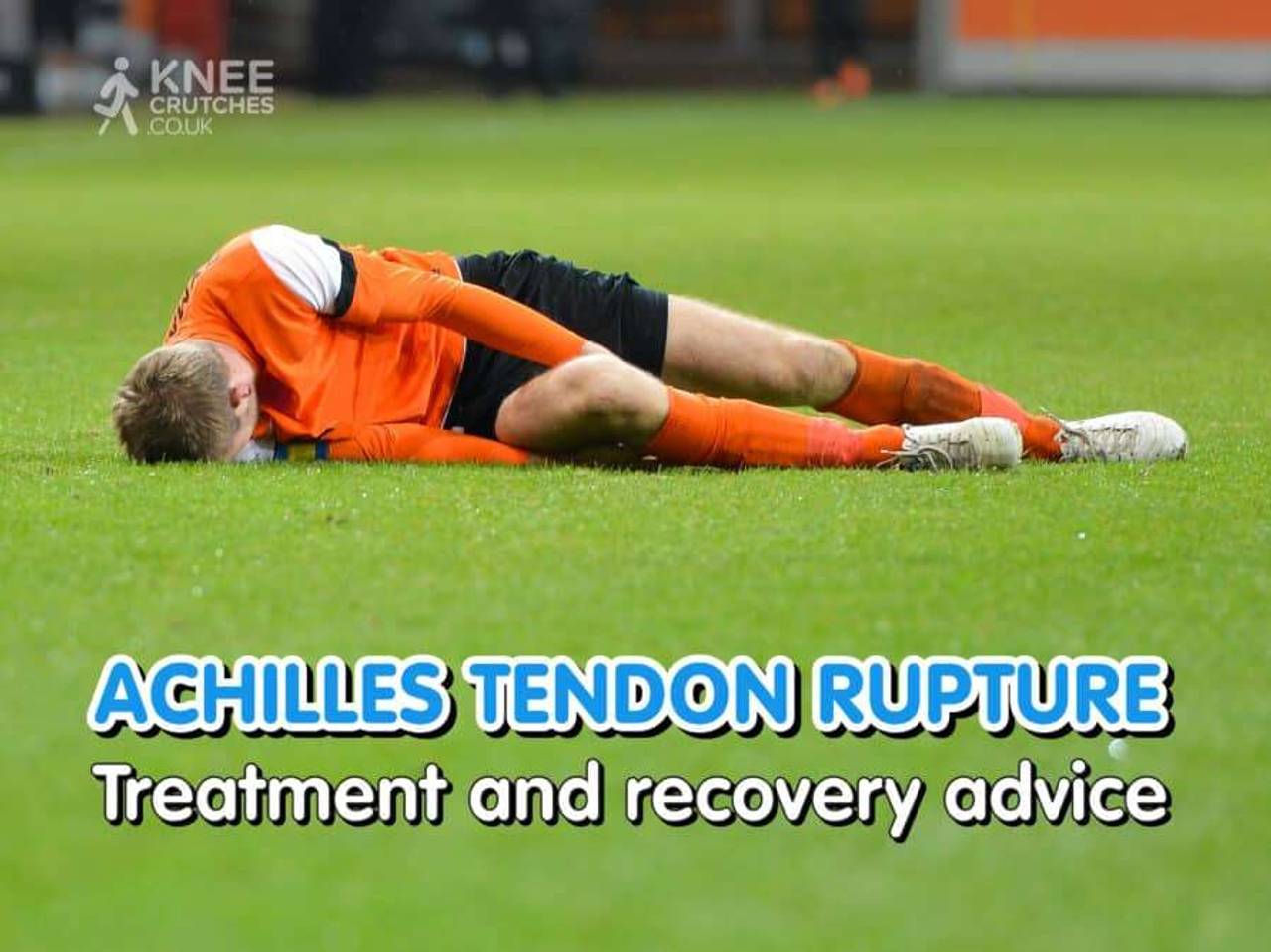
When a soccer player sprints towards the goal only to crumple to the ground with a ruptured Achilles tendon, the road to recovery becomes long and intricate. Achilles tendon ruptures are infamous not only for their sudden, incapacitating nature but also for the complexity involved in ensuring a full recovery. While advancements in surgical techniques and rehabilitation protocols exist, the data still shows significant variability in outcomes. So, why do some recoveries succeed while others falter? Understanding this can provide valuable insight for athletes, their coaches, and medical practitioners alike.
The Achilles Conundrum: A Complex Recovery Challenge
The Achilles tendon is the strongest yet most vulnerable tendon in the body, and rupturing it can have a profound impact on an athlete's career. The repercussions of an improperly managed recovery are glaring. Poor recovery can affect the player's future performance levels and significantly increase the risk of re-injury. Moreover, psychological effects like reduced confidence and fear of movement often compound the physical challenges.
Despite similar injuries, some athletes return to pre-injury performance levels, while others never regain their previous form. Studies suggest that a combination of biological, biomechanical, and psychosocial factors shape these outcomes.
Phase 1: Initial Healing and Early Rehabilitation
In the immediate aftermath of a rupture, the focus is on healing the tendon while maintaining as much overall fitness as possible. The critical question for this phase is whether to opt for surgical repair. While surgery can align the torn edges of the tendon for precise healing, allowing for a potentially stronger recovery, it also carries risks, such as infection and nerve damage. However, advances in minimally invasive procedures have made surgical outcomes increasingly successful.
Irrespective of the approach, early rehabilitation is initiated with controlled movements to promote blood flow and reduce stiffness without overstressing the healing structure. Scar tissue formation is a crucial part of this phase, yet if unmanaged, it can become a barrier to long-term function.
| Phase | Key Objectives | Common Challenges |
|---|---|---|
| Initial Healing | Tendon repair, minimize swelling | Risk of re-rupture, stiffness |
| Early Rehabilitation | Promote mobility, scar management | Poor movement patterns |
Phase 2: Functional Recovery and Strengthening
Once sufficient healing has been achieved, the focus shifts to functional recovery. This phase is characterized by progressive loading of the tendon through exercise, which stimulates the remodeling of the tissue and helps restore strength. Resistance exercises, proprioceptive drills, and eventually, sport-specific movements are integrated gradually.
An important consideration is the individualized pace of progression. Overzealous athletes may face setbacks if they rush this phase, leading to weak tendon adaptation and recurring injuries. Conversely, overly cautious approaches may prolong muscle atrophy and reduce the agility required in high-performance sports like soccer.
Phase 3: Return to Sport
The final phase involves a transition back to competitive play, a juncture fraught with both opportunity and risk. A well-structured rehabilitation program will integrate cardiovascular fitness, neuromuscular efficiency, and sport-specific drills to ensure holistic preparation.
Psychosocial support during this phase cannot be overstated. After weeks or months sidelined from the game, athletes may harbor doubts about their physical capacity and fear re-injury. Building confidence through graduated exposure to game scenarios can mitigate these psychological hurdles.
| Phase | Key Objectives | Common Challenges |
|---|---|---|
| Functional Recovery | Strength, proprioception | Slow progress, overloading |
| Return to Sport | Full agility, psychological readiness | Fear, loss of confidence |
Concluding Thoughts on Achilles Tendon Recovery
The journey of recovering from an Achilles tendon rupture is anything but straightforward. Success hinges on a coordinated, multi-disciplinary approach that addresses every facet of the athlete's progress, from the biological healing processes to psychological resilience. As soccer players navigate this challenging terrain, being equipped with the right strategies and support structures can dramatically tilt the balance towards a favorable recovery outcome.
For athletes and coaches looking to implement these strategies effectively, leveraging tools like InstaSport can streamline recovery and provide comprehensive insights into rehabilitation progress.
Disclaimer: The content shared here discusses sports injury recovery in a general context and should not replace professional medical guidance.















































Share:
From Setback to Summit: Psychological and Emotional Healing After Rotator Cuff Injuries in Rock Climbers
Overcoming the Slope: The Emotional Journey of ACL Tear Recovery in Skiers