
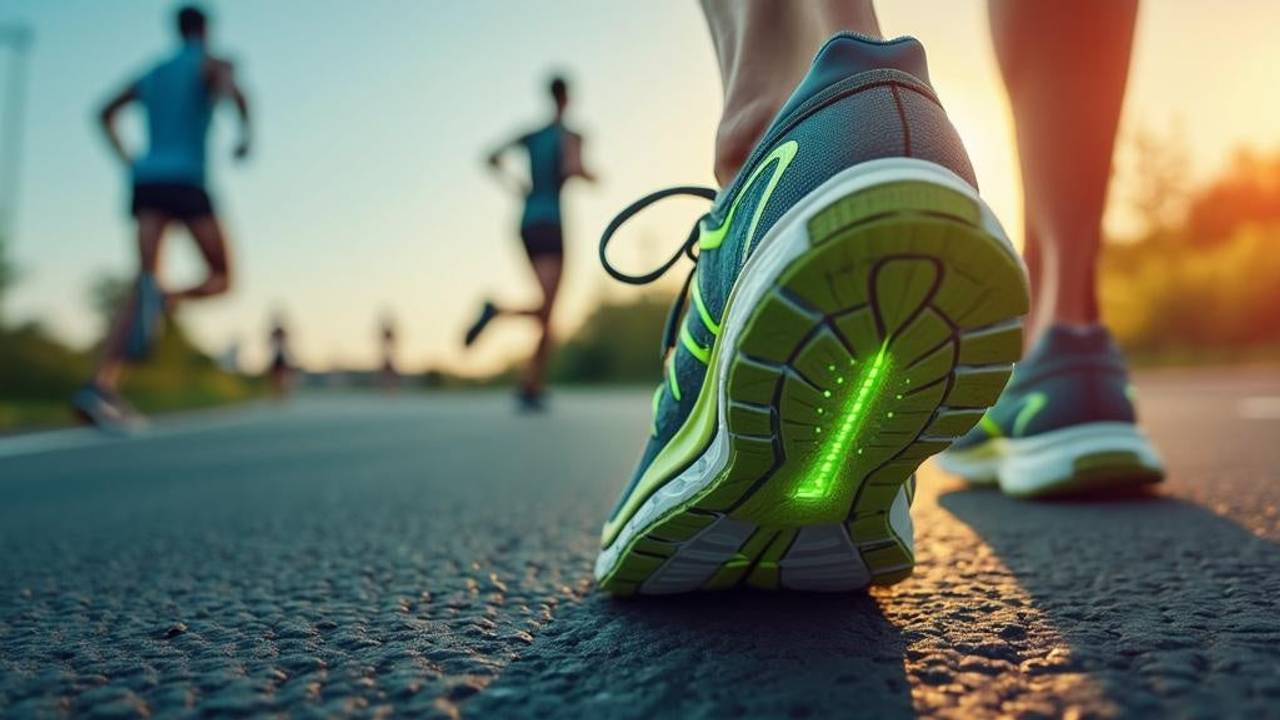
Sports injuries are an inevitable part of any athletic endeavor, but the manner in which we approach recovery can significantly influence the duration and quality of the healing process. Traditionally, the rule of thumb has entailed rest, ice, compression, and elevation (RICE). However, this rule, albeit effective in managing initial symptoms, oversimplifies the intricacies involved in long-term rehabilitation.
Challenging Common Recovery Assumptions
The misconception that passive rest is the primary solution for recovery has long dominated the sports injury narrative. For instance, the belief that avoidance of physical activity promotes healing goes against emerging evidence suggesting that early, controlled mobilization can enhance recovery.
Another widespread assumption is equating pain reduction with recovery progression. While pain management is essential, it is not the singular indicator of tissue health or readiness to return to sport. Many athletes fall into the trap of resuming activity based solely on the absence of pain, only to experience recurrent injuries.
The Mechanisms of Muscle and Tissue Repair
The healing of musculoskeletal injuries involves a complex interplay of physiological processes including inflammation, tissue repair, and remodeling. Initial inflammatory responses help clear damaged tissues, but if unresolved, chronic inflammation can impede recovery.
| Phase | Timeframe | Key Activities |
|---|---|---|
| Inflammatory | 0-6 Days | Active inflammation control, pain management |
| Repair | 4-21 Days | Guided mobilization, initiation of light exercises |
| Remodeling | 2-6 Months | Progressive loading and sport-specific exercises |
Reevaluating the Role of Physical Therapy
Modern physical therapy now emphasizes the importance of personalized rehabilitation programs that adapt to the unique needs of the athlete and the specificity of their sport. Incorporating neuromuscular training, proprioceptive sessions, and cognitive strategies to cope with fear of re-injury has shown promising results.
For instance, ACL injuries often benefit from exercises targeting knee stability and strength development, layered with simulations to reintroduce confidence in movement.
Nutritional Support in Healing
Nutritional inputs play a crucial role in tissue repair, influencing inflammation, muscle protein synthesis, and overall recovery dynamics. Incorporating adequate protein, anti-inflammatory foods, and hydration can act synergistically with physical rehabilitation to expedite recovery.
Recommended Nutritional Focus:
- Proteins: Lean meats, tofu, legumes
- Omega-3 Fatty Acids: Fatty fish, flaxseeds, chia seeds
- Vitamins & Minerals: Focus on Vitamin C (citrus fruits) and Vitamin D (supplements, fortified foods)
The Role of Technology in Recovery
Diving into the technological advancements, wearable devices and motion capture systems are revolutionizing how we understand and manage recovery. By providing real-time feedback, these technologies allow for the optimization of exercise routines and the early detection of potential injury risk factors.
Moreover, innovations like cryotherapy and laser treatments are gaining traction as adjuvant therapies, assisting in pain alleviation and enhancing tissue repair.
Mindset and Psychological Resilience
Recovery is as much a mental battle as it is a physical one. Psychological factors including anxiety, motivation, and self-efficacy need addressing to help athletes sustain efforts towards complete recovery. Cognitive-behavioral therapy (CBT) and visualization techniques are beneficial in rebuilding confidence.
Conclusion
Moving beyond the traditional confines of the RICE principle, understanding sports injury recovery necessitates a multidimensional approach encompassing proactive mobilization, customized therapy, nutritional adjustments, and a focus on mental health. For athletes committed to an efficient and sustainable return to their sport, embracing these evolving methodologies is essential.
For those looking to further guide their recovery process, InstaSport provides access to expert recommendations, tailored recovery plans, and a supportive community to foster growth and healing.
Disclaimer: This article is intended for general informational purposes only and reflects common patterns in sports injury recovery. It is not medical or technical advice.




















Share:
Achilles Tendon Recovery in Rugby: Phases and Biomechanics
The Art and Science of Successful Sports Injury Recovery: From Failures to Best Practices