
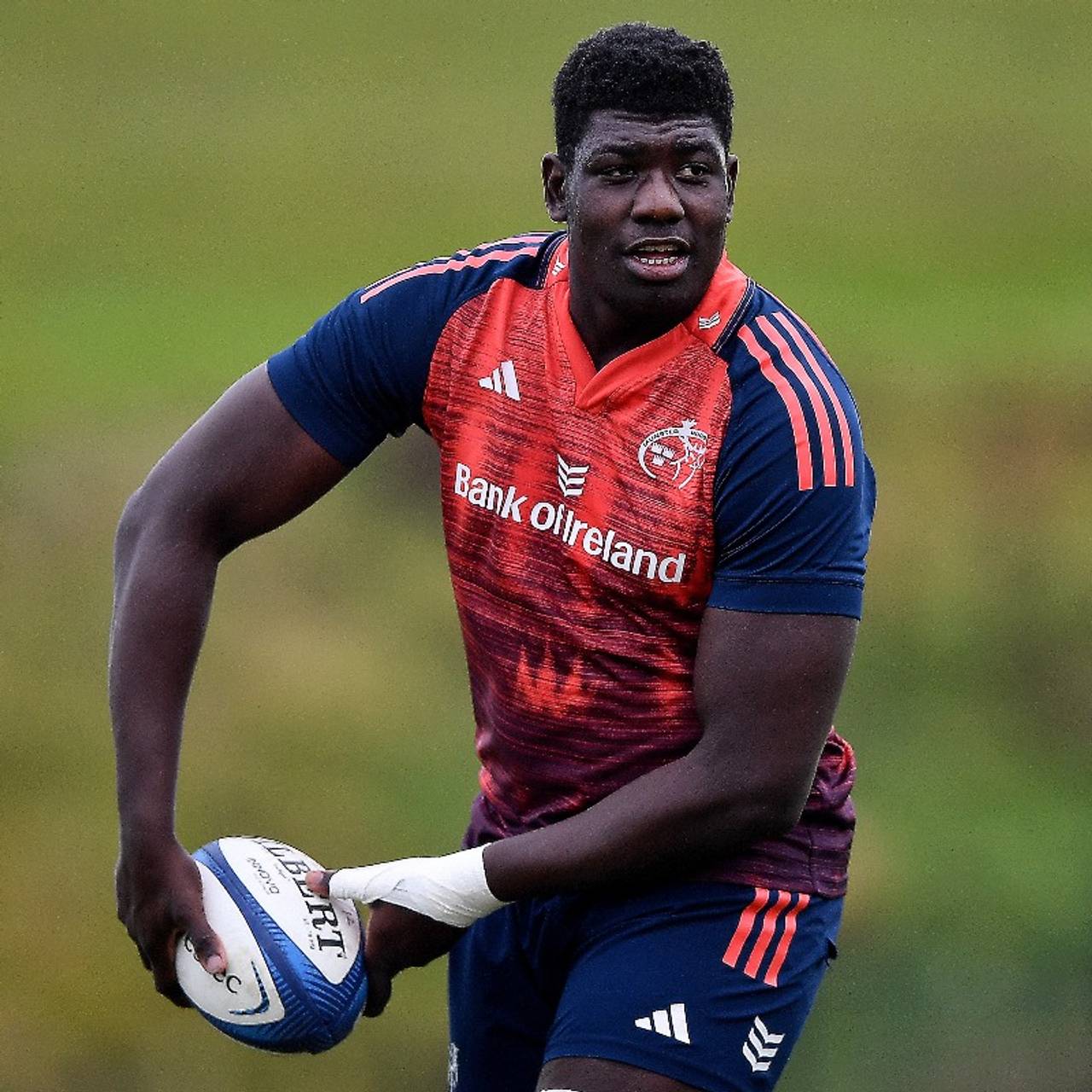
Achilles Tendon Recovery in Rugby: Phases and Biomechanics
The rupture of the Achilles tendon is a dreaded injury for rugby players, given its pivotal role in agility and explosive movements. This injury can sideline even the most seasoned athletes for months, disrupting not only their physical capabilities but also their psychological readiness for the sport. The recovery from an Achilles tendon rupture in rugby players poses unique challenges and requires a meticulous approach, focusing on performance enhancement and optimizing biomechanics.
The Achilles Tendon: The Heart of Rugby Dynamics
The Achilles tendon, the largest and strongest tendon in the human body, connects the calf muscles to the heel bone. In rugby, this tendon is responsible for allowing players to sprint, jump, and quickly change directionsthree fundamentals of the game. When the Achilles tendon ruptures, these functions are compromised.
Rugby players experience immense stress on their Achilles tendons due to the high-intensity and contact nature of the sport. Cutting, tackling, and the explosive acceleration essential in rugby all contribute to the excessive strain on the Achilles tendon. Therefore, recovery from a rupture needs to address these specific performance demands.
Consequences of Inadequate Recovery
An incomplete or rushed recovery from an Achilles tendon rupture can result in decreased performance, increased risk of re-injury, and chronic pain. Rugby requires unparalleled lower limb functionality. If the ankle joint regains only partial range of motion or strength, players might alter their natural biomechanics to compensate, leading to inefficiencies and increased injury risk elsewhere in the body.
| Recovery Aspect | Potential Consequence of Inadequate Focus |
|---|---|
| Strength | Re-injury or tendon overuse |
| Flexibility | Altered movement mechanics |
| Coordination | Compromised agility and reaction times |
Rugby-Specific Recovery Phases
Initial Phase: Protect and Prepare
The initial phase following an Achilles tendon rupture primarily focuses on protecting the injured area and preparing the body for recovery. This phase often involves immobilization to allow the tendon to heal, accompanied by controlled movement to ensure minimal stiffness. While rest remains key, physiotherapy during this period begins to gently prepare the body through isometric exercises aimed at maintaining muscle tone and preventing atrophy.
Rehabilitation Phase: Strength and Flexibility
The rehabilitation phase aims to restore the strength and flexibility of the Achilles tendon and associated muscle groups. Rugby players should engage in progressive loading exercises, carefully monitored by sports physiotherapists, to safely challenge the tendon. This phase also focuses on regaining range of motion, essential for returning to the multi-planar demands of rugby. Key exercises include:
- Eccentric heel drops to restore tendon strength and elasticity.
- Dynamic stretching routines to improve flexibility and enhance range of motion.
Additionally, coordination drills such as ladder drills and cone work are crucial for re-integrating footwork skills.
Advanced Phase: Performance and Biomechanics
As the player progresses, the advanced phase gears towards integrating augmented biomechanics into performance training. It is during this stage that athletes begin higher-intensity agility drills and plyometric exercises essential for rugby. Customized strength conditioning for calf muscles enhances overall leg strength and stabilizes the Achilles tendon during dynamic activities.
Biomechanical analysis becomes crucial here to ensure optimal movement patterns. Using sports technology like video analysis can help players and coaches observe and correct movement inefficiencies, paving the way for more robust performance upon the player's return to the field.
Return-to-Play Phase: Sustainability and Monitoring
The final phase, return-to-play, emphasizes performance sustainability and constant monitoring to prevent recurrence. At this juncture, integrating back into team training is recommended under close supervision. Full immersion into a match scenario should only occur when the player demonstrates regained confidence and functional capacity in their Achilles tendon without any compensatory movement patterns.
Continuous monitoring and regular exercises ensure long-term stability and robustness, paving the way for extended sports participation and career longevity.
Conclusion
The recovery from an Achilles tendon rupture is a complex but ultimately rewarding journey that provides rugby players an opportunity not only to heal but to return more robust and conditioned. By meticulously following these recovery phases, coupled with the insightful integration of performance and biomechanical analysis, athletes can experience a seamless and sustained return to the sport. InstaSport stands ready to offer guidance and advanced rehabilitation tools tailored for rugby.
Disclaimer: This article is intended for general informational purposes only and reflects common patterns in sports injury recovery. It is not medical or technical advice.






















































Share:
Unlocking the Secrets to Successful Sports Injury Recovery: A Systems-Level Insight
Revisiting Sports Injury Recovery: From Misconceptions to Methodologies