
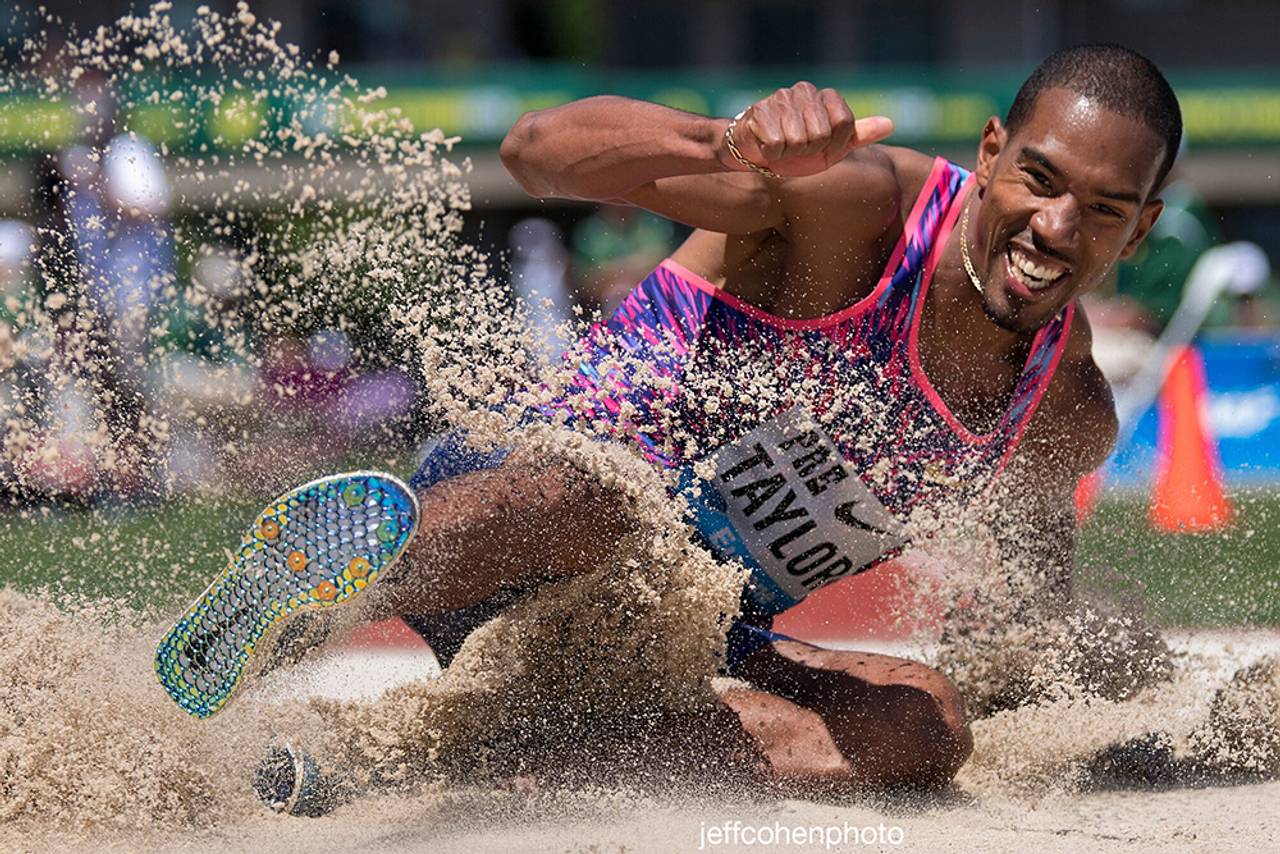
In the world of track and field, the Achilles tendon is both a crucial ally and a potential adversary. When this fibrous cord ruptures, athletes face not only physical challenges but psychological ones as well. Recovery can be a lengthy journey fraught with setbacks. However, with determination, many athletes return to competition, sometimes even stronger than before.
Achilles Tendon Rupture Recovery Timeline
The timeline for recovery from an Achilles tendon rupture varies among athletes, primarily depending on the severity of the injury and the athlete's adherence to rehabilitation protocols. Below is a generalized timeline:
| Time Frame | Recovery Milestone |
|---|---|
| Initial 2 Weeks | Immobilization in a cast or boot; beginning gentle range of motion exercises |
| 2-6 Weeks | Gradual weight-bearing activities, transition from cast to functional boot |
| 6-12 Weeks | Physical therapy focusing on strength, flexibility, and reducing swelling |
| 3-6 Months | Progressive loading and functional movement exercises, potential jogging |
| 6-12 Months | Return to sport-specific activities and competitive play, pending medical clearance |
Each stage of this timeline reflects a critical aspect of recovery. The initial two weeks focus largely on controlling swelling and protecting the tendon. As healing progresses, the focus shifts to restoring range of motion and improving overall stability.
Delays and Setbacks
Recovery from an Achilles tendon rupture is rarely a smooth process. Several variables can disrupt the timeline, causing delays and setbacks. Understanding these can help athletes manage expectations and avoid undue stress.
1. Complications from Surgery
For many competitive athletes, surgical repair is the preferred option to ensure a robust rehabilitation. However, complications such as infection or improper tendon healing can delay progress significantly.
2. Psychological Barriers
Enduring the psychological toll of a severe injury is often underestimated. The confidence needed to push one's physical limits can be eroded by fear of re-injury. Athletes may require mental health support as a parallel to physical rehab to counteract these mental barriers.
3. Overzealous Training
Athletes, driven by their desire to return to competition, may engage in premature high-intensity activities, inadvertently worsening their condition. Patience is keyover-ambition can result in stress fractures and elongating recovery time.
4. Individual Variability in Healing
Athletes heal at different rates due to factors like age, nutrition, and overall health condition, all adding variability to any standardized timeline.
Mindful Reflections on the Recovery Journey
The road to recovery from an Achilles tendon rupture in track and field is often more like a marathon than a sprint. Athletes must learn to listen to their bodies and carefully navigate the thin line between pushing limits and pushing too hard. This cultivated patience and resilience often result in a more complete and satisfying comeback.
Beneath all these challenges lies an opportunity for personal growth, often leading to stories of redemption and renewed passion for the sport. These obstacles that initially seem insurmountable can ultimately become the foundation for future achievements.
In closing, while recovery from an Achilles tendon rupture is undeniably demanding, it is achievable. Many athletes emerge from this trial not just physically rehabilitated but mentally hardened, driven by the lessons learned through hardship. This journey underscores the profound power of the human spirit. For those seeking guidance and support, platforms like InstaSport offer valuable resources tailored to aid athletes at each step.
Disclaimer: The content shared here discusses sports injury recovery in a general context and should not replace professional medical guidance.




























































Share:
Beyond the Physical: Unveiling the Emotional Journey of ACL Recovery in Soccer Players
From Setback to Summit: Psychological and Emotional Healing After Rotator Cuff Injuries in Rock Climbers