
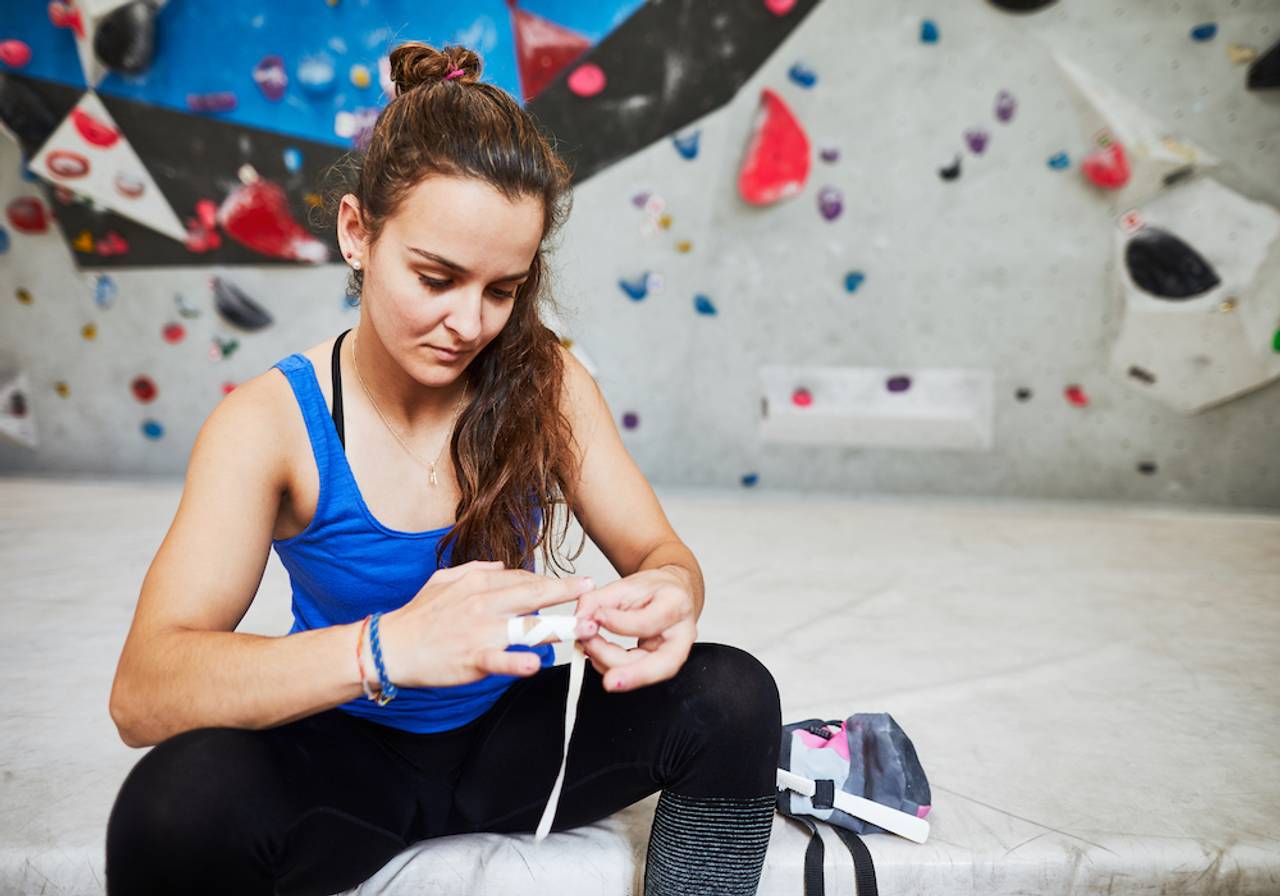
Introduction: Where Many Fall
In the world of rock climbing, athletes are intimately familiar with the strains of injury particularly one of the most debilitating in this sport, the rotator cuff tear. The demanding nature of climbing requires immense upper body strength and range of motion, and a torn rotator cuff can lead to a dramatic shift from scaling cliffs to sitting idly by. The path to recovery, both physical and mental, is often fraught with setbacks.
Common Pitfalls and Failures
It's not uncommon for climbers to fall into despair following a diagnosis. Many athletes struggle with the emotional impact of being sidelined. This affects not only their mental health but also their recovery process. Often, injured climbers rush back to the wall before their shoulder has fully healed, leading to chronic pain or even re-injury.
Consider the case of Jake, a semi-professional climber who suffered a rotator cuff injury during a regional competition. Eager to return, he neglected the prescribed recovery time. The result was an incomplete healing process that not only prolonged his physical recovery but also tortured his psyche with feelings of inadequacy and frustration.
Psychological Impact: The Invisible Battle
Physical injuries can be seen; the psychological scars, however, often remain concealed. An injury represents more than just time away from the sport; it disrupts identity and purpose. Athletes often describe the recovery period as a cycle of grief, experiencing denial, anger, and depression.
Table: Emotional Phases Post-Injury
| Phase | Characteristics |
|---|---|
| Denial | Minimization of the injury's impact |
| Anger | Frustration towards oneself or others |
| Bargaining | Attempts to negotiate faster recovery |
| Depression | Loss of interest in climbing and daily activities |
| Acceptance | Realization and adaptation to a new reality |
What Truly Works: Comprehensive Recovery Strategies
Successful recovery from rotator cuff injuries in climbers demands a multifaceted approach. It's not enough to only focus on the physical aspects; mental and emotional healing are equally critical.
Building a Support Network
For climbers, community plays a crucial role in healing. Engaging with fellow injured climbers can provide unique insights and emotional support. Support groups, whether online or in person, help athletes confront their feelings while exchanging strategies to cope with their recovery.
Setting Realistic Goals
Returning to peak physical condition is a marathon, not a sprint. Establishing achievable milestones helps maintain motivation and provides a sense of accomplishment. Measurable goals, such as improved range of motion or specific weight lifting targets, provide a clear path forward.
Mental Conditioning and Mindfulness
Mental resilience is essential. Techniques like visualization, meditation, and mindfulness exercises have proven effective in helping athletes manage anxiety and stay focused on recovery. Visualization can serve as mental training, enhancing the periodic returns to climbing walls mentally before it becomes physically possible.
Personalized Therapy and Rehabilitation
A tailored rehabilitation program is crucial. Physiotherapy should be paired with personalized exercises that cater to the specific needs of climbers. These programs should be dynamic, adjusting as the athlete progresses. Remember, the goal is not just healing the injury but preventing future ones.
Conclusion: The Climb Back Up
The journey from injury to recovery is arduous, but it is as much a testament to the human spirit as it is a physical process. For climbers like Jake, understanding that healing involves more than repairing torn tissues is vital. Embracing failure as part of the process and recognizing small victories are crucial steps in their resurgence.
The metaphorical climb often mirrors real-life ascensions, filled with unexpected overhangs and unreachable holds. But each attempt, each step forward, provides a firmer grip on recovery, underpinned by the robust support of the climbing community and personal perseverance.
For a deeper dive into the structured support available post-injury, consider exploring resources like InstaSport, where community-focused recovery tools await your exploration.
Disclaimer: The content shared here discusses sports injury recovery in a general context and should not replace professional medical guidance.








































Share:
Road to Redemption: Overcoming an Achilles Tendon Rupture in Track and Field
Decoding the Achilles Puzzle: Navigating Recovery in Soccer Players