

The Road to Recovery: A Timeline
In the world of professional soccer, the Achilles tendon rupture is known as one of the most devastating injuries. Not only does it take players out of the game for extended periods, but it also demands a meticulous recovery regimen. For professional soccer players, whose careers depend on their athletic performance, rebuilding strength and mobility after such an injury can be an arduous journey.
Initial Recovery (0-6 weeks)
The first phase of recovery starts immediately post-surgery or following conservative treatment, depending on the rupture's severity. For most players, this involves immobilization in a cast or a walking boot, ensuring that the tendon is adequately supported. Physiotherapists often initiate early range-of-motion exercises to prevent stiffness.
Goals:
- Allow proper healing of the tendon
- Prevent muscle atrophy
- Minimize scar tissue formation
During this period, players are motivated to maintain their upper body and core strength, typically under the guidance of a dedicated coach or medical team.
Rehabilitation and Strengthening (6-12 weeks)
At this stage, the focus shifts toward gradual weight-bearing activities. Physical therapists design tailored exercise programs that target the calf and surrounding muscles, steadily increasing the load on the tendon.
Key Activities:
| Phase | Activities | Goal |
|---|---|---|
| Weeks 6-8 | Light resistance training, continued range-of-motion exercises | Regain functional mobility |
| Weeks 8-12 | More dynamic movements like balancing exercises and light jogging | Build tendon endurance and coordination |
Sport-Specific Training (3-6 months)
As players progress, the introduction of more soccer-specific drills becomes essential. The exercises are aimed at simulating match conditions to prepare the player for eventual return to the field.
Targets:
- Technical skills: Dribbling and controlled passing
- Cardiovascular fitness: High-intensity interval training
- Plyometric drills: To build explosive strength
The mental aspect cannot be overlooked during this phase. Players often undergo psychological counseling to build confidence and alleviate the fear of re-injury.
Overcoming Setbacks and Challenges
Despite meticulous planning, recovery is rarely linear. Athletes face numerous challenges that test their mental fortitude and determination.
Delay Factors
- Re-injury risk: Premature activity can lead to tendon re-rupture, often requiring additional surgery.
- Scar tissue: Can lead to stiffness, affecting performance.
- Psychological barriers: Fear of reinjury and performance anxiety are common.
Conquering the Setbacks
The successful comeback story of athletes like David Beckham after an Achilles injury is a testament to the balance of resilience and comprehensive rehabilitation. He, like many others, relied heavily on collaborative support from a multidisciplinary team of surgeons, physiotherapists, nutritionists, and psychologists. Importantly, maintaining open communication with the team and adjusting the training plan based on feedback proved essential.
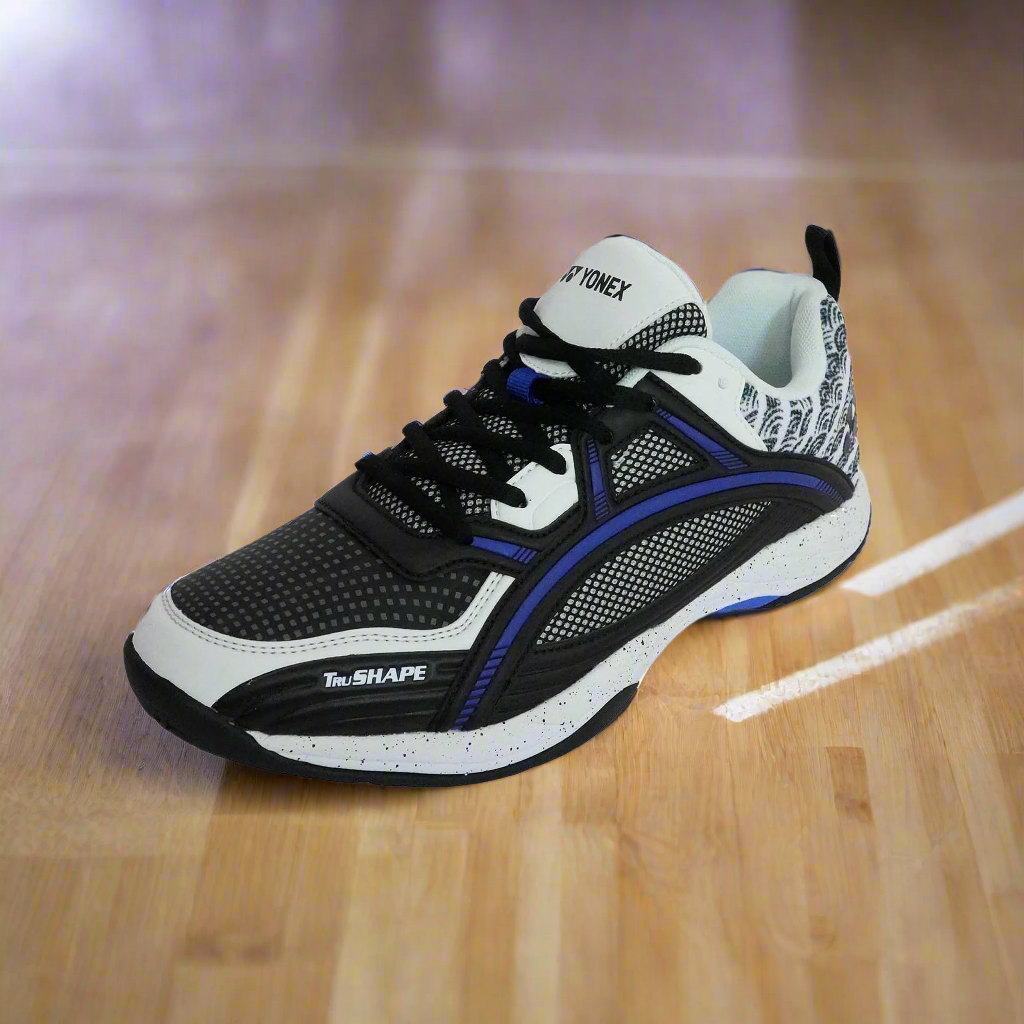
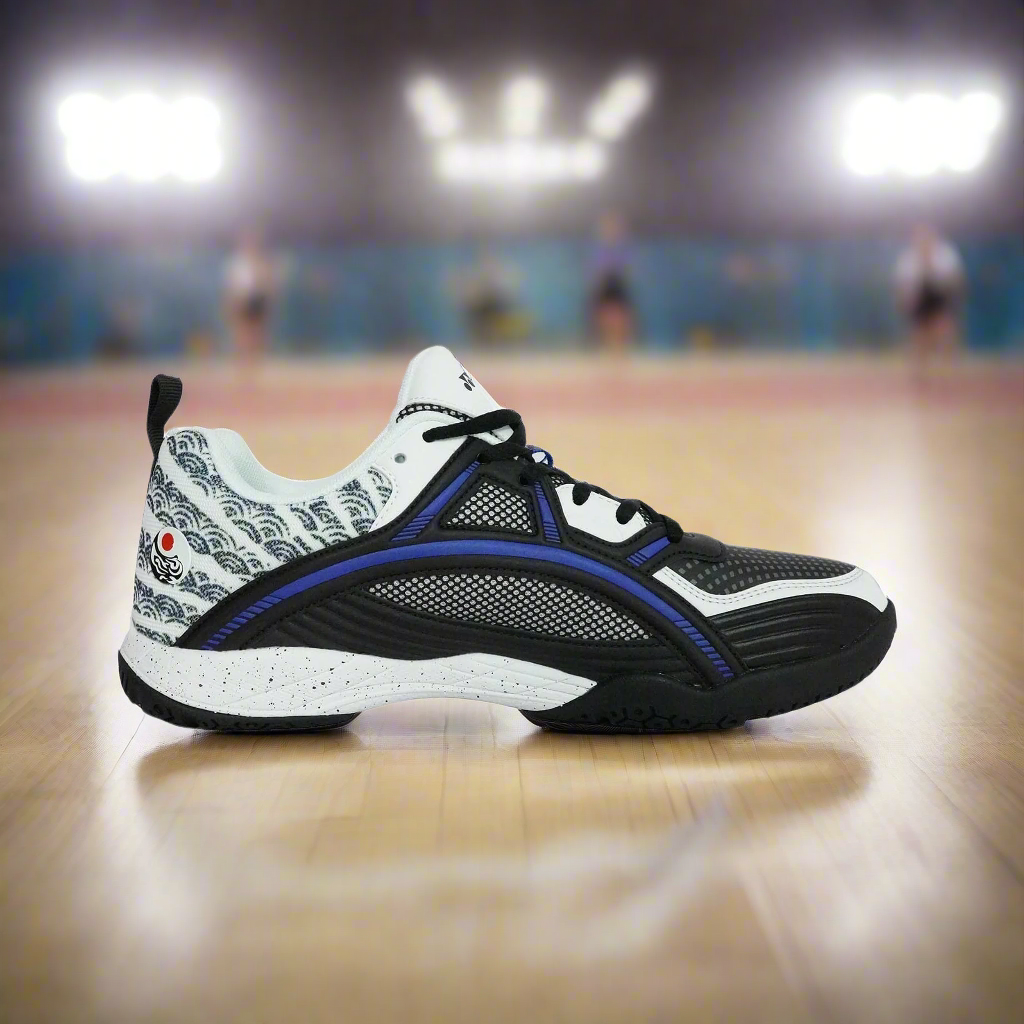
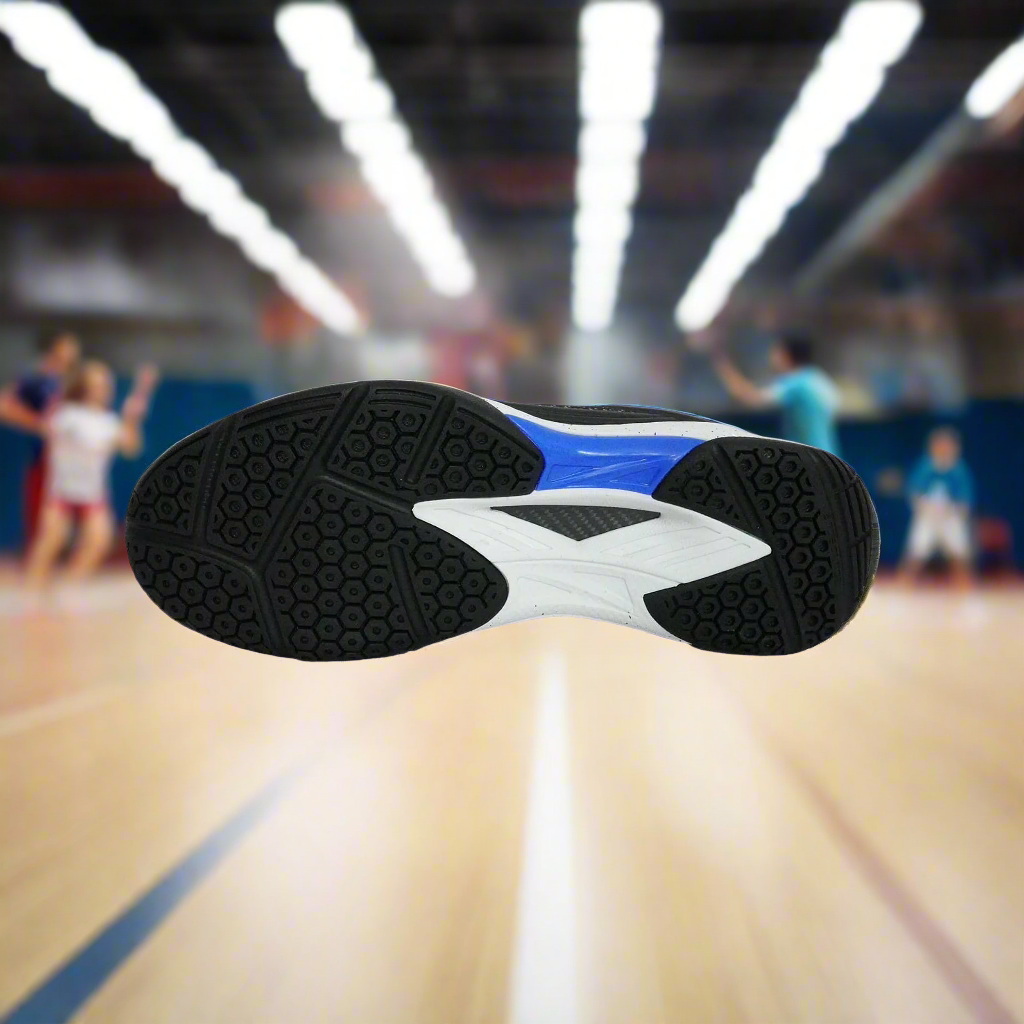
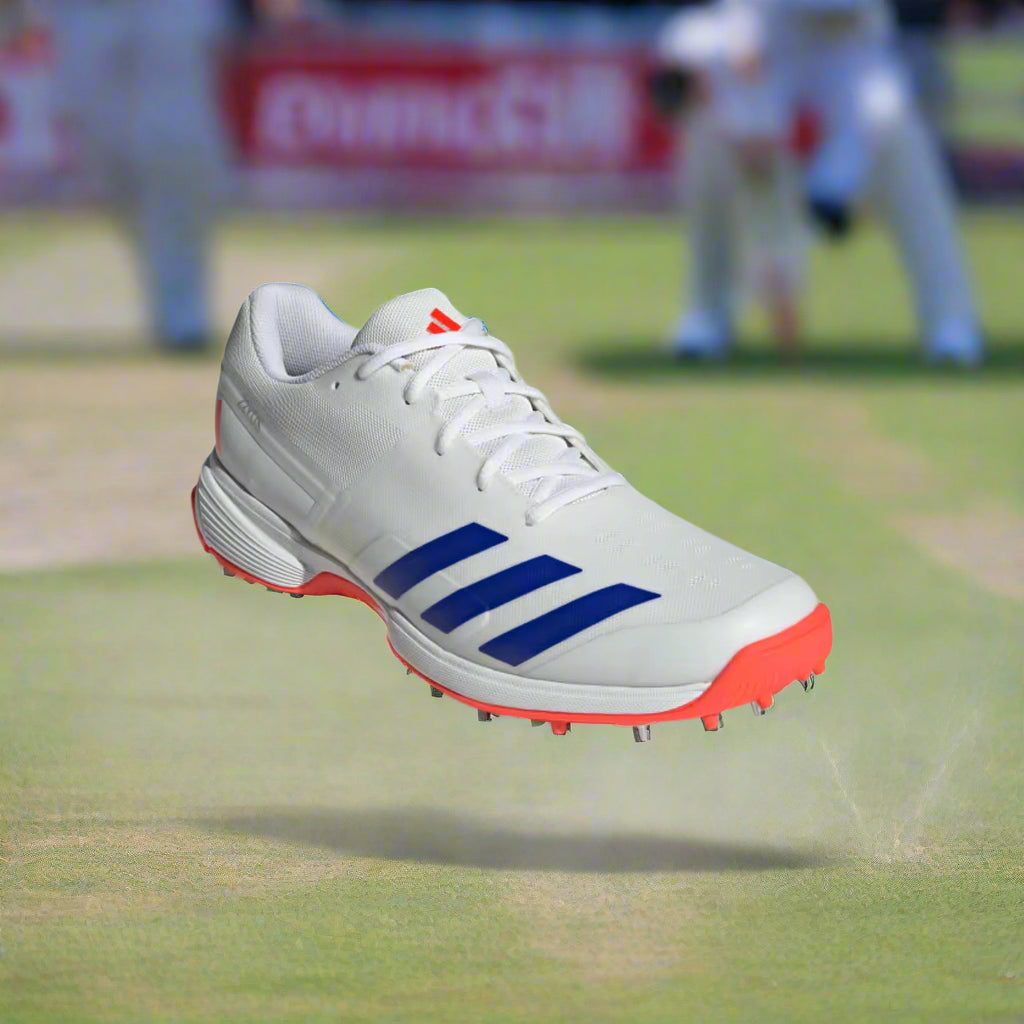
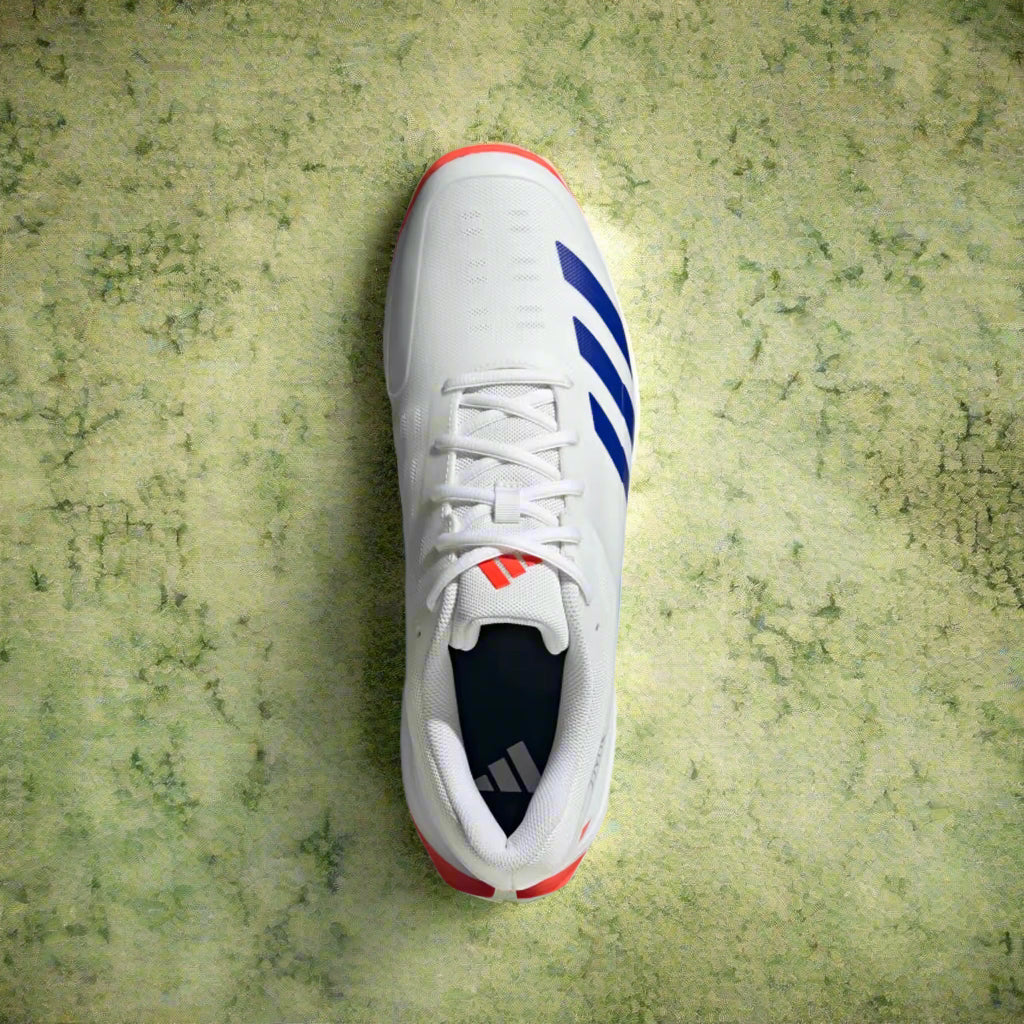
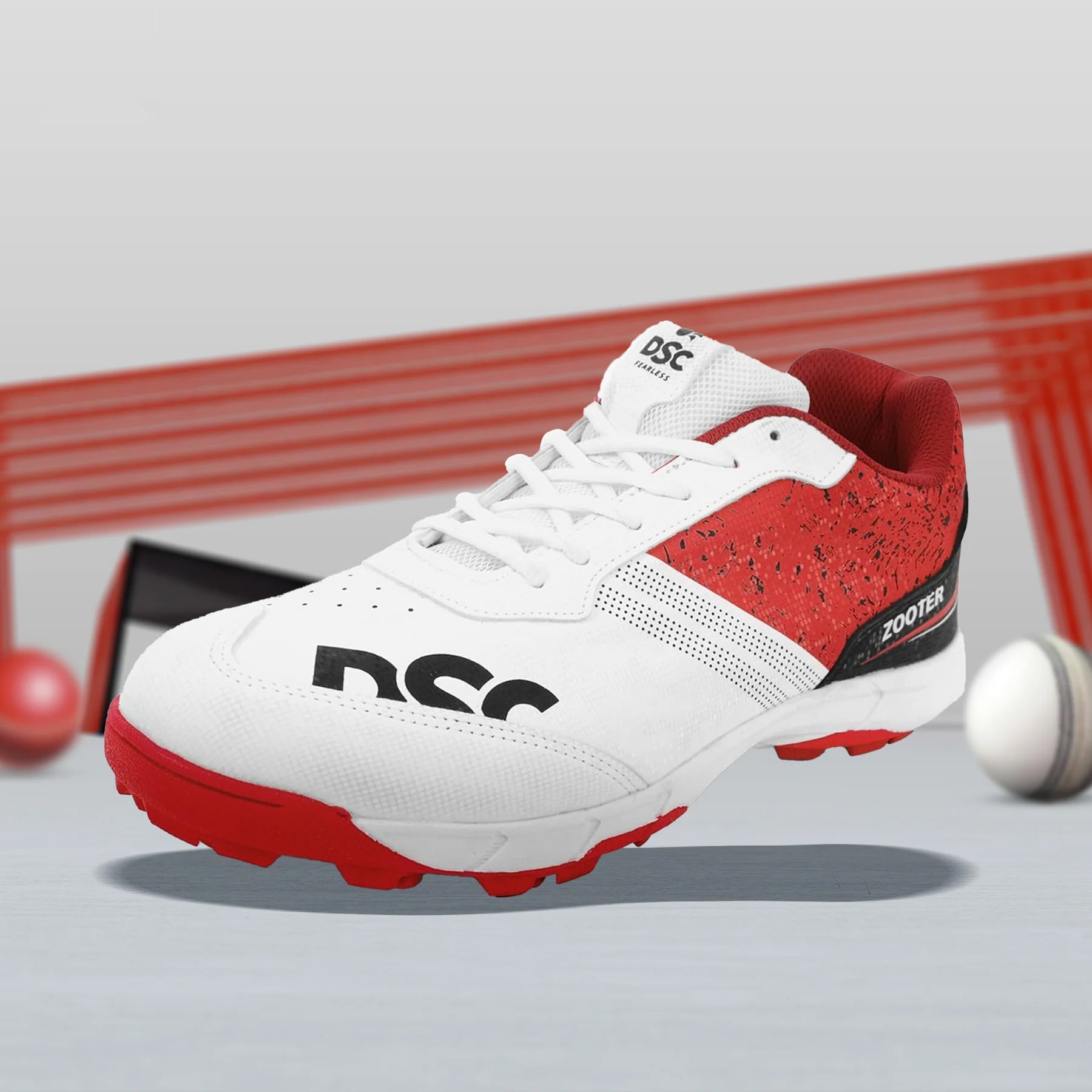
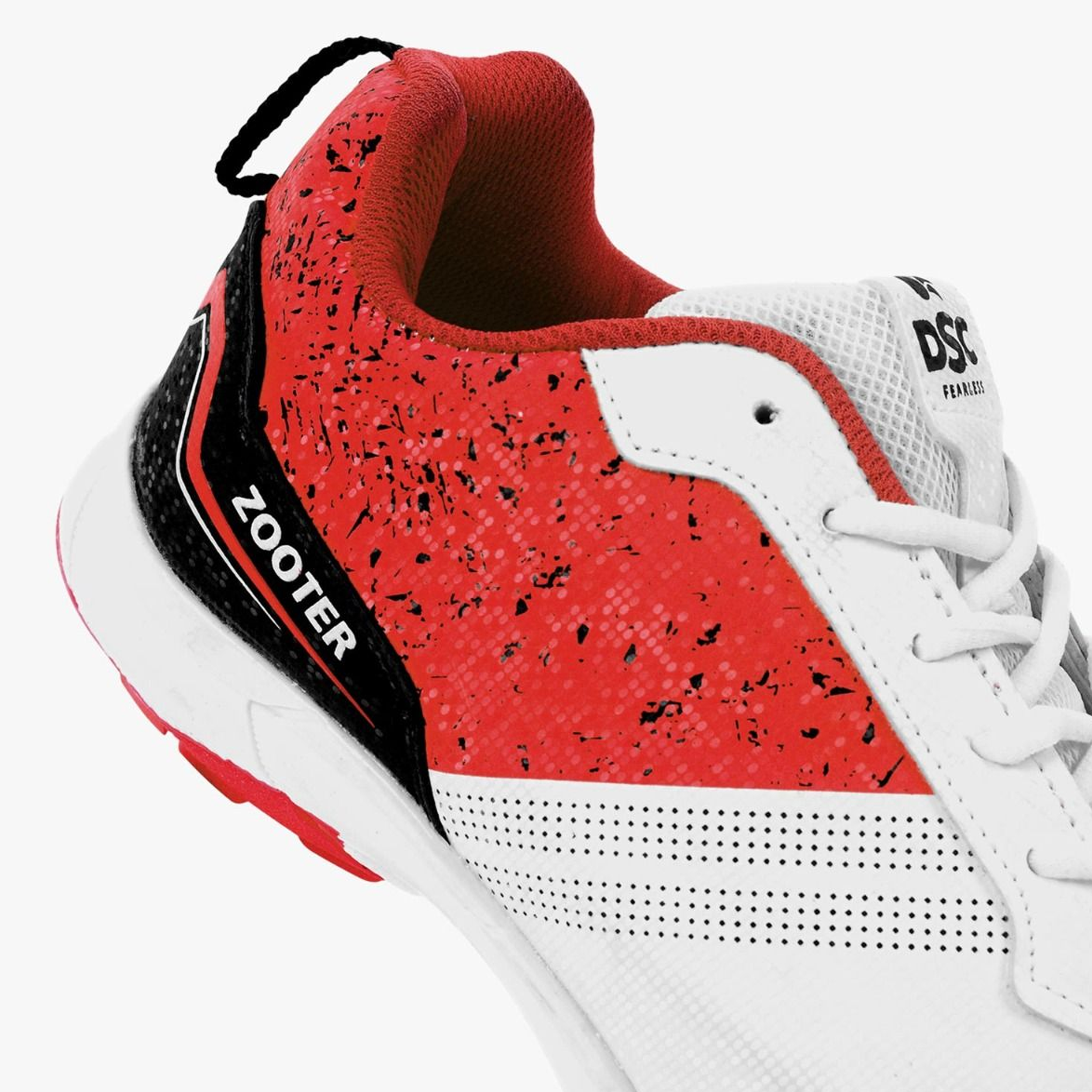
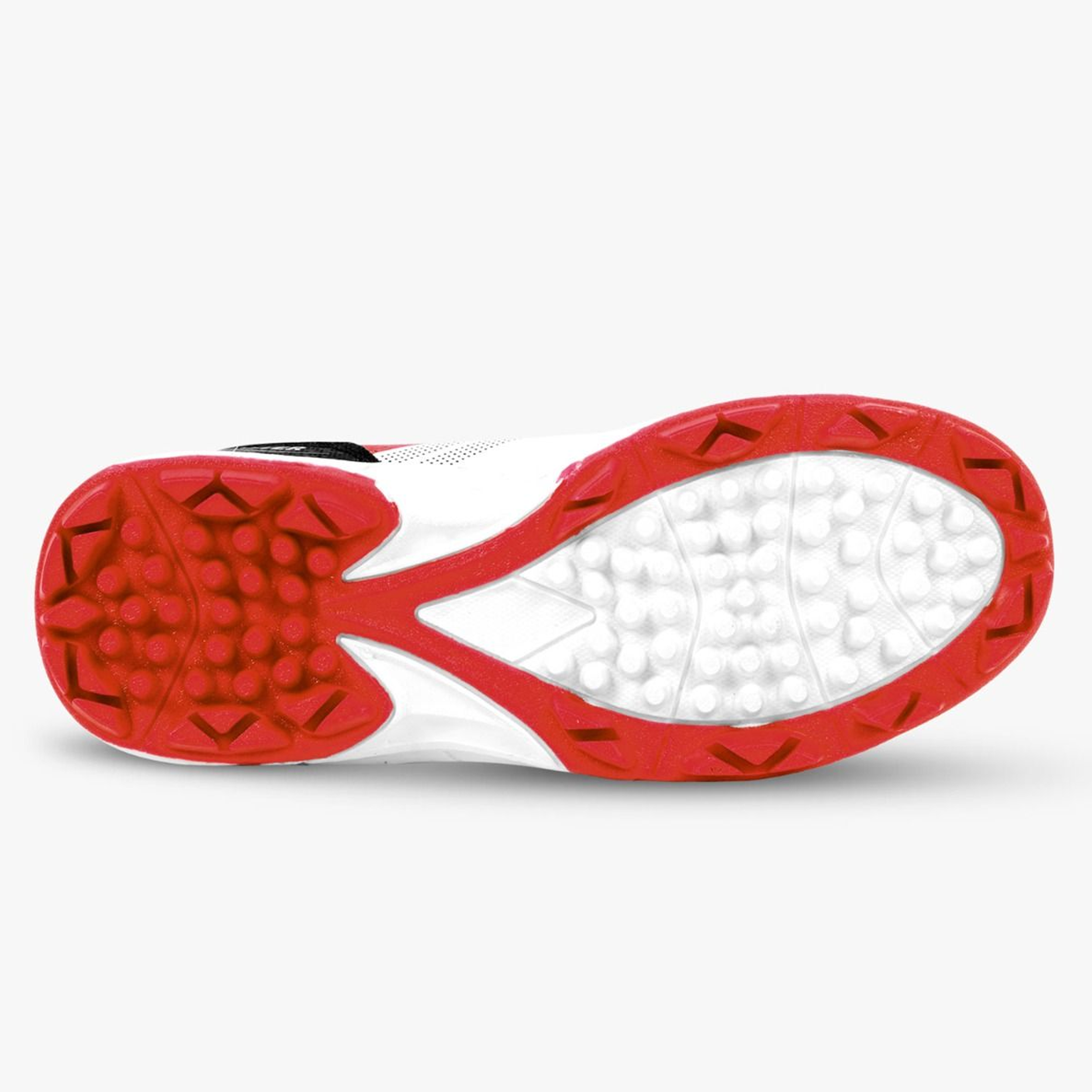
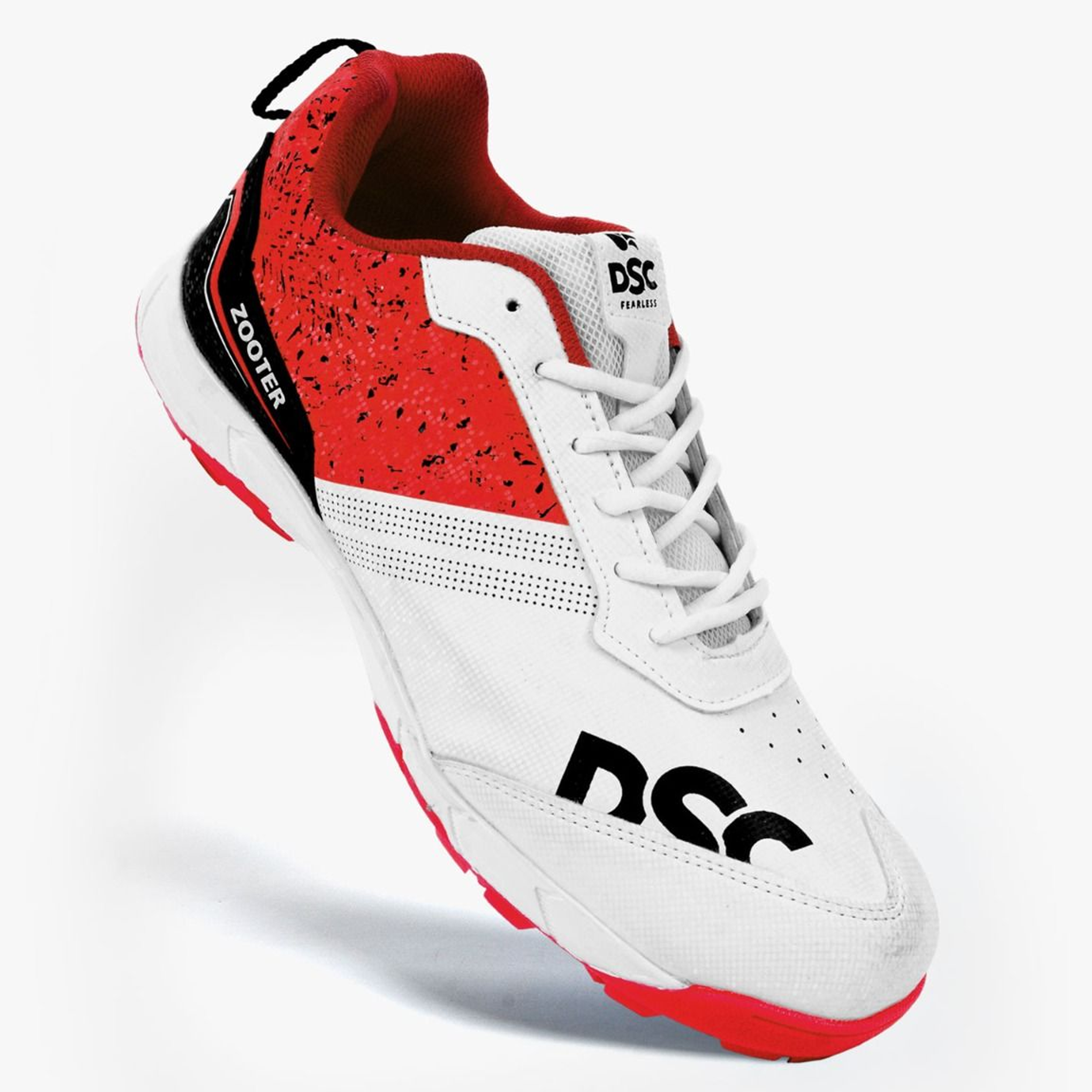
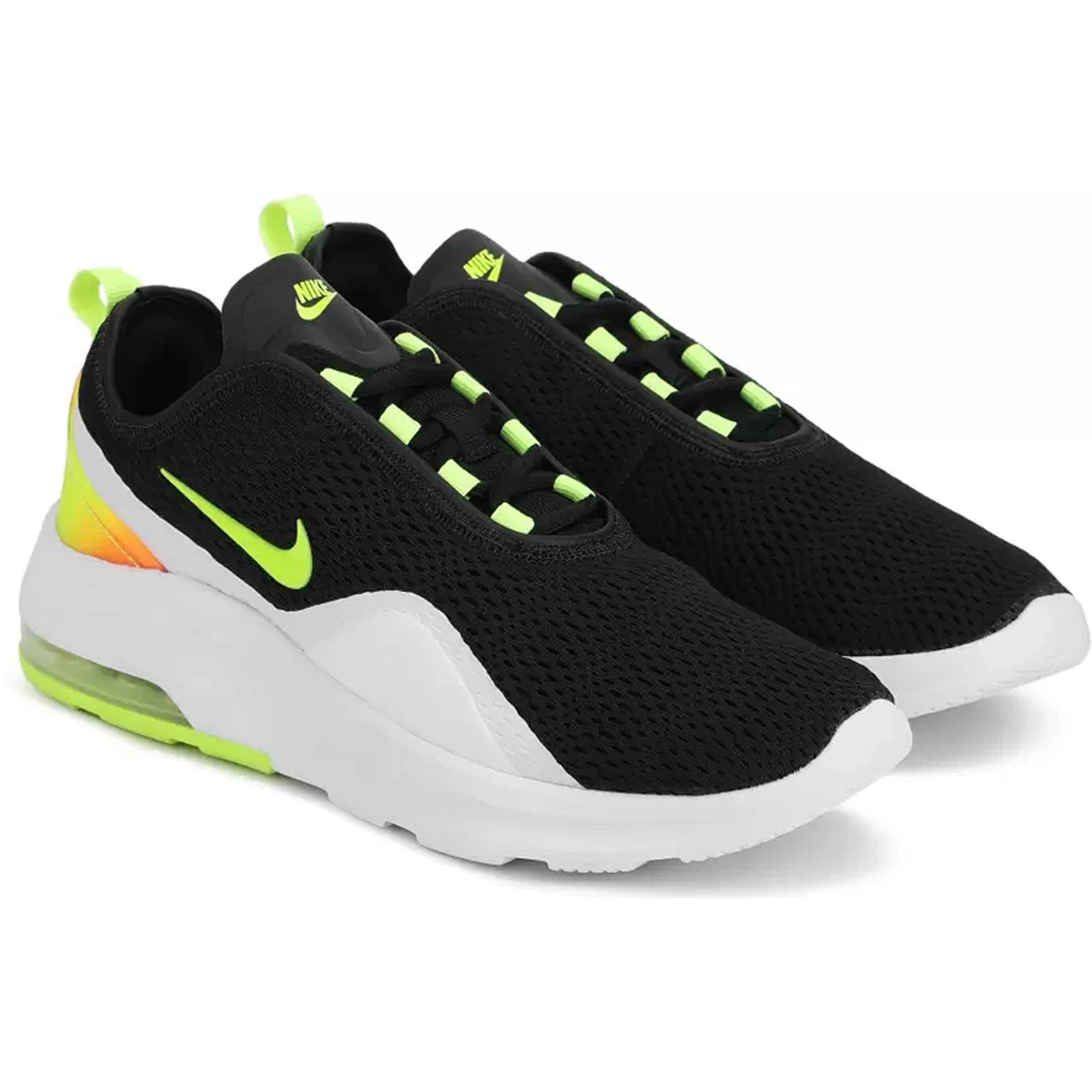
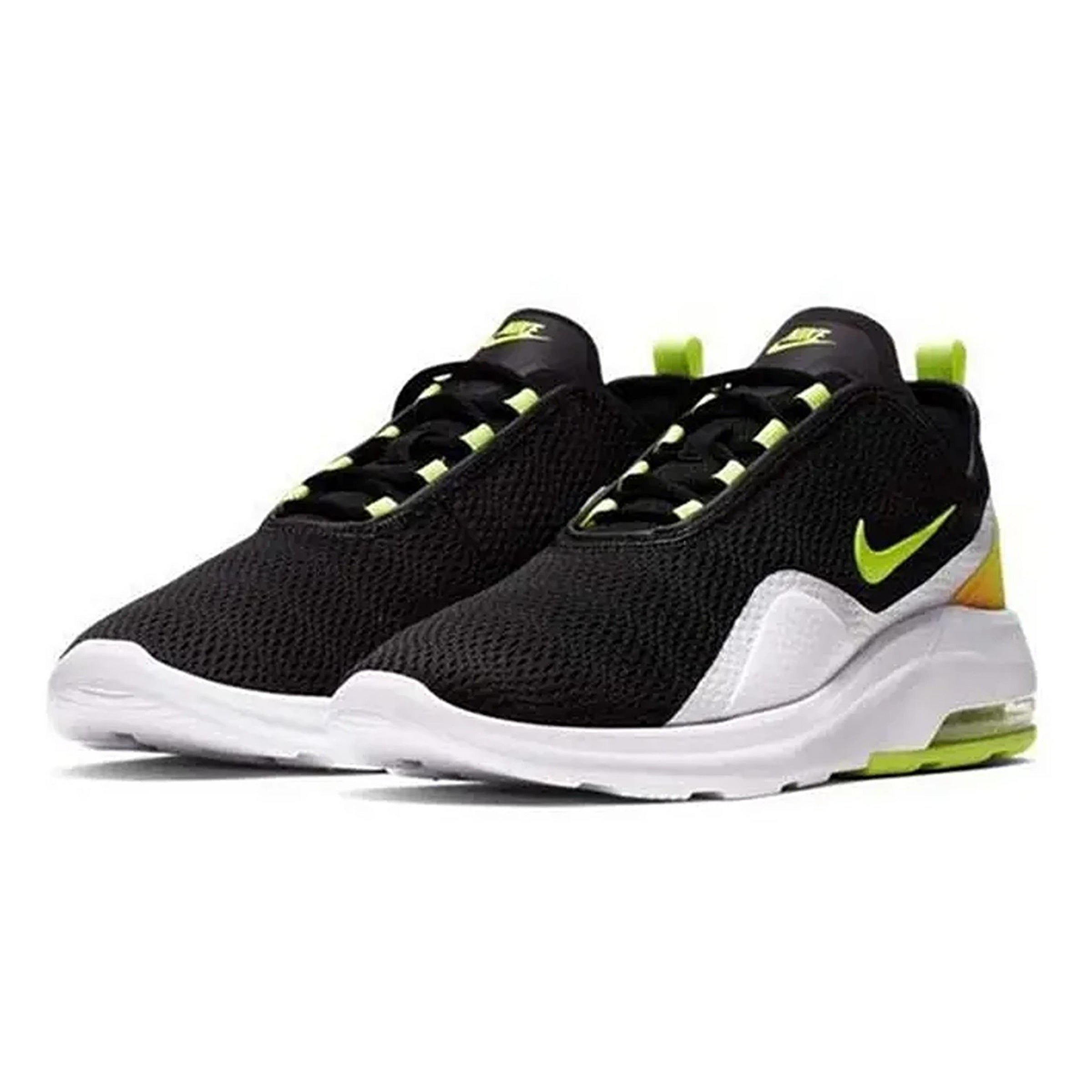
In the face of obstacles, adaptive strategies are critical. Techniques like hydrotherapy and virtual reality-assisted training and imagery exercises help athletes regain function, offering both physical and mental benefits. Properly ergonomic footwear designed to reduce tendon strain during training can further facilitate recovery.
The Inspirational Completion
The culmination of a successful recovery is often the athlete's return to professional play. It symbolizes not only physical recovery but also the athlete's emotional and psychological resilience.
For some, joining their peers and hearing the cheering fans mark the ultimate victory, while others find triumph in the journeys they've undertaken. Each step, each session, and each practice is a tribute to the strength and dedication required.
In an era where recovery stories inspire the masses, platforms like InstaSport play a pivotal role in celebrating such stories, offering a space where athletes and fans come together to share and motivate.
Disclaimer: This article is for educational reading about sports injury recovery and does not provide medical, diagnostic, or treatment advice.
























































Share:
Overcoming the Hurdles: A Track Athlete's Journey Through Achilles Tendon Recovery