
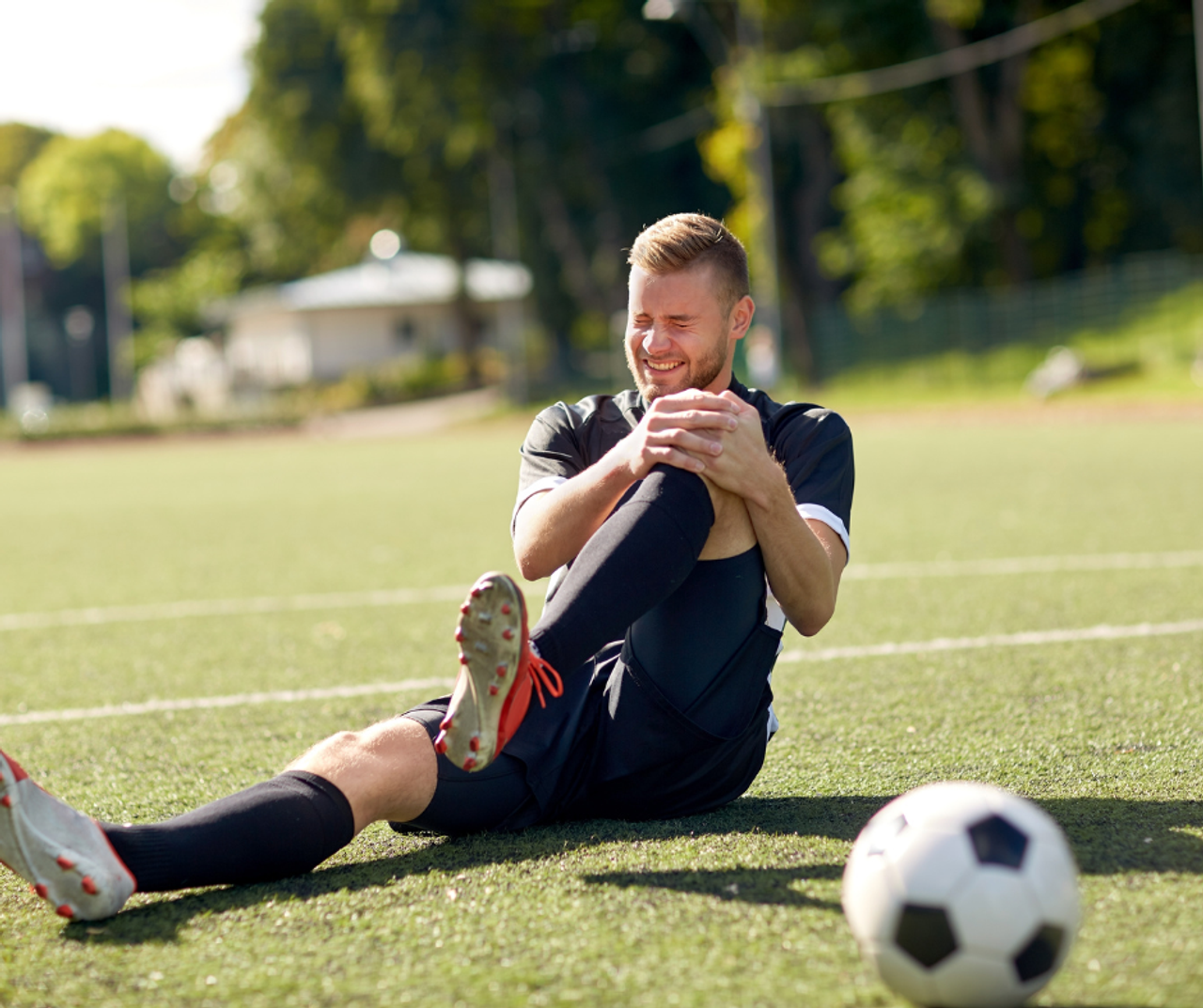
Recovering from sports injuries, such as an anterior cruciate ligament (ACL) tear, not only challenges the limits of an athlete's physical endurance but also tests the psychological fortitude and the subtleties of the body's over-arching healing systems. Despite considerable advancements in medical procedures and rehabilitation protocols, the path to full recovery is fraught with peril, missteps, and varying degrees of success. Why do some athletes return stronger and more resilient, while others continue to grapple with lingering impairments or re-injuries?
The problem lies not just in the injury itself, but in the maze of complex factors that interconnect and interplay during the recovery process. These factors can range from physiological responses to rehabilitation practices, psychological support, societal pressures, and the athlete's individual context. To achieve full recovery and optimum return to play, a systems-level understanding of these interconnected factors is crucial.
The Problem of Incomplete Recovery
An ACL tear, a common and often devastating injury in sports like soccer, illustrates the challenges of sports injury recuperation well. Instances of re-injury post-rehabilitation are staggering, primarily due to inadequate or inefficient recovery strategies. Studies have reported re-injury rates as high as 30% within the first year of returning to sport. These incomplete recoveries are symptomatic of multiple systemic failures.
Some athletes never regain their previous level of performance or confidence. The setbacks include not only physical limitations but also psychological effects, such as fear of re-injury, performance anxiety, and decreased confidence, which can persist despite apparent physical healing. Inadequate support and misaligned priorities in an athlete’s recovery regimen can drastically undermine long-term rehabilitation success.
Consequences of Failed Recovery
The implications of a failed or incomplete recovery transcend beyond physical constraints. Athletes may face career disruption, including limited playtime, compromised performance, or even premature retirement. Beyond career impacts, psychological stress can lead to long-term emotional issues like depression or anxiety. On a systemic level, teams invest hefty sums in athlete development and player care, with the expectation of full recovery as part of return-on-investment. Consequently, repeated injuries or prolonged recovery times can also have significant financial repercussions.
Breaking Down the Phases of Recovery
Understanding the granular phases of recovery can help delineate why certain approaches result in successful rehabilitation, while others falter. Effective management of each phase requires a harmonious orchestration of medical, physical, and psychological treatment protocols.
Phase 1: Surgical and Acute Rehabilitation
This phase initiates immediately post-injury or post-surgery and focuses on managing pain, reducing inflammation, and starting passive physical therapy. Success in this stage hinges on personalized protocols, ensuring that interventions are tailored to the individual athlete’s needs and recovery pace.
| Key Element | Successful Outcome | Potential Pitfall |
|---|---|---|
| Pain and Inflammation Control | Preventing chronic pain | Prolonged inflammation |
| Mobility Restoration | Early motion and muscle activation | Joint stiffness |
Phase 2: Strengthening and Early Functional Movement
The second phase incorporates more dynamic physical therapy, strength conditioning, and proprioception exercises. Here, the athlete begins gradual weight-bearing activities and focused neuromuscular training to restore balance and coordination.
Success is predicated on progressive loadingbalancing intensity and recovery to foster resilience, while avoiding overstrain and secondary injuries. Access to skilled trainers and facilities is fundamental to support the evolving physical demands.
Phase 3: Advanced Rehabilitation and Sport-Specific Training
This phase transitions athletes to more sport-specific activities, reintroducing them to the demands of their sport with an emphasis on technique, cognitive skills, and psychological readiness. At this juncture, psychological resilience is as important as physical capability, necessitating mental conditioning to cope with the pressures of competitive return.
The role of sports psychologists in mitigating fear and rebuilding confidence cannot be overstated. Overall, integrated care that aligns technical training with psychological support is pivotal.
Phase 4: Return to Play and Performance Optimization
The final phase is characterized by full integration into training and competition settings. Athletes here are assessed for their functional readiness, with emphasis on ongoing monitoring to ensure that recovery milestones translate effectively into competitive settings.
This underscores an ongoing commitment to injury prevention strategies, continuing conditioning, and periodic reassessment, keeping recovery pathways in synergy with performance expectations.
Table: Factors Contributing to Successful Recovery
| Domain | Factor | Impact |
|---|---|---|
| Physical | Customized rehabilitation protocol | Prevents overuse injuries |
| Psychological | Support and conditioning | Boosts confidence and readiness |
| Environmental | Access to quality facilities | Enhances recovery conditions |
In conclusion, sports injury recovery is a multi-dimensional process that transcends the simple lens of medical care. It is an intricate orchestration of physiological healing, psychological fortitude, and strategic conditioning. Success lies in understanding and tailoring recovery systems to the individual athlete, fostering an environment conducive to both healing and growth.
For athletes and teams striving for effective rehabilitation, solutions like InstaSport are crucial. These platforms provide pivotal resources for holistic recovery management, ensuring athletes can focus on returning to peak condition safely and sustainably.
Disclaimer: The content shared here discusses sports injury recovery in a general context and should not replace professional medical guidance.












































Share:
Rewriting the Playbook: Achilles Tendon Recovery in Soccer
Achilles Tendon Recovery in Rugby: Phases and Biomechanics