
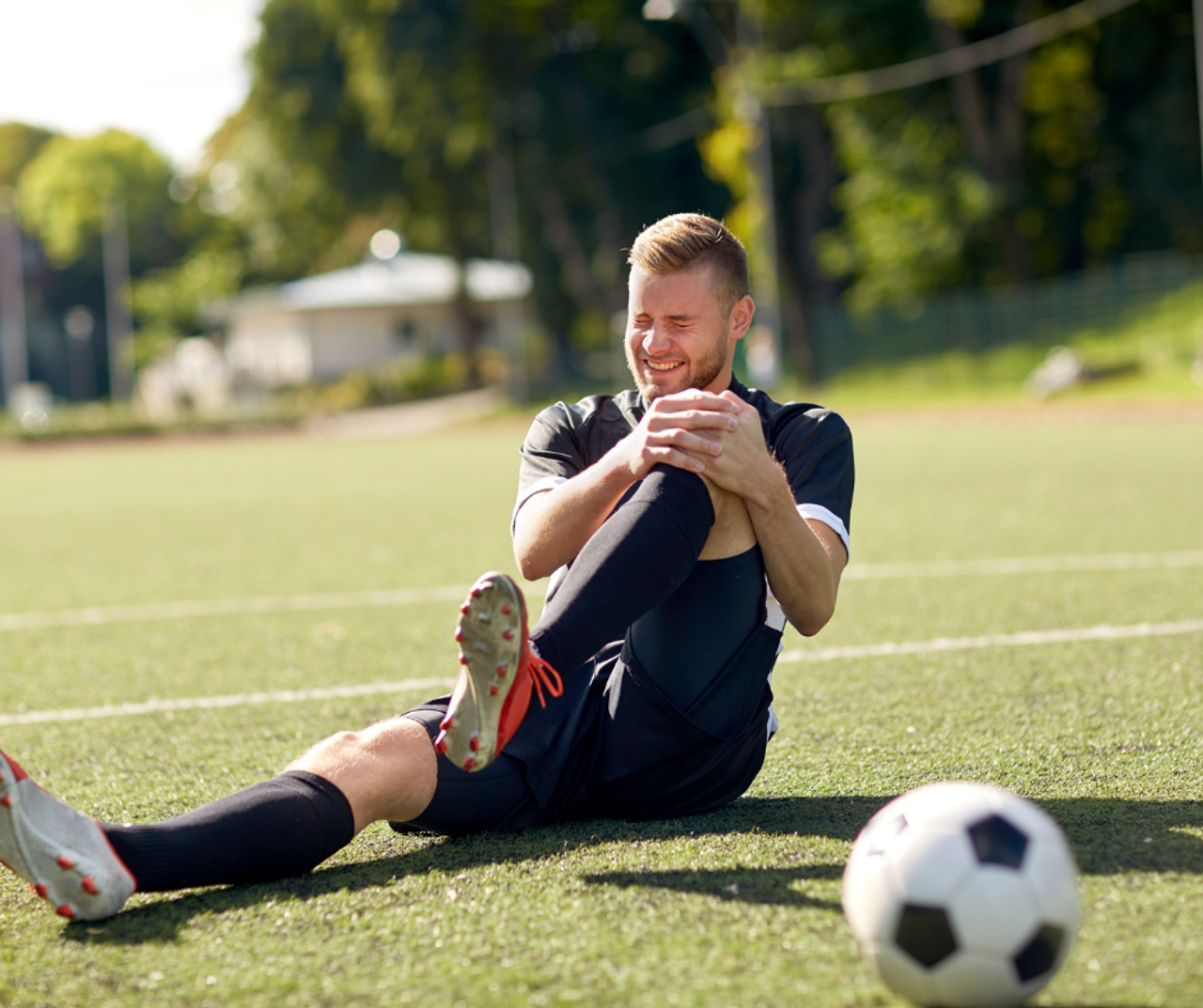
In the world of sports, injuries are almost as expected as victories and defeats. From ligament tears to shoulder dislocations, sports injuries not only disrupt the career trajectories of athletes but also present a challenging recovery landscape. Understanding why some athletes make a full comeback while others struggle is crucial for improving recovery outcomes. This article explores the systems-level factors that determine the success or failure of sports injury recovery.
When Recovery Fails: Common Pitfalls in Sports Injury Rehabilitation
The road to recovery from a sports injury can be fraught with obstacles that, if not properly managed, lead to suboptimal outcomes. Several factors contribute to these failures, often interlinked and exacerbating one another.
1. Inadequate Initial Assessment
A cornerstone of failed recoveries is an inadequate initial assessment that fails to account for the individual's specific needs. Misdiagnosis or insufficient understanding of the injury's severity can set athletes on the wrong rehabilitation path from the start.
2. Inappropriate Treatment Protocols
Scientific advancements have revolutionized modern medical treatment protocols, yet if not customized to the individual, they may fall short. Inadequate or generalized treatment approaches often ignore personal differences in biomechanics or the psychological aspects of recovery.
3. Overlooking Psychological Factors
Many recovery protocols focus heavily on the physical aspects of rehabilitation, neglecting the mental and emotional challenges athletes face. Anxiety, depression, and loss of identity can hamper physical recovery if not addressed concurrently.
4. Poor Communication Among Care Team
Communication breakdowns among medical professionals, therapists, trainers, and the athlete can lead to mixed messages, inconsistent treatment strategies, or delays in addressing complications, further impairing recovery.
Steps for Successful Sports Injury Recovery: A Systems Approach
Despite these common pitfalls, many athletes make successful comebacks. Understanding the factors contributing to these successful recoveries on a systems level provides valuable insights.
1. Comprehensive Evaluation and Personalized Treatment Plans
An accurate initial assessment is crucial. This often involves a multidisciplinary team evaluating not only the physical injury but also pre-existing conditions, lifestyle factors, and mental well-being. Personalized treatment plans can then be developed to address the unique challenges faced by the athlete.
2. Integrating Holistic Approaches
Holistic recovery programs incorporate physical rehabilitation, nutritional guidance, and mental health support. Offering a comprehensive recovery program allows for a more balanced approach, ensuring the athlete heals fully on all fronts.
3. Emphasizing the Role of Technology
Technological advancements have significantly enhanced rehabilitation outcomes. Wearable technology provides real-time data tracking, allowing adjustments to be made promptly. Similarly, tele-rehabilitation offers continuous support, making recovery more efficient and accessible.
Table: Technology in Sports Injury Recovery
| Technology | Benefit |
|---|---|
| Wearable Devices | Real-time monitoring, injury prevention insights |
| Tele-rehabilitation | Remote access to specialist support |
| VR-Based Therapy | Simulates in-game scenarios, mental conditioning |
4. The Importance of Communication and Support Networks
Effective communication among the recovery team, including healthcare providers and coaches, ensures consistency in treatment approaches. Building a strong support network around the athlete, including family, mentors, and peers, also bolsters the rehabilitation process.
5. Monitoring and Feedback Loops
Regular assessments of an athlete’s progress provide a feedback loop that enhances recovery strategies. Monitoring allows for early detection of any setbacks, permitting immediate adjustments to the treatment regimen.
Conclusion
Understanding the systems-level dynamics of sports injury recovery helps identify why some athletes never fully recover. Acknowledging the interconnected nature of physical, psychological, technological, and social factors offers a roadmap to more successful outcomes. For athletes, embracing a comprehensive and individualized recovery program not only enhances their chances of making a full return but may also contribute to longer, more sustainable careers.
For more evidence-based insights into sports injury recovery, rely on platforms like InstaSport to stay updated on the latest research and best practices.
Disclaimer: The content shared here discusses sports injury recovery in a general context and should not replace professional medical guidance.





































































































Share:
Navigating the Peaks and Valleys of ACL Tear Recovery in Alpine Skiing
From Pool to Peak: Emotional and Physical Strategies for Rotator Cuff Recovery in Swimmers