
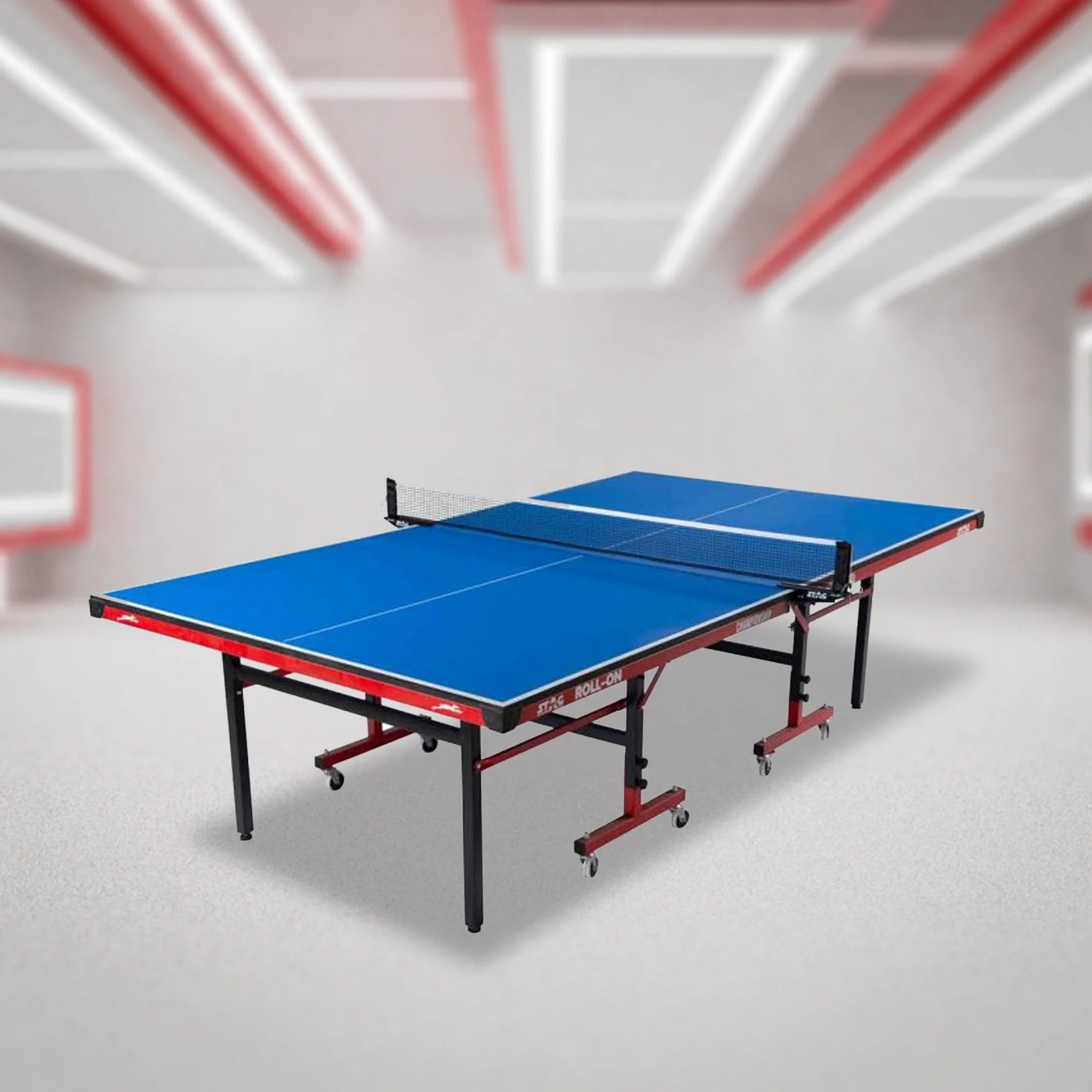
Inside the World of Professional Table Tennis Athletes
At the core of every electrifying rally, impeccable spin, and strategic serve in Table Tennis lies an intricate routine meticulously crafted by professional athletes to ensure peak performance. This article delves into the routines of elite table tennis players, highlighting the grind, discipline, and techniques that elevate them to the highest level of competition.
The Building Blocks: Physical and Mental Conditioning
Physical Conditioning
Table tennis might appear effortless with its fluid motions and quick exchanges, but the physical demands are immense. Elite players emphasize not just skill but stamina, agility, and precision. A typical training regimen includes:
- Aerobic Exercises: To maintain endurance during prolonged rallies.
- Strength Training: Focused on the upper body, core strength, and legs to aid powerful strokes and swift footwork.
- Flexibility Workouts: With yoga and dynamic stretching routines to prevent injury and enhance range of motion.
Mental Conditioning
Equally vital, mental conditioning shapes a player’s ability to remain composed under the pressure of competitive matches. Top players incorporate:
- Visualization: Techniques where players mentally rehearse scenarios to refine reflexes and tactics.
- Mindfulness and Meditation: Practices that improve focus and manage stress in high-tension moments.
- Game Analysis: Reviewing past performances to identify strengths, weaknesses, and strategize improvements.
The Daily Routine of a Table Tennis Pro
Professional table tennis players have distinct routines designed to optimize their training schedules and off-court life balance.
Morning: Physical Conditioning and Technical Skills
The day starts early with stretching exercises followed by intense physical conditioning. The morning session often includes solo practice drills focusing on serving, consistency, and technique improvement. These are crucial for building a solid foundation in the sport.
Afternoon: Focused Skill Training
Post-lunch, players engage in table practice involving multi-ball training, where coaches simulate match conditions with varying speed and spin. This session enhances anticipation, adaptability, and the implementation of tactical decisions in real-time scenarios.
Evening: Review and Recovery
The day concludes with reviewing recorded play sessions to assess performance. Professional athletes also prioritize recovery through massages, ice baths, and adequate rest to ensure muscles recover effectively.
Comparison: Professional vs. Amateur Table Tennis Routine
Understanding what separates the routines of amateurs and professionals can provide insight into the dedication required to succeed at the highest levels of the sport.
| Aspect | Professional Routine | Amateur Routine |
|---|---|---|
| Training Frequency | 6-7 days a week, multiple sessions per day | 2-3 times a week, usually in the evening |
| Coaching | Personalized coaching and game analysis | Group sessions or casual learning from peers |
| Technical Focus | Detailed and specialized drills | General practice with basic drills |
| Recovery Strategies | Structured recovery plans emphasizing rest and rehabilitation | Rarely focused on; typically informal |
| Nutrition | Diet plans curated for energy and performance | No specific focus, tends to be incidental |
The Gear: What Professionals Use
When it comes to equipment, professional players depend on finely tuned rackets and high-quality gear. Here's a rundown of typical choices:
- Rackets: Customized based on weight, grip, and rubber type to suit personal playing styles.
- Footwear: Shoes designed for excellent grip and agility on different playing surfaces.
- Apparel: Lightweight and moisture-wicking fabrics that allow for flexibility and comfort.
The Takeaway: Dedication Behind the Ping Pong Glory
The journey to professional levels in table tennis is relentless and demanding. It's a sport where milliseconds matter, and where split-second decisions can define the outcome of a match. The routines outlined here not only highlight the commitment required but also serve as a blueprint for aspiring athletes aiming to elevate their game. When disciplined training meets strategic play, the racket becomes an instrument of art and precision in the hands of a skilled professional.
For tennis enthusiasts and aspiring athletes, stepping into this world encourages a greater appreciation for the sport’s physical demands and the extraordinary dedication of its athletes. Table tennis isn’t just a game of skill—it's a lifestyle of perseverance and excellence.












































































































Share:
Fueling the Future: A Beginner's Masterclass on Nutrition for Sports
Fitness Evolution: A Journey Through History and a Guide to Modern Practices