
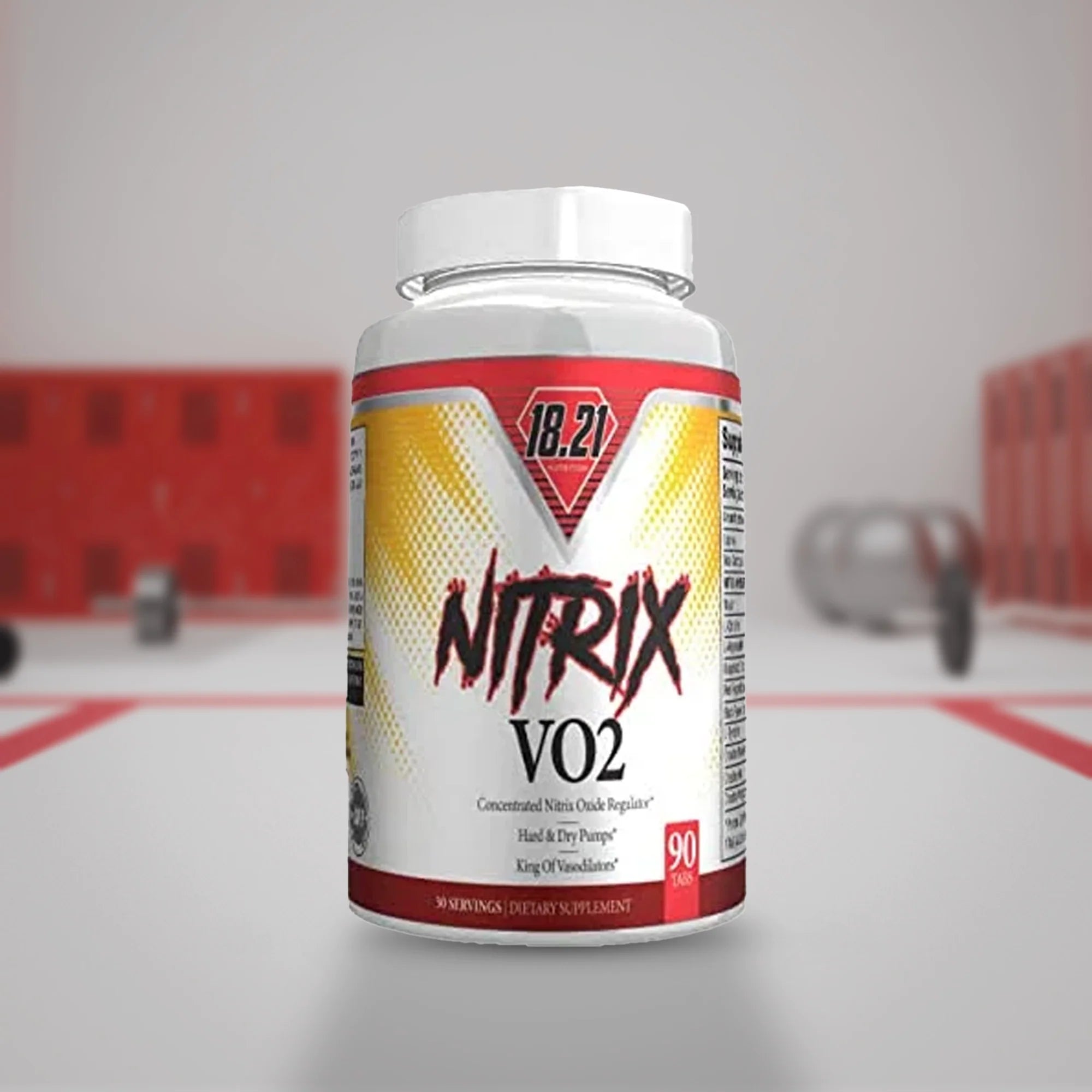
The Beginning of a Nutritional Journey
Imagine waking up on a crisp autumn morning with the smell of fresh dew wafting through your window. You've committed to joining your first half-marathon, a daunting yet invigorating challenge. Yet amidst all the excitement, a critical component often overlooked by beginners is Nutrition. Understanding and managing your nutritional needs becomes the secret weapon in your sports arsenal.
The Vital Role of Nutrition in Sports
As a beginner, you might wonder why nutrition garners such reverence in the sports world. The reason lies in its ability to enhance performance, improve recovery, and ensure optimal health. It affects every level of your training, from preparation to performance to recovery. A well-planned nutrition strategy helps sustain energy, improve focus, and reduce injury risks—a triad of benefits that any athlete would chase.
The Story of Emily: A Nutritional Makeover
Meet Emily, a 28-year-old marketing executive and a self-professed "weekend warrior" when it comes to sports. Like many beginners, her enthusiastic entry into the world of sports was initially marred by fatigue, inconsistent performance, and slow recovery times. Her weekends would end with her muscles aching and her motivation waning, until she stumbled upon the magic of nutrition.
Emily’s turning point was the realization that she had been primarily fueling her body with sugary snacks and caffeinated drinks—quick fixes that led more to crashes than bursts of energy. Curious to see improvements, she embarked on her nutritional journey. To zero in on her needs, Emily enlisted the help of a sports dietitian, who tailored a meal plan that transformed not just her body but her outlook on sports.
Within weeks, Emily's energy levels were higher, her endurance increased, and her enthusiasm never waned. She found an ally in balanced nutrition through every stride of her training. Her story speaks to the power of tailored nutrition strategies in transforming a beginner athlete’s experience.
The Building Blocks of Sports Nutrition
To mirror Emily’s success, let's break down the core components of a solid nutritional foundation:
| Macronutrient | Function | Example Sources |
|---|---|---|
| Carbohydrates | Primary energy source | Whole grains, fruits, vegetables |
| Proteins | Tissue repair and growth | Lean meats, beans, legumes |
| Fats | Energy reserve and cell function | Avocados, nuts, olive oil |
| Vitamins & Minerals | Overall health and immunity | Varied fruits and vegetables |
| Hydration | Body function and performance | Water, electrolytes |
Crafting a diet utilizing these nutrients can be seen as both an art and a science, but understanding their roles provides a map that guides choices from breakfast to dinner.
Crafting a Personalized Nutrition Plan
Nutrition is not one-size-fits-all. What's crucial is personalizing your nutritional strategy according to your unique sport, training schedule, and lifestyle. Emily learned that timing and portion sizes are just as significant as the food types.
Finding Balance: The Role of a Dietitian
For beginners like Emily, consulting a sports dietitian can demystify this process. Dietitians calculate energy needs based on activity levels, ensuring each meal supports training goals. They also help break down nutritional needs into manageable steps, creating a balanced approach towards food.
Overcoming Challenges and Misconceptions
One of the most challenging aspects beginners like Emily face is sifting through the sea of information and sensational diets. From keto to paleo, the variety of diets can be overwhelming. However, balanced nutrition remains central, emphasizing unprocessed foods and variety.
Emily found her greatest hurdle was overcoming misconceptions about fats and carbohydrates. Misguided by trendy diets, she once believed they were to be minimized. In reality, balanced fats and carbohydrates became essential stamina sources, enabling her to finish her runs with a smile.
Conclusion: Why Nutrition Shouldn't Be An Afterthought
Emily’s journey from novice to knowledgeable participant in the world of sports paints a clear picture—that nutrition isn’t just about eating; it’s about fueling both body and mind for optimal performance.
For beginners diving into the sports world, the early adoption of nutrition best-practices allows you to not just compete, but to thrive. Whether it's through consulting a dietitian or self-education, the investment in nutrition pays dividends in personal performance and enjoyment.
In essence, the journey of a thousand miles—or perhaps a thousand calories—starts with a single, well-chosen meal. Embrace it, knowing each bite brings you closer to your goal.












































































Share:
The Psychology Behind Buying Running Gear: Investing in Every Mile
From Topspin to Triumph: Pro-Athlete Routine in Table Tennis